
Film
Stalker
Stalker is Tarkovsky's slow, hypnotic journey into the Zone, a forbidden landscape where wishes may or may not come true. It moves at the pace of dread, more meditation than adventure, more prayer than plot. Watch it for its imagery — mossy, rusted, drenched — and for its patience with doubt, faith and desire. Not for anyone wanting answers, or hurry.
If you liked this
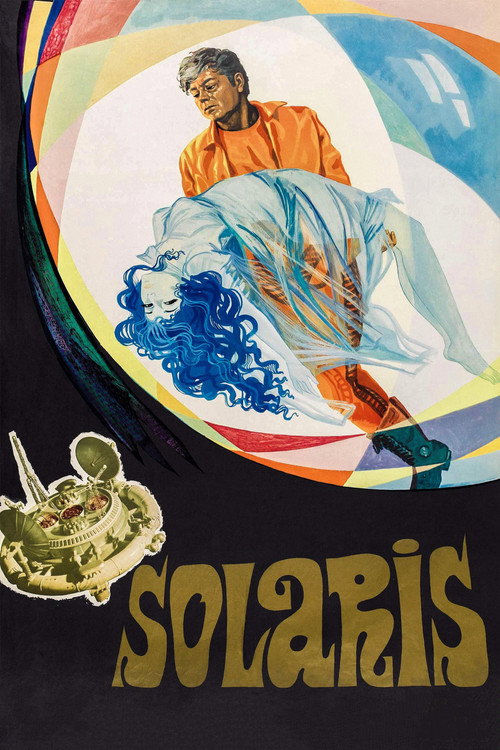
Solaris1972
Tarkovsky's earlier space odyssey trades Stalker's swamp for an orbiting station, but the ache is the same: memory, grief and the impossibility of truly knowing another person, told at his signature unhurried pace.
But Even slower than Stalker in places, and its emotional core arrives only after a long, demanding build.
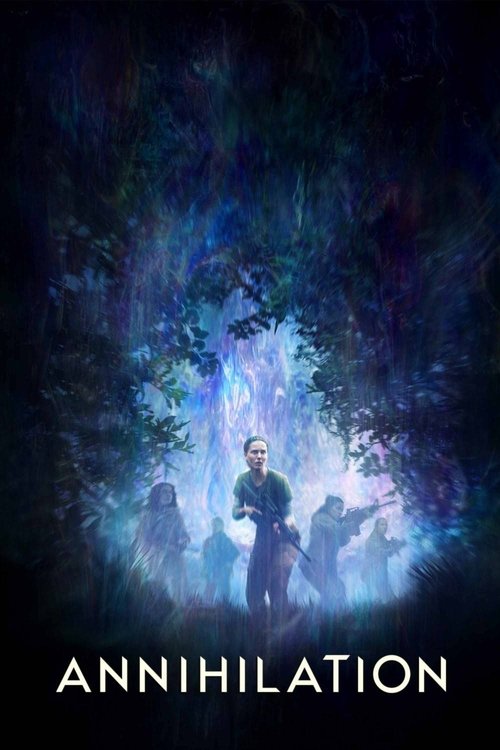
Annihilation2018
A biologist leads a team into a mutating quarantine zone where the laws of nature no longer apply — Garland's film is the closest modern Hollywood has come to Tarkovsky's dread and wonder.
But More conventional structure and body horror than Tarkovsky ever allowed himself; some purists find it too neat.
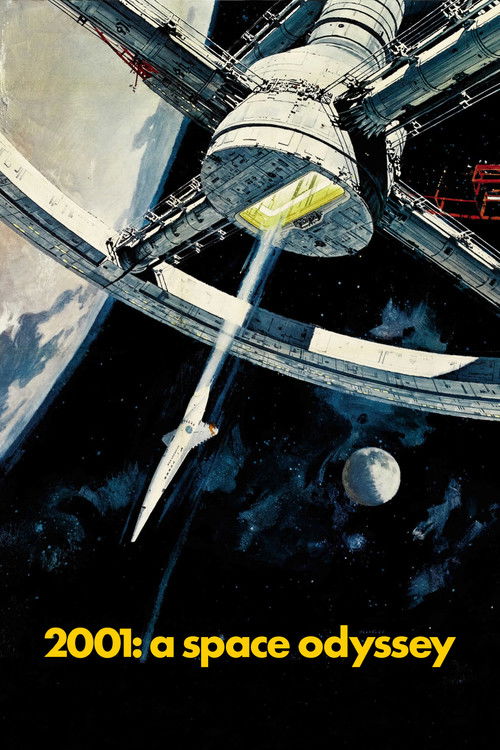
2001: A Space Odyssey1968
Kubrick's monolith and Tarkovsky's Zone are cousins: both use science fiction as a doorway into the unspeakable, trusting image and silence over explanation to carry the weight of transcendence.
But Cold where Stalker is damp and human; some find Kubrick's detachment harder to love than Tarkovsky's melancholy.
The wildcard
Something you would not have found on your own.
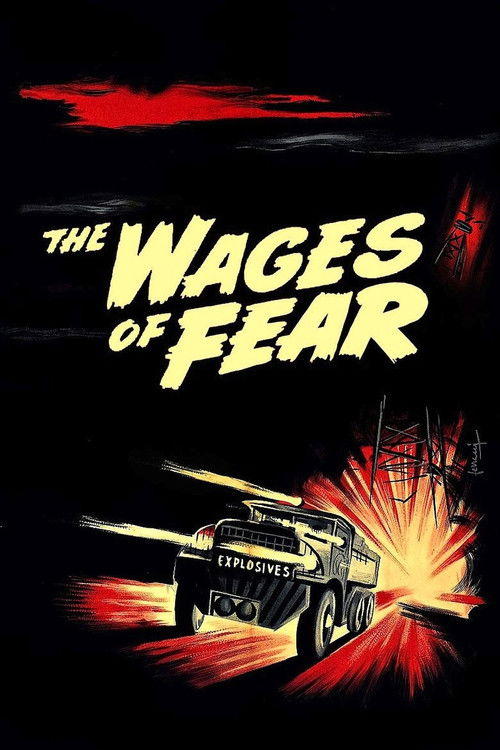
The Wages of Fear1953
Same shape as Stalker with the mysticism removed: a guide leads companions across a landscape that could kill them at any wrong step, and the film lives entirely inside that tension.
Four desperate men drive trucks of nitroglycerin across impossible roads for money — every pothole and hairpin turn could kill them, and the tension comes purely from terrain, patience and dread.
But No metaphysics, no wishes granted — this is pure survival thriller, stripped of Stalker's spiritual ambitions.
More like this (8)
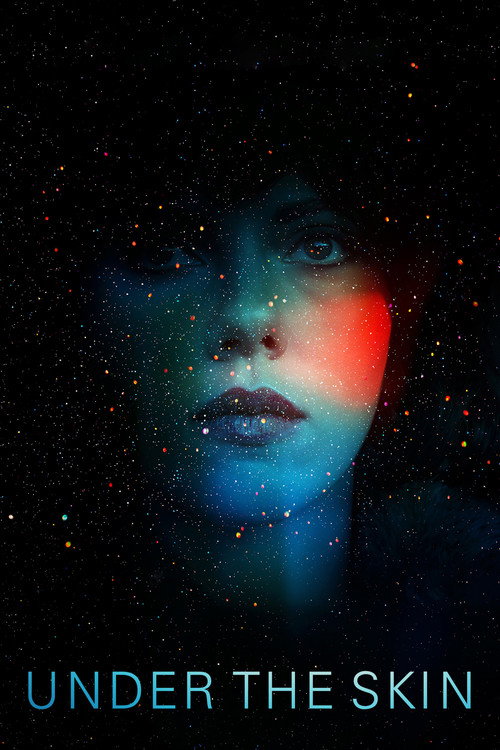
Under the Skin2014
Scarlett Johansson glides through Scotland as an alien predator in a film built almost entirely from mood and texture, proof that sci-fi dread doesn't need dialogue to work.
But Extremely opaque and almost wordless; a film you feel rather than follow, which will frustrate some viewers.
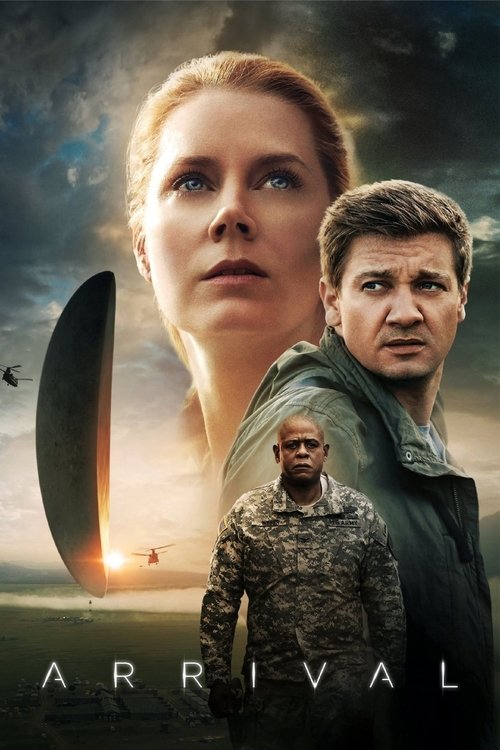
Arrival2016
A gentler, more accessible entry point into philosophical sci-fi — language, grief and time bend together in a first-contact story that trusts its audience the way Tarkovsky did.
But Warmer and more resolved than Stalker; it answers its own questions instead of sitting inside them.
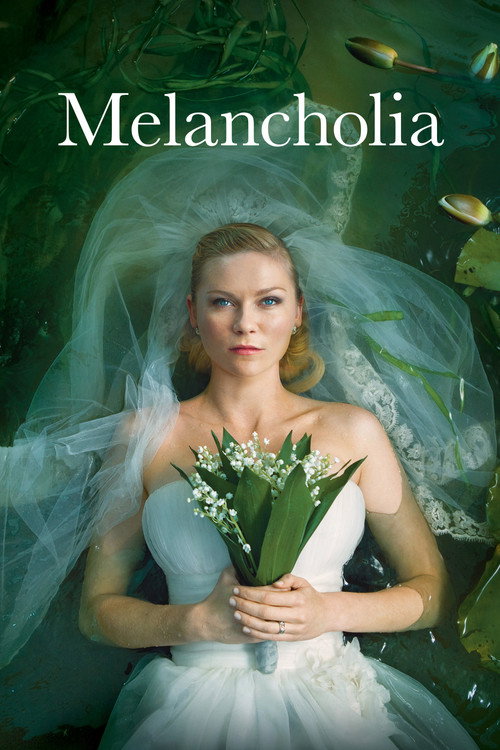
Melancholia2011
Von Trier turns cosmic dread into domestic drama — a planet on a collision course with Earth becomes background to depression, family, and the strange calm of accepting the end.
But Bleak by design and unconcerned with hope; not for anyone who needs a film to root for something.
The Sacrifice1986no page yet
Tarkovsky's final film, made in exile, is his most direct statement of faith — a man's private vow to God during a possible apocalypse, shot with the same devotional patience as Stalker.
But Even more austere and religiously explicit than Stalker; a real commitment even for Tarkovsky devotees.
Aniara2019no page yet
A luxury space liner drifts off course forever, and the passengers slowly build new religions to cope — a bleak, beautiful Swedish parable about meaning collapsing under enough time and silence.
But Deliberately punishing in its hopelessness; the slow unraveling can feel more like an ordeal than a story.
Werckmeister Harmonies2001no page yet
Béla Tarr's black-and-white fable moves at Tarkovsky speed through a decaying Hungarian town on the edge of some unnamed catastrophe, built from the same long, wandering takes and cosmic unease.
But Extremely slow even by this list's standards — some shots run many minutes, and the plot resists easy summary.
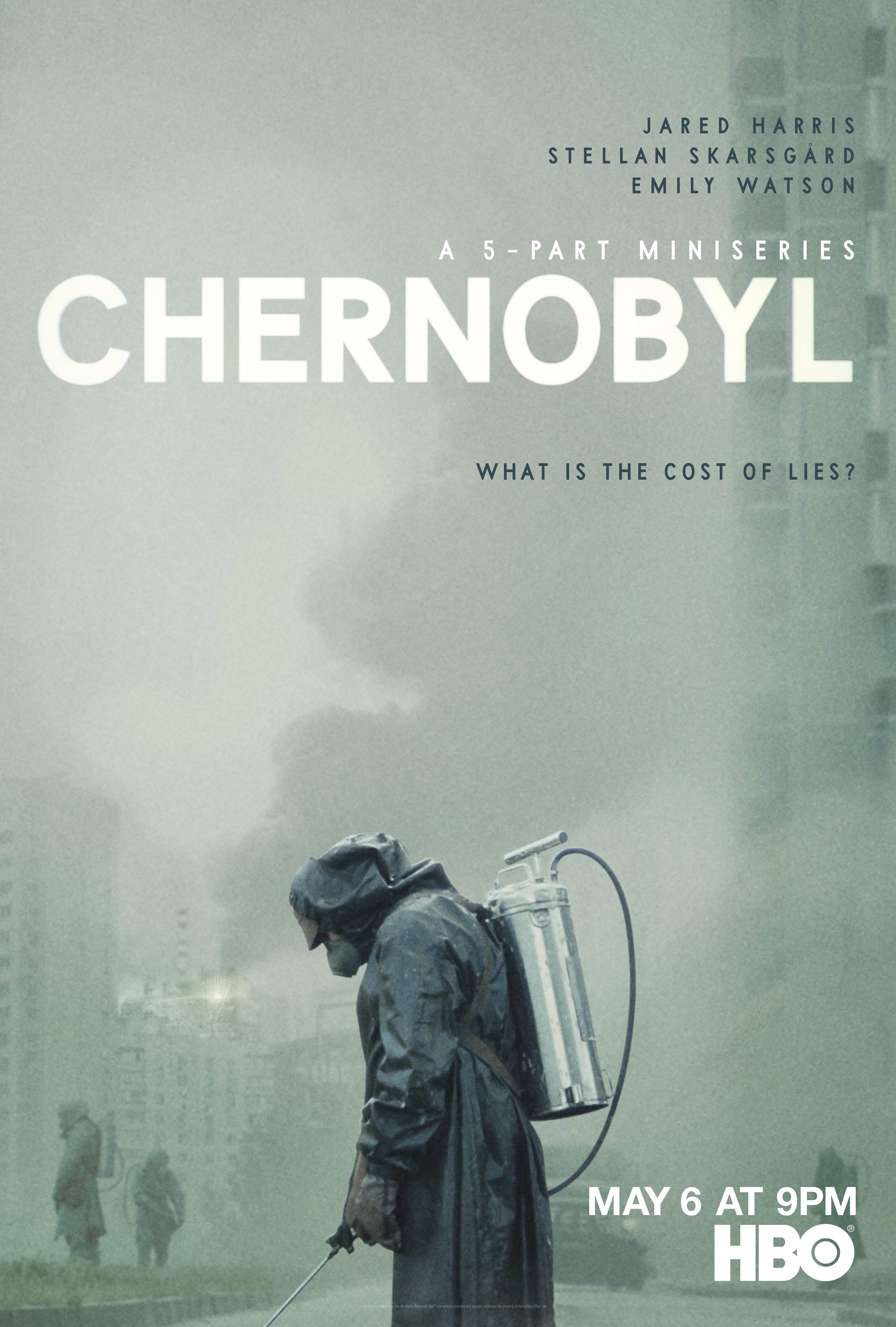
Chernobyl2019
Stalker imagined a forbidden, radioactive-feeling wasteland seven years before Chernobyl happened; this series shows the real thing, and the eerie way fiction got there first.
This HBO miniseries dramatizes the real nuclear disaster whose exclusion zone would later be nicknamed after Tarkovsky's film — a grim, procedural, terrifyingly plausible account of a poisoned landscape and the people who enter it anyway.
But It's a disaster drama with a body count and a clear villain — bureaucracy — nothing like Stalker's ambiguity or spiritual weight.
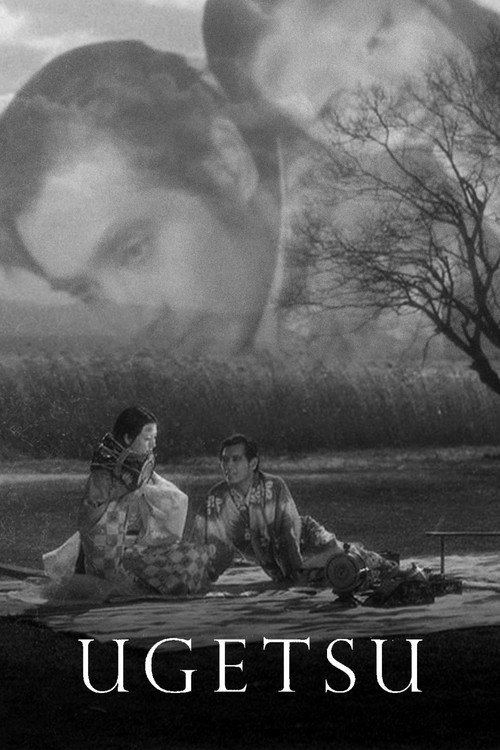
Ugetsu1953
Both films ask what happens when desire is finally, actually granted — Mizoguchi answers with ghosts and grief, Tarkovsky with doubt, but the moral question is identical.
A Japanese classic about men who leave home chasing wealth and desire, only to wander into a supernatural realm where getting what you want costs more than they understood — quiet, ghostly, morally exact.
But A folk ghost story rather than science fiction, and its black-and-white 1953 style will feel distant to some.
People
Cast
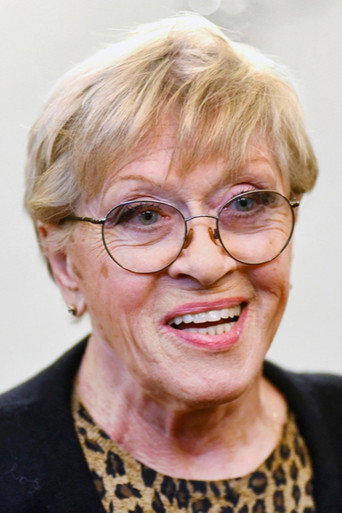 Alisa FreyndlikhStalker's Wife
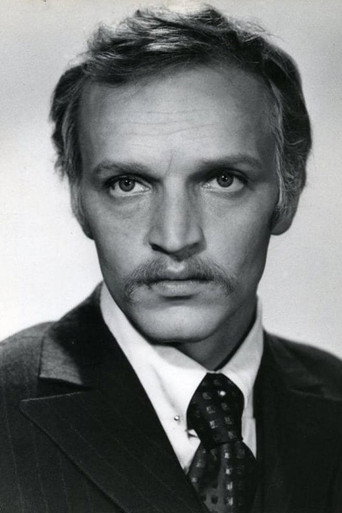 Aleksandr KaydanovskiyStalker
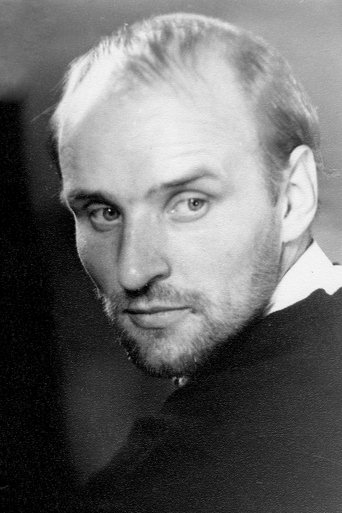 Anatoliy SolonitsynWriter
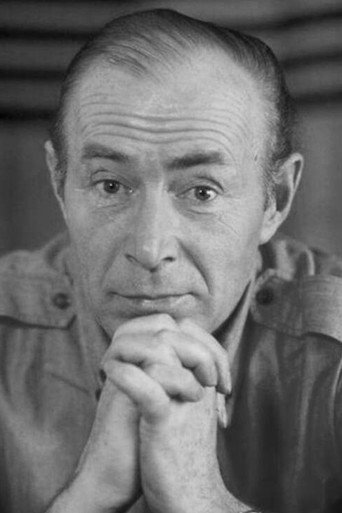 Mykola HrynkoProfessor
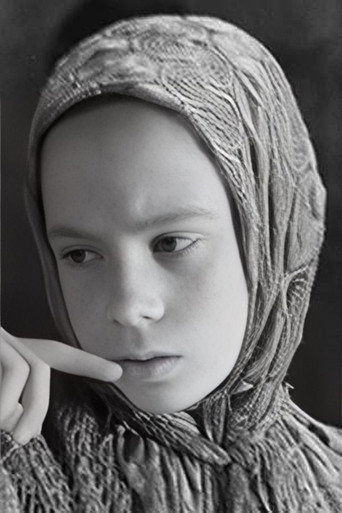 Natalya AbramovaMarta
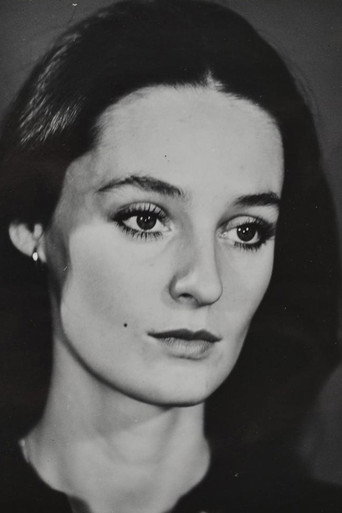 Faime JurnoWriter's Companion
- Evgeniy KostinLyuger, Owner of Cafe
- Raimo RendiPolice Patrol
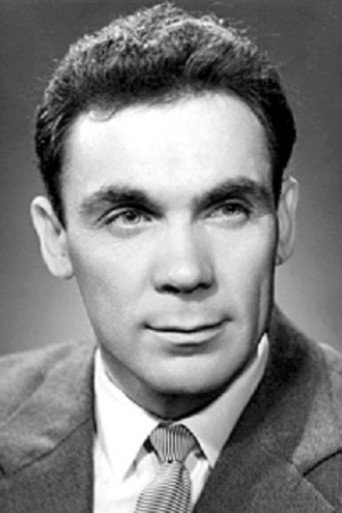 Vladimir ZamanskiyProfessor's Telephone Interlocutor (voice) (uncredited)
Directing
- Arvo IhoAssistant Director
- Evgeny TsymbalAssistant Director
- Konstantin LopushanskyAssistant Director
- Larisa TarkovskayaAssistant Director
- Mariya ChugunovaAssistant Director
- Andrei TarkovskyDirector
Writing
- Arseny TarkovskyAuthor
- Arkadiy StrugatskiyNovel
- Boris StrugatskiyNovel
- Andrei TarkovskyScreenplay
- Arkadiy StrugatskiyWriter
- Boris StrugatskiyWriter
Production
- Aleksandra DemidovaProducer
- Willie GellerProduction Manager
Recommended by
Interstellar, Solaris, Annihilation, Andrei Rublev, Quatermass and the Pit