
Film
Blood of the Beasts
- Body horror
- Very dark
A 23-minute French documentary from 1949 that cuts between the pastoral calm of Paris's outer suburbs and the methodical brutality of the slaughterhouses that feed the city. Shot in stark black and white, it's unflinching about what happens to cattle and horses, and what it costs the men who do the work. Essential viewing for anyone serious about cinema or food.
If you liked this
Night and Fog1956
Alain Resnais's 32-minute essay on Auschwitz uses montage and restraint to make the unbearable visible. Like *Blood of the Beasts*, it refuses to look away from systemic killing, but finds formal beauty in that unflinching gaze.
But The subject matter is horrifying and the emotional weight is immense. This is not a film that lets you off easy or offers catharsis.
Salesman1969
The Maysles brothers' documentary follows Bible salesmen with the same unflinching eye *Blood of the Beasts* turns on slaughterhouses—capturing mundane human systems at work, the small indignities and desperation underneath routine.
But It's slow and unglamorous. If you want narrative drive or uplift, you'll find neither. It simply observes.
Grey Gardens1976
Another Maysles film, but one that finds dark comedy and tragedy in the everyday degradation of two women living in filth and delusion. That mixture of the banal and the devastating echoes *Blood of the Beasts* perfectly.
But It's claustrophobic and deeply uncomfortable. The subjects are real people in real decline, and watching feels complicit.

Not sure tonight? Get a pick in a minute, starting from Blood of the Beasts
The wildcard
Something you would not have found on your own.
Bye Bye Brazil1980
Both films document the collision between pastoral or traditional worlds and systemic forces that devour them—but one is unflinching documentary and the other is lyrical fiction.
A Brazilian road movie about a traveling circus moving through the country as modernity encroaches. It has *Blood of the Beasts*' interest in how traditional life dies under industrial pressure, but frames it through color, music, and the picaresque instead of documentary gravity.
But It's episodic and dreamlike rather than direct. The political argument is embedded in mood, not stated. You have to meet it on its own terms or lose it.
More like this (8)
Chronicle of a Summer1961
Jean Rouch and Edgar Morin invented cinéma vérité with this film, asking Parisians what happiness means while the city moves around them. French, documentary, mid-century, and endlessly inventive about capturing lived reality.
But The style feels dated now, and some sequences veer into whimsy that undercuts the seriousness. The self-consciousness can wear thin.
Sans Soleil1983
Chris Marker's essay film moves through time and geography with the same poetic precision *Blood of the Beasts* applies to a single location. Meditative, formally brilliant, deeply humane about how we process violence and memory.
But There's no plot. It's a tone poem about death, modernity, and video. If you need narrative structure, you're lost immediately.

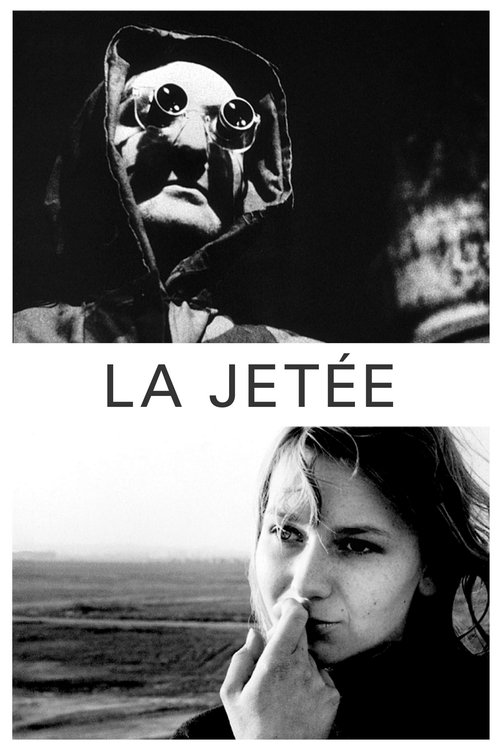
La Jetée1962
Marker again, but this time a science-fiction film told almost entirely through still photographs. Only 28 minutes long, it has the concentrated power of *Blood of the Beasts*—every frame carries weight, nothing is wasted.
But The premise is abstract and the pacing is glacial. The ending hits hard, but only if you've stayed present for the whole journey.
The Act of Killing2012
Joshua Oppenheimer makes a documentary where Indonesian death-squad leaders recreate their own murders. It's a radical form of unflinching witness—not hiding the horror behind distance, but sitting in the room with perpetrators facing what they've done.
But It's profoundly disturbing and sometimes feels unethical. The premise is controversial and the film offers no easy moral ground to stand on.

Stalker1979
Tarkovsky's science-fiction film moves at the pace of ritual, building spiritual and metaphysical weight through stillness and repetition. The formal rigor and moral seriousness will feel familiar if *Blood of the Beasts* moved you.
But It's 163 minutes of slow tracking shots and philosophical dialogue. Patience is not optional. Many viewers find it incomprehensibly boring.

Man with a Movie Camera1929
Dziga Vertov's silent Soviet film is a kaleidoscopic city symphony about work, life, and machines—made with the same documentary precision and formal invention as *Blood of the Beasts*, but celebratory instead of horrified. A ancestor worth knowing.
But It's silent, it's from 1929, and the editing is frenetic and sometimes hard to parse. The utopian Soviet ideology dates it badly.

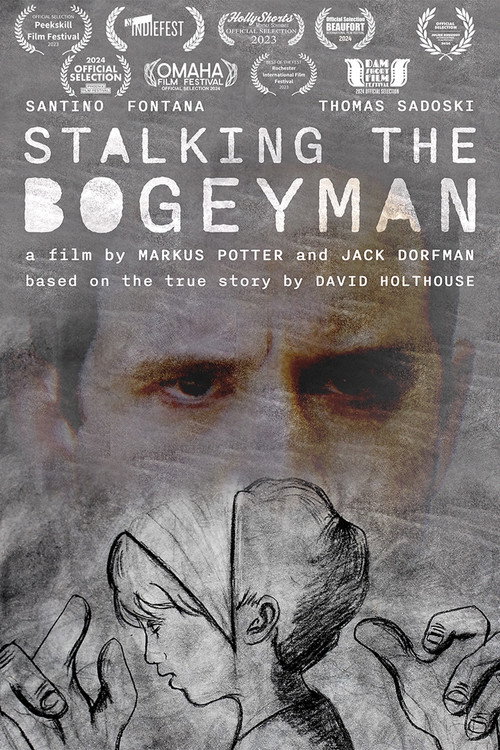
Stalking the Bogeyman
Both are short, rigorous documentaries that refuse euphemism or distance in the presence of cruelty. Both trust the viewer to sit with moral complexity.
A documentary about a man who confronts the man who sexually abused him as a child. It takes the unflinching witness ethic of *Blood of the Beasts* and turns it inward, asking whether truth is enough, whether confrontation heals or harms, without providing answers.
But The subject matter is harrowing abuse. The film doesn't resolve cleanly and will sit with you uncomfortably. It's unforgiving toward everyone involved, including the viewer.
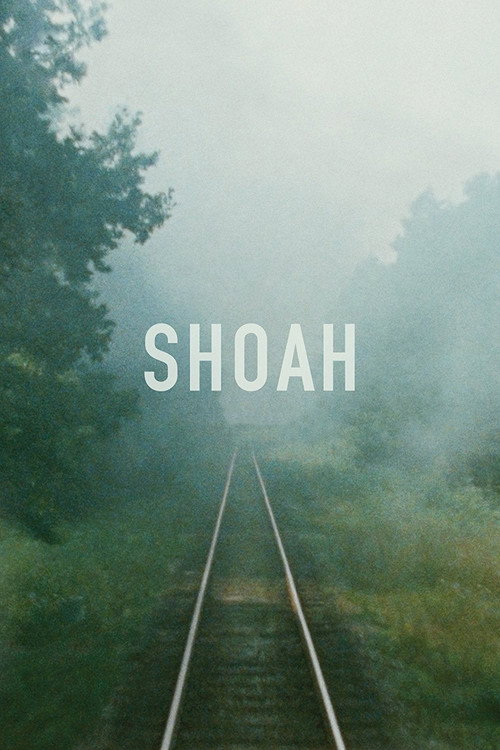
Shoah1985
Both reject mediation. Both trust that seeing clearly, without sentimentality or distance, is the only ethical response to systems of killing. Both demand time and attention as acts of respect for the dead.
Claude Lanzmann's nine-hour oral history of the Holocaust uses only interviews and location shooting—no archival footage, no narration. It builds unbearable witness through testimony and time. The formal restraint has the same moral power as *Blood of the Beasts*' unflinching gaze.
But It is nine hours long. It covers atrocity in granular detail. Many viewers find it punishing to watch, and there is no light in it.
People
Cast
- Georges HubertNarrator (voice)
 Nicole LadmiralNarrator (voice)
- Alfred MacquartHimself, horse slaughterer
- Maurice GriselleHimself, cow slaughterer
- André BrunierPoleaxer
- Henri FournelButcher
Directing
- André JosephAssistant Director
- Julien BonardierAssistant Director
- Georges FranjuDirector
Writing
- Georges FranjuWriter
- Jean PainlevéWriter
Production
- Paul LegrosProducer