
Film
Stalking the Bogeyman
A dark reckoning rooted in true crime: an investigative journalist confronts the man who assaulted him as a child, and plans his murder. Based on an acclaimed play, it's a tense, unflinching examination of trauma, revenge, and the weight of carrying violence inside you. For viewers willing to sit with moral complexity and real pain.
Should you watch it?
Watch it if you respond to unflinching character studies built on a single volatile voice, where a survivor's rage and obsession are examined rather than softened for comfort.
Skip it if the subject is hard going, and it lingers in its most painful headspace with little relief, especially if you need a clear moral map or any warmth.
What it asks of you: A tightly wound stretch of time that stays close to one man's head, with little room to breathe and no easy exit from its anger.
Not sure? Find tonight's pick in a minute.
If you liked this
Spotlight2015
Meticulous journalists uncover systemic abuse through patient investigation. Like Bogeyman, it's about trauma exposure and the power of refusing silence—but collective and redemptive rather than personal and vengeful.
But Procedural in pace; the catharsis is measured and institutional rather than explosive.

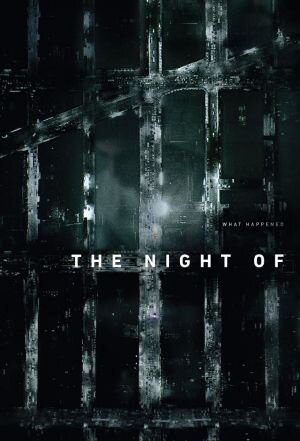
The Night Of2016
A man wrongly suspected of murder spirals through the justice system while grappling with his own capacity for violence. Shares the intimate interrogation of guilt, complicity, and what we're capable of when pushed.
But Slow-burn TV; it doesn't resolve cleanly, and the protagonist's arc is deliberately unsettling.
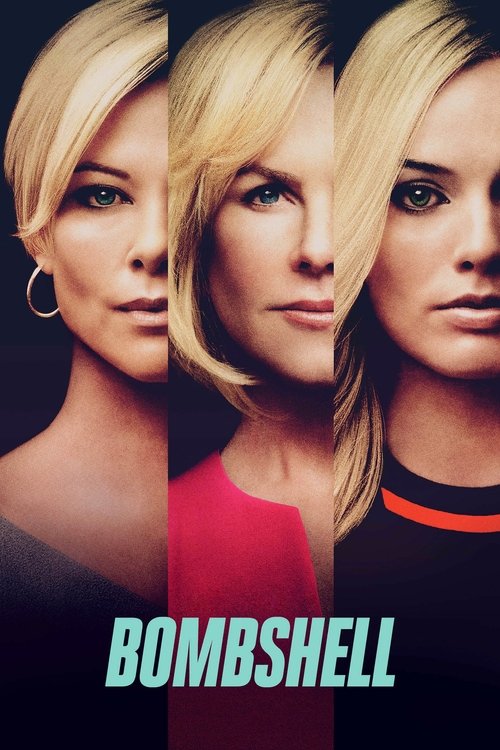
Bombshell2019
Women reckon with the men who've harmed them and choose accountability over revenge. Examines power, testimony, and the cost of speaking truth—arriving at reckoning through exposure rather than violence.
But Ensemble narrative dilutes individual perspective; some may find the corporate resolution too neat.
Not sure tonight? Get a pick in a minute, starting from Stalking the Bogeyman
The wildcard
Something you would not have found on your own.
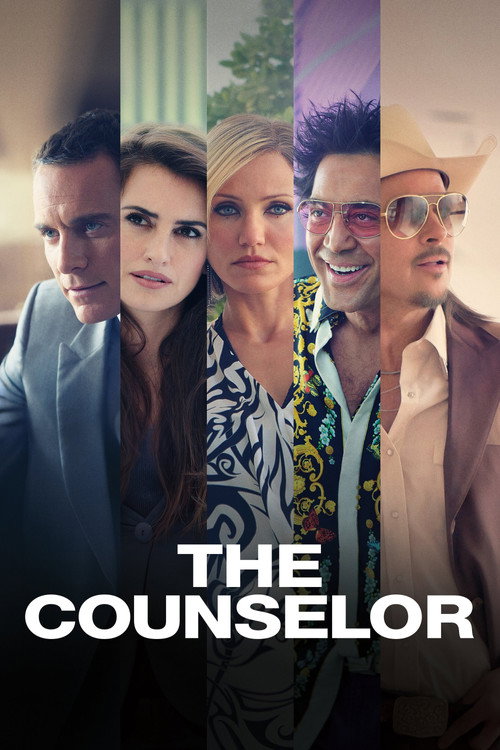
The Counselor2013
Both center on a intelligent man obsessed with reckoning for harm, but where Bogeyman plots action, Counselor meditates on why acting changes nothing. Different genres arriving at similar darkness.
A man descends into a criminal world built on past choices and moral debt. Unlike revenge narratives, it's anti-cathartic: violence is banal, philosophy is useless, and intention doesn't matter—only consequence.
But Aggressively abstract dialogue; Ridley Scott's worst review. Refuses conventional narrative satisfaction entirely.
More like this (7)
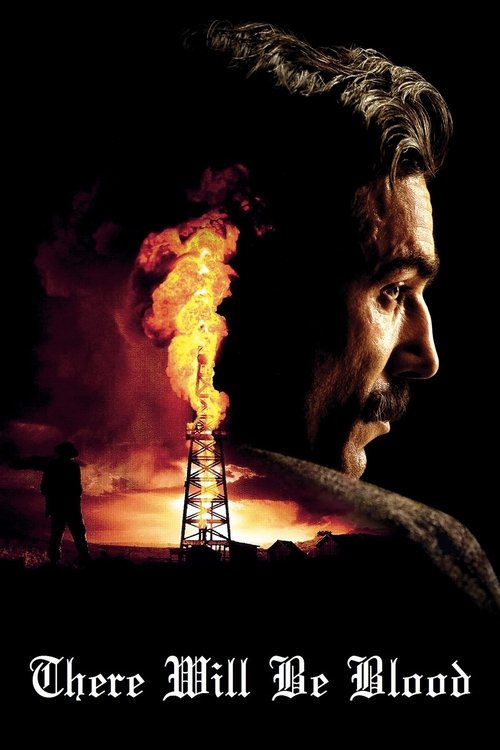
There Will Be Blood2007
A man consumed by obsession with another—tracking, studying, planning ruin. Visually stunning meditation on how vengeance warps the avenger into something monstrous and hollow.
But Three-hour slow burn with minimal dialogue; the violence is psychological rather than kinetic.
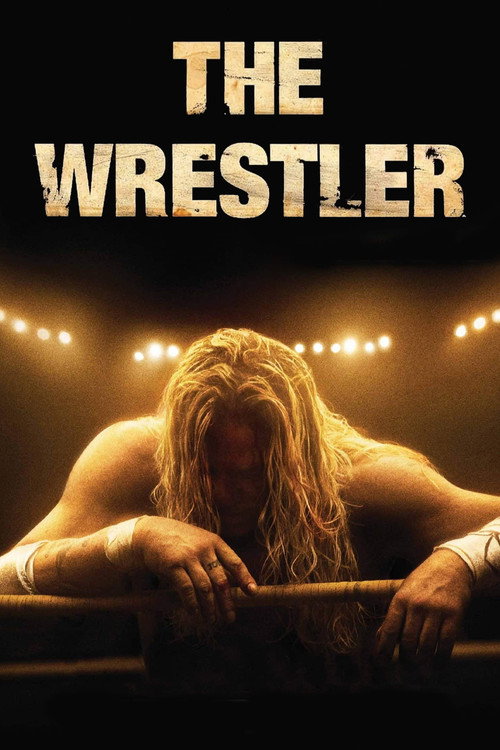
The Wrestler2008
Raw portrait of a man whose body and psyche are marked by past damage, trying to reckon with harm he's caused and harm done to him. Santino Fontana's co-star here brings similar rawness and physical vulnerability.
But Depressing and relentless; offers no redemption arc, only small mercies.
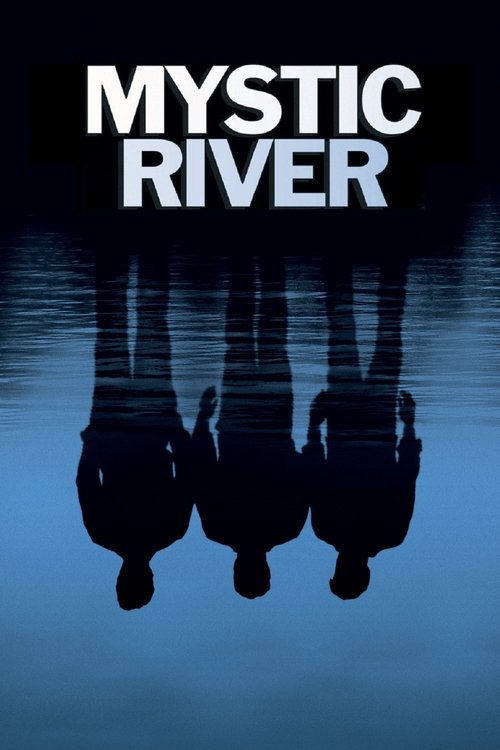
Mystic River2003
Childhood trauma shapes adult violence and paranoia in ways that feel inevitable and tragic. Three men haunted by an assault, each responding differently—explores how violation echoes across decades.
But Ensemble mystery structure can feel unfocused; the moral ambiguity may frustrate viewers wanting clarity.
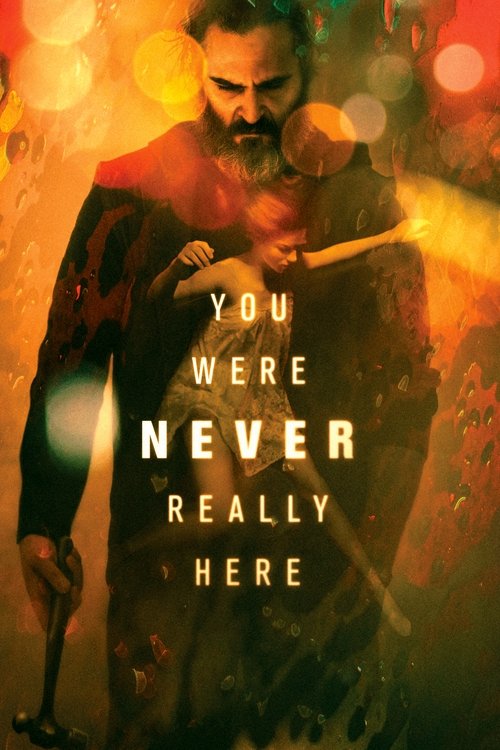
You Were Never Really Here2017
A damaged man uses violence to punish those who prey on children. Visceral, hallucinatory portrait of trauma made into a weapon—the imagery and sound design are almost unbearably intense.
But Extremely graphic and bleak; the protagonist's internal state is so fractured it's hard to follow emotionally.
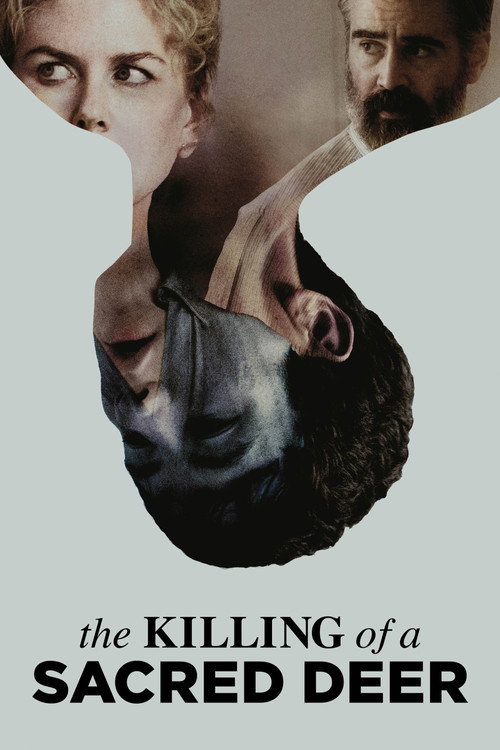
The Killing of a Sacred Deer2017
A man faces mysterious retribution for past wrongs, escalating toward an impossible moral choice. Clinical horror that interrogates guilt, debt, and whether violence can ever be a form of justice.
But Slow, stylized, deliberately cold—feels like watching a theorem play out rather than a human story.
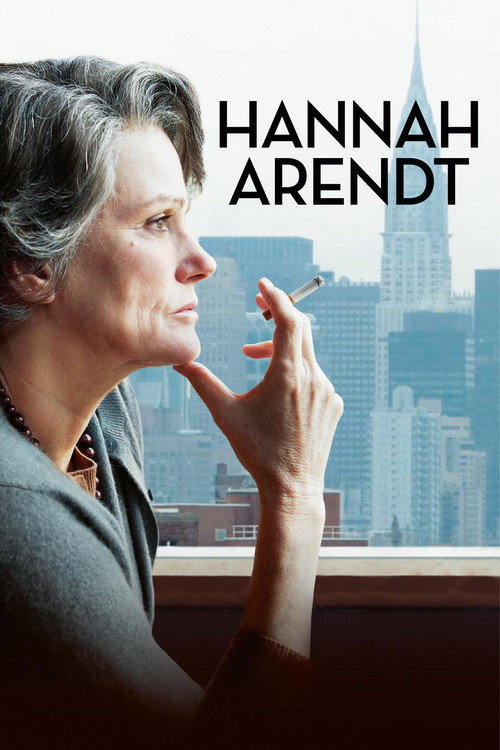
Hannah Arendt2012
Both ask: does naming and confronting a perpetrator absolve the victim, or transform them? Arendt argues it doesn't; Bogeyman tests that through action rather than argument.
A philosopher watches the Eichmann trial and grapples with 'the banality of evil'—whether understanding evil makes it excusable, whether justice requires catharsis. Intellectual, restrained, and morally vertiginous.
But A film about thinking, not doing. European pace; the climax is ideological rather than dramatic.
Kes1970
Bogeyman traces trauma made into weaponry; Kes shows the inverse—how attachment and presence heal what violence creates. Same subject of childhood marked by harm, opposite paths forward.
A young British working-class boy finds beauty and agency through training a hawk—a film about survival through small transcendence. Spare, poetic, free of sentimentality. Shows what thriving looks like after deprivation.
But Plot is minimal; the reward is mood and visual grace rather than narrative momentum. Dated dialect takes adjustment.

People
Cast
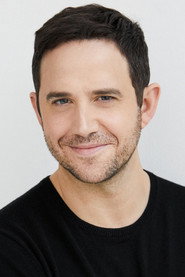 Santino FontanaDavid Holthouse
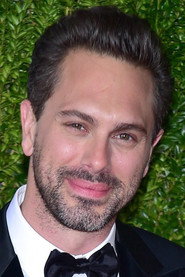 Thomas SadoskiBogeyman
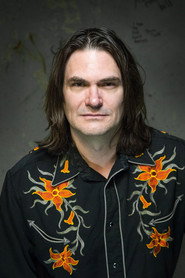 David HolthouseHimself
- Tennessee PotterYoung David
Directing
- Jack DorfmanDirector
- Markus PotterDirector
Writing
- David HolthouseWriter
- Jack DorfmanWriter
- Markus PotterWriter
Production
- Fabrizio EllisProducer
- Frederik EhrhardtProducer
- Markus PotterProducer
Recommended by
Villain, The Machine That Changed the World, Kings of the Road, The Blues, Tell No One, The Dog Stars, Blood of the Beasts