
Television series
The Blues
- Musical
- Slow-burning
Martin Scorsese's seven-part documentary series traces the blues from Delta folk tradition to global phenomenon, with each episode directed by a distinctive filmmaker exploring the genre through their own lens. It's a love letter to American music's most influential export, mixing performance, history, and personal testimony. Essential viewing for anyone curious about where modern music came from.
Should you watch it?
Watch it if you care about American roots music as a living tradition and enjoy seeing seven different filmmakers bring their own eyes to the same subject, with the music doing most of the talking.
Skip it if you want a tight, single-voice story, since this is a loose collection of seven episodes by different directors whose tones and pacing shift from one to the next.
What it asks of you: Roughly two hours spread across seven parts, unhurried and patient, with the music given room to play out, so settle into each episode rather than skimming.
Not sure? Find tonight's pick in a minute.
If you liked this
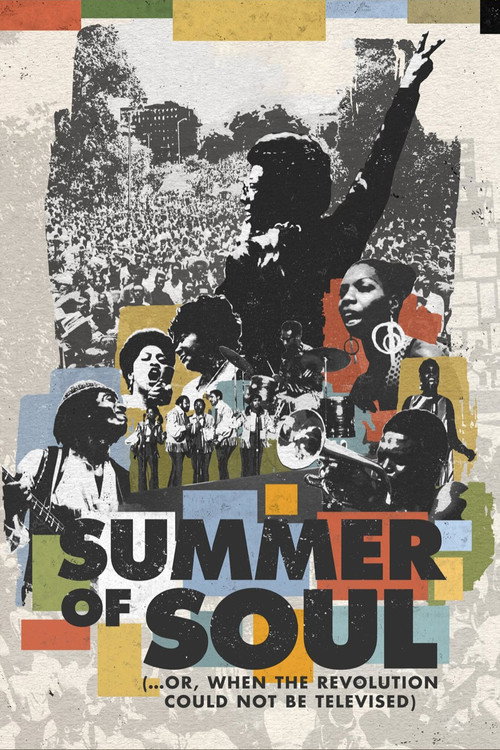
Summer of Soul (...Or, When the Revolution Could Not Be Televised)2021
Rediscovered footage of the 1969 Harlem Cultural Festival, radiating joy and political urgency. It's a document of a specific moment that reveals how much Black music and culture were erased from mainstream history.
But The film's power relies on shock at what was forgotten; if you already knew this history well, it lands differently.
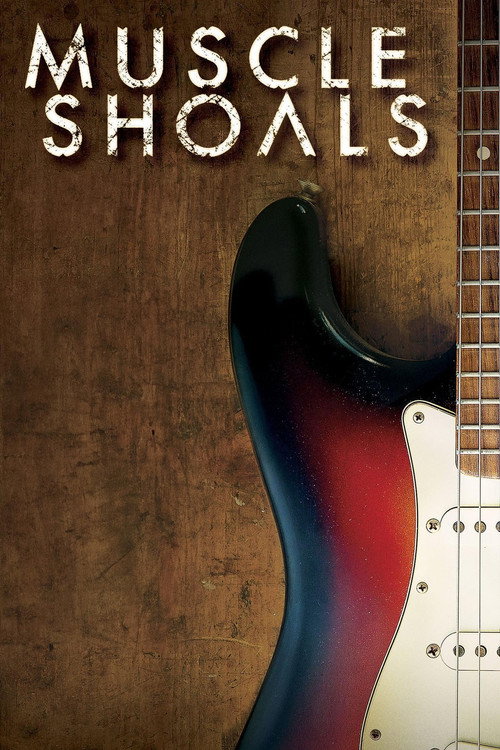
Muscle Shoals2013
A small Alabama studio became the engine room for soul, R&B, and country. The film captures the magic of place and the musicians who created it, with energy that never flags.
But It's more celebratory than critical; don't expect hard interrogation of the era's racial politics.
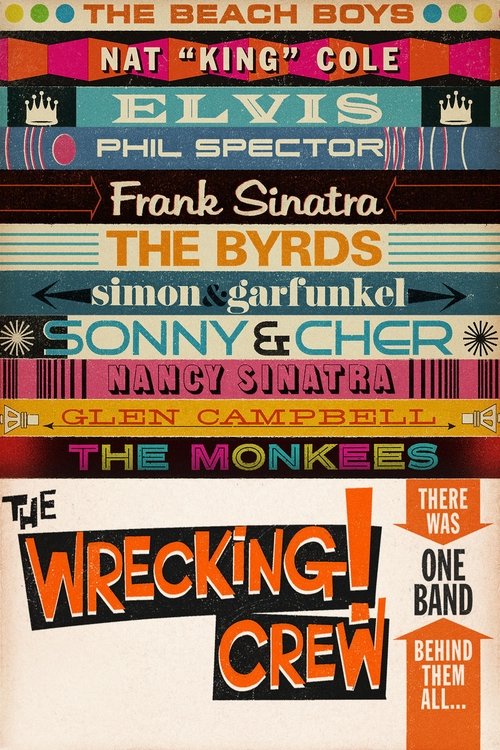
The Wrecking Crew2008
Documents the LA session musicians who played on countless hits, many of them blues-rooted. A reminder that behind every famous recording is invisible brilliance, often exploited and undercredited.
But It's narrower in scope than you might expect—focused on one scene in one era—so the blues connection is oblique rather than central.
Not sure tonight? Get a pick in a minute, starting from The Blues
The wildcard
Something you would not have found on your own.
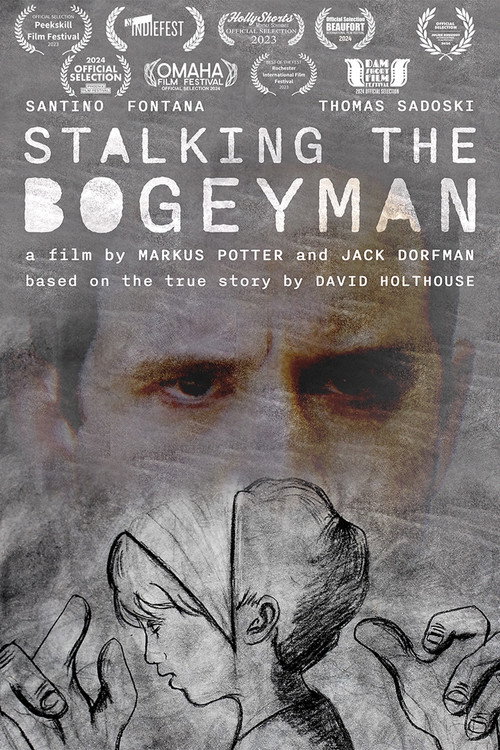
Stalking the Bogeyman
Both The Blues and this film understand that music emerges from necessary truth-telling about suffering; both prove that form serves function.
A documentary about a man confronting the uncle who abused him as a child—told partly through the subject's original punk-blues songs. It's a radical use of music as truth-telling and catharsis, proving the blues ethos (pain transmuted into art) is not genre-specific but a way of bearing witness.
But The subject matter is harrowing abuse; this is not entertainment but difficult emotional archaeology.
More like this (4)
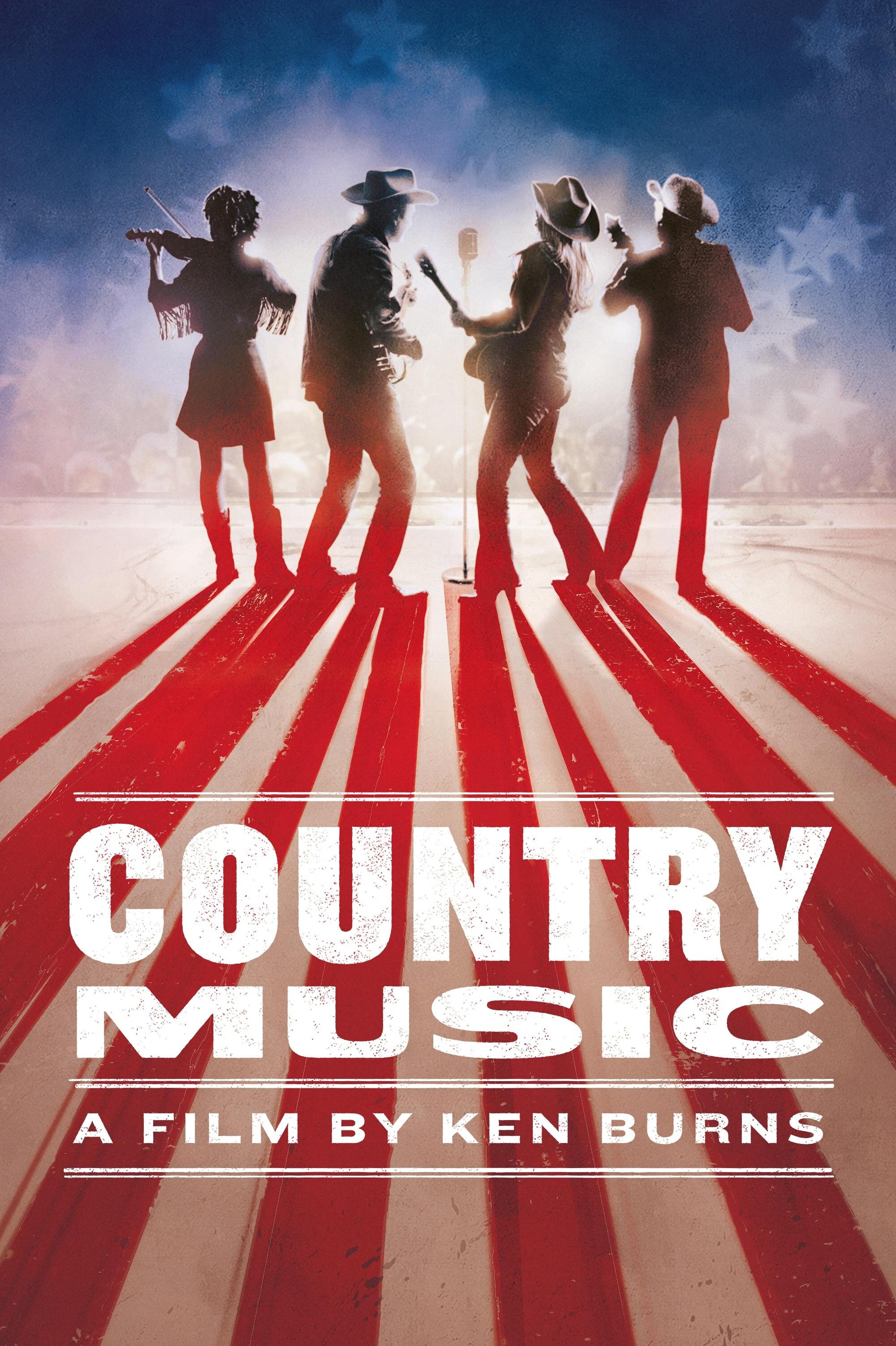
Country Music2019
Ken Burns and Lynn Novick's eight-hour epic showing how country and blues are siblings separated at birth, drawing from the same wells. The country chapters especially illuminate shared roots often written out of history.
But It's vast and demands patience; you'll need to return to it across multiple viewings.
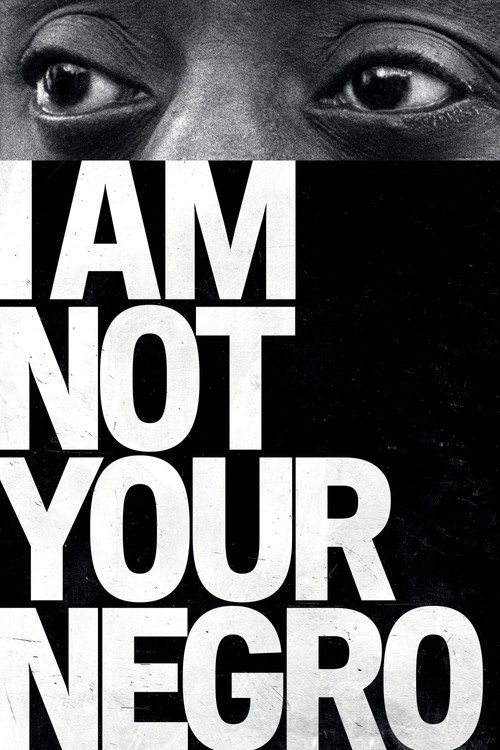
I Am Not Your Negro2017
Raoul Peck's essay film uses James Baldwin's writing and archival footage to interrogate American racism. Not about music, but essential for understanding the cultural stakes of everything in The Blues.
But It's devastating and angry; it doesn't offer comfort or resolution, only clarity about what was and what remains.
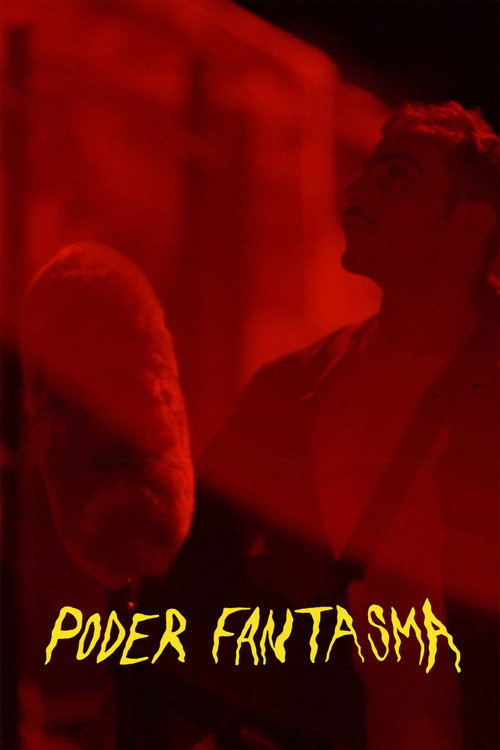
Phantom Power2019
Both explore music as a language that transcends individual stories to become collective memory and identity.
A three-part Icelandic series about a radio station in a small town, told with deadpan humor and genuine warmth. It has nothing to do with blues explicitly, but it captures something The Blues celebrates: music as the thread binding a community, as democracy, as the ordinary made sacred.
But It's quieter and stranger than you expect; if you want narrative thrust, you'll feel adrift.
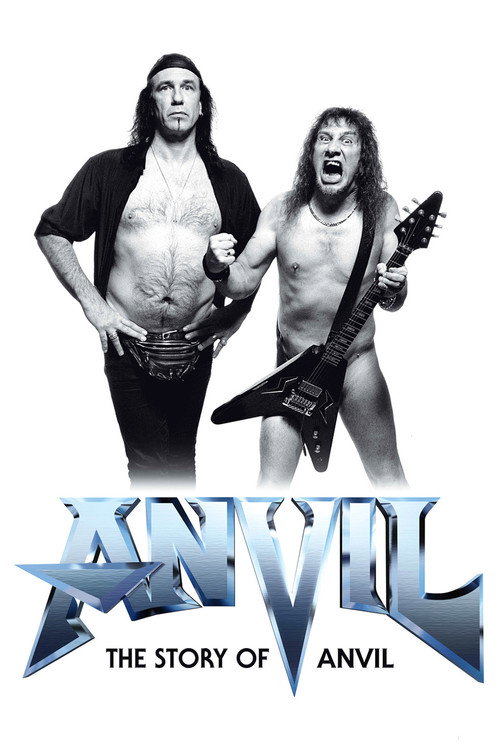
Anvil! The Story of Anvil2008
Both understand that the blues—as a spirit, not just a genre—lives wherever someone refuses to stop making art because it matters, not because it pays.
A Canadian heavy metal band's decades-long pursuit of recognition is, at its core, the same story as The Blues: ordinary working people making profound art in obscurity, driven by love alone. It's funny and heartbreaking in equal measure.
But If you don't connect with metal's sound, the film's emotional weight may not land; it requires you to honor the music even if it's not yours.
People
Production
- Martin ScorseseExecutive Producer