
Film
I Am Not Your Negro
Built entirely from James Baldwin's unfinished manuscript, read by Samuel L. Jackson over archival footage, home movies, and Hollywood clips, this is an essay film rather than a biography — one sustained, devastating argument about the mythology America tells itself. Dense and demanding, it rewards close attention and offers no easy catharsis. For anyone willing to sit with hard ideas, not just hard history.
If you liked this
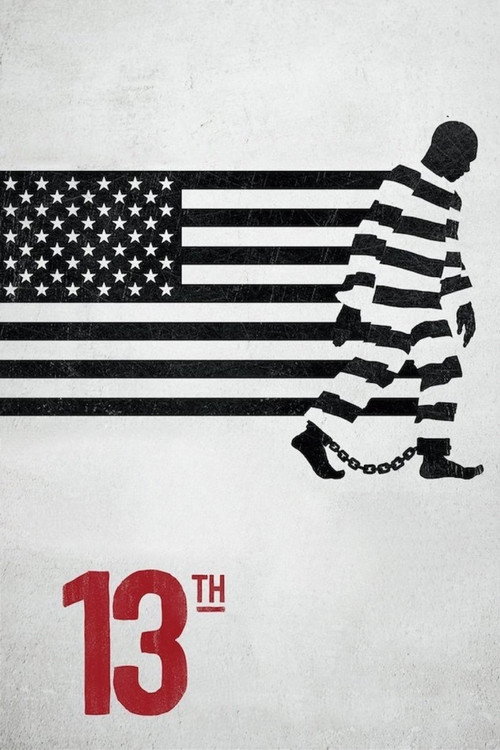
13th2016
Ava DuVernay traces a direct line from slavery to mass incarceration with the same unflinching intellectual rigor Baldwin brings, using archive and interview to build an argument, not a plot.
But The pace is relentless and the tone rarely lets up, so it can feel like sustained argument rather than a film.
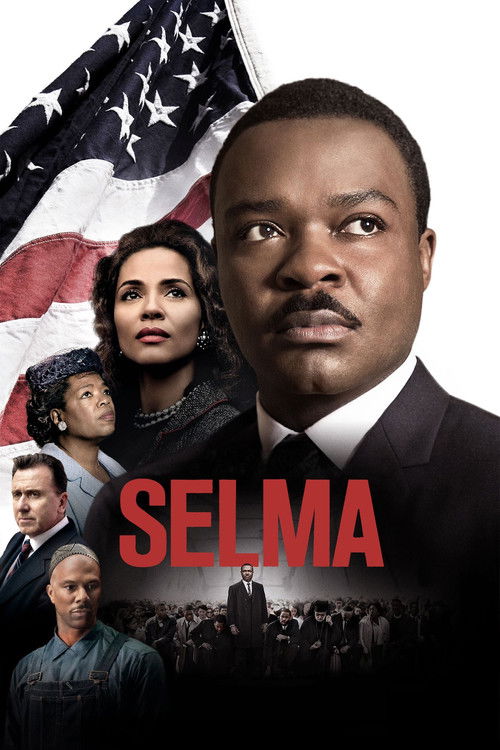
Selma2014
A conventional biopic in the best sense: gripping, focused, and anchored by David Oyelowo's performance as King, it dramatizes the machinery of nonviolent resistance Baldwin analyzed from a different angle.
But It's a traditional awards-season drama, and after Peck's essay film its straightforward storytelling might feel almost too tidy.
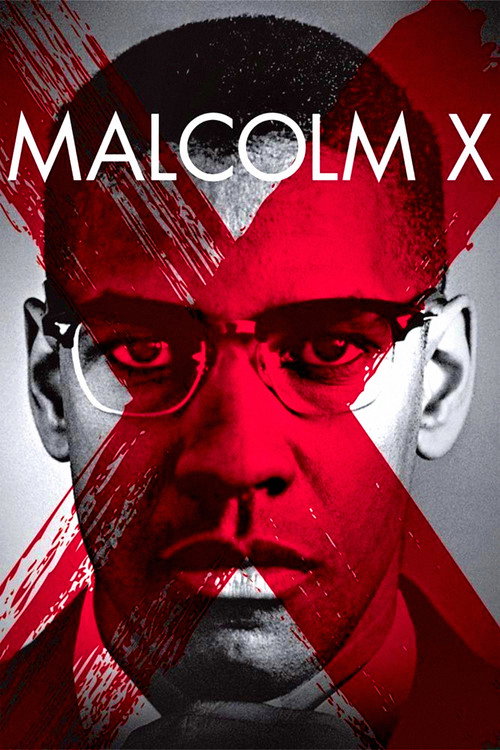
Malcolm X1992
Spike Lee's epic biopic gives the man Baldwin quotes throughout his own three-hour reckoning with American history, with Denzel Washington delivering one of cinema's greatest, most electric performances.
But Three hours is a commitment, and its classical biopic structure is a different rhythm than the collage you just watched.
The wildcard
Something you would not have found on your own.
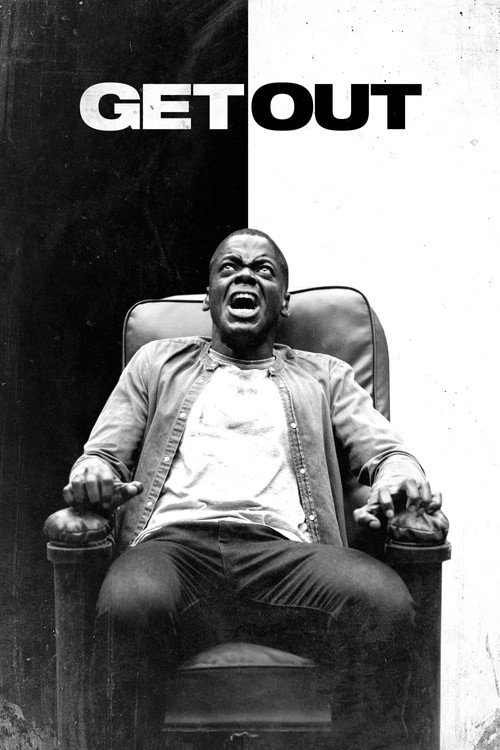
Get Out2017
Same diagnosis of the white liberal gaze Baldwin spends the whole film dissecting, just dramatized as B-movie horror instead of essay.
Jordan Peele smuggles Baldwin's core argument — that white America's gaze on Black bodies is possessive, extractive, and violent — into a horror movie so effective people forget it's an argument at all.
But If you came for sober documentary, a jump-scare horror movie about hypnosis and body-snatching might feel like a tonal 180.
More like this (7)
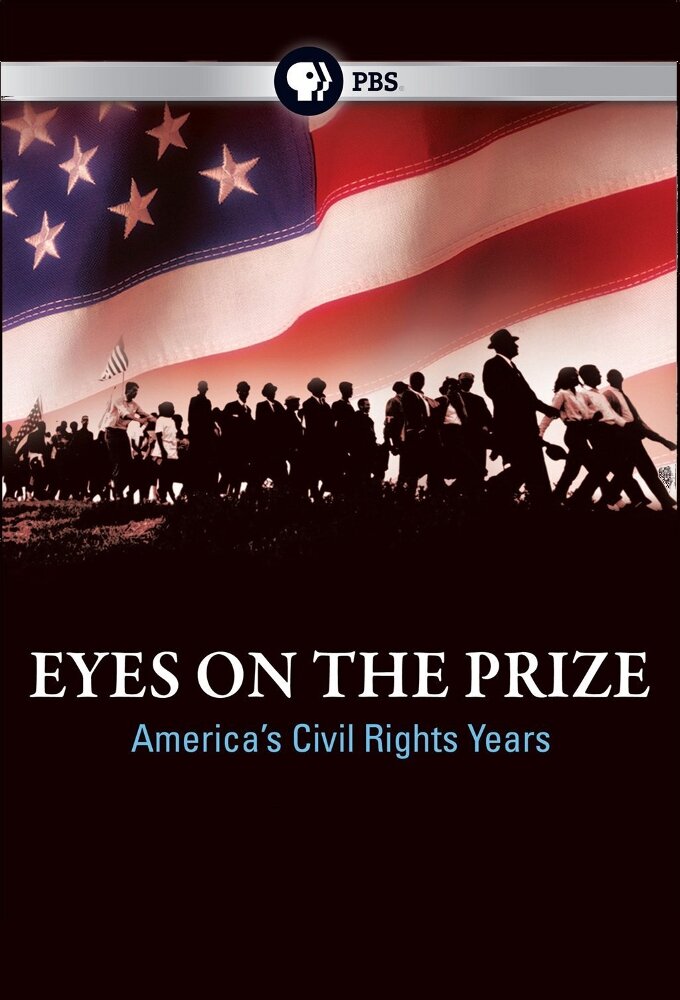
Eyes on the Prize1987
The definitive archival history of the civil rights movement, told week by week in first-person testimony; it's the raw material Baldwin was reacting to, laid out in full.
But Fourteen hours across two series is a serious undertaking, and its restrained PBS style is deliberately unshowy.
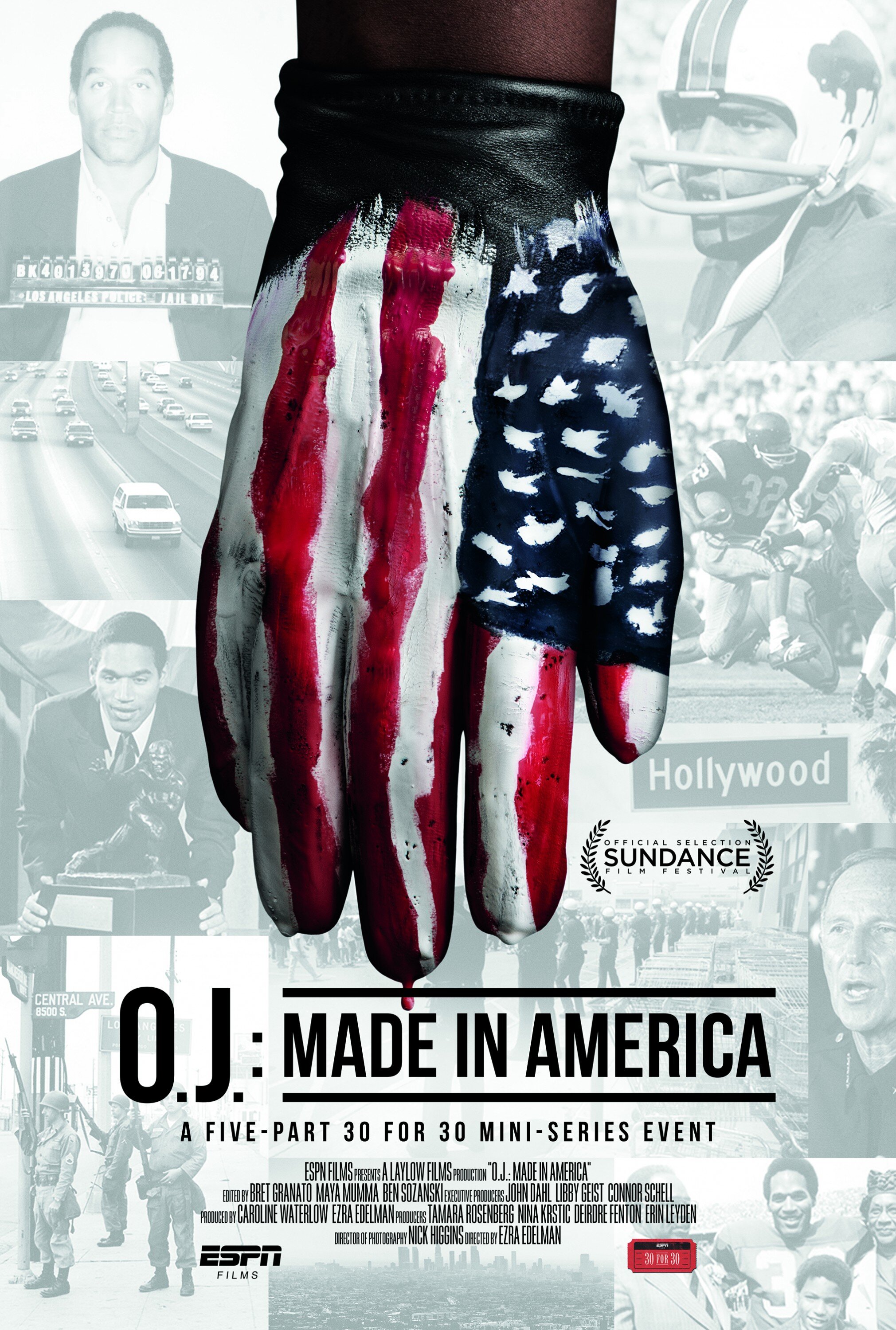
O.J.: Made in America2016
Ezra Edelman uses one man's rise and fall to dissect race, celebrity and the LAPD with the same insistence that individual stories are never just individual.
But At nearly eight hours it's a huge investment, and the tabloid material can feel a long way from Baldwin's register.
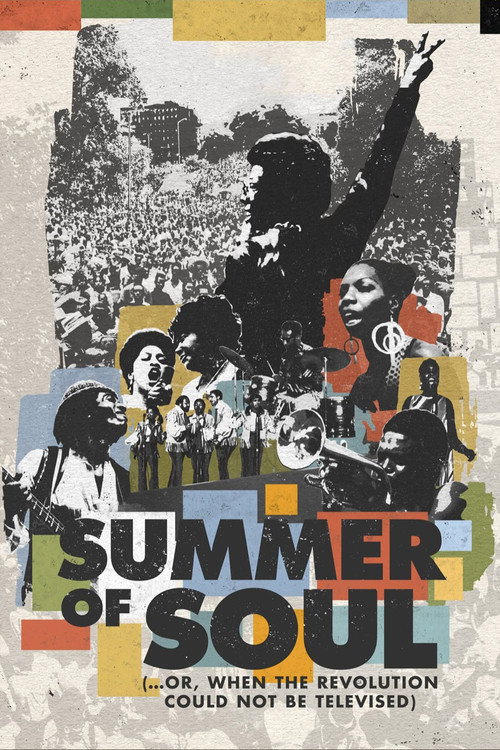
Summer of Soul (...Or, When the Revolution Could Not Be Televised)2021
Questlove resurrects the 1969 Harlem Cultural Festival from forgotten footage, a joyous, electric counterpoint that shows Black American life in celebration rather than only in struggle.
But It's lighter and more purely pleasurable than Baldwin's film, so if you want more confrontation this won't quite deliver it.
King in the Wilderness2018no page yet
A close, intimate portrait of King's final, most doubt-filled years, built entirely from the people who were actually in the room with him as history closed in.
But Its narrow focus means you won't get the wider historical sweep that Baldwin's film provides across decades.
The Black Power Mixtape 1967-19752011no page yet
Swedish journalists filmed the movement as outsiders looking in, and the newly added narration turns their footage into another kind of essay film, formally close cousin to Peck's approach.
But The Swedish-TV footage is uneven in quality and the framing device can feel a little thin stretched over 90 minutes.
Whose Streets?2017no page yet
Ferguson's uprising told entirely by the people who lived it, on the ground with phones and cameras, an on-the-street answer to the question of what happened after King and Malcolm.
But It's raw and unpolished by design, which some viewers read as urgent and others as formally rough.
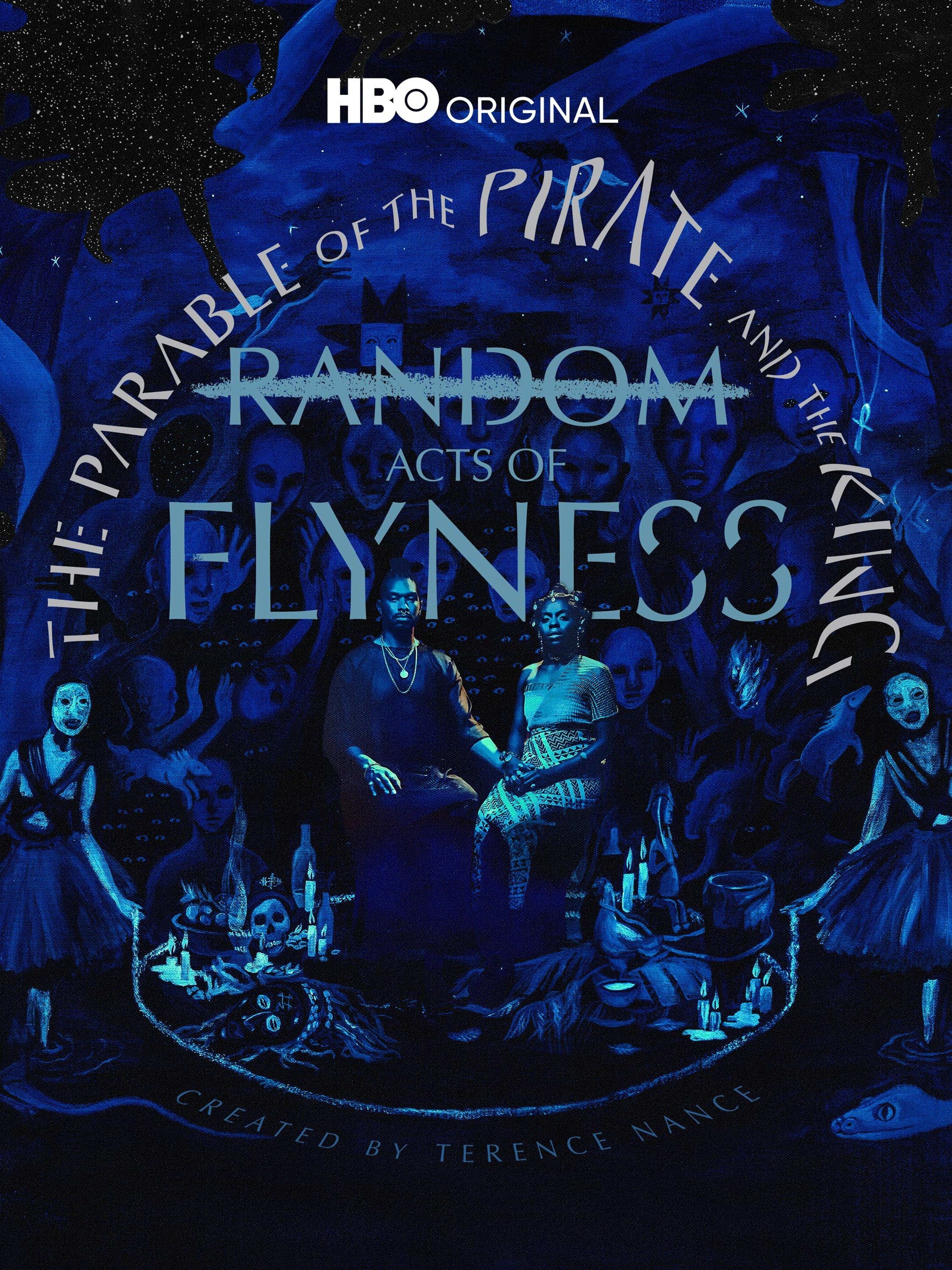
Random Acts of Flyness2018
Where Peck builds a single sustained essay, Nance shatters the same subject into dream logic and sketch comedy — proof the argument can survive almost any format.
Terence Nance's surreal, genre-hopping HBO anthology sketches out grief, rage, and absurdity around race in America with the same restless formal invention Peck brings to archive footage.
But It's deliberately fragmented and abstract, more mood and provocation than argument, and can feel opaque on first watch.
People
Cast
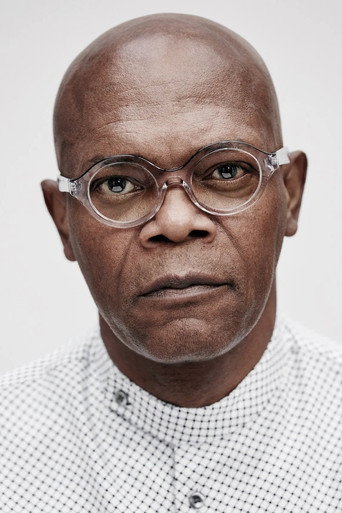 Samuel L. JacksonNarrator (voice)
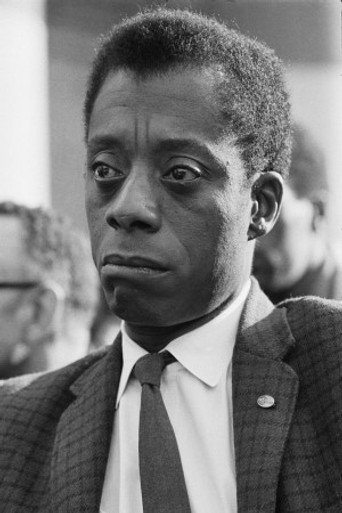 James BaldwinSelf (archive footage)
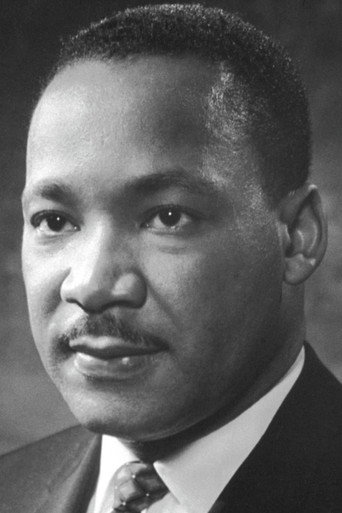 Martin Luther King Jr.Self (archive footage)
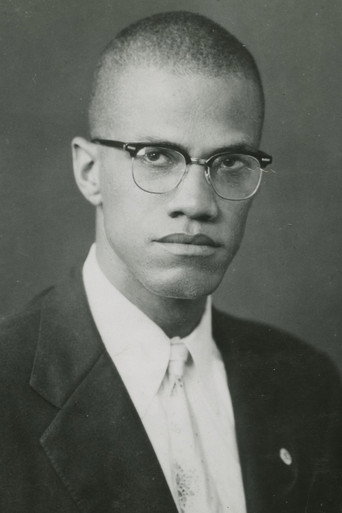 Malcolm XSelf (archive footage)
 Arnold SchwarzeneggerSelf (archive footage)
 Billy Dee WilliamsSelf (archive footage)
 Rod SteigerSelf (archive footage)
Directing
- Raoul PeckDirector
Writing
- Raoul PeckScenario Writer
- James BaldwinWriter
Production
- Joëlle BertossaCo-Producer
- Patrick QuinetCo-Producer
- Audrey RosenbergConsulting Producer
- Hébert PeckProducer
- Raoul PeckProducer
- Rémi GrelletyProducer
- Amy Shatsky-GambrillSupervising Producer
Recommended by
RBG, Blazing Saddles, The Central Park Five, 13th, black-ish, If Beale Street Could Talk, Summer of Soul (...Or, When the Revolution Could Not Be Televised), Sankofa, One Night in Miami..., Green Book, Do the Right Thing, Malcolm X, Eyes on the Prize, Slavery by Another Name, Muhammad Ali, The Butler, 4 Little Girls, A Raisin in the Sun, Random Acts of Flyness, American Promise, The Color Purple