
Film
Sankofa
Sankofa yanks a fashion shoot in Ghana into the hold of a slave ship, then onto a plantation, collapsing past and present into one continuous wound. Gerima's film is less narrative than incantation — part historical drama, part spiritual reckoning, shot through with ritual and fury. It's punishing by design, built to implicate rather than entertain.
If you liked this
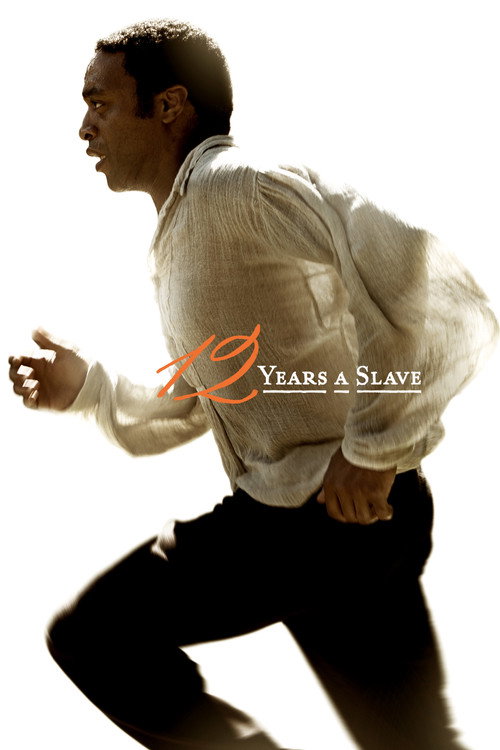
12 Years a Slave2013
Steve McQueen's adaptation of Solomon Northup's memoir shares Sankofa's refusal to look away, rendering slavery's daily cruelty with clinical, unflinching precision. It's the closest mainstream cinema has come to matching Gerima's moral seriousness.
But It's gruelling by design, and the awards-season polish can feel at odds with material this raw.
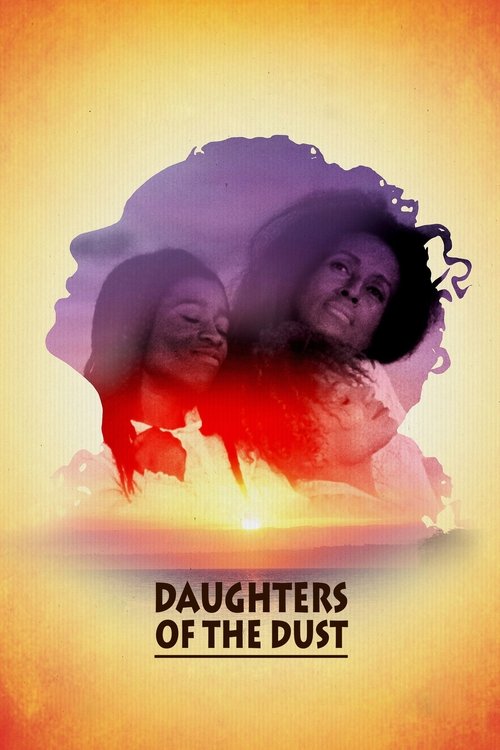
Daughters of the Dust1991
Julie Dash's film, shot around the same time Sankofa was made, uses similar tools — nonlinear time, ancestral spirits, Gullah ritual — to tell a gentler, more lyrical story of inherited memory.
But Almost plotless and dreamlike; if you need forward momentum, this will test your patience.
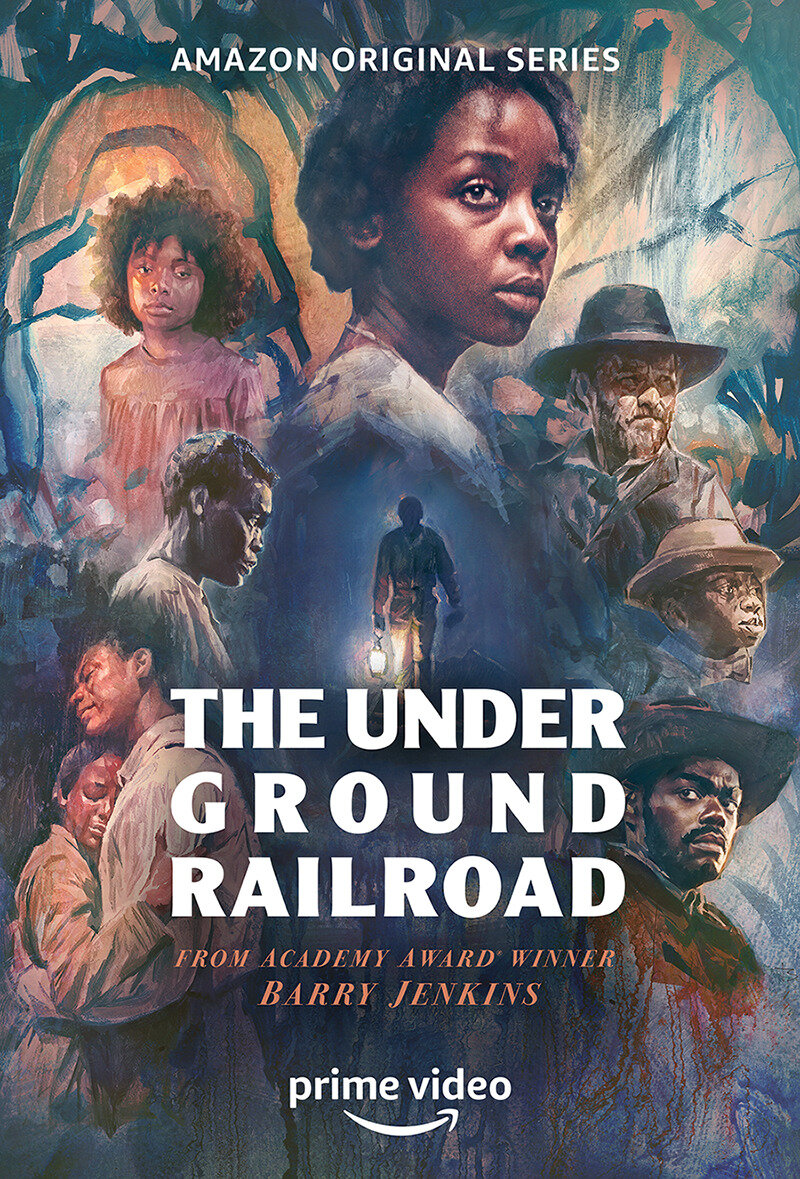
The Underground Railroad2021
Barry Jenkins turns Colson Whitehead's novel into ten hours of magical-realist odyssey, treating the underground railroad as literally underground — surreal, painterly, with the same appetite for myth as Sankofa.
But Slow, artful, and unhurried across ten episodes — a commitment, not a binge.
The wildcard
Something you would not have found on your own.
Ganja & Hess1973no page yet
Both films use ritual objects and ancestral Africa as a portal into a wound that won't heal; Gunn just tells it as vampire myth instead of time travel, blood-hunger standing in for Sankofa's spiritual possession.
Bill Gunn's blaxploitation-era arthouse horror imagines Black immortality as curse, not gift — a wealthy anthropologist infected by an ancient African dagger becomes a vampire haunted by hunger and history. Gorgeous, hallucinatory, deadly serious under its genre skin.
But Slow, fragmented, and genuinely strange — more mood poem than horror movie, and it will frustrate anyone wanting scares.
More like this (8)
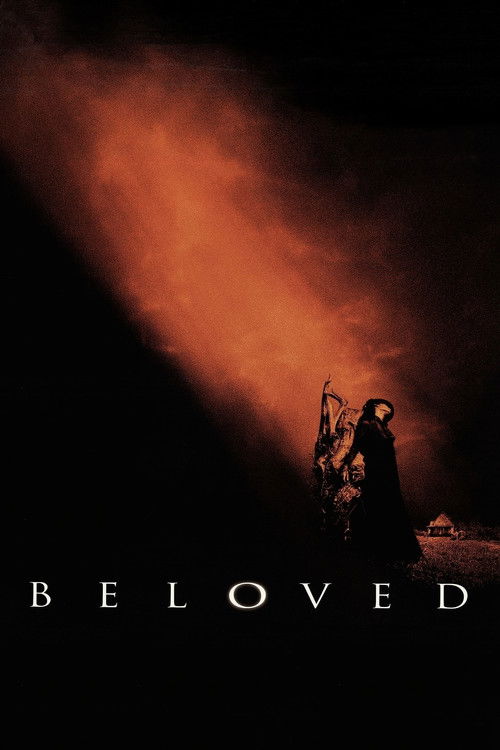
Beloved1998
Toni Morrison's novel, adapted with Oprah Winfrey and Jonathan Demme, turns slavery's aftermath into a literal haunting — the past as ghost demanding to be fed. Its ideas about memory and possession rhyme with Sankofa's.
But Overlong and tonally strange in places; critics were divided on whether the horror elements land.
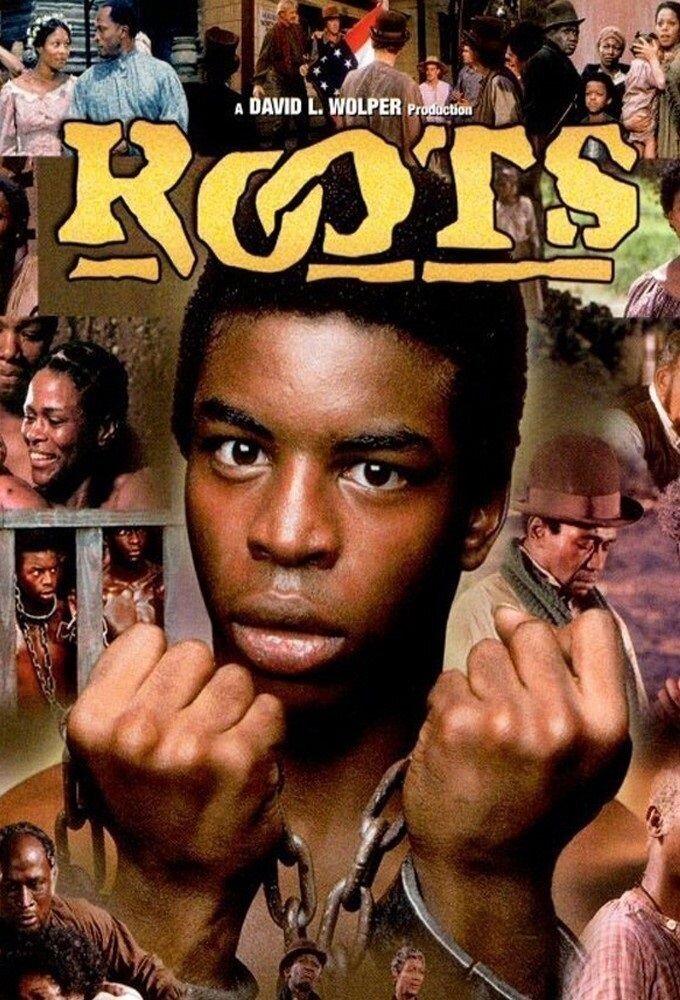
Roots1977
The miniseries that first brought slavery into American living rooms on a mass scale, tracing one family across generations. Sankofa's insistence on lineage and return has roots, quite literally, right here.
But Some of the filmmaking shows its age, and the pacing is very much of its era.
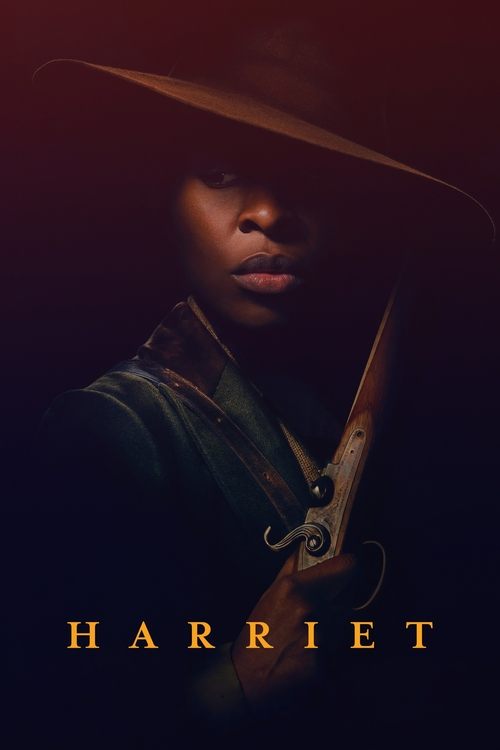
Harriet2019
Cynthia Erivo's Tubman is defiant rather than sorrowful, and the film leans into vision and prophecy — a hopeful mainstream counterpart to Sankofa's insistence that the past can be reclaimed, not just mourned.
But Plays it fairly safe structurally; don't expect anything as formally daring as Sankofa.
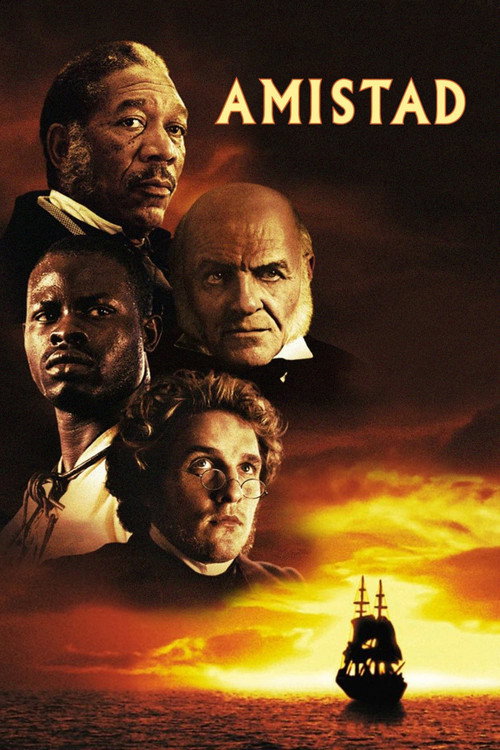
Amistad1997
Spielberg's courtroom drama about a slave ship rebellion shares Sankofa's interest in resistance as much as suffering, and its ocean-crossing horror sequences are as brutal as anything in Gerima's film.
But The courtroom-drama structure and Spielberg's sentimentality soften some of the story's edges.
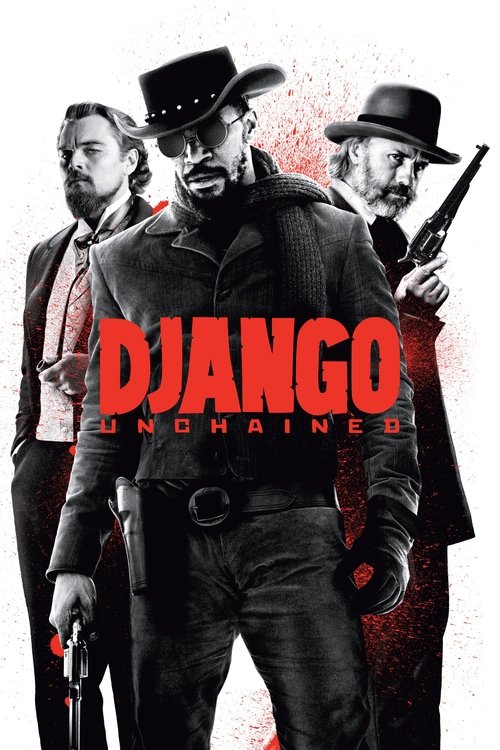
Django Unchained2012
Tarantino's revenge western imagines a Black hero taking violent retribution against slavers — a pulpy, cathartic inversion of Sankofa's more spiritual mode of reckoning with the same history.
But Gleefully violent and jokey in ways some viewers find disrespectful to the subject matter.
Antebellum2020no page yet
A modern woman finds herself trapped on an antebellum plantation in this time-slip thriller — essentially Sankofa's premise filtered through horror-movie mechanics and a twist ending.
But Critically savaged for using slavery's imagery as shock rather than substance; the weakest link here.
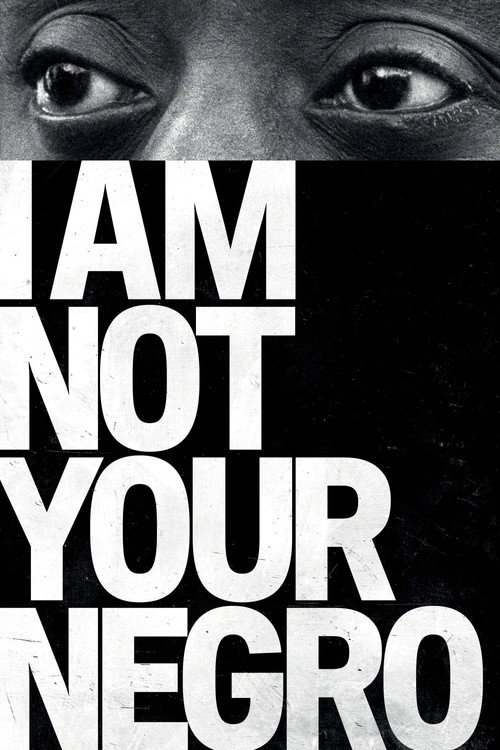
I Am Not Your Negro2017
Sankofa insists history is not over; Baldwin's text does the same thing in a different register, collapsing decades of footage into one continuous present tense of grief and anger.
Raoul Peck builds a documentary entirely from James Baldwin's unfinished manuscript, his voice narrating American racism as a history that refuses the past tense. Essay filmmaking at its most urgent, and it never flinches.
But No reenactments, no plot — just Baldwin's prose and archival footage, which can feel relentless rather than cinematic.
Kindred2022no page yet
Same mechanism as Sankofa — a modern Black woman thrown bodily into slavery's past — but told as an ongoing science-fiction serial rather than a single ritual, testing whether the device survives being stretched across hours.
Octavia Butler's novel finally gets a proper adaptation: a Black woman is yanked between present-day LA and antebellum Maryland whenever her ancestor's life is in danger. It's Sankofa's device, run through prestige sci-fi machinery.
But The show was cancelled after one season and ends mid-story, which is its own kind of historical injustice.
People
Cast
- Kofi GhanabaSankofa
- Alexandra DuahNunu
- Nick MedleyJoe
- MutabarukaShango
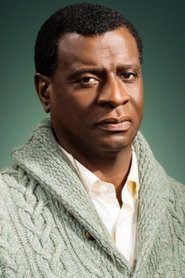 Afemo OmilamiNoble Ali
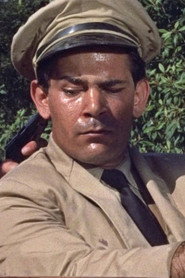 Reginald CarterFather Raphael
- MzuriLucy
- Jimmy Lee SavageMussa
- Hasinatu CamaraJumma
- Jim FairclothJames
- Stanley MichelsonMr. Lafayette
Directing
- Andrew MillingtonAssistant Director
- Babeto MatthewsAssistant Director
- Haile GerimaDirector
Writing
- Haile GerimaWriter
Production
- Shirikiana AinaCo-Producer
- Ada Marie BabinoLine Producer
- Haile GerimaProducer
- Charles NuckollsProduction Manager
Recommended by
12 Years a Slave, Daughters of the Dust, Beloved, The Underground Railroad