
Film
Quilombo
Quilombo is a sweeping 1984 historical epic about a 17th-century Brazilian settlement founded by escaped slaves and other outcasts, which briefly flourished as an early democratic society before colonial powers moved to crush it. Director Carlos Diegues tells this almost-forgotten story with operatic ambition and visual splendor, making it both a thrilling account of resistance and a pointed mirror held up to Brazil's present. Essential viewing for anyone interested in how history erases its own contradictions.
If you liked this
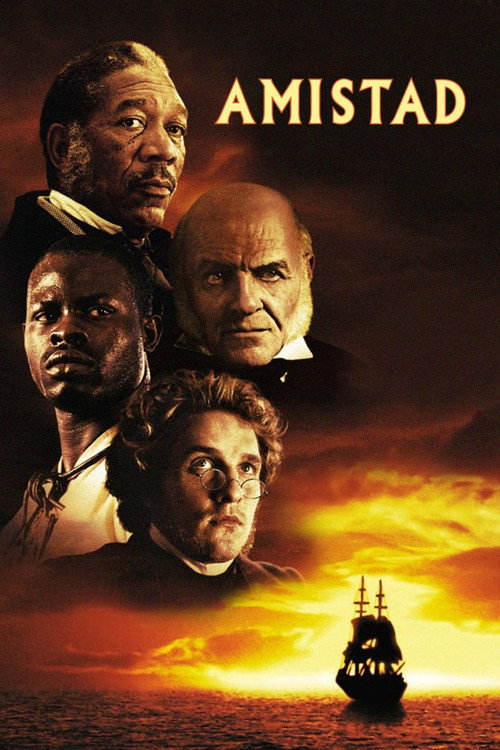
Amistad1997
Spielberg's account of enslaved Africans who seize control of a ship and fight for their freedom in court. Like Quilombo, it centers Black agency and rebellion rather than white saviors, with genuine moral complexity and rousing courtroom drama.
But The film can feel overtly engineered for awards consideration, and some scenes veer toward sentimentality rather than letting the story breathe on its own.
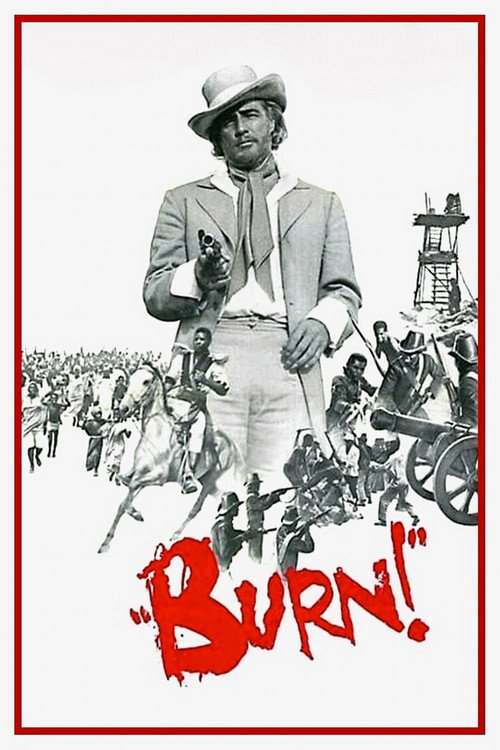
Burn!1969
Gillo Pontecorvo's incendiary film about colonialism, rebellion, and the corrupting logic of revolution in a Caribbean sugar colony. Marlon Brando plays a colonial agitator; the moral ambiguity is sharper and more unsettling than most political dramas.
But It's a dense, polemical film that can feel didactic, and some viewers find Pontecorvo's style remote or overly intellectual for comfort.
Harakiri1962
Masaki Kobayashi's masterpiece about ritual suicide in feudal Japan becomes a coruscating critique of a system that demands death to uphold honor. Like Quilombo, it interrogates how power destroys the very people it claims to elevate, with devastating formal precision.
But Harakiri is austere, slow-moving, and ends in tragedy. It's a film that demands patience and offers no catharsis, only clarity.

Not sure tonight? Get a pick in a minute, starting from Quilombo
The wildcard
Something you would not have found on your own.
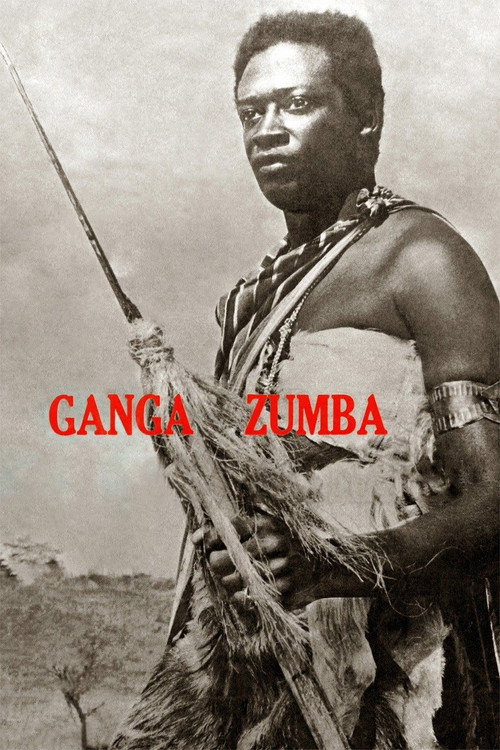
Ganga Zumba1963
Same historical subject, radically different artistic vision—proof that the truth of Quilombo is complex enough to sustain multiple interpretations.
This earlier film about the same historical figure and settlement predates Diegues's version by two decades. It offers a completely different aesthetic and political lens on the same events—a direct conversation across time about how we mythologize resistance and heroism.
But The print quality is often poor, and it's difficult to find outside of specialized collections or festivals. The pacing reflects 1960s Brazilian cinema, which may feel glacial to modern viewers.
More like this (8)
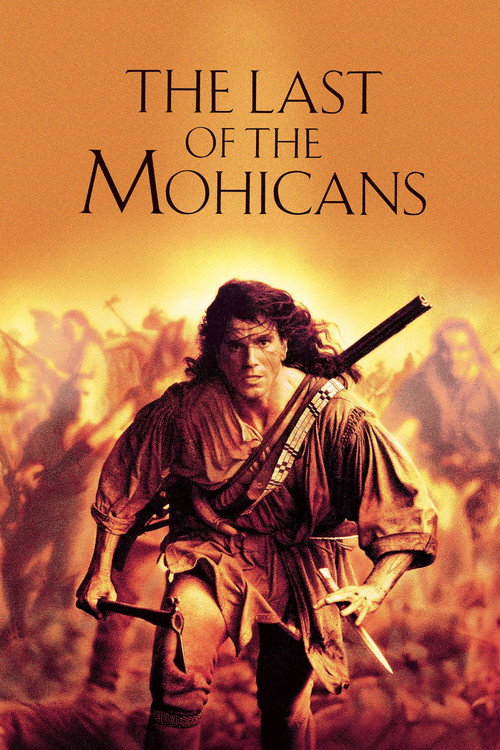
The Last of the Mohicans1992
Michael Mann's action-epic about indigenous resistance during the French and Indian Wars has real stakes and genuine political bite beneath the adventure. The cinematography is gorgeous, and the fight choreography is kinetic without being cartoonish.
But It simplifies some historical nuance to serve the narrative, and some may find the action sequences distract from the film's political concerns.
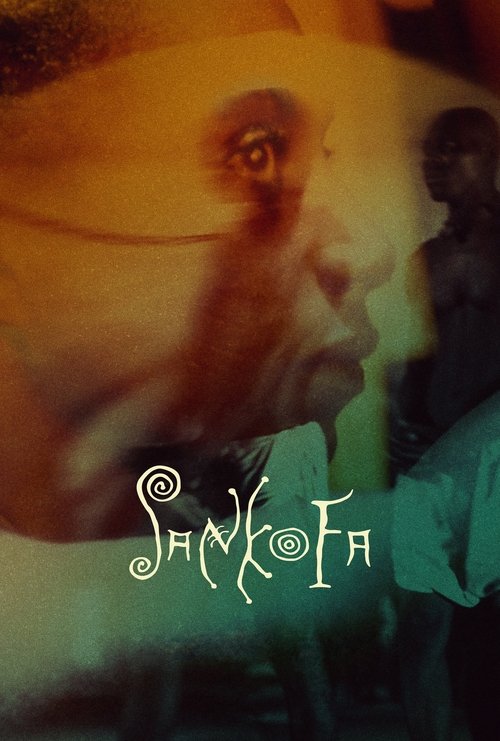
Sankofa1993
Haile Gerima's non-linear vision of slavery, colonialism, and diaspora uses a time-traveling conceit to collapse past and present. It's formally adventurous and visceral, reclaiming the Black body as a site of both pain and power.
But Sankofa is deliberately fragmented and challenging; it refuses conventional narrative clarity and some find it alienating rather than moving.
Filibus1915
An obscure Italian serial that predates most action cinema: a female pirate outlaw robbing the wealthy. It has nothing to do with Quilombo but reminds us that tales of outsiders fighting systems are as old as cinema itself—and surprisingly often female-centered.
But It's silent, heavily restored, and the print quality is uneven. Viewers expecting modern pacing will feel the age.

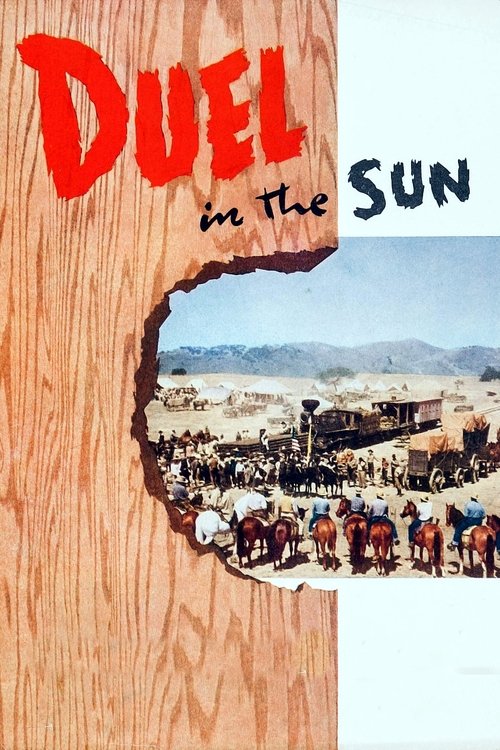
Duel in the Sun1946
David O. Selznick's operatic Western, starring Gregory Peck and Jennifer Jones, is a sprawling melodrama about passion and violence that destroys everything it touches. Like Quilombo, it uses landscape and myth to explore power and desire across an impossible divide.
But It's a Hollywood production from 1946, so its racial attitudes are complicated and sometimes cringe-inducing, despite sincere ambitions.
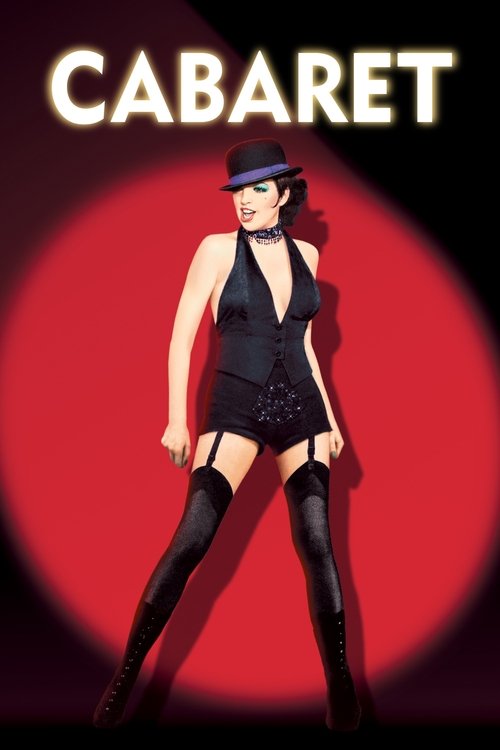
Cabaret1972
Bob Fosse's musical captures Weimar Germany's decadence and decay before fascism. The staging is dazzling, the performances are extraordinary, and it shows how spectacle coexists with political horror—a useful companion to understanding how systems collapse.
But It's a musical, which some viewers resist on principle, and the subject matter is relentlessly grim beneath the glittery surface.
Intolerance: Love's Struggle Throughout the Ages1916
D.W. Griffith's epic interweaves four historical periods to argue that human cruelty is cyclical. It's technically revolutionary and formally audacious, a silent epic that influenced generations. Watching it illuminates how cinema itself can tell stories of power and resistance.
But It's over three hours, silent, and sometimes baffling in its editing. Griffith's other work is morally repugnant, which casts a shadow here despite this film's stated anti-violence thesis.

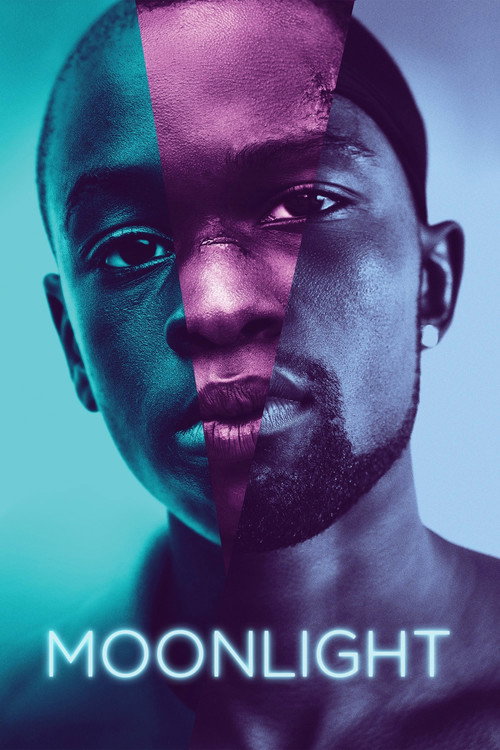
Moonlight2016
Both films center Black experience and dignity while rejecting conventional dramatic structure; both suggest that survival itself is a form of resistance.
Barry Jenkins's intimate, poetic meditation on Black masculinity, desire, and identity is formally adventurous—shot in chapters, using color and sound as primary narrative tools. It's quieter than Quilombo but equally radical: it asks what freedom means when systems have no obvious external enemy.
But It moves slowly, with long silences and minimal dialogue. Some viewers find it too abstract or too focused on mood over plot momentum.
Possession1981
Both films deploy operatic scale and formal excess to argue that personal and political collapse are inextricable; both refuse the comfort of neat resolutions.
Andrzej Żuławski's hallucinatory, operatic nightmare about a marriage collapsing in Cold War Berlin is formally and emotionally transgressive. It shares Quilombo's commitment to excess, to using the personal as political allegory, and to refusing restraint as a narrative strategy.
But Possession is deeply unpleasant, violent, sexually explicit, and deliberately obscure. It's a challenging film that many will find unwatchable; it's not for those seeking catharsis or clarity.

People
Cast
 Tony TornadoGanga Zumba
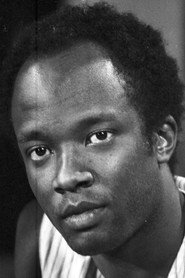 Antônio PompêoZumbi
 Zezé MottaDandara
 Maurício do ValleDomingos Jorge Velho
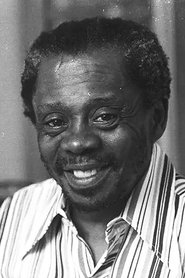 Grande OteloBabá
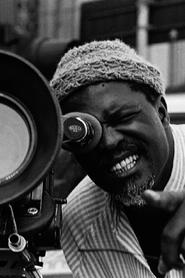 Zózimo BulbulStone Man
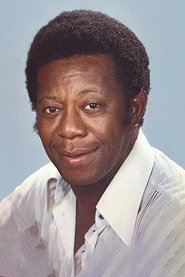
 Daniel FilhoFernão Carrilho
 Vera FischerAna de Ferro
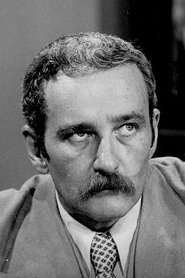 Carlos KroeberTourinho
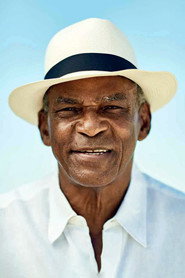 Antônio PitangaAcaiuba
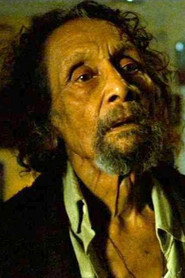 Ruy PolanahNavarro
Directing
- Antônio PitangaAssistant Director
- Jorge DuránAssistant Director
- Nelson NadottiAssistant Director
- Carlos DieguesDirector
Writing
- João Felício dos SantosNovel
- Carlos DieguesWriter
Production
- Bruno WainerCasting
- Marco AltbergExecutive Producer
- Augusto ArraesProducer
- Carlos DieguesProducer
- César CavalcantiProduction Manager
- René BittencourtProduction Manager
- Rodolfo BrandãoProduction Manager
- Everardo RochaResearcher