
Film
Intolerance: Love's Struggle Throughout the Ages
D.W. Griffith's 1916 epic weaves four historical stories—Babylon, Judea, Renaissance France, and modern America—around a thesis about intolerance destroying love. It's overwhelming, sometimes ecstatic cinema, built on massive sets and a moral conviction that rarely wavers. For those ready to sit with silent film on its own terms, it's thrilling and strange.
Should you watch it?
Watch it if you love silent epics built from interlocking stories across centuries, where cutting between eras is the pleasure and you don't mind the big gestures of early cinema.
Skip it if you need modern pacing and naturalistic performances, since the silent acting is broad and the cutting between several stories can feel scattered and drawn out.
What it asks of you: Over three hours of silent film, with intertitles to read and a slow build that pays off in patience rather than momentum.
Not sure? Find tonight's pick in a minute.
If you liked this
Broken Blossoms or The Yellow Man and the Girl1919
Griffith's gentler masterpiece, also starring Lillian Gish. A tender, aching story of a Chinese immigrant and a battered English girl, told with painterly restraint and deep humility about human cruelty.
But The romantic relationship carries uncomfortable racial and power dynamics that no amount of good intention can fully redeem. It's beautiful but not simple.

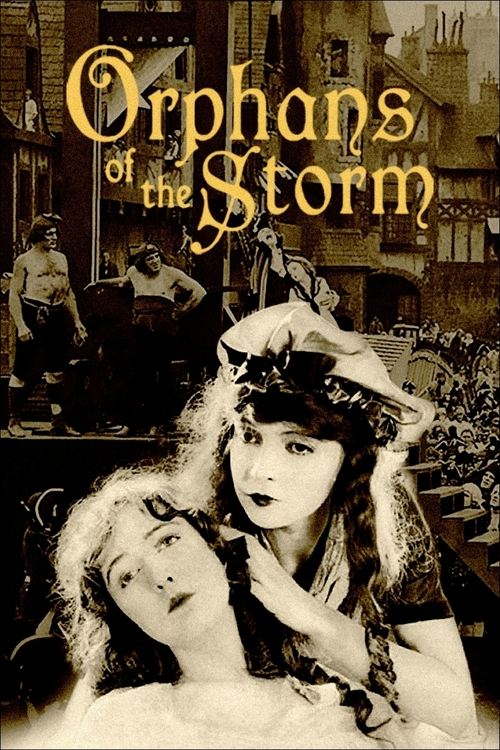
Orphans of the Storm1921
Another Griffith-Gish collaboration set during the French Revolution. Sweeping, visually inventive, and emotionally direct—the spectacle serves a human story rather than overwhelming it.
But Nearly four hours. The pacing assumes you're willing to sit with intertitles and silent acting conventions without modern editing's merciful acceleration.
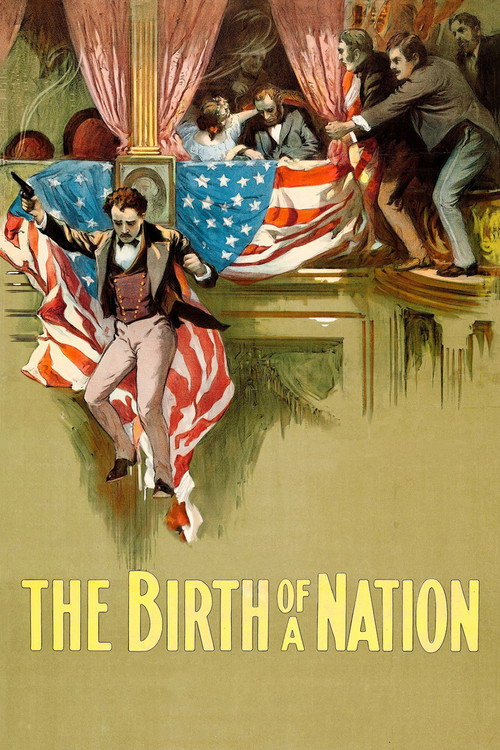
The Birth of a Nation1915
The film that made Griffith famous, technically revolutionary for its time. Historically essential to understanding cinema's birth, and Griffith's visual language is undeniably powerful.
But Its politics are abhorrent—a white supremacist fantasy that helped revive the Ku Klux Klan. Watch it, but go in furious and stay furious. This is non-negotiable context for understanding Intolerance as Griffith's attempted reckoning.
Not sure tonight? Get a pick in a minute, starting from Intolerance: Love's Struggle Throughout the Ages
The wildcard
Something you would not have found on your own.
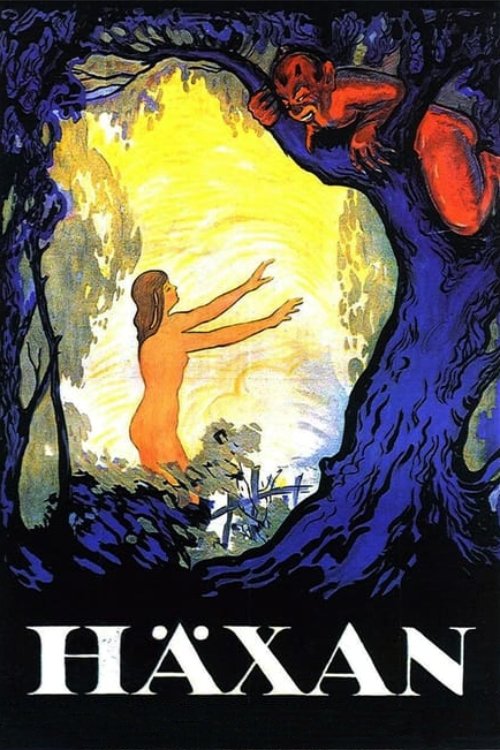
Häxan1922
Both are ambitious historical arguments in visual form. Both believe cinema's formal possibilities matter as much as plot. Both build their thesis through juxtaposition across time.
Benjamin Christensen's Swedish documentary-fantasy about witchcraft. It's part historical essay, part expressionist nightmare, illustrated with stop-motion demons and baroque staging. Hypnotic, genuinely unsettling, and utterly original—nothing else looks like it.
But It's genuinely weird and sometimes silly, with intertitles that feel pretentious. Some sequences are gratuitously gross, and the film's sympathies toward accused witches can feel patronizing by modern standards.
More like this (8)
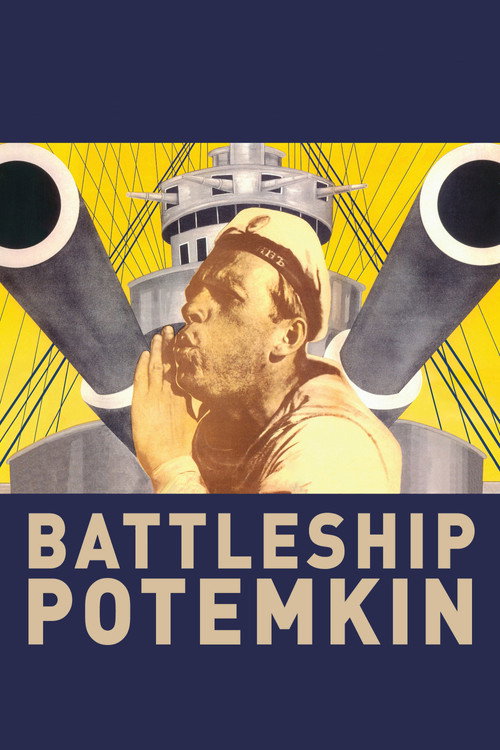
Battleship Potemkin1925
Eisenstein's Soviet epic uses montage like Griffith uses scale—both build meaning through collision and rhythm. A revolution in form that matches its revolutionary subject, and utterly gripping.
But The Odessa Steps sequence is so famous it's been quoted to exhaustion. There's no way to watch it fresh. The film's also more austere than Intolerance, less interested in sentiment.
Nosferatu1922
German Expressionism at its peak, a vampire film that's genuinely eerie and strange. Like Intolerance, it's formal experimentation in service of nightmare logic, and the design is unforgettable.
But It's slow-burn horror from an era before we'd settled on pacing conventions. If you need jump scares or quick cuts, you'll be frustrated.

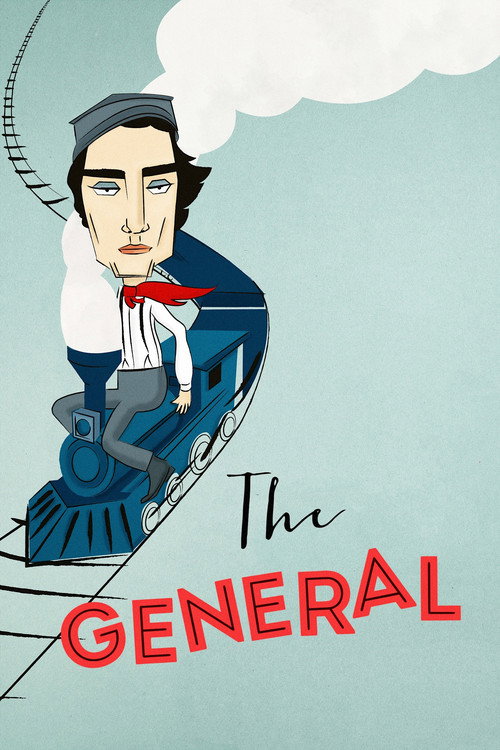
The General1926
Buster Keaton's Civil War comedy is perfectly constructed—every gag builds from character and circumstance. It shows how much you can do with silent cinema when you trust the audience's eye.
But Comedy is subjective, and Keaton's deadpan style won't land if you're expecting conventional laughs. Some gags just sit there, waiting for you to get it.
Sunrise: A Song of Two Humans1927
F.W. Murnau's masterpiece about temptation and reconciliation uses the city and countryside as emotional landscapes. It's lush, forgiving, and one of the greatest films ever made about marriage.
But The tone is almost unbearably earnest. If sentimentality makes you itch, this will test your patience. It's also nearly silent-film era, so you'll need patience with the form.

The Cabinet of Dr. Caligari1920
German Expressionism's manifesto film—painted sets that distort reality to match psychological states. Visually unlike anything else, and it influenced everyone after. A demonstration of how form can be content.
But The narrative is thin and the twist ending hasn't aged as cleverly as it once seemed. You're really watching for the design and the mood, not the story.

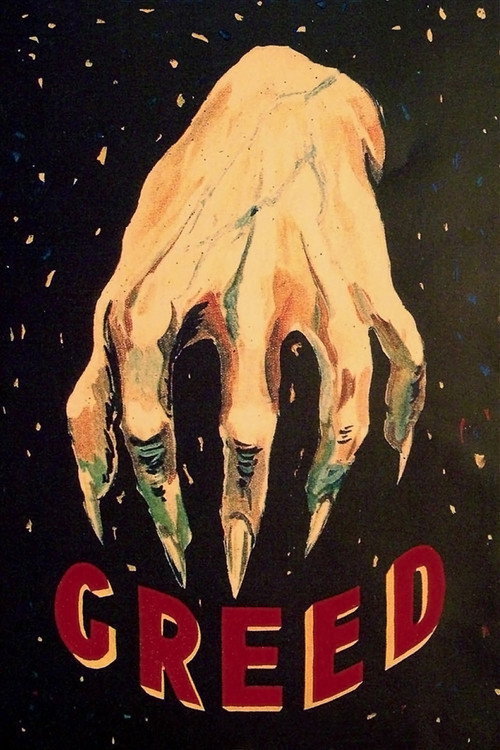
Greed1924
Erich von Stroheim's adaptation of *McTeague* is unflinching about human corruption and desire. Sprawling, sometimes repetitive, but genuinely committed to showing how people rot from the inside.
But Von Stroheim was obsessive and the studio cut his vision down significantly. Even the restored versions feel frustrated. It's also relentlessly bleak and can feel punishing.
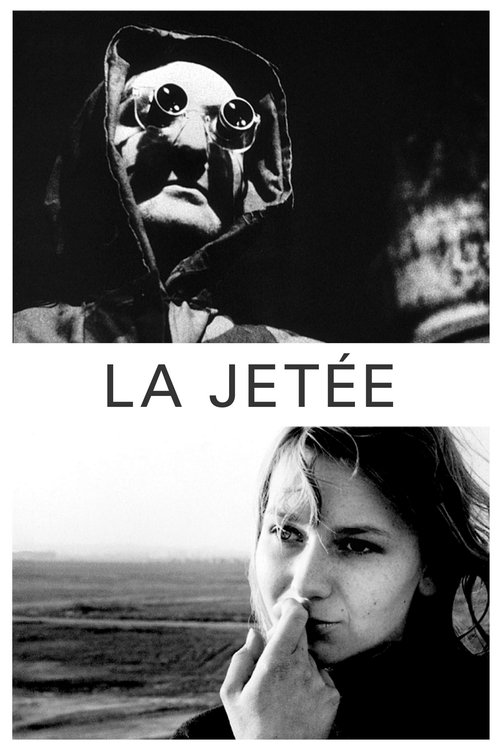
La Jetée1962
Both are built on audacious structural ideas (Griffith's four parallel stories, Marker's single frozen image). Both argue that you can make the viewer feel time's weight through form alone. Both are about love surviving circumstances designed to destroy it.
Chris Marker's time-travel poem told almost entirely through still photographs and narration. Twenty-eight minutes of pure cinema about memory, loss, and what we cannot change. It does more with constraint than most films do with unlimited resources.
But It's an experimental film from 1962—if you need movement and conventional narrative, it will bore you immediately. The style is the story, and if that feels like pretension, nothing here will convince you.
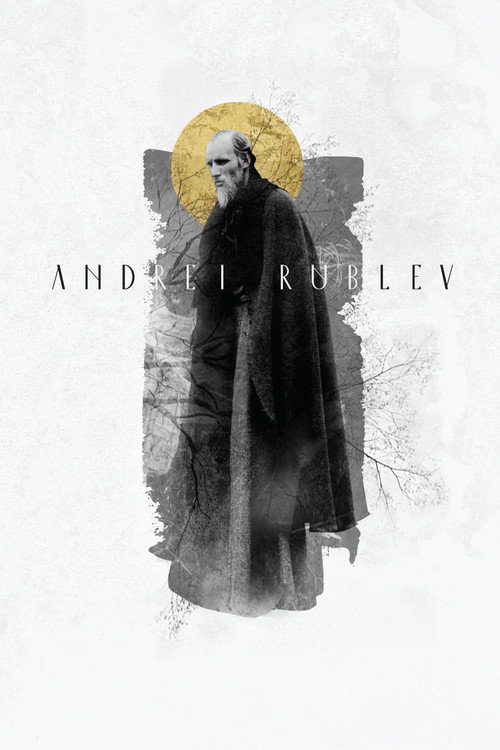
Andrei Rublev1966
Both examine how human love and art survive institutional cruelty. Both are epic in scope but interested in intimate moments. Both use history as a framework for asking whether anything we build endures when intolerance claims the world.
Tarkovsky's three-hour meditation on a 15th-century icon painter. It's gorgeously shot, spiritually ambitious, and built on long takes and silence. A film about art, faith, and whether beauty matters when empires burn around you.
But It's glacially paced and deliberately obscure. Long sequences are nearly static. If you watch for conventional plot momentum, you will feel like you're drowning. It requires patience most people don't have.
People
Cast
 Lillian GishThe Woman Who Rocks the Cradle
 Mae MarshThe Dear One (Modern Story)
 Robert HarronThe Boy (Modern Story)
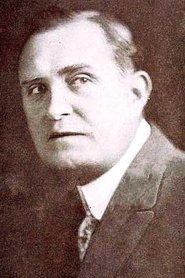 F.A. TurnerThe Girl's Father (Modern Story)
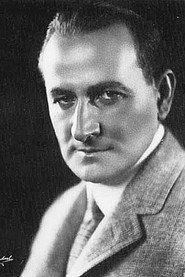 Sam De GrasseArthur Jenkins (Modern Story)
 Vera LewisMary T. Jenkins (Modern Story)
 Lillian LangdonMary, the Mother (Judean Story)
 Olga GreyMary Magdalene (Judean Story)
- Erich von RitzauFirst Pharisee (Judean Story)
 Bessie LoveThe Bride of Cana (Judean Story)
 Margery WilsonBrown Eyes (French Story)
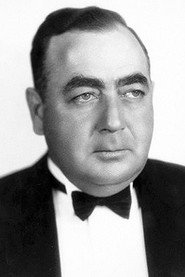 Eugene PalletteProsper Latour (French Story)
Directing
- D.W. GriffithDirector
- Elmer CliftonFirst Assistant Director
- George SiegmannFirst Assistant Director
- Joseph HenaberyFirst Assistant Director
- Allan DwanSecond Assistant Director
- Arthur BertheletSecond Assistant Director
- Christy CabanneSecond Assistant Director
- Edward DillonSecond Assistant Director
- George Nichols Jr.Second Assistant Director
- George W. HillSecond Assistant Director
- Jack ConwaySecond Assistant Director
- Lloyd IngrahamSecond Assistant Director
- Mike SiebertSecond Assistant Director
- Monte BlueSecond Assistant Director
- Tod BrowningSecond Assistant Director
- Victor FlemingSecond Assistant Director
- W.S. Van DykeSecond Assistant Director
Writing
- D.W. GriffithScenario Writer
- Tod BrowningScreenplay
- Anita LoosWriter
- Frank E. WoodsWriter
Production
- Erich von StroheimAssistant Production Manager
- Frank E. WoodsProduction Supervisor
Recommended by
The Great Ziegfeld, Broken Blossoms or The Yellow Man and the Girl, The Ten Commandments, The Miracle Man, His Regeneration, Shoulder Arms, Comradeship, The Scarlet Letter, Woman in the Moon, Aelita: Queen of Mars, Robin Hood, The Bible: In the Beginning..., The Story of Temple Drake, Sergeant Rutledge, 7th Heaven, Exodus: Gods and Kings, Die Nibelungen: Siegfried, Body and Soul, The Birth of a Nation, The Crusades, The Immigrant, King of Kings, The Perils of Pauline, Ragtime, One A.M., The Hunchback of Notre Dame, Liliom, The Squaw Man, The Thief of Bagdad, Orphans of the Storm, Battling Butler, Beau Geste, The Sign of the Cross, The Good Earth, L'Atlantide, The Message, The King of Kings, Scaramouche, Don Q Son of Zorro, Lonesome, Hotel Imperial, Under Two Flags, The Night Before Christmas, Ben-Hur: A Tale of the Christ, The Cocoanuts, The Viking, The Loves of Pharaoh, Speedy, Our Daily Bread, The Conquest of the Pole, Golgotha, The Bible, Stella Maris, Gentle Annie, King David, The Sinking of the Lusitania, The Last Days of Pompeii, The Son of the Sheik, Salome, The Fall of Babylon, The Story of Mankind, Tobacco Road, Ashes of Vengeance, Sparrows, The Godless Girl, Joan the Woman, Brats, Fires of Fate, Our Gang, The Reckless Age, Nabucco, The Branded Woman, The Last of the Mohicans, The Mothering Heart, The Wishing Ring: An Idyll of Old England, Old San Francisco, Wildfire, Girl Shy, Under Two Flags, A Corner in Wheat, Kismet, Tabu: A Story of the South Seas, Salammbô, The Octopus, Blacksmith Scene, Cheap Kisses, Piccadilly, L'Argent, La Roue, The Ten Commandments, The Affairs of Martha, The Sport of Kings, Gul-e-Bakavali, The Flaming Disk, Tillie's Punctured Romance, Tramp, Tramp, Tramp, Grandma's Boy, A Girl's Folly, The Master Mystery, Madame Butterfly, Quilombo, The Arab, Filibus, The Son of Tarzan, Hands Up!, Suspense, The Wrecker, An Unseen Enemy, The Patent Leather Kid, The Lonedale Operator, The Girl and Her Trust, Submarine, 20,000 Leagues Under the Sea, Tell It to the Marines, Spies, In Old California, The Tales of the Thousand and One Nights, Shiraz: A Romance of India, The Story of the Kelly Gang, The Fight for the Matterhorn, What Price Glory, Flesh and Blood, The Tower of Lies, A Connecticut Yankee in King Arthur's Court