
Film
Battling Butler
- Comedy
- Light-hearted
Buster Keaton is a pampered millionaire who pretends to be a championship boxer to impress a mountain girl. It's a masterclass in physical comedy wrapped around a simple romantic premise—Keaton's blank-faced determination as he navigates increasingly absurd situations is hypnotic. For anyone who thinks silent film is slow or quaint, this is a corrective.
Should you watch it?
Watch it if you love silent comedy built on physical precision, where a sheltered rich man's pratfalls and deadpan stillness do most of the talking.
Skip it if you need fast modern pacing or sharp dialogue, since its set pieces build patiently and its romance is old-fashioned and sentimental.
What it asks of you: Seventy-seven minutes of close attention, since much of the joke lives in a held look or a small shift of the body, and the silent rhythm takes a while to settle.
Not sure? Find tonight's pick in a minute.
If you liked this
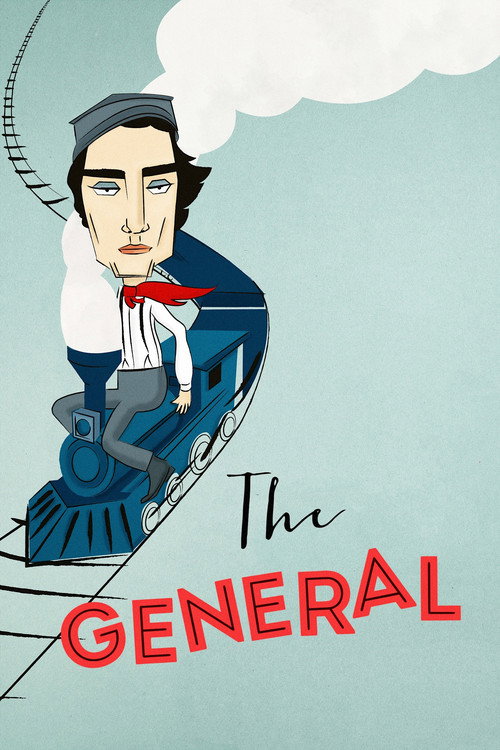
The General1926
Keaton's most celebrated work: a civil war romp where he drives a stolen locomotive with the same deadpan precision he brings to every stunt. Pure visual storytelling at its peak, endlessly inventive.
But It's silent, it's 80 minutes, and the plot is deliberately thin. If you need dialogue to stay engaged, this will test your patience.
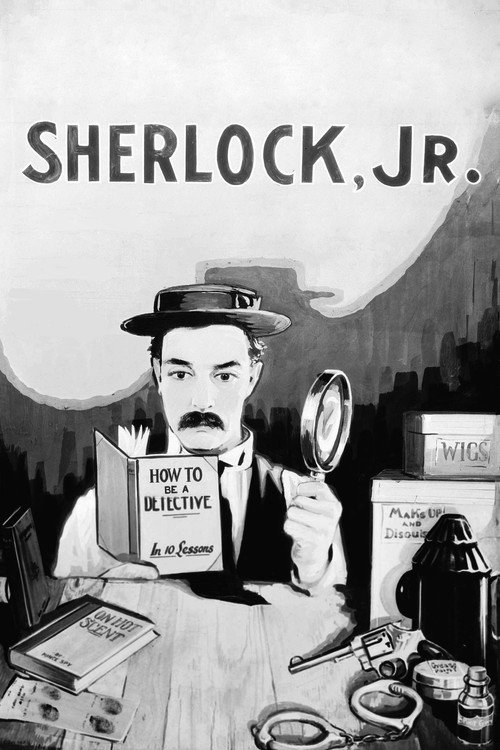
Sherlock Jr.1924
Keaton as a projectionist who dreams himself into a film noir mystery. The camera tricks are stunning and the comedy is genuinely funny—not quaint, not slow. A perfect introduction to silent-era innovation.
But Some sight gags feel dated, and the middle section drags slightly. The genius of the premise outweighs the execution.
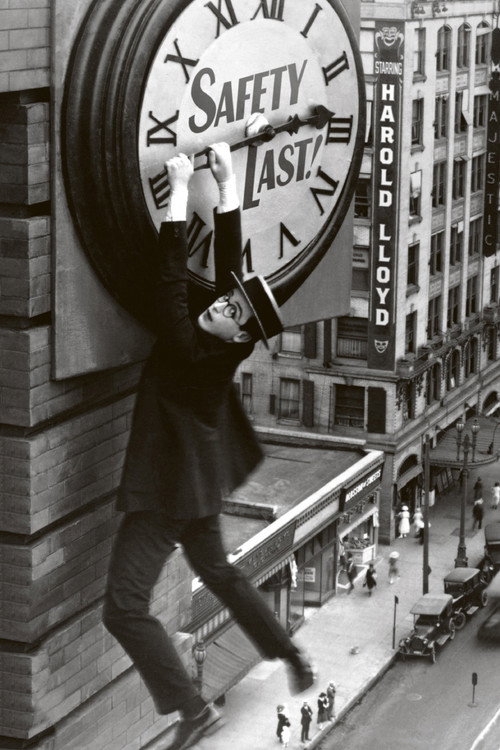
Safety Last!1923
Harold Lloyd scaling a skyscraper without a net (almost). The anxiety is real, the comedy is real, and the stunt sequences remain genuinely thrilling. A different flavor of silent comedy but equally masterful.
But Lloyd's brand of comedy is more anxious and less contemplative than Keaton's. If you prefer Keaton's stillness, this energy might exhaust you.
Not sure tonight? Get a pick in a minute, starting from Battling Butler
The wildcard
Something you would not have found on your own.
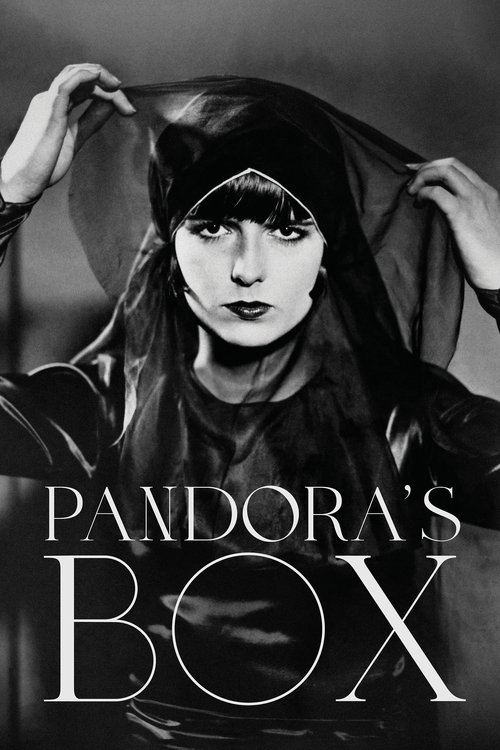
Pandora's Box1929
Both explore identity and performance as a path to ruin or redemption, but where Battling Butler is fundamentally optimistic, Pandora's Box is a tragedy disguised as scandal.
Louise Brooks in G.W. Pabst's masterpiece of desire and destruction. It looks forward, not backward—daring sexuality, modern psychology, and visual sophistication that feels contemporary. The connection to Battling Butler: both feature seemingly simple protagonists undone by their own nature and circumstance, but where Keaton's butler survives his masquerade through goodheartedness, Brooks's Lulu is destroyed by hers.
But It's bleak and sexually frank in ways that disturbed 1929 audiences. The ending is genuinely tragic, not escapist. If you want entertainment rather than art, this is austere.
More like this (8)
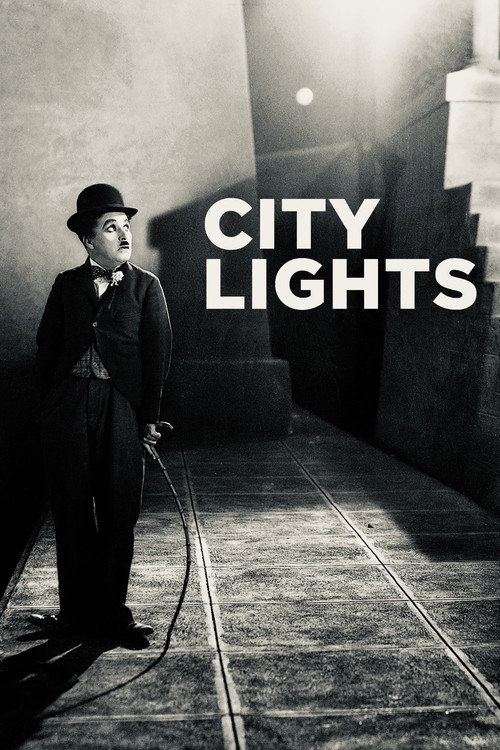
City Lights1931
Chaplin's masterpiece about a tramp and a blind flower girl. The emotional depth is immense without a single word spoken. A film that proves silent cinema could do tenderness as well as it did comedy.
But It's sentimental, and Chaplin's pathos can feel manipulative if you're not in the mood. The first act drags before the story hooks you.
Sunrise: A Song of Two Humans1927
A haunting silent film about rural temptation and redemption. Visually breathtaking, emotionally devastating, and structurally bold. It shows the range of what silent cinema could be beyond comedy.
But It's slow and tragic. If you want laughs, this is the opposite direction. The artifice of the set design is occasionally distracting.

The Phantom Carriage1921
A Swedish ghost story that influenced everything after it. Moody, inventive with special effects, and genuinely eerie. Proof that silent film excelled at mood as well as physical comedy.
But The pace is glacial by modern standards. The plot is straightforward but takes a long time to unfold. Requires patience and attention.

Nosferatu1922
Silent German Expressionism at its most iconic. The design, the atmosphere, the sense of dread—it's still scary a century later. A towering achievement that defines an entire aesthetic.
But It's deeply grim and stylized to the point of artificiality. The acting is broadly theatrical. If you want naturalism or entertainment, look elsewhere.

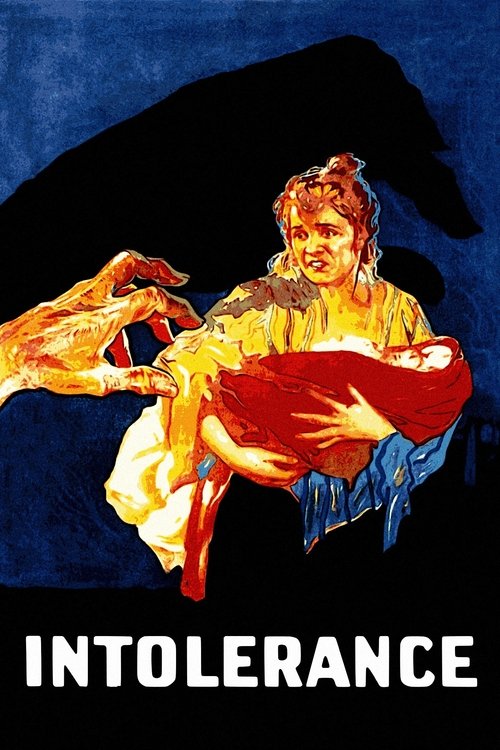
Intolerance: Love's Struggle Throughout the Ages1916
D.W. Griffith's epic four-story meditation on prejudice across millennia. Ambitious, visually staggering, and structurally inventive in ways that influenced cinema for decades.
But At 3.5 hours, it tests endurance severely. The narrative structure is confusing, and Griffith's politics are problematic. It's a museum piece as much as a film.
Man with a Movie Camera1929
A Soviet documentary that's actually a visual symphony about urban life and cinema itself. It's experimental, playful, and unlike anything else—a hidden gem that rewards engagement.
But There's no narrative, no characters, and very little context. It's a feature-length experiment in form. Many viewers find it abstract to the point of obscurity.

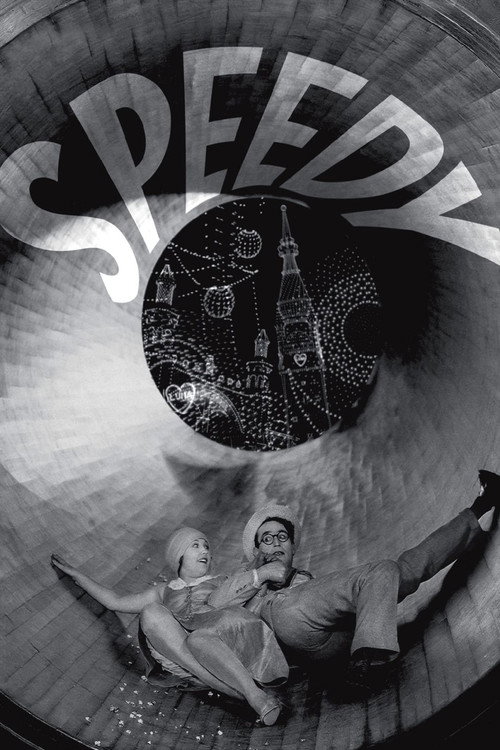
Speedy1928
Two comedians, same era, opposite approaches: Keaton's precision versus Lloyd's chaos, both equally valid.
Harold Lloyd's final silent film—a New York comedy that's joyful, dizzy, and full of real location shooting. It captures a moment and a city with infectious energy. The connection to Battling Butler: both are romantic comedies where the hero bumbles his way through performance, but Speedy is anarchic where Keaton is controlled.
But It's shapeless and episodic. Plot barely exists. If you need structure and stakes, the breezy randomness will frustrate you.
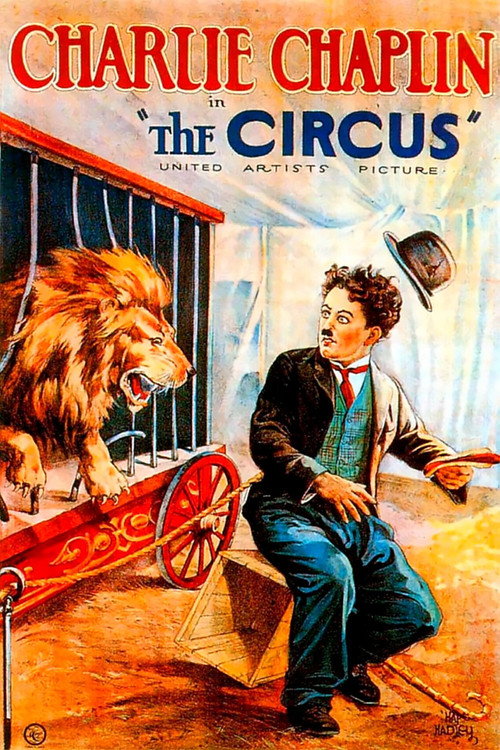
The Circus1928
Both films pivot on an ordinary man performing a role he cannot sustain, but they diverge entirely in how they handle the emotional cost.
Chaplin as a tramp trapped in a circus, performing for survival. It's lighter than his usual work—funnier, less sentimental, but still touched by pathos. The connection to Battling Butler: both are about men forced into performance, but The Circus is melancholic where Battling Butler is buoyant.
But The tone is uneven. Chaplin was reinventing himself, and the result is tonal confusion. Some scenes drag; others hit perfectly.
People
Cast
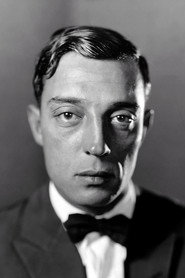 Buster KeatonAlfred Butler
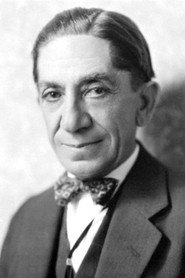 Snitz EdwardsAlfred's Valet
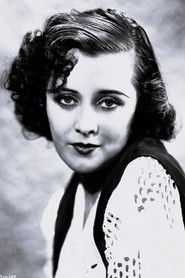 Sally O'NeilThe Mountain Girl
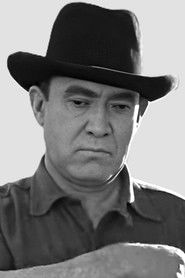 Walter JamesThe Mountain Girl's Father
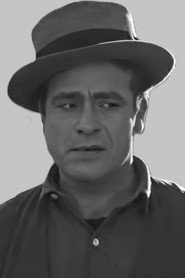 Budd FineThe Mountain Girl's Brother
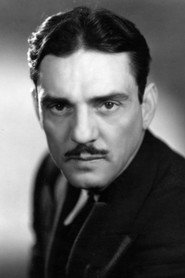 Francis McDonaldAlfred 'Battling' Butler
- Mary O'BrienBattling Butler's Wife
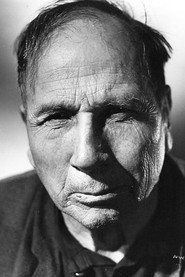 Tom WilsonBattling Butler's Trainer
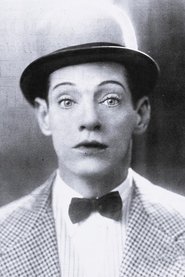 Eddie BordenBattling Butler's Manager
Directing
- Buster KeatonDirector
Writing
- Al BoasbergWriter
- Lex NealWriter
Production
- Joseph M. SchenckExecutive Producer
- Buster KeatonProducer
Recommended by
The Navigator, Our Hospitality, Seven Chances, The Cameraman, The Reckless Age, The Fair Co-Ed, My Best Girl