
Film
Man with a Movie Camera
Dziga Vertov's 1929 experiment strips away actors, plot, and even title cards, turning the camera itself into the subject. It reassembles a day in Soviet urban life through dizzying montage, double exposure, and stop-motion — a manifesto disguised as a documentary. Watch it for the sheer joy of what editing can do, not for a story.
If you liked this
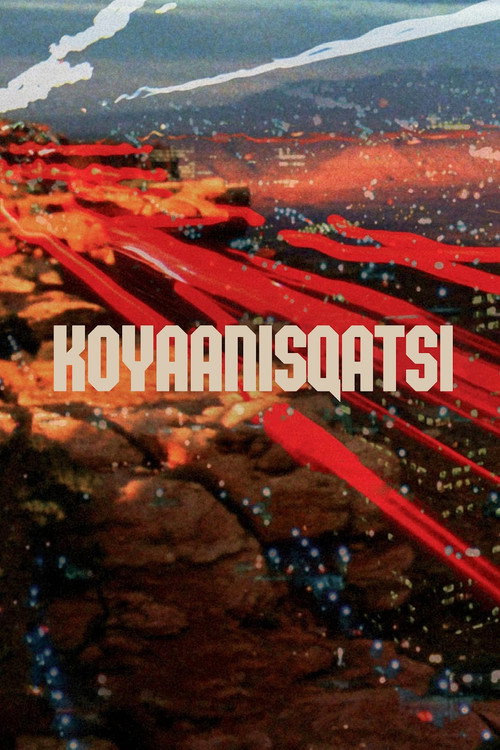
Koyaanisqatsi1983
Godfrey Reggio's wordless portrait of modern civilization runs on the same fuel as Vertov's film: no plot, no dialogue, just image and rhythm building toward something bigger than either. Philip Glass's score does the talking instead.
But No narrative hook at all — if you need characters or a through-line, ninety minutes of pure imagery can feel like a fever dream.
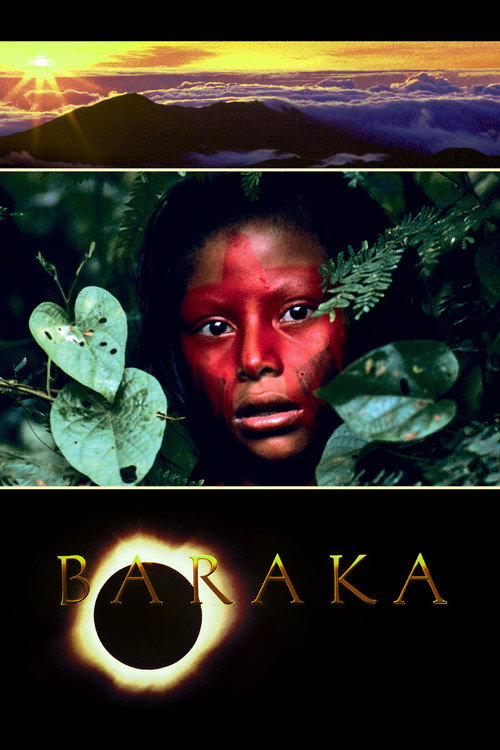
Baraka1992
Ron Fricke widens the lens to the whole planet, still with zero dialogue, chasing the same idea that a camera moving through the world can reveal a hidden order in it.
But It drifts into travelogue territory at times — gorgeous but occasionally more postcard than argument.
Berlin: Symphony of a Great City1927no page yet
Walther Ruttmann's silent city symphony was made almost simultaneously with Vertov's, using the same trick — a metropolis waking, working, and sleeping, cut together like music. The obvious next stop for this exact obsession.
But Less technically dazzling than Vertov's film — Ruttmann plays it straighter, so some of the electricity is missing.
The wildcard
Something you would not have found on your own.
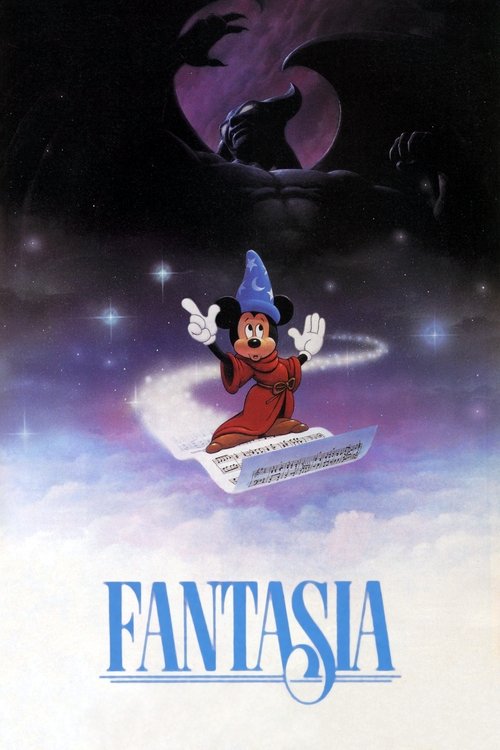
Fantasia1940
Both films believe cinema doesn't need a story — only music, movement, and a camera doing tricks no eye could do alone. One is a Soviet manifesto, the other a Disney cash cow, running the identical engine.
Disney's animators were solving the same problem as Vertov a decade later — how to make pure image and rhythm, without dialogue or plot, hold an audience for two hours. The multiplane camera work is its own kind of kino-eye.
But It's family entertainment with dancing hippos; the political and formal daring of Vertov's project is nowhere in sight.
More like this (8)
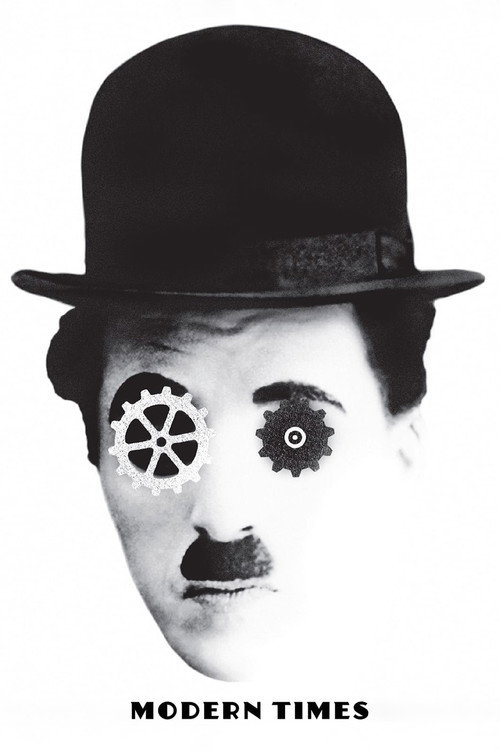
Modern Times1936
Chaplin turns the same machine-age anxieties Vertov celebrated into satire — factories, conveyor belts, a body straining to keep pace with industry — but wrapped in comedy and heart.
But It's a narrative film with a star and a story, the opposite of what drew you to Vertov's approach.
Metropolis1927
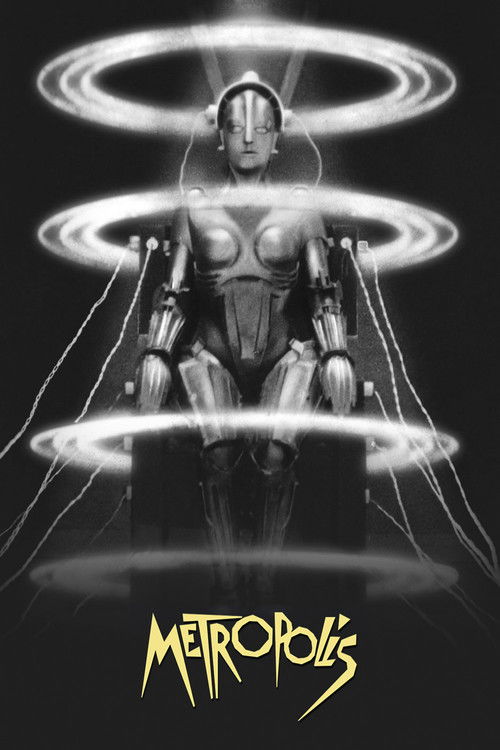
Fritz Lang's silent epic imagines the same industrial city Vertov filmed, but as myth and nightmare — towering machines, crowds moving like gears, a vision of modernity as both marvel and threat.
But It's melodrama with a plot and villains, a very different animal from Vertov's documentary experiment.
The Cameraman1928no page yet
Buster Keaton plays a man trying, disastrously, to become exactly what Vertov's film is about — a newsreel cameraman chasing the moving image. Funny, tender, and a sly companion piece.
But It's a conventional silent comedy with a love story; the self-reflexive wit is subtler than the wildness of Vertov's editing.
Nanook of the North1922
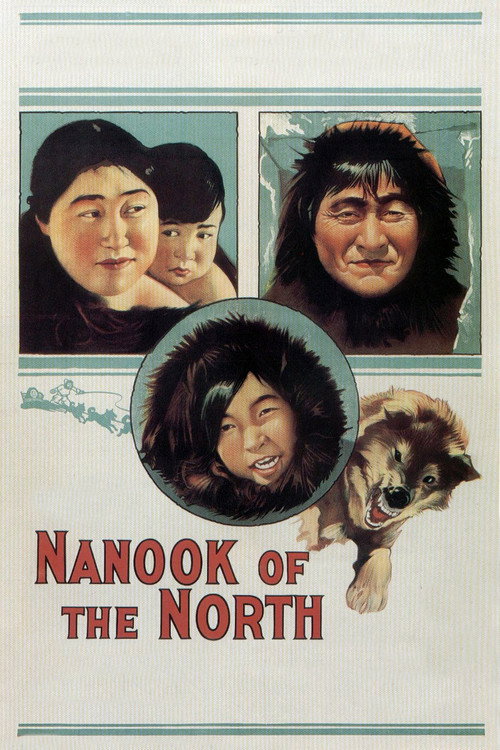
One of the earliest feature documentaries, filmed only a few years before Vertov's, wrestling with the same new question: what does a camera owe to the truth of what it's pointed at?
But Its staged scenes and colonial gaze have aged badly, and it lacks any of Vertov's formal fireworks.
Samsara2011
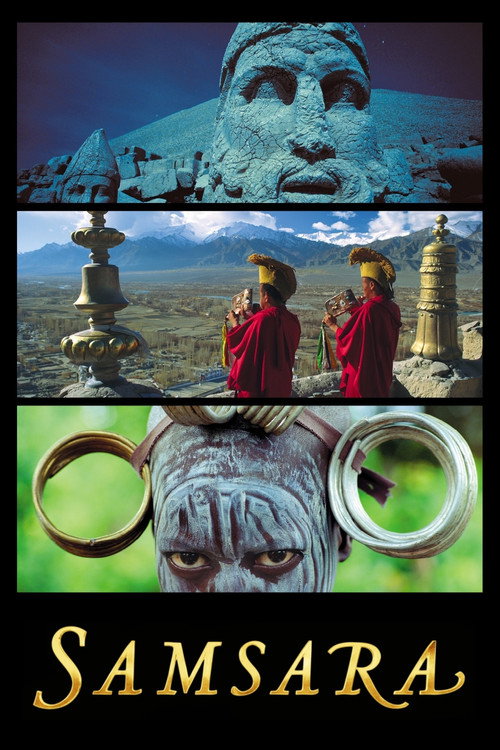
The most recent entry in the Reggio/Fricke lineage, shot on 70mm, chasing images of ritual, labor, and destruction across the globe with no words at all, just accumulating power.
But It's the third film doing a similar thing after Koyaanisqatsi and Baraka; the novelty has worn thinner by now.
Life in a Day2011
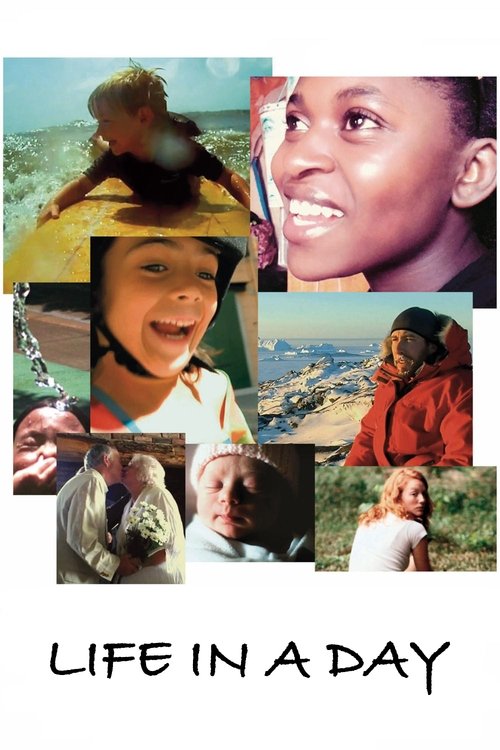
Crowdsourced from thousands of ordinary people filming their own July 24th, this is Vertov's dream turned inside out — the world's cameras aimed back at itself instead of one man's.
But The editing is far more sentimental and less formally daring than anything Vertov attempted.
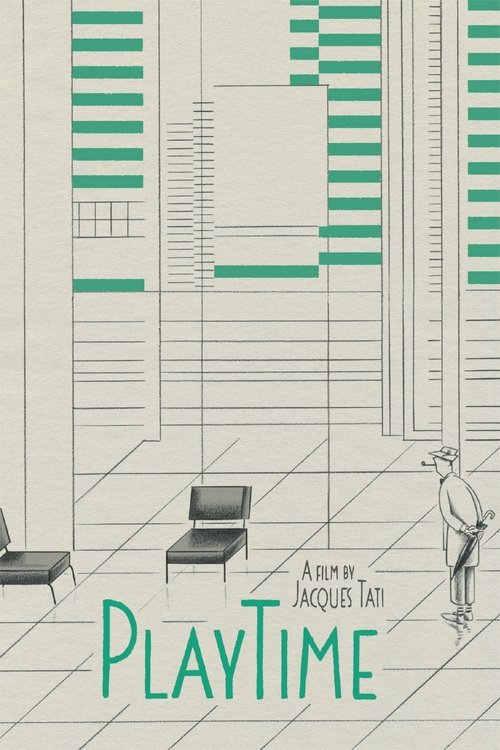
PlayTime1967
Tati strips away plot the same way Vertov stripped away actors, trusting pure visual rhythm to say what a story would normally say about modern life and its machines.
Jacques Tati builds an entire film around a modern city of glass and steel, almost wordless, letting sound design and choreography carry scenes the way Vertov let editing carry his. Slower, funnier, and just as formally rigorous.
But It's a comedy of manners with barely any dialogue and a very deliberate pace — patience is required before the gags land.
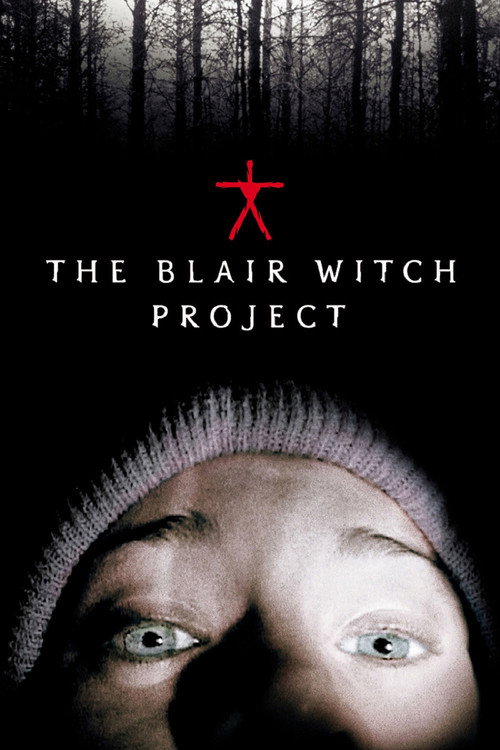
The Blair Witch Project1999
Vertov called his camera a 'kino-eye,' an instrument of truth beyond human sight. Blair Witch takes that same claim and turns it into dread — what if the all-seeing camera is lying to you, or can't save you?
A found-footage horror hit built entirely on the idea Vertov spent his career championing — that the camera doesn't just record truth, it can also construct or distort it. Genuinely unsettling, and cheap enough to have started a genre.
But It's a horror film with actors and a script, dressed up as raw footage — nothing like the joyful abstraction of Vertov's editing.
People
Cast
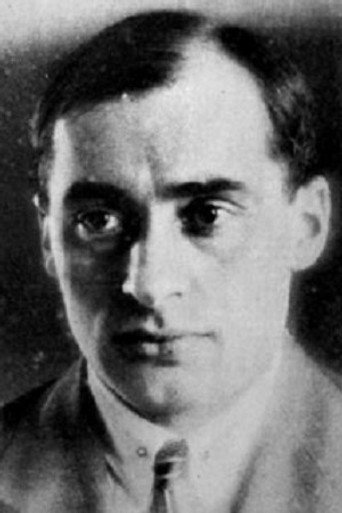 Mikhail KaufmanThe Cameraman
Recommended by
Koyaanisqatsi, Sherlock Jr., Baraka, Life in a Day, October (Ten Days that Shook the World), Samsara, Powaqqatsi, Sans Soleil, Cameraperson, Civilisation