
Film
Powaqqatsi
Powaqqatsi is the second panel in Godfrey Reggio's wordless triptych, trading the machine-hymn of Koyaanisqatsi for a slower, sadder gaze at the developing world as industrial modernity sweeps through it. Philip Glass's score swells under images of manual labour, ritual, and crowds giving way to factories and freeways. There's no narration and no plot, just meditation — watch it as visual poetry rather than argument, and it rewards patience.
If you liked this
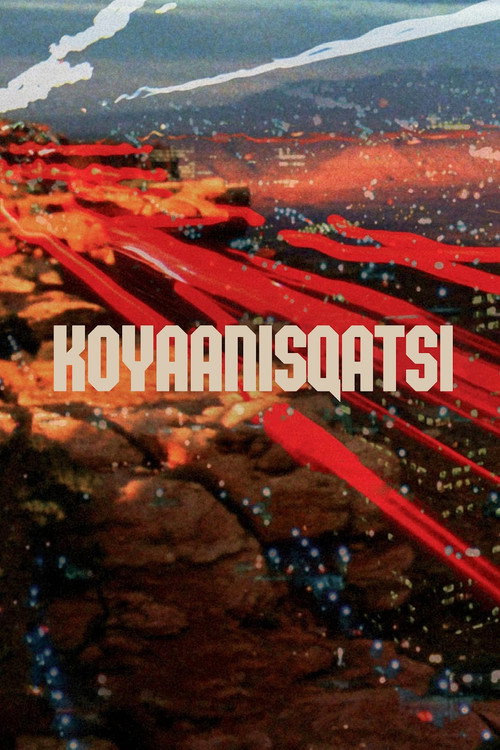
Koyaanisqatsi1983
The film that started it all — Reggio's original hymn to a world out of balance, same Philip Glass pulse, aimed at American excess rather than the developing world. If Powaqqatsi moved you, this is the essential first chapter.
But It's even more repetitive and stern; if the imagery-and-music format wore on you already, doubling down won't help.
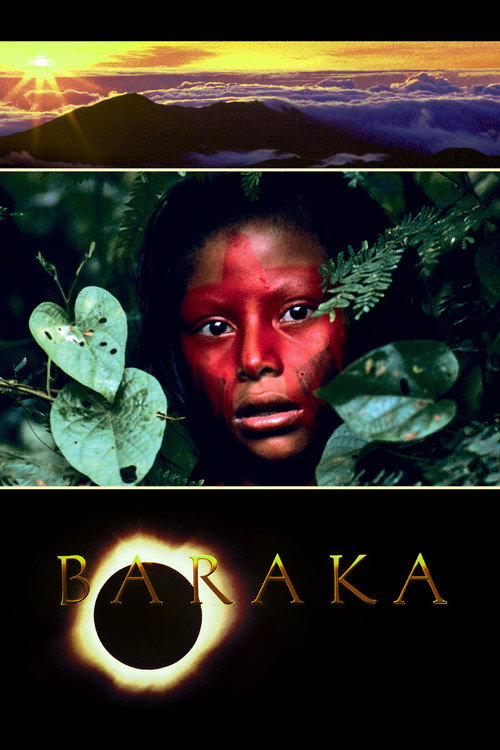
Baraka1992
Shot on 70mm by Reggio's own cinematographer, this widens the lens to sacred rituals, war, and natural wonder across the globe — richer colour, more awe, less didacticism than the trilogy.
But It drifts even further from argument into pure spectacle, which can feel like a beautiful slideshow rather than a statement.
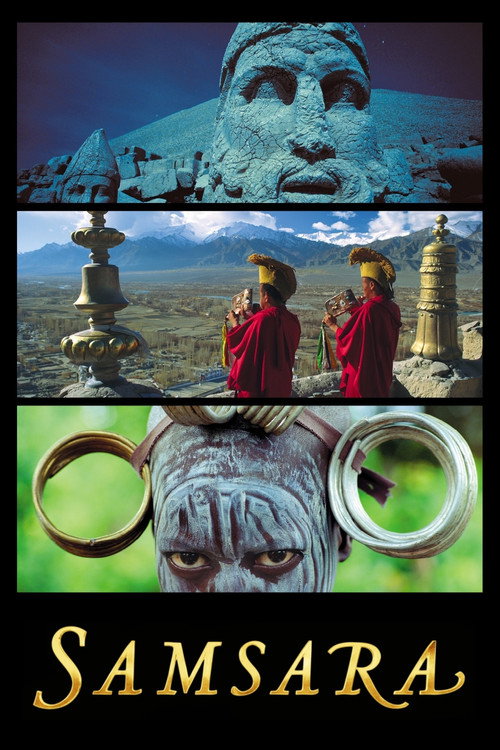
Samsara2011
The same team's 2011 return, shot in gorgeous 70mm across twenty-five countries, tracing birth, death, and everything mechanised in between — a worthy, sumptuous update of the formula.
But Two decades on it can feel like Baraka's glossier cousin rather than its own idea — familiar tricks, higher resolution.
The wildcard
Something you would not have found on your own.
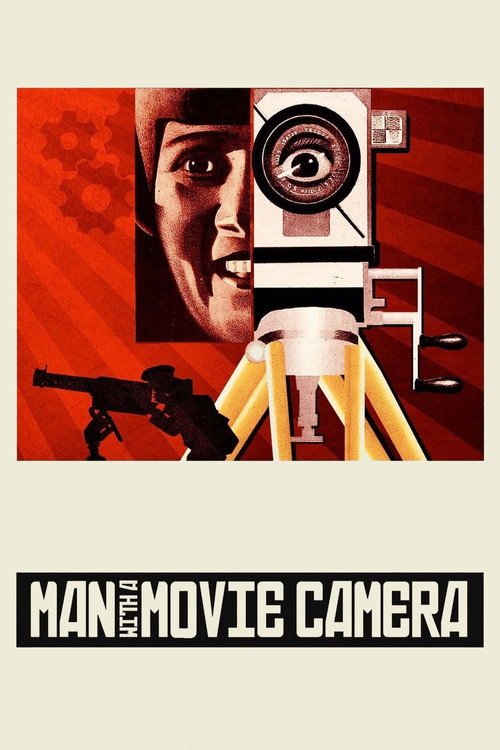
Man with a Movie Camera1929
Every trick Powaqqatsi uses — no dialogue, no characters, montage as argument, the camera as a kind of roaming consciousness — was Vertov's invention first, sixty years before Reggio picked it up.
Dziga Vertov's silent Soviet city-symphony invented the idea Reggio spent his career refining: no actors, no plot, just the world caught by a camera that never blinks, cut to a rhythm instead of a story.
But Silent and nearly a century old, it demands patience with intertitle-free montage and a much rougher, more experimental visual grammar.
More like this (8)
Naqoyqatsi2002no page yet
The trilogy's uneasy finale, built almost entirely from digitally processed stock footage over a mournful Yo-Yo Ma-featuring Glass score — technology examining itself rather than nature.
But The digital manipulation dates badly and the ideas feel thinner stretched over the least satisfying of the three films.
Chronos1985no page yet
A lesser-known Ron Fricke IMAX piece from the same era, using time-lapse and slow motion to make the same point about human timescales colliding with mechanical ones.
But Shorter and more diffuse than its cousins, with less of a throughline — closer to a tech demo than a statement.
Manufactured Landscapes2006no page yet
Jennifer Baichwal follows photographer Edward Burtynsky into the factories and mines that make the modern world, turning industrial devastation into unsettling, painterly imagery — a direct heir to Powaqqatsi's method.
But It talks more and explains more than Reggio ever would, which some will find a relief and others a letdown.
Watermark2013no page yet
Same director-photographer pair, this time turning to water: dams, drought, and industrial-scale rice farms shot with the same eye for beauty inside devastation.
But Its calm, wide-lens approach can feel a little too pretty for a film that's fundamentally about crisis.
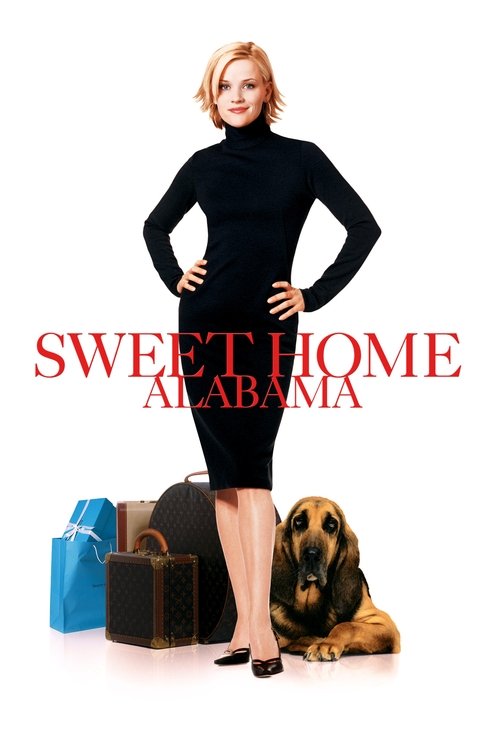
Sweet Home Alabama2002
Yann Arthus-Bertrand's aerial global survey, narrated this time, arguing outright for what Reggio only implies — that development is outrunning the planet's ability to absorb it.
But The narration turns meditation into lecture, and its earnestness can tip over into sentimentality.
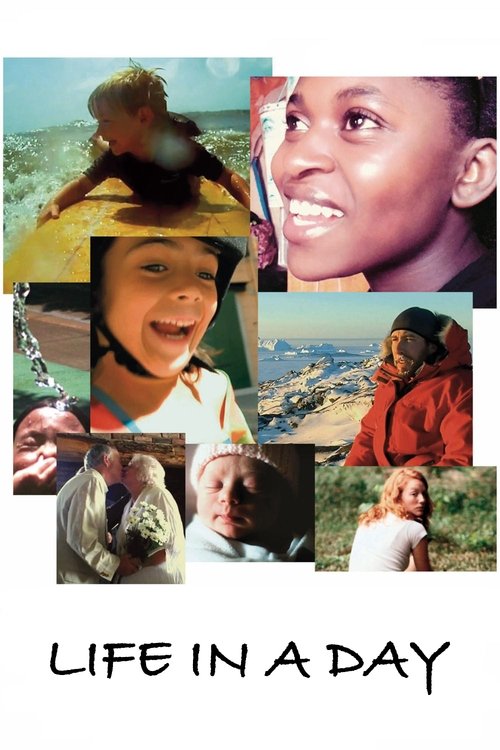
Life in a Day2011
Crowdsourced from thousands of amateur videos filmed on a single day worldwide, it's a scrappier, more democratic answer to the same question — what does a planet full of different lives actually look like?
But It's warmer and messier than anything Reggio made, with none of the visual control that made Powaqqatsi hypnotic.
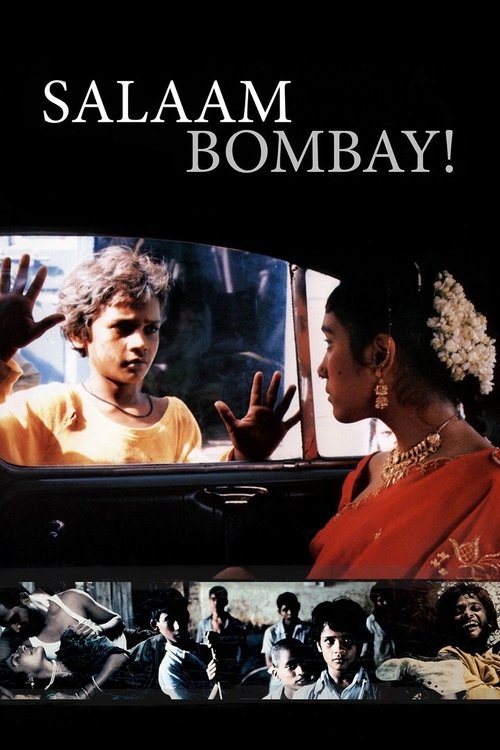
Salaam Bombay!1988
Same year, same subject — a developing nation reshaped by modernity — but where Powaqqatsi keeps its distance in sweeping imagery, this puts one child's face on exactly what that transformation costs.
Made the very same year as Powaqqatsi, Mira Nair's fiction feature follows a boy surviving on Bombay's streets as the city modernises around him — the human close-up to Reggio's wide shot.
But It's a conventional narrative with actors and dialogue, which may feel like a comedown after Reggio's abstraction — but that's rather the point.
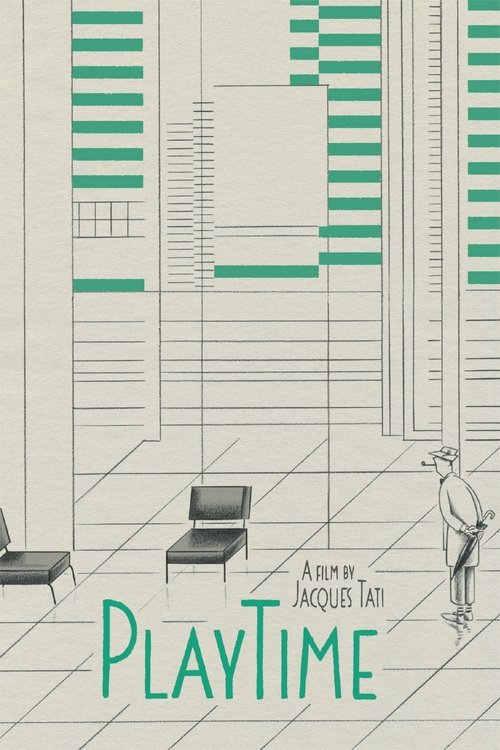
PlayTime1967
Both films are essentially wordless studies of humans dwarfed by the modern environments they've built; Tati just finds the same alienation Reggio mourns absurdly, helplessly funny.
Jacques Tati's nearly wordless comedy sends a bumbling everyman through a Paris rebuilt as glass-and-steel modernity, turning the same anxieties Reggio treats as tragedy into elaborate, gentle slapstick.
But It's a comedy, full stop — if you want another sober meditation, this genial farce will feel like a tonal U-turn.
People
Cast
 Christie Brinkley(archive footage)
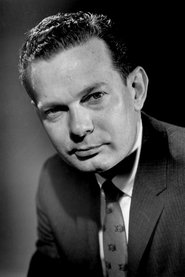 David Brinkley(archive footage)
- Patrick DisantoSelf
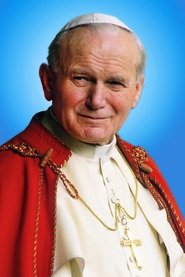 Pope John Paul II(archive footage)
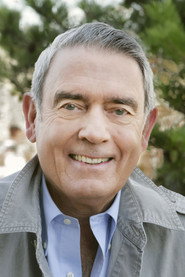 Dan Rather(archive footage)
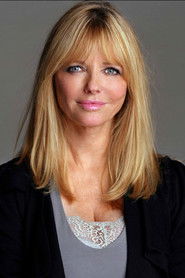 Cheryl Tiegs(archive footage)
Directing
- Godfrey ReggioDirector
Writing
- Godfrey ReggioWriter
- Ken RichardsWriter
Production
- Marcel KahnAssociate Producer
- Tom LuddyAssociate Producer
- Tom GarrettCo-Producer
- Francis Ford CoppolaExecutive Producer
- George LucasExecutive Producer
- Menahem GolanExecutive Producer
- Yoram GlobusExecutive Producer
- Godfrey ReggioProducer
- Lawrence TaubProducer
- Mel LawrenceProducer