
Film
Chronos
Chronos is Ron Fricke's wordless IMAX meditation on the passage of time, stitching decades of time-lapse footage together so ancient temples seem to breathe and modern cities pulse like organisms. There's no narration, no plot—just patient, hypnotic images meant to be felt rather than explained. Best on the biggest screen available, it suits anyone wanting their senses stretched rather than informed, in a lean 43 minutes.
Should you watch it?
Watch it if you find yourself hypnotised by slow visual patterns, like crowds surging through streets and light sliding across old landscapes, and want cinema that treats the world itself as the subject rather than people.
Skip it if you need a plot or characters to hold onto, since this offers neither and the mood rests entirely on the images.
What it asks of you: Forty-three minutes of unbroken looking, with each scene held long enough that patience becomes the main thing it requires.
Not sure? Find tonight's pick in a minute.
If you liked this
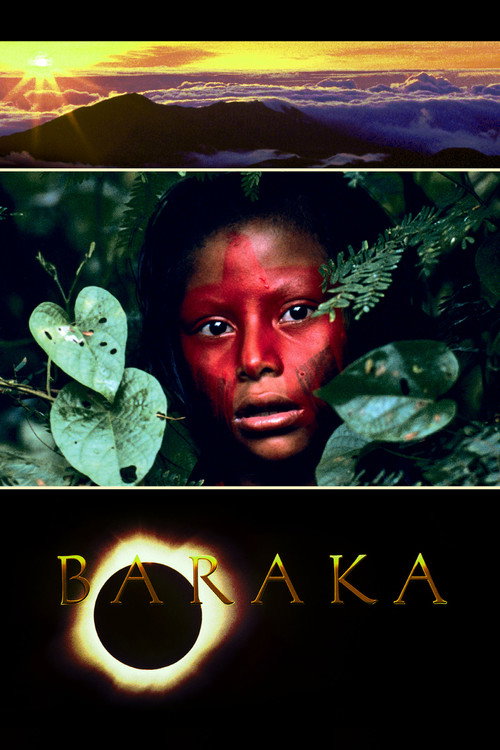
Baraka1992
Fricke's own follow-up, shot on 70mm across 24 countries with the same god's-eye patience—ritual, industry and nature blurring into one continuous pulse. It's the closest thing to a spiritual sequel, arguably even more visually staggering.
But No narration or context means some viewers will crave more explanation of what they're actually looking at.
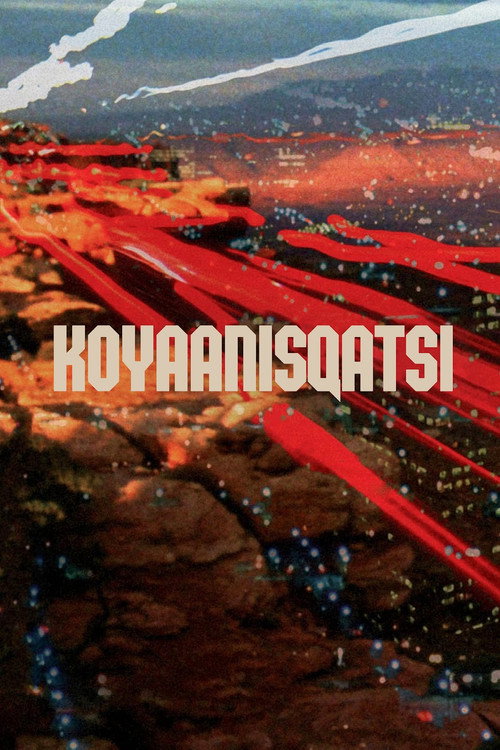
Koyaanisqatsi1983
The original inspiration behind Chronos's whole aesthetic—Philip Glass's hypnotic score married to time-lapse footage of nature giving way to machine civilization. It practically invented this genre of wordless cinematic essay.
But The pacing is deliberately glacial and the tone is bleaker; some find its anti-industrial message heavy-handed.
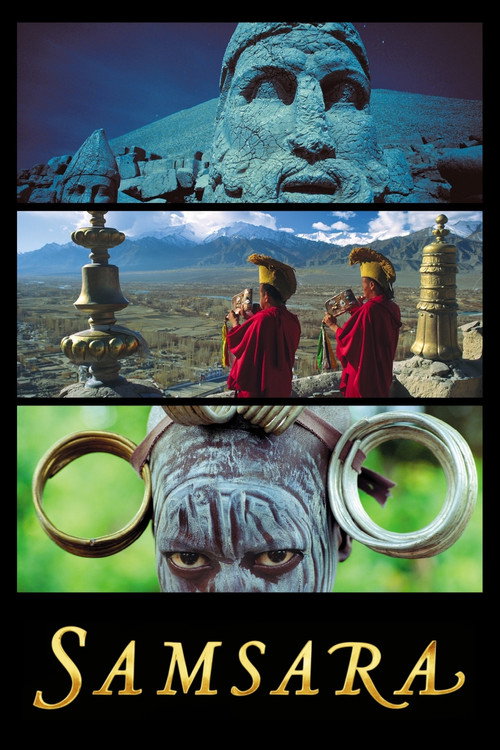
Samsara2011
Fricke's third and most technically dazzling entry in the Qatsi-adjacent trilogy, shot in 70mm across 25 countries over five years, pushing the same themes of birth, decay and renewal even further.
But It leans harder into shock imagery and spectacle than Chronos's quieter, more contemplative approach.
Not sure tonight? Get a pick in a minute, starting from Chronos
The wildcard
Something you would not have found on your own.
Man with a Movie Camera1929
Chronos's wordless compression of civilization into pure rhythm and image is a direct descendant of Vertov's 'kino-eye'—the first film to trust images alone to carry the weight of an entire world.
Dziga Vertov's silent Soviet experiment invented the kinetic, dialogue-free portrait of civilization decades before Fricke picked up a camera—double exposures, dizzying montage, a city waking and working captured with genuine astonishment at what film could do.
But It's silent, black-and-white and nearly a century old—expect a very different rhythm and far more human bustle than Chronos's ancient stillness.

More like this (7)
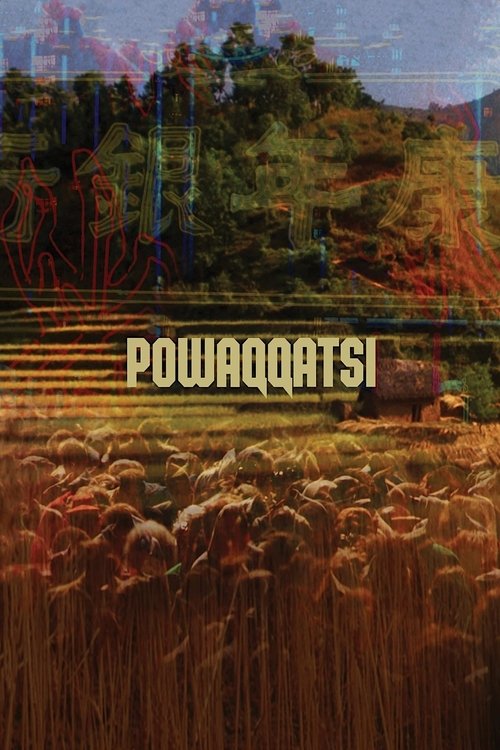
Powaqqatsi1988
The middle chapter of the Qatsi trilogy, turning its lens toward the developing world's laborers and cities rather than nature versus machine, with an equally transcendent Philip Glass score.
But Its focus on human suffering and labor gives it a heavier, more overtly political edge than Chronos ever attempts.
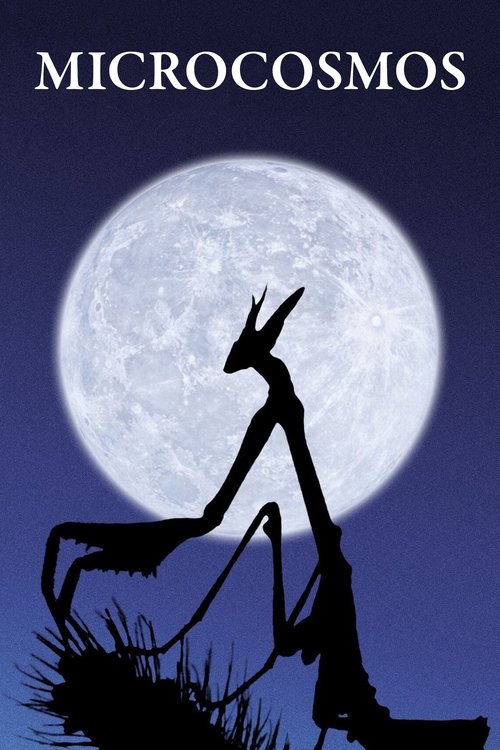
Microcosmos1996
Swaps the cosmic scale for the microscopic—a wordless, gorgeously shot journey through insect life in a French meadow that finds the same awe Chronos finds in temples and cities.
But If you're squeamish about bugs filmed in extreme close-up, this one will test you.
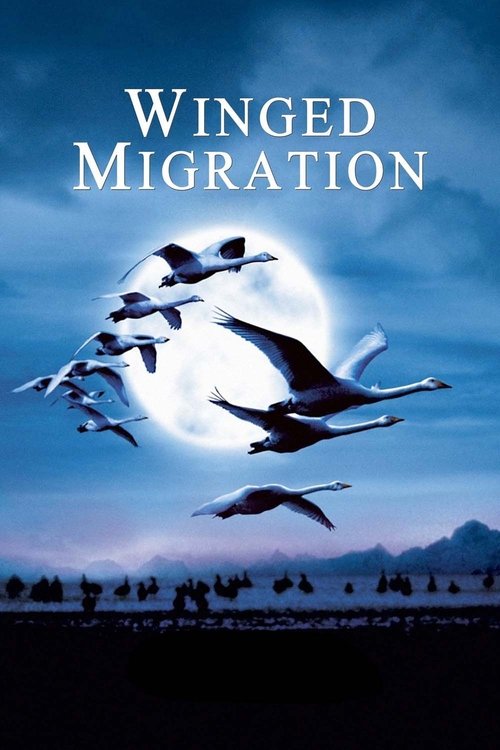
Winged Migration2001
Follows migratory birds across continents with cameras mounted alongside them in flight, delivering the same sense of vast scale and patient observation without a word of dialogue.
But It's more narratively structured around specific journeys, so it feels less abstract and meditative than Chronos.
Sweet Home Alabama2002
An aerial survey of the planet's landscapes and human footprint, shot entirely from above, sharing Chronos's appetite for turning the Earth itself into the main character.
But The narration, present here unlike Chronos, leans didactic and environmentalist, which some viewers find preachy.

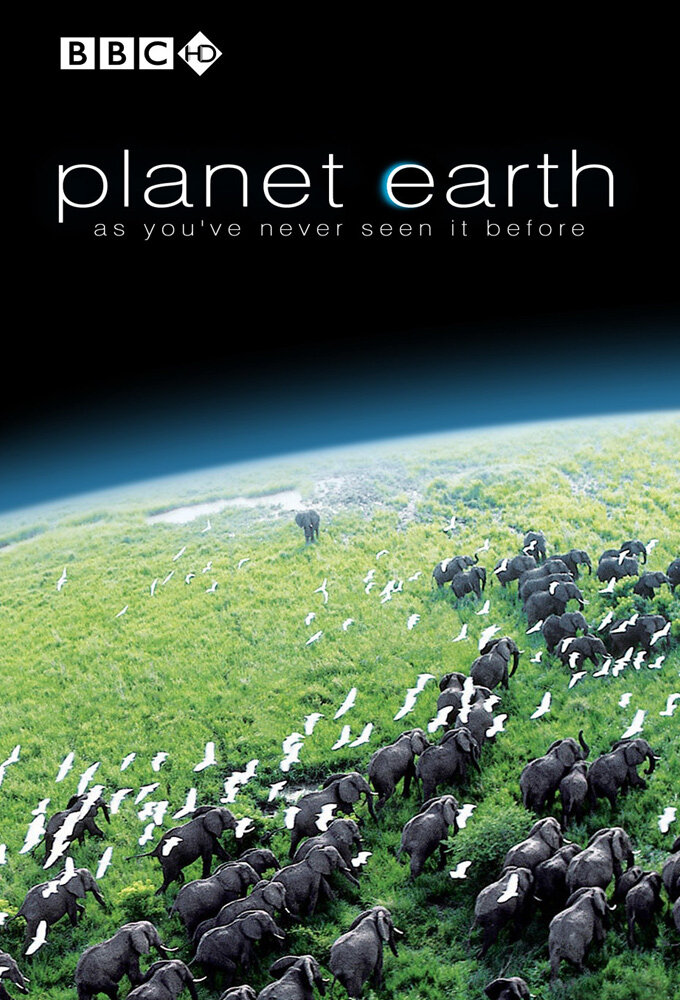
Planet Earth2006
If you want the same jaw-dropping cinematography and patient long takes but with actual explanation, David Attenborough's series delivers spectacle on an even grander, more varied scale.
But It's a multi-episode series with voiceover and narrative arcs, a much more conventional viewing experience than Chronos's wordless flow.
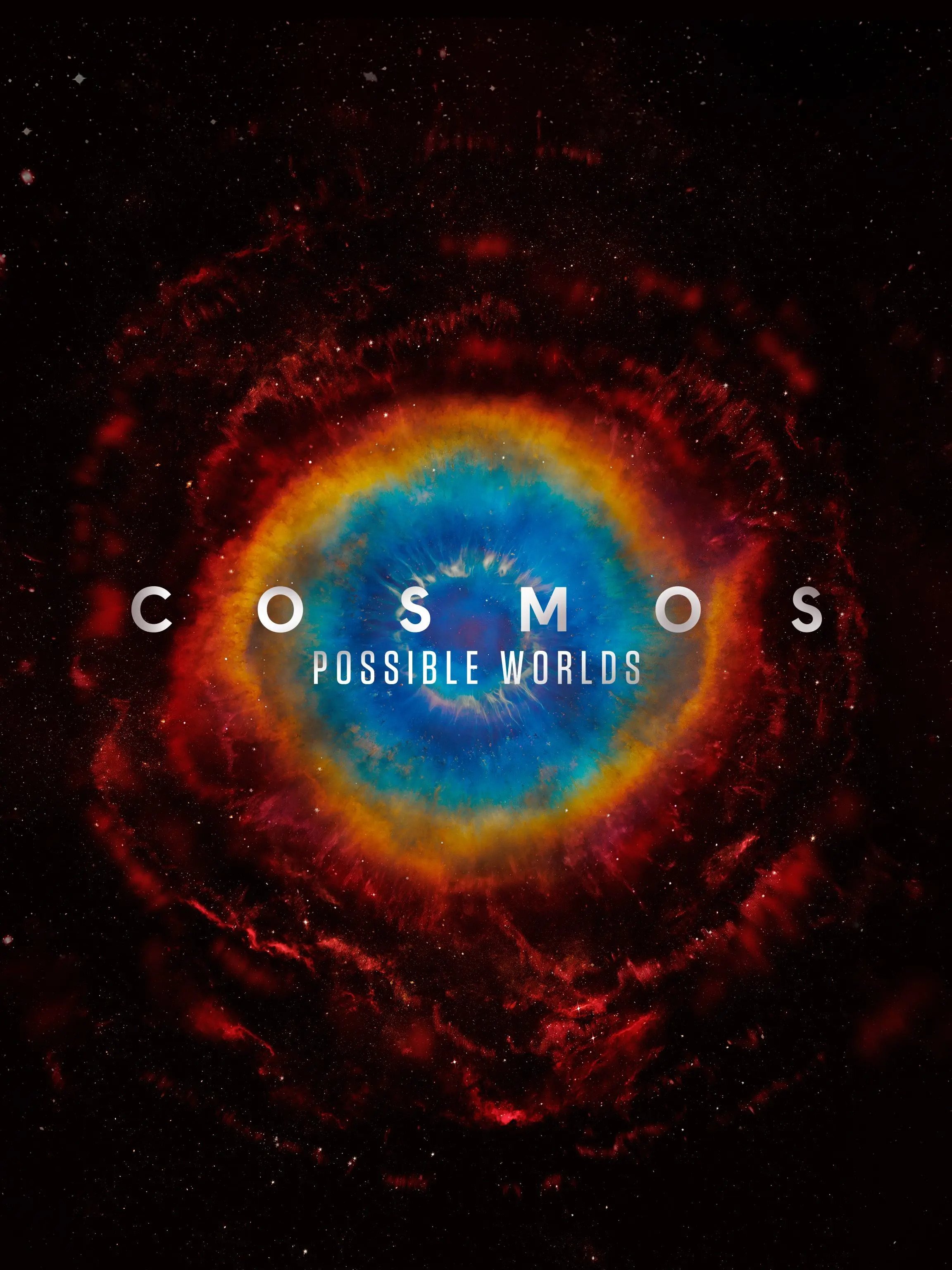
Cosmos1980
Both use visual effects and scale-shifting to make deep time visceral; Sagan just narrates the awe that Chronos leaves you to feel on your own.
Carl Sagan's landmark series does what Chronos does—compress unimaginable timescales into something a human mind can feel—but adds his warm, awestruck narration to guide you through billions of years of cosmic and biological history.
But It talks constantly, the opposite of Chronos's silence, and its 1980s production values show their age in places.
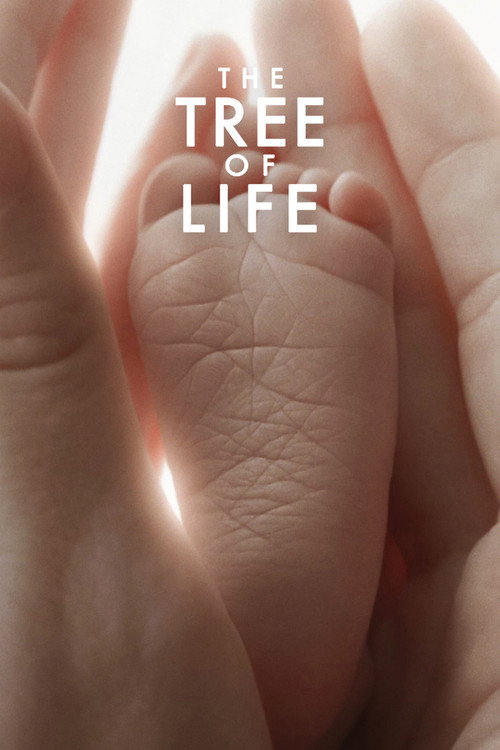
The Tree of Life2011
Malick borrows the exact language of time-lapse, scale-shifting wonder that Chronos trades in, then plants it inside an intimate human story—proof the technique can serve fiction as well as pure observation.
Terrence Malick's family drama detours, astonishingly, into a wordless cosmic-creation sequence—galaxies forming, cells dividing, dinosaurs breathing—effects work by Douglas Trumbull, the man behind 2001's stargate, in the same visual register as Chronos's time-lapse awe.
But It's a two-and-a-half-hour narrative film about grief and childhood memory; the cosmic imagery is a detour, not the whole point.
People
Directing
- Ron FrickeDirector
Writing
- Constantine NicholasScenario Writer
- Genevieve NicholasScenario Writer
Production
- Steven MarbleAssociate Producer
- Mark MagidsonExecutive Producer
- Jeffrey KirschProducer
- Ron FrickeProducer
Recommended by
Koyaanisqatsi, Baraka, Samsara, Powaqqatsi, Naqoyqatsi, Beowulf & Grendel, The Wasp Woman