
Film
The Wasp Woman
A 1959 B-movie about vanity, science gone wrong, and body horror that hits harder than its budget suggests. A cosmetics mogul injects herself with wasp-derived youth serum and transforms into something monstrous. It's campy, genuinely unsettling, and moves like a shot—61 minutes of pure pulp that never wastes time explaining itself.
Should you watch it?
Watch it if you love lean, tacky 1950s B-movies where a cheap premise is played with total sincerity, and you enjoy the lurid glamour of a cosmetics-company setting and its sweaty mad-scientist energy.
Skip it if you need polished effects, subtle performances or a story that holds together logically, since the pacing is brisk but the craft is rough and the plot leans on conveniently odd decisions.
What it asks of you: Only about an hour of your time, and an easygoing willingness to go along with its goofy, lurid tone. It moves quickly and wants you to meet it halfway rather than analyse every turn.
Not sure? Find tonight's pick in a minute.
If you liked this
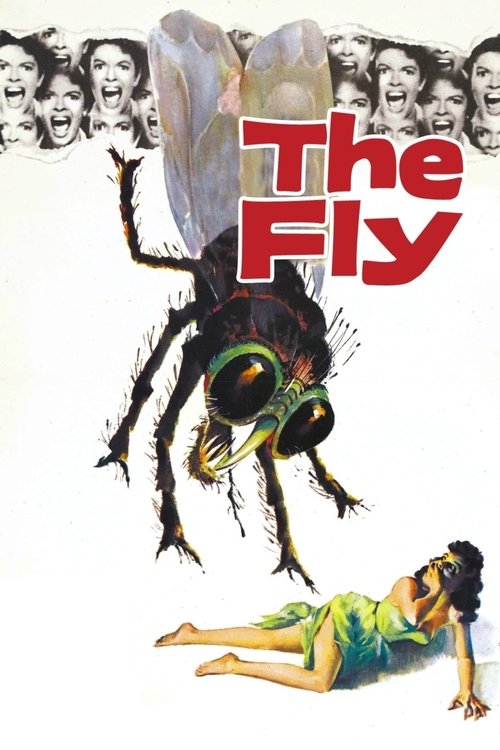
The Fly1958
Flesh-crawling body horror wrapped in genuine tragedy. The transformation scenes are still disturbing, and the emotional core—a man losing his humanity—gives real weight to the grotesque spectacle.
But The pacing is slower and more deliberate than Wasp Woman, and some of the 1950s dialogue feels creaky. If you want momentum over atmosphere, you might find it drags.
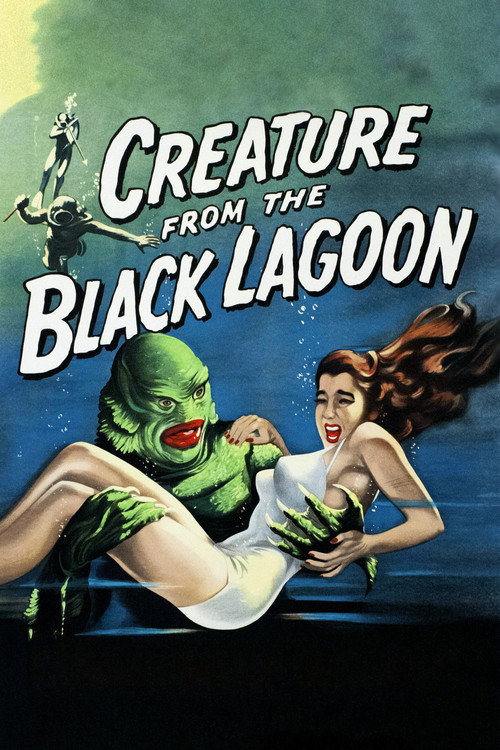
Creature from the Black Lagoon1954
Pure creature-feature joy: a monster that's genuinely eerie, a jungle setting that feels dangerous, and the restraint to let mystery do the heavy lifting. It's the template these films perfected.
But The romance subplot is thin, and the pacing assumes you'll sit with long stretches of mood over action. Modern audiences often find it slow.
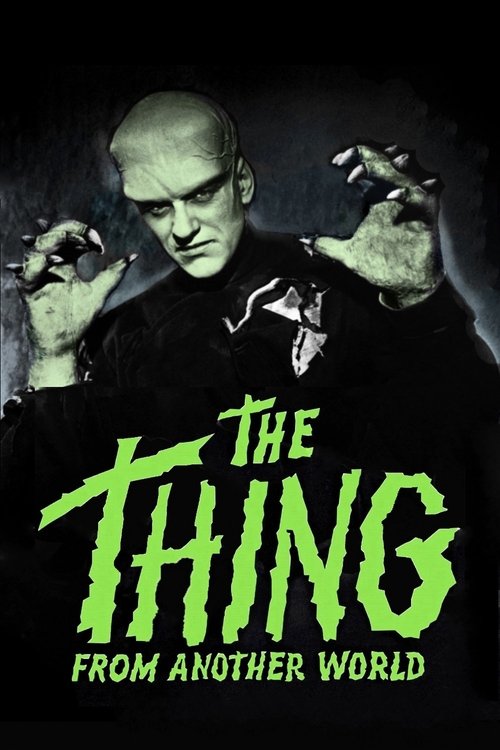
The Thing from Another World1951
Paranoia, isolation, and a creature that's a genuine threat rather than a guy in a suit. Hawksian dialogue snaps, the stakes feel real, and it influenced everything that came after.
But It's a talky film—lots of exposition and debate. If you came for monster mayhem, you'll get debate about monsters instead.
Not sure tonight? Get a pick in a minute, starting from The Wasp Woman
The wildcard
Something you would not have found on your own.
Chronos1985
Both use transformation—human into other—as their core image, but where Wasp Woman makes it monstrous and horrifying, Chronos finds it beautiful and sad. Wildly different registers, same root idea.
A 23-minute animated experiment by Guillermo del Toro that uses metamorphosis and body transformation as visual poetry rather than narrative plot. It's gorgeous, unsettling, and entirely wordless—pure cinema.
But There is no conventional story. If you need plot and dialogue, this is a short film about abstraction that will frustrate you. It's visual language, not narrative.

More like this (6)
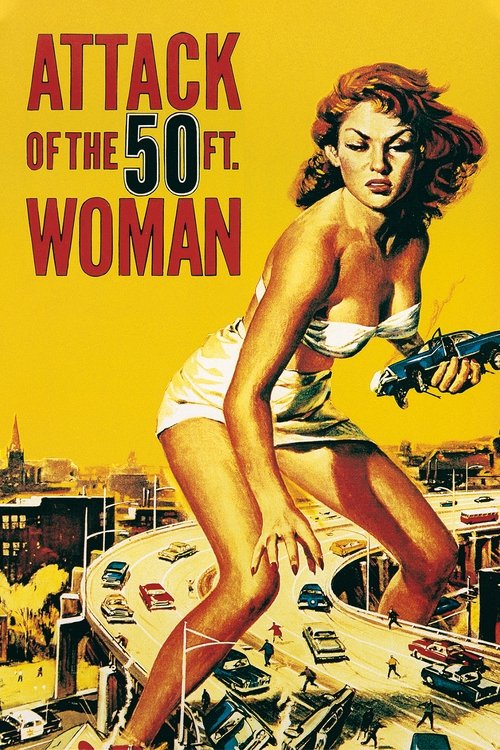
Attack of the 50 Foot Woman1958
Gloriously weird premise executed with absolute sincerity. The special effects are audacious, the gender politics are fascinatingly inverted, and it commits fully to its own absurdity.
But The plot is paper-thin, the acting is broad, and the logic doesn't hold. It's entertainment through strangeness, not story.
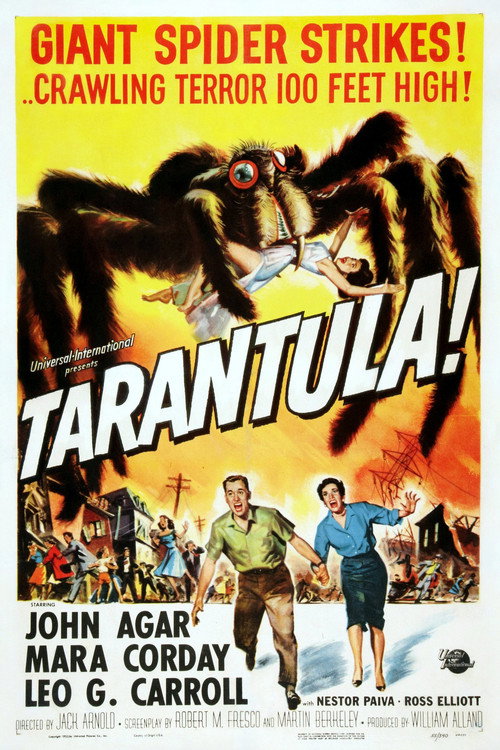
Tarantula1955
A giant spider on a rampage, treated with B-movie seriousness that somehow makes it work. The atomic-age anxiety is palpable, and the special effects have a practical ingenuity.
But Giant monster movies rely heavily on your willingness to buy the central premise. If you're skeptical, the seams show immediately.
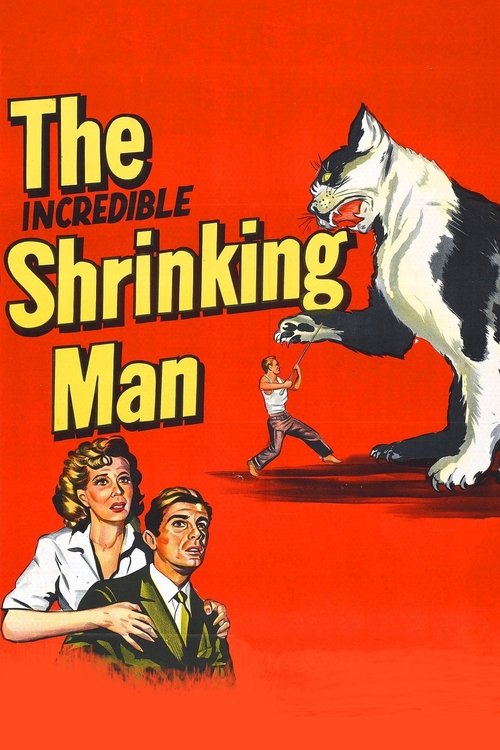
The Incredible Shrinking Man1957
Science fiction that's actually about something—masculinity, helplessness, meaning in an indifferent universe. It uses the shrinking gimmick to explore real existential terror.
But It gets philosophical and melancholy in the final act. If you want pulp thrills, the introspection might feel like the film has lost interest in entertaining you.
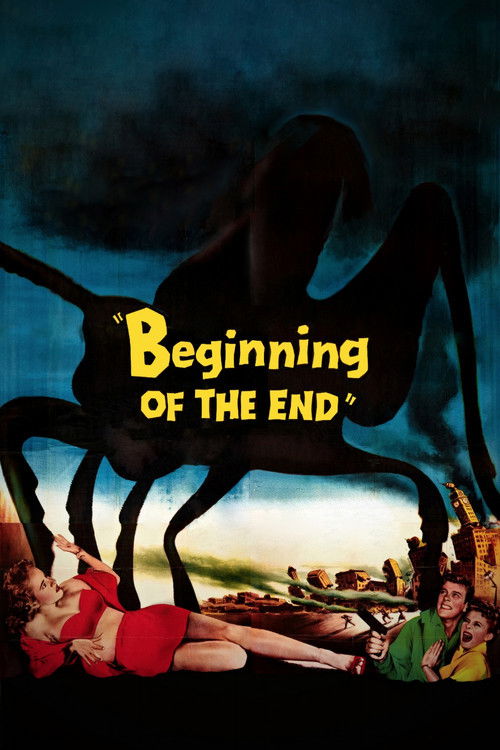
Beginning of the End1957
Giant grasshoppers attack Chicago in a film that takes its destruction seriously. The scale of the disaster feels impressively realized for the era, and there's real invention in how the creatures are brought to life.
But The romantic subplot is obligatory and drains energy. The second half pivots to military problem-solving, which is less fun than watching grasshoppers wreck things.
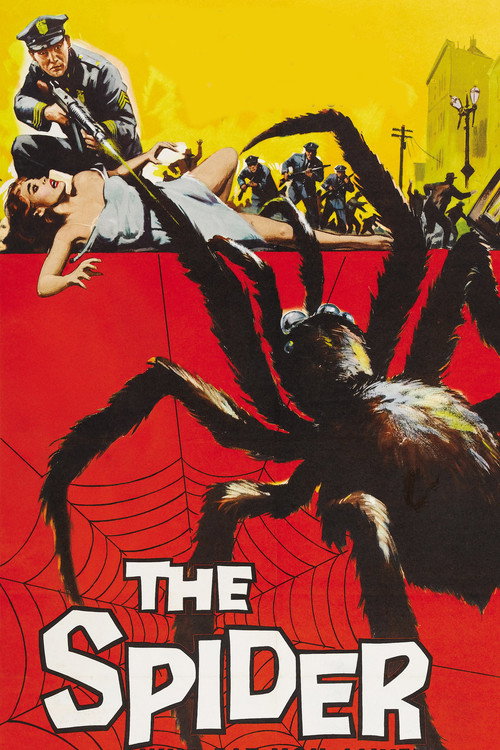
Earth vs. the Spider1958
A genuinely tense creature feature with psychological elements—the spider is a manifestation of something deeper. It's less about spectacle than dread, and the low budget forces smart filmmaking.
But It's slow and relies on mood over action. The creature design, while effective in shadows, is less impressive in full light. Patience required.
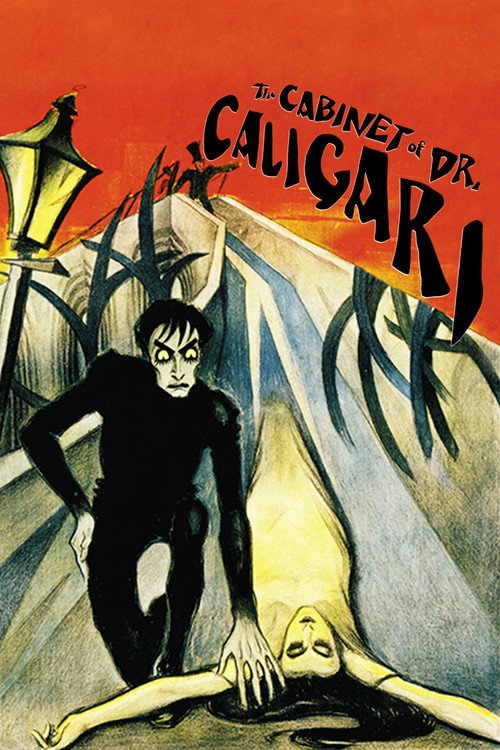
The Cabinet of Dr. Caligari1920
Both are mad-scientist films where the scientist's arrogance triggers catastrophe, but Caligari uses form and design to make psychology visible. Wasp Woman inherited its skeleton.
The granddaddy of psychological horror, where a mad scientist creates a sleepwalking killer. Distorted sets, stark lighting, and a twist that reframes everything. It invented the grammar these films speak.
But It's silent, it's 100 years old, and its pacing assumes you'll sit with German Expressionist aesthetics. The acting is theatrical and the plot hinges on a concept that no longer shocks.
People
Cast
 Susan CabotJanice Starlin
 Anthony EisleyBill Lane
 Michael MarkDr. Eric Zinthrop
 Barboura MorrisMary Dennison
 William RoerickArthur Cooper
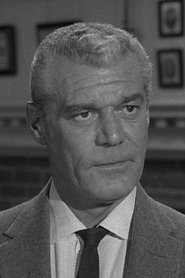 Frank GerstleLes Hellman
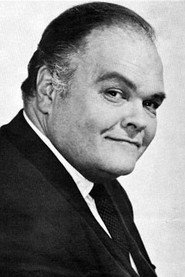 Bruno VeSotaNight Watchman
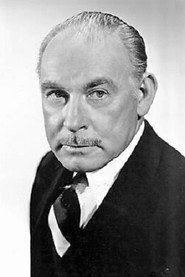 Roy GordonPaul Thompson
- Carolyn HughesJean Carson
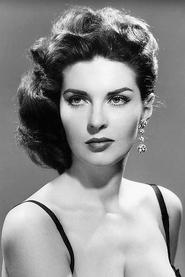 Lynn CartwrightMaureen Reardon
 Frank WolffFirst Delivery Man
- Lani MarsNurse
Directing
- Roger CormanDirector
Writing
- Leo GordonScreenplay
- Kinta ZertucheStory
Production
- Roger CormanProducer
- Jack BohrerProduction Manager
Recommended by
Bride of the Monster, Voodoo Woman, The Mad Monster, Captive Wild Woman, Lust of the Vampire, Brides of Blood