
Film
The Cabinet of Dr. Caligari
The film that invented the twist you've seen a hundred times since: a silent German horror about a hypnotist and his sleepwalking killer, staged inside skewed, painted sets that look drawn from a fever dream. It's less about scares than dread — jagged shadows, tilted doorways, a world that feels wrong before anything happens. Essential for anyone curious where cinematic horror's visual language began.
If you liked this
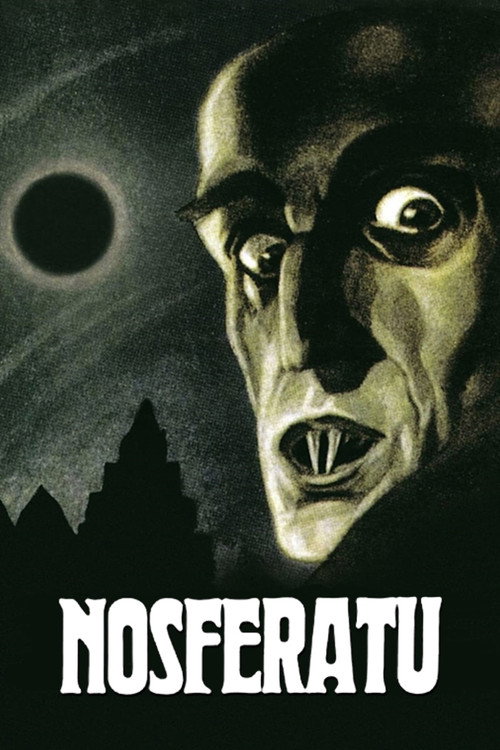
Nosferatu1922
Made two years later in the same German silent tradition, it swaps Caligari's stagey sets for real locations and shadows, and gives horror its first truly iconic monster.
But Silent, slow by modern pacing, and its central performance leans theatrical rather than naturalistic.
M1931
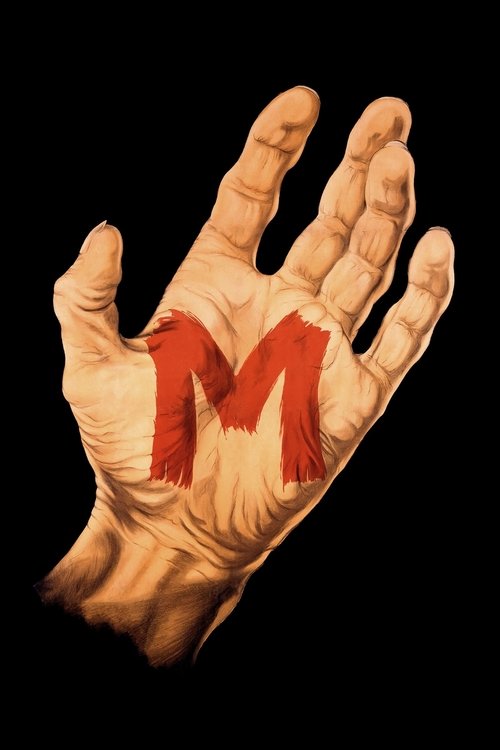
Fritz Lang's sound-era thriller about a child killer hunted by both police and criminals shares Caligari's obsession with the line between madness and social order.
But Grim subject matter handled unsentimentally; no easy catharsis, and its procedural pacing can feel dry.
Metropolis1927
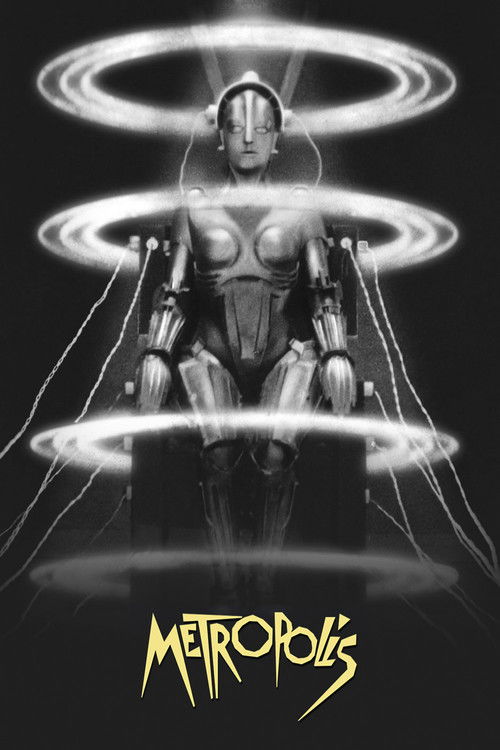
The same Expressionist toolbox — looming sets, geometric crowds, a world built to disorient — turned toward science fiction on a colossal studio budget.
But Its politics are simplistic and the romance subplot hasn't aged well; spectacle carries it more than story.
The wildcard
Something you would not have found on your own.
Perfect Blue1998
Same nested, unreliable-narrator structure as Caligari's asylum framing device, rebuilt for anime — proof the trick survives a total change of medium.
A pop idol's grip on reality dissolves as her identity is stolen and doubled, animated with a queasy precision live action rarely manages — one of the great psychological horror films, full stop.
But Explicit and genuinely disturbing in places; its constant reality-shifting can be actively confusing on first watch.

More like this (8)
The Shining1980
Kubrick's haunted hotel runs on the same idea as Caligari's tilted cabinet: architecture itself becomes a symptom of the mind coming apart.
But Deliberately paced and ambiguous — if you want answers rather than dread, it may frustrate.
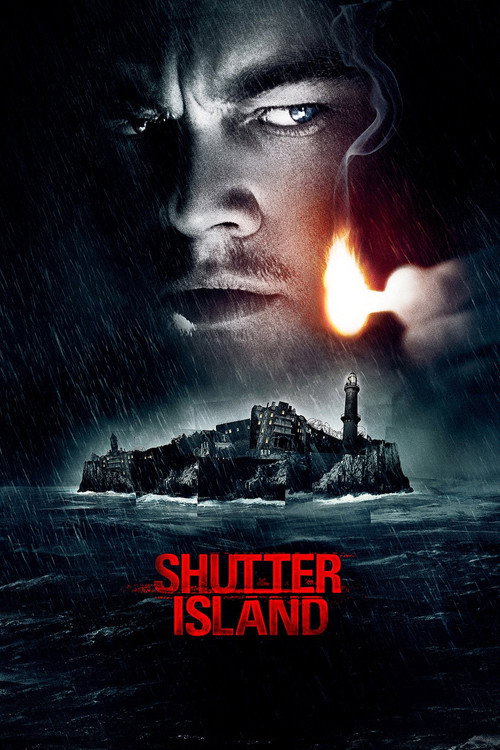
Shutter Island2010
A modern, glossy descendant of Caligari's asylum twist, with DiCaprio unraveling his own investigation in ways that echo the earlier film's final reveal.
But The twist is telegraphed early for genre-savvy viewers, and Scorsese leans hard into pulp melodrama.
Black Swan2010
Aronofsky's ballet nightmare uses distorted mirrors and warped perception the way Caligari used warped sets — both let the visuals lie to you along with the heroine.
But Intensely theatrical and body-horror adjacent; some find its hysteria exhausting rather than unsettling.

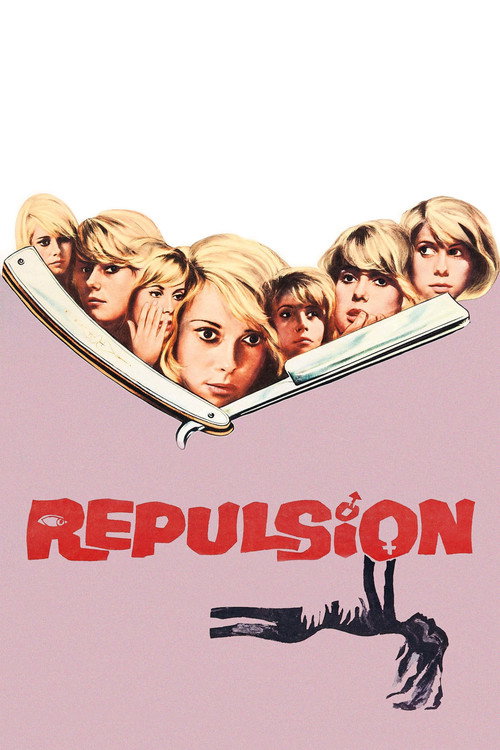
Repulsion1965
Polanski's claustrophobic study of a woman's mental collapse in a London flat carries Caligari's DNA — reality warping to match a fracturing psyche.
But Slow-burn and deeply uncomfortable, with little plot momentum until its final stretch.
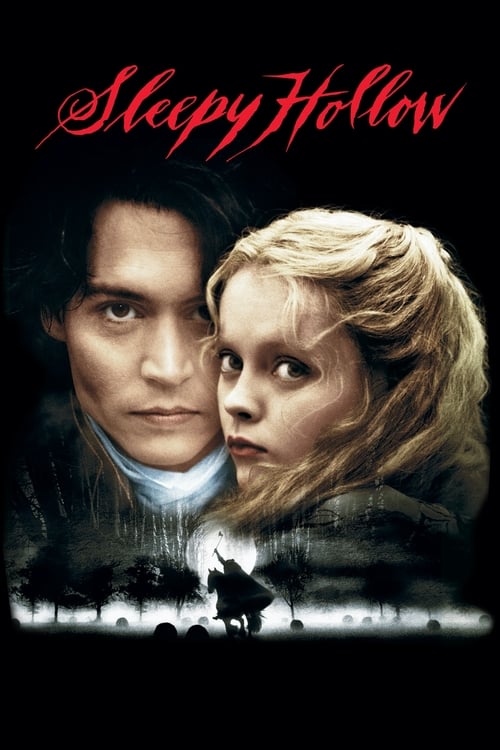
Sleepy Hollow1999
Tim Burton's gothic visual style is a direct descendant of German Expressionism, all crooked headstones and painted-sky menace, wearing Caligari's aesthetic as a costume.
But More style than substance, and the horror is played for atmosphere and camp rather than genuine dread.
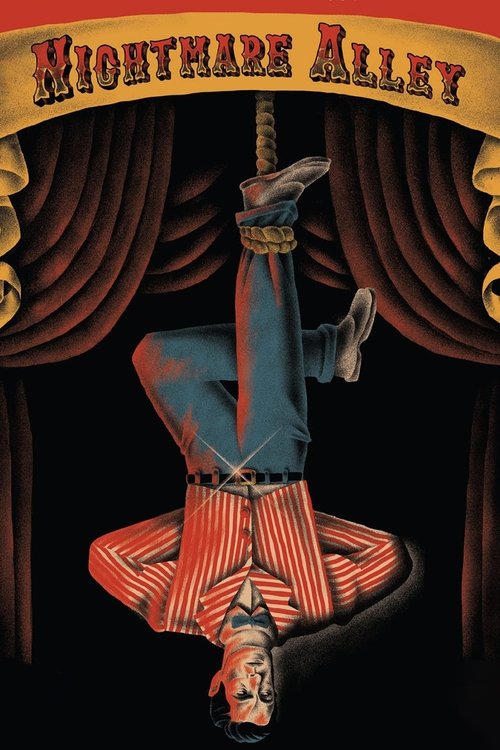
Nightmare Alley1947
A carnival con-man drama with the same sinister showman-and-sideshow atmosphere as Caligari's fairground exhibit, minus the supernatural twist.
But It's a noir character study more than horror, and the moral punishment of its antihero is heavy-handed by today's standards.
Shock Corridor1963no page yet
Both use warped, subjective visuals to make the audience doubt what's real inside an institution — Caligari's twist reveal reborn as American pulp instead of German art cinema.
A pulpy American newsman fakes madness to solve a murder inside an asylum, and Fuller blows out into blazing color for the hallucinations — cheap, feverish, and completely committed to its own delirium.
But It's B-movie melodrama with clunky dialogue and some startlingly crude handling of its subject matter by modern standards.
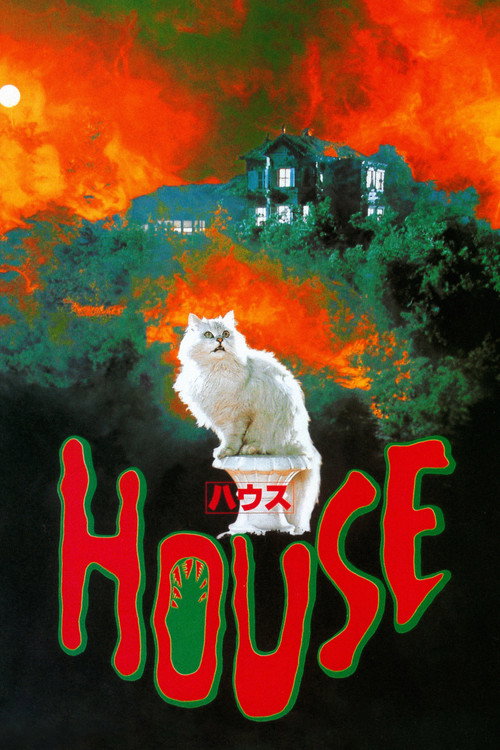
House1977
Takes Caligari's core idea — that a building can externalize a broken mind — and detonates it in full camp color instead of expressionist gloom.
A haunted house eats teenage girls alive in the most gleefully deranged, candy-colored way imaginable — pure visual anarchy with a theme park's sense of fun.
But Tonally bizarre by design; if you want coherent scares rather than gonzo spectacle, this will baffle more than frighten.
People
Cast
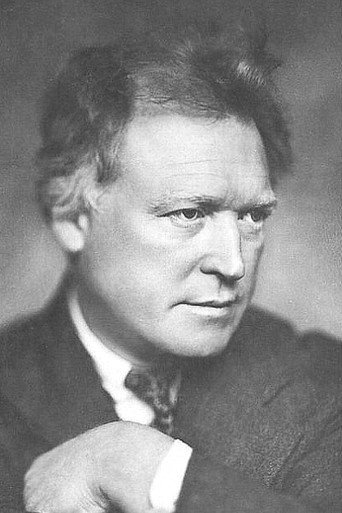 Werner KraussDr. Caligari
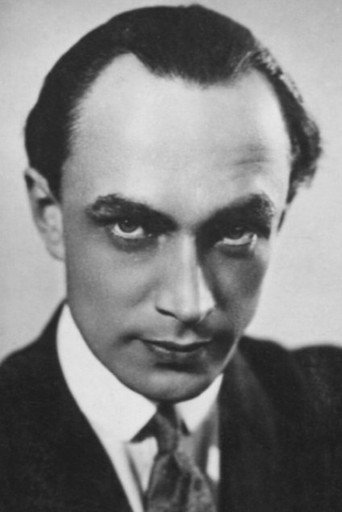 Conrad VeidtCesare
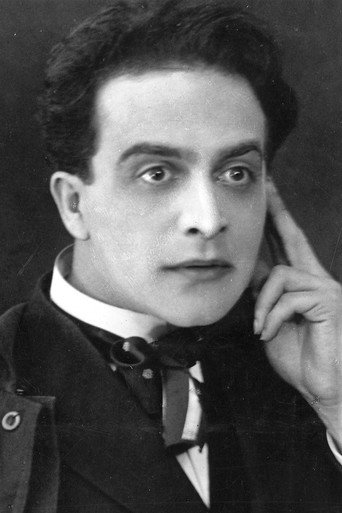 Friedrich FehérFrancis
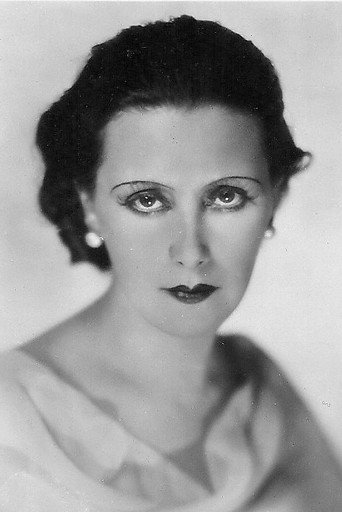 Lil DagoverJane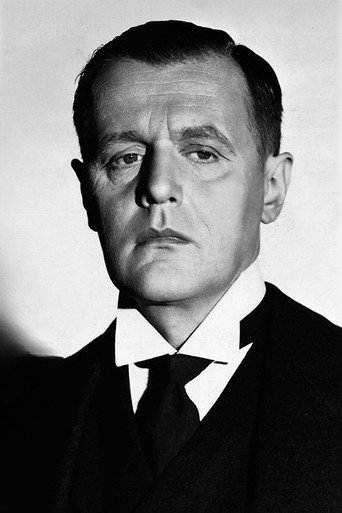
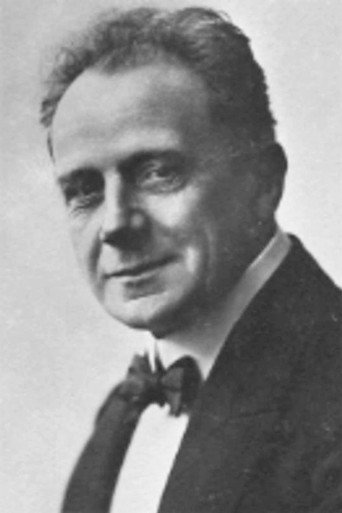 Rudolf LettingerDr. Olsen
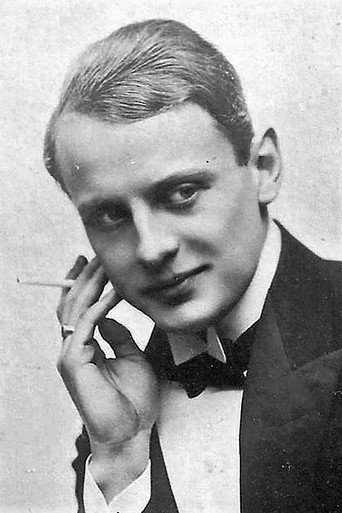 Henri Peters-ArnoldsYoung Doctor (uncredited)
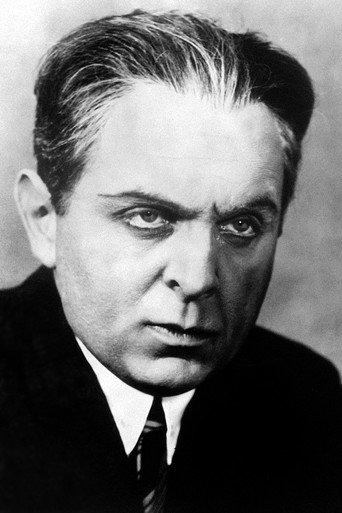 Rudolf Klein-RoggeCriminal (uncredited)
- Hans Lanser-RudolfOld Man (uncredited)
- Ludwig RexMurderer (uncredited)
 Elsa WagnerLandlady (uncredited)
Directing
- Robert WieneDirector
Writing
- Carl MayerScreenplay
- Hans JanowitzScreenplay
Production
- Erich PommerProducer
- Rudolf MeinertProducer
Recommended by
Psycho, The Illusionist, Repulsion, Metropolis, Kwaidan, The Thief of Bagdad, The Adventures of Prince Achmed, Nosferatu, The Snake Pit, Eyes Without a Face, Alice in Wonderland, Spellbound, A Nightmare on Elm Street, House of Frankenstein, The Tenant, The Old Dark House, The Golem: How He Came into the World