
Film
Anemic Cinema
- Absurdist comedy
- Light-hearted
- Strange
Man Ray's seven-minute abstract film is pure visual jazz: a hypnotic spiral and rotating disk that trade places with mechanical precision. Brief, witty French text floats across the image in playful puns. It's experimental cinema at its most elegant and accessible—a visual riddle that rewards close attention without demanding patience.
If you liked this
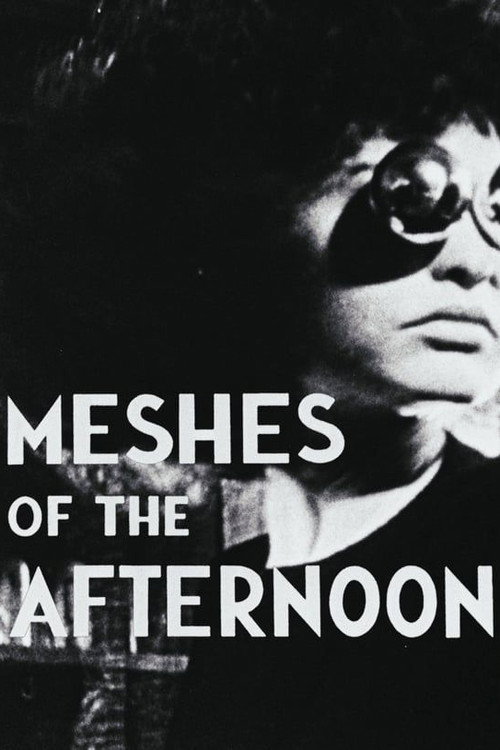
Meshes of the Afternoon1943
Maya Deren's 17-minute masterpiece uses repetition and mirrors to explore consciousness and dream logic. Like Anemic Cinema, it's brief, formally daring, and uses constraint to deepen meaning rather than limit it.
But Its circular narrative and abstraction demand active viewing. If you want plot or conventional narrative, you'll leave frustrated.
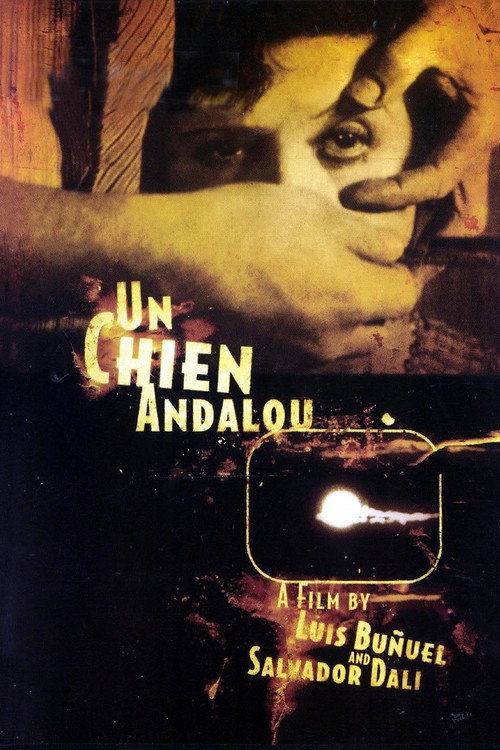
Un Chien Andalou1929
Buñuel and Dalí's surrealist landmark experiments with image and sensation over story, much like Ray's visual poetry. Both prove cinema can be pure provocation and beauty without explanation.
But It's deliberately unsettling and includes scenes of real harm to animals. The shock is the point, which won't appeal to everyone.
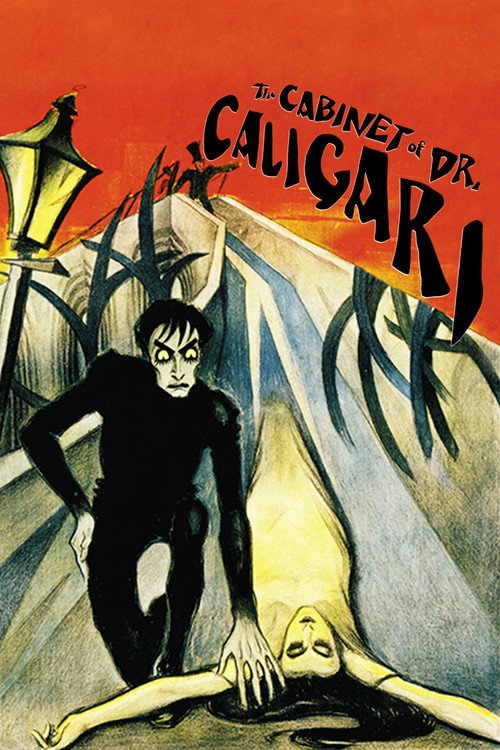
The Cabinet of Dr. Caligari1920
Expressionist cinema at its height: distorted angles, stylized sets, and visual language that speaks louder than dialogue. Both films prove form itself can be the subject and the story.
But The pacing feels glacial by modern standards, and the narrative is murky. You're watching cinema as design, not as plot delivery.
Not sure tonight? Get a pick in a minute, starting from Anemic Cinema
The wildcard
Something you would not have found on your own.
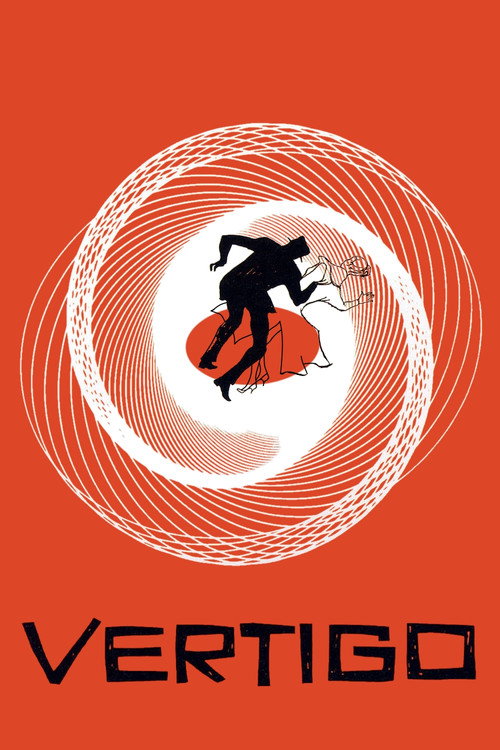
Vertigo1958
Both use spiraling or spinning imagery as the structural and psychological core of the work.
Hitchcock's spiral obsession—visual, thematic, structural—directly echoes Ray's spinning disk. Both films use geometric repetition as the engine of psychological states. Vertigo proves that abstract formal ideas can carry emotional weight and terror.
But It's a 128-minute psychological thriller with horror elements. If you want pure formal play without psychological dread, this will feel like cinema for a different purpose.
More like this (8)
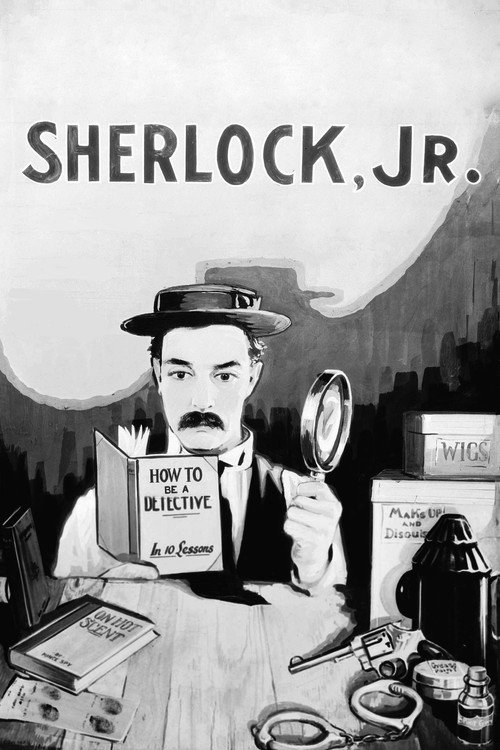
Sherlock Jr.1924
Buster Keaton's visual genius—playful, witty, formally inventive—shares Ray's love of formal games and mechanical precision. Pure cinema that speaks through movement and composition, not words.
But Silent comedy can feel quaint now. If you need constant action or dialogue, the pacing may test you.
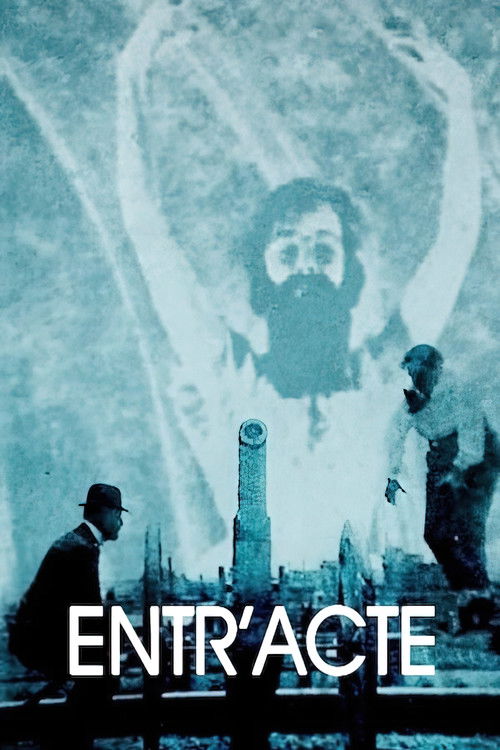
Entr'acte1924
Clair's Dada-influenced absurdist film shares Ray's playful spirit and formal experiment. It's chaotic where Anemic Cinema is ordered, but both revel in cinema as pure visual possibility.
But Its anarchic energy can feel shapeless. There's no emotional core to anchor the formal play.
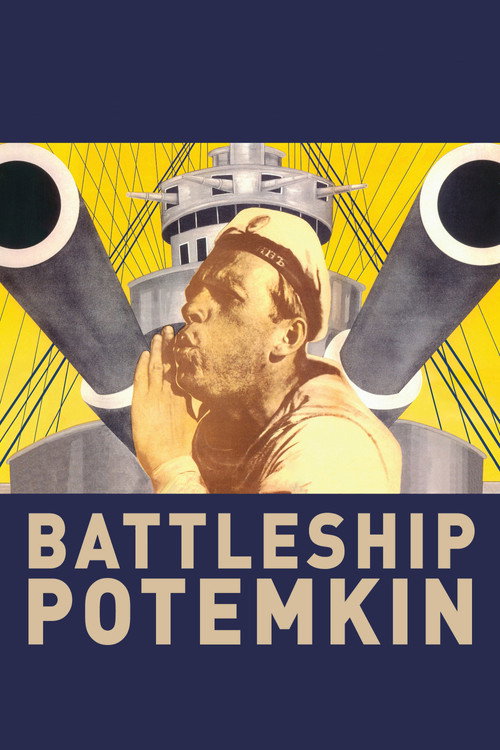
Battleship Potemkin1925
Eisenstein's montage theory proves that meaning lives in the collision of images, not in what they show. Ray uses rhythm and repetition similarly—form creates meaning.
But It's a political work dense with Marxist theory and Soviet propaganda. The formal innovation matters more to most viewers than the message now.
Sunrise: A Song of Two Humans1927
F.W. Murnau's visual mastery—composing space, light, and movement as pure cinema language—echoes Ray's faith in form over narrative. Both films are about watching itself.
But Its sentimental melodrama feels dated. The emotional beats can read as overwrought to contemporary eyes.

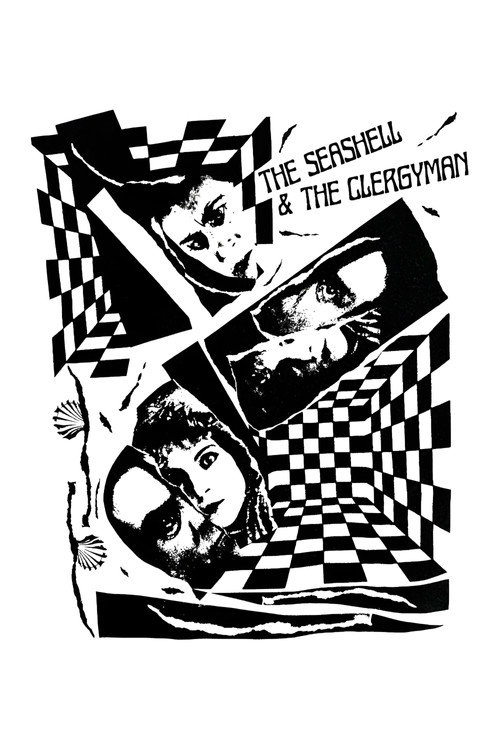
The Seashell and the Clergyman1928
Germaine Dulac's surrealist work, also influenced by Dada, shares Ray's interest in visual abstraction and dream logic. Both reward abstract, formal attention.
But It's deliberately obscure and resistant to interpretation. Viewers seeking coherence will find only surfaces.
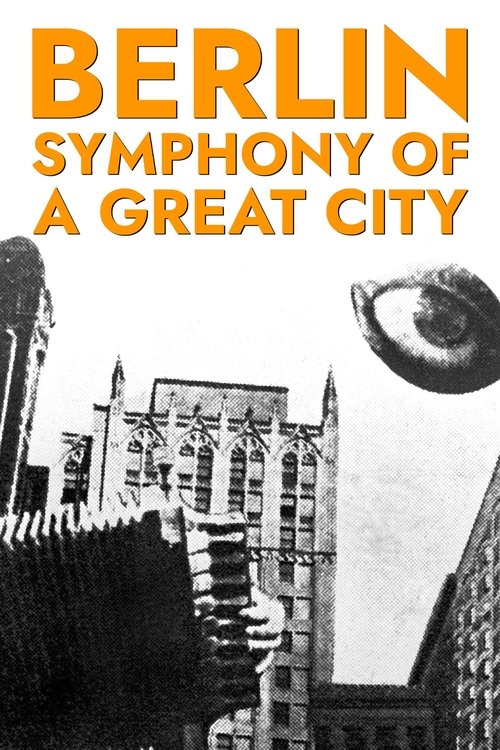
Berlin: Symphony of a Great City1927
Ruttmann's city symphony uses rhythm, montage, and repetition to create visual poetry from urban life. Both films prove that pattern and pacing can generate feeling without narrative.
But It's essentially a feature-length visualization of city rhythm. Without narrative hooks, attention can waver.
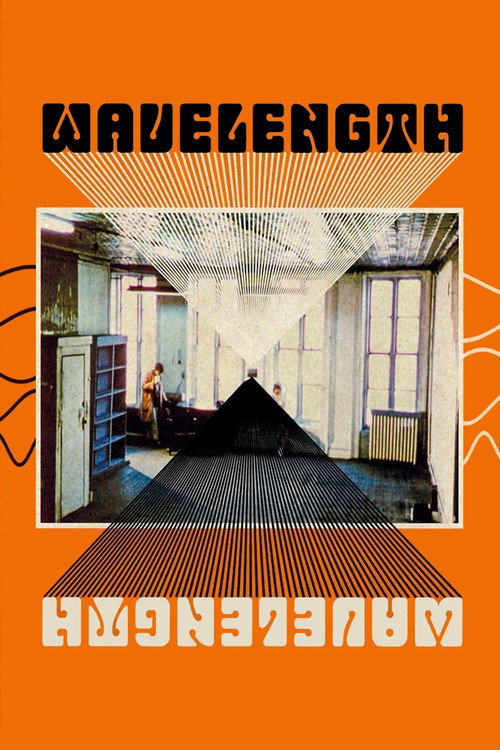
Wavelength1967
Both are structural films that use a single, obsessive formal idea to explore the nature of visual perception and cinema itself.
Michael Snow's 45-minute zoom through a loft uses a single formal operation—the slow approach to a window—to examine time, perception, and the nature of cinema itself. Like Ray, Snow trusts formal constraint to generate meaning and emotion.
But It's essentially a single, slow camera movement with minimal incident. Patience is not optional. Most viewers will find it punishing.
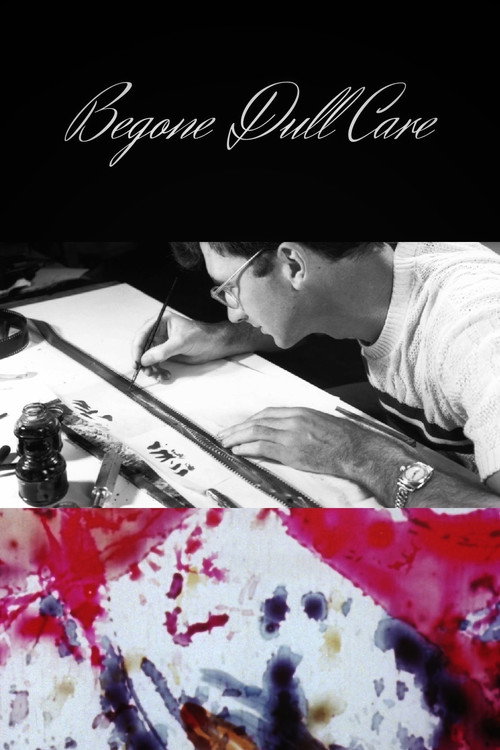
Begone Dull Care1949
Both are brief, abstract works that use geometric forms and rhythm as their entire vocabulary, finding emotion and wit in pure formal play.
Len Lye and Norman McLaren's abstract animation uses pure geometric movement and color in sync with music—visual music without figuration. Like Ray, it proves that form, rhythm, and precision can create genuine delight and even meaning without representation.
But It's three minutes of pure abstraction. If you need subject matter or narrative, this offers none—just color and motion.
People
Directing
- Man RayAssistant Director
- Marcel DuchampDirector
Writing
- Marcel DuchampIdea
- Marcel DuchampWriter