
Film
Un Chien Andalou
- Fantasy
- Very dark
- Strange
Buñuel and Dalí's 1929 surrealist masterpiece is seventeen minutes of pure dream logic—bizarre, grotesque, hypnotic. A woman's eye is sliced open. A man drags pianos with dead horses across a ballroom. There is no plot, only image and sensation. It's transgressive art that still shocks, and essential viewing for anyone serious about cinema.
Should you watch it?
Watch it if you love short, dreamlike films that run on private logic and images rather than plot, and you enjoy being unsettled by a shock you cannot quite explain afterward.
Skip it if you want a story that builds, a character to follow, or a reason for each scene; its jolts come without explanation, and some are hard to sit through.
What it asks of you: Only seventeen minutes, but it wants you fully alert, accepting its dream logic without asking for a plot, and it moves in abrupt cuts rather than gentle flow.
Not sure? Find tonight's pick in a minute.
If you liked this
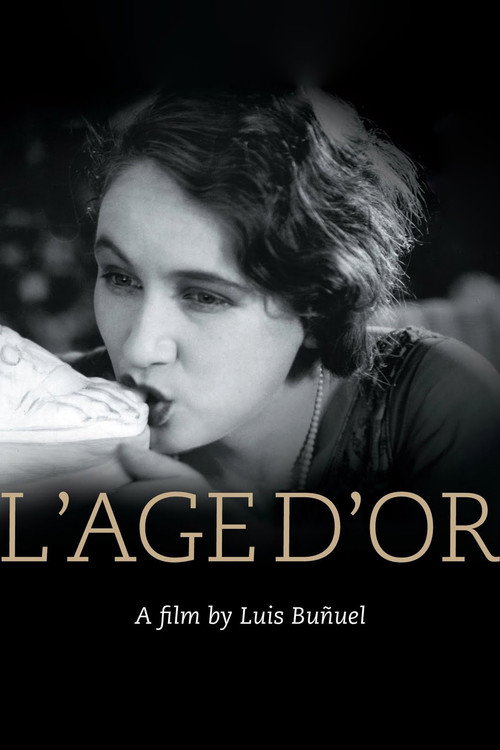
L'Âge d'or1930
Buñuel's follow-up deepens the surrealist revolt, adding eroticism and religious blasphemy to the dream language. More sustained narrative, more audacious. If Un Chien Andalou intrigued you, this takes it further.
But It's structurally looser and longer (two hours), with stretches that feel deliberately tedious. The sexual content and blasphemy are genuinely offensive—which is partly the point, but worth knowing.
Meshes of the Afternoon1943
Maya Deren's 17-minute film uses the same length and dream grammar as Un Chien Andalou but channels it toward psychological introspection. A masterpiece of American experimental cinema that shares DNA with Buñuel's sensibility.
But Even more abstract and personal than Un Chien Andalou. No shock value, just opacity. If you need narrative, this offers none.

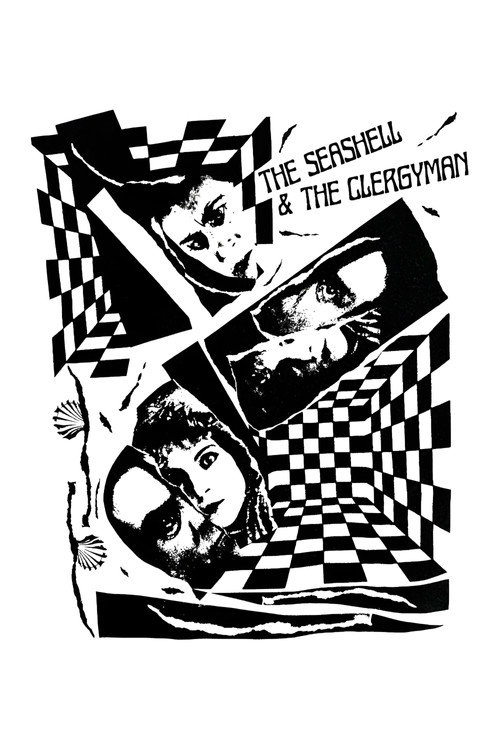
The Seashell and the Clergyman1928
Germaine Dulac's proto-surrealist film predates Un Chien Andalou and influenced it. Hallucinatory, formal, deeply weird. A crucial precursor that shows where surrealism came from.
But The image quality is poor and the pacing glacial. You're watching cinema archaeology, not entertainment. Early experimental film requires patience.
Not sure tonight? Get a pick in a minute, starting from Un Chien Andalou
The wildcard
Something you would not have found on your own.
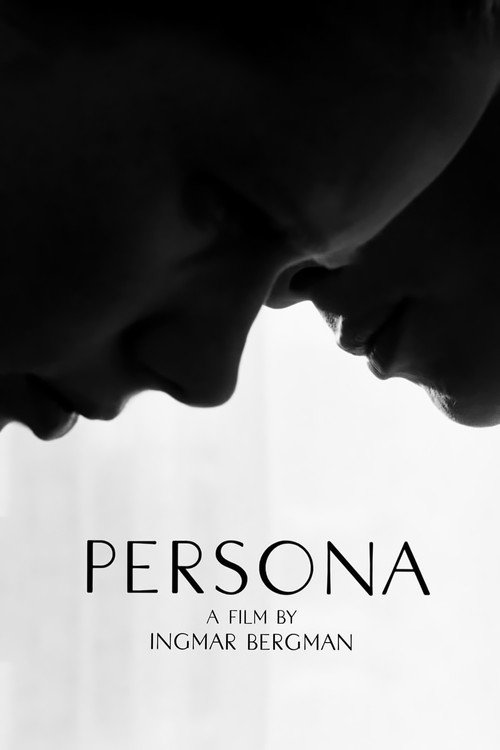
Persona1966
Both use the filmed image itself—its texture, its violence, its unreliability—to represent the unconscious mind. Buñuel with shock, Bergman with silence. Same impulse, opposite register.
Bergman's psychological duel between actress and nurse unfolds like a descent into shared madness. Uses cinema itself—image breaking, blank frames, the film strip—as surrealist material. Pure cinema as psychological exploration.
But Austere, glacial, and demands active interpretation. No resolution, no comfort. Bergman assumes you're willing to sit with profound discomfort.
More like this (7)
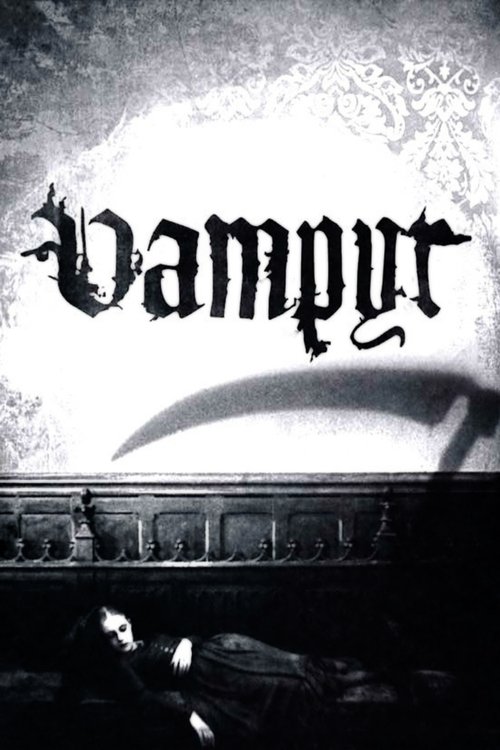
Vampyr1932
Carl Theodor Dreyer channels surrealist dream-logic into vampire horror. Atmospheric, disorienting, genuinely eerie. Proves that the avant-garde sensibility could haunt a narrative film.
But Slow and murky by design. The vampire plot is almost incidental. If you want action or clarity, you won't find it.
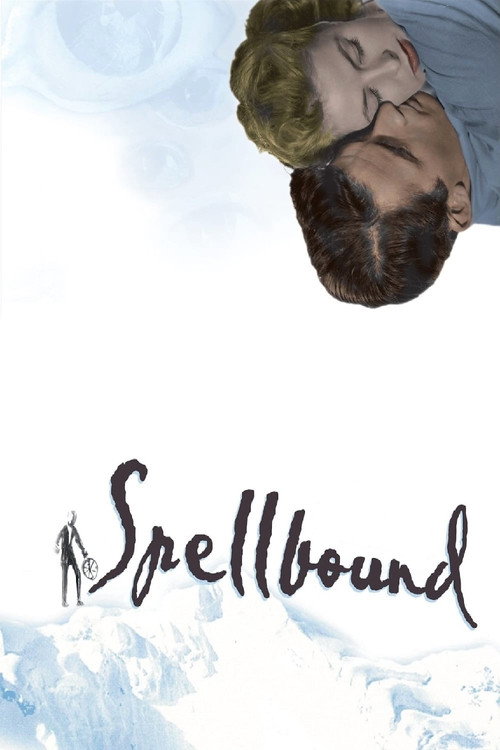
Spellbound1945
Hitchcock embraces Dalí's surrealism for dream sequences, blending psychological thriller with avant-garde aesthetics. A Hollywood film that took the avant-garde seriously and made it thrilling.
But The dream sequences, however striking, feel like set pieces in a conventional narrative. It's Hitchcock's compromise with surrealism, not surrealism's triumph.
The Cabinet of Dr. Caligari1920
German Expressionism's masterpiece distorts reality through design and performance. Shares Un Chien Andalou's commitment to visual strangeness as psychological truth, but via painted sets instead of dream logic.
But It's from 1920, which means silent, slow, and visually dated by today's standards. The plot, while twisted, is still a plot—less pure abstraction than Buñuel.

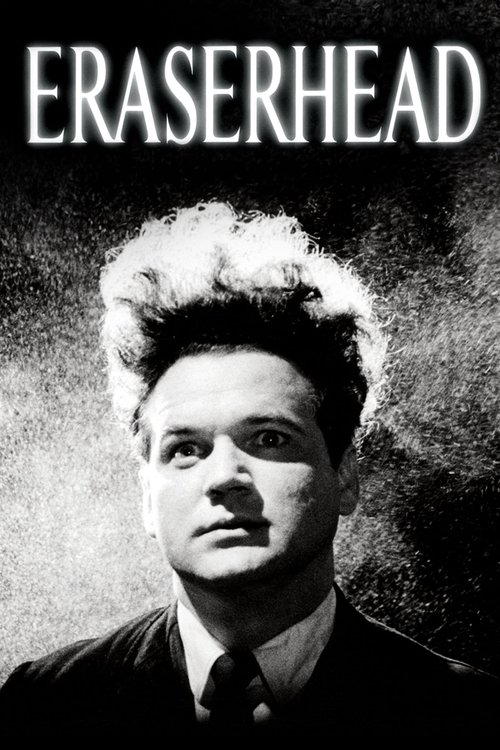
Eraserhead1977
Lynch's black-and-white nightmare translates surrealist cinema into an industrial-age nightmare. Grotesque, funny, deeply unsettling. Proof that the surrealist impulse survived into contemporary film.
But It's aggressively bleak and deliberately unclear. Some find it pretentious. The visceral disgust is the whole point, which isn't for everyone.
Synecdoche, New York2008
Kaufman constructs a film that operates on pure dream logic—impossible spaces, collapsing time, metaphor made physical. Surrealist in spirit if not in style, and completely of-the-moment in its execution.
But It's mentally exhausting and genuinely bleak about mortality and creation. Some call it self-indulgent. Three hours of stylistic opacity tests patience.

A Ghost Story2017
Lowery distills Buñuel's interest in time, death, and the inexplicable into a contemporary ghost film. Poetic and haunting without ever needing surrealism's shock tactics.
But Extremely slow and meditative. The sheet-covered ghost is almost comical. Some will find it precious rather than profound.

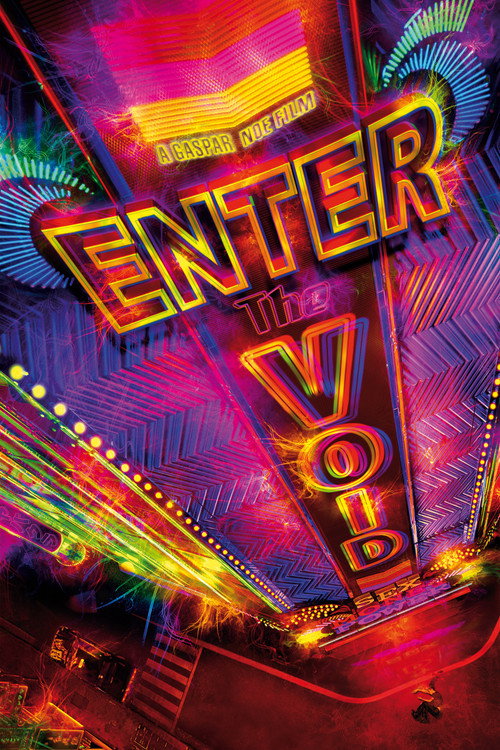
Enter the Void2010
Both use visceral, inexplicable images to short-circuit rational thought. Un Chien Andalou shocks you awake; Enter the Void dissolves you into hallucination. Same goal—destruction of narrative sense—opposite drug.
Noël's hallucinogenic tour through Tokyo's neon underworld and the afterlife. Absolutely uncompromising. Uses psychedelic imagery and first-person camera to create a pure altered-consciousness experience. Surrealism for the digital age.
But Two hours forty of flashing lights, electronic music, and no dialogue. Some people find it migraine-inducing rather than transcendent. Gimmicky to many, necessary to devotees.
People
Cast
 Simone MareuilYoung Girl
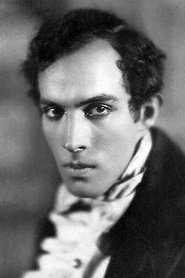
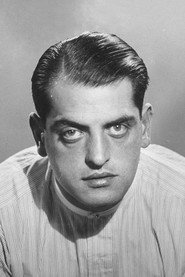 Luis BuñuelMan in Prologue (uncredited)
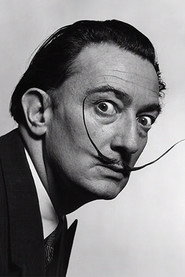 Salvador DalíSeminarist (uncredited)
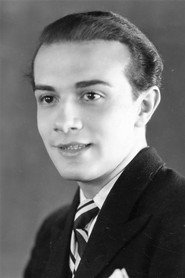 Robert HommetYoung Man (uncredited)
- MarvalSeminarist (uncredited)
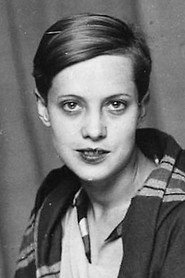 Fano MessanHermaphrodite (uncredited)
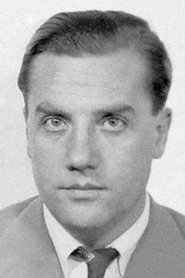 Jaume MiravitllesFat Seminarist (uncredited)
- Pancho CossíoStroller (uncredited)
- Juan EsplandiuStroller (uncredited)
Directing
- Luis BuñuelDirector
Writing
- Luis BuñuelScreenplay
- Salvador DalíScreenplay
Production
- Luis BuñuelProducer
Recommended by
Last Year at Marienbad, Theorem, Alice, Spellbound, Tetsuo: The Iron Man, Cops, Aqua Teen Hunger Force, Meshes of the Afternoon, L'Âge d'or, The Seashell and the Clergyman, Rose Hobart, Entr'acte, Eve and the Handyman, A Colour Box, Fireworks, Daydream, The Phantom of Liberty, Isadora, Popeye the Sailor, Blonde Cobra, Anemic Cinema, Spies