
Film
Last Year at Marienbad
- Mystery
- Drama
- Romantic drama
- Strange
- Slow-burning
A man insists to a woman that they met a year ago at a luxury hotel. She has no memory of it. He describes their time together in hypnotic detail. She remains unconvinced. Alain Resnais's 1961 masterpiece is a puzzle box about memory, desire, and the stories we tell ourselves. Beautiful, enigmatic, and impossible to shake.
Should you watch it?
Watch it if you are drawn to films where the images, repetitions and tracking camera matter more than what happens, and you enjoy being unsure what is memory and what is invention.
Skip it if you need characters to want something and a story moving forward, since this is ornate, circular and deliberately static, and its stillness can feel like a test of patience.
What it asks of you: Close, unhurried attention for its 95 minutes; the rhythm is slow and repeated, and the details carry the weight, so small changes from scene to scene matter.
Not sure? Find tonight's pick in a minute.
If you liked this
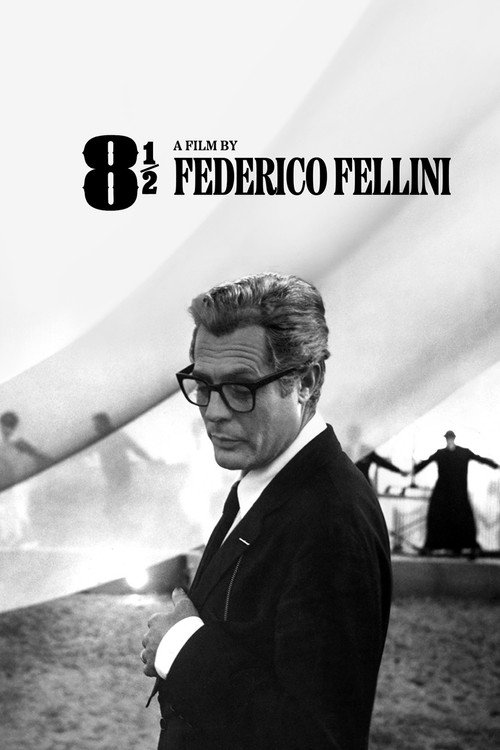
8½1963
Fellini's baroque meditation on art, identity, and the stories a man tells about his life. Like Marienbad, it's fractured and dreamlike, refusing to separate fantasy from reality or past from present.
But It's 138 minutes long, entirely in Italian, and deliberately digressive. If you need linear narrative, this will exhaust you.
Mulholland Drive2001
David Lynch's Los Angeles nightmare where memory, identity, and storytelling collapse into each other. A woman wakes with amnesia; a man's account of their relationship may be real, or delusion, or both.
But The final act abandons conventional narrative entirely. Some find it liberating; others feel cheated of resolution.

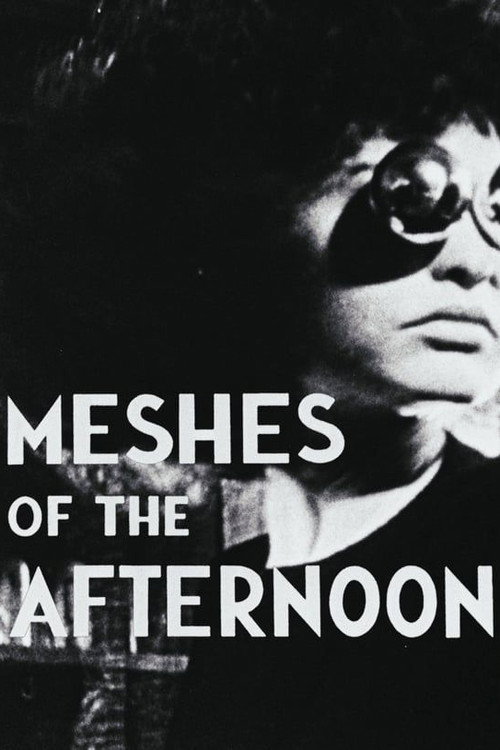
Meshes of the Afternoon1943
Maya Deren's hypnotic 14-minute avant-garde film pioneered the language Marienbad would later perfect: looped time, unreliable perspective, a woman moving through a space that shifts beneath her. The DNA is right here.
But Fourteen minutes and completely abstract. If you expect narrative, you'll find it puzzling rather than engaging.
Not sure tonight? Get a pick in a minute, starting from Last Year at Marienbad
The wildcard
Something you would not have found on your own.
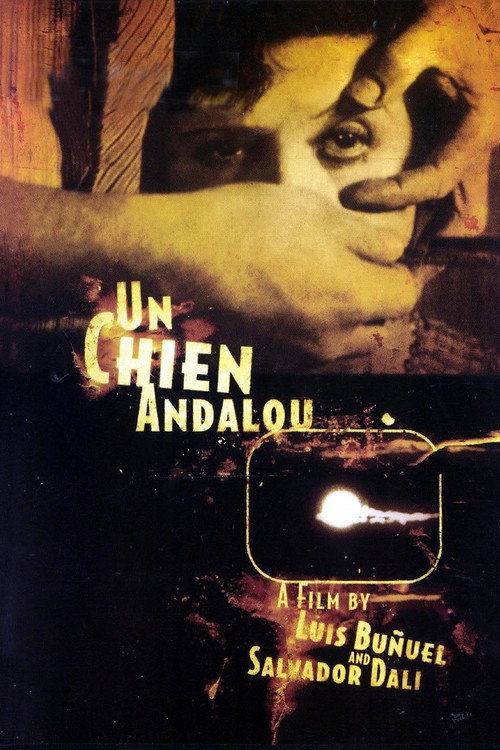
Un Chien Andalou1929
Both use cinema's unique power to make the irrational feel inevitable. Both were created to make the viewer's sense of reality unstable.
Buñuel and Dalí's 16-minute surrealist explosion predates Marienbad by 32 years but invented the grammar of dream-logic cinema. If you loved how Marienbad makes you doubt what you're seeing, this is the birth of that language.
But It's genuinely disturbing—an eyeball is sliced open in the first shot. It's a shock, and some find it gratuitous rather than meaningful.
More like this (8)
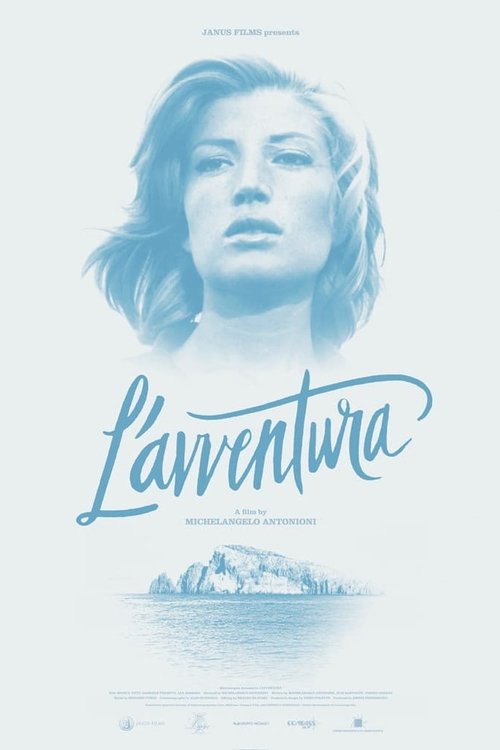
L'Avventura1960
Antonioni's film about a woman who vanishes and the search that becomes something else entirely. Like Marienbad, it's more interested in atmosphere, doubt, and what we project onto absence than in plot resolution.
But Deliberately paced to feel like real time. Many find it slow; it rewards patience in ways that can feel invisible while watching.
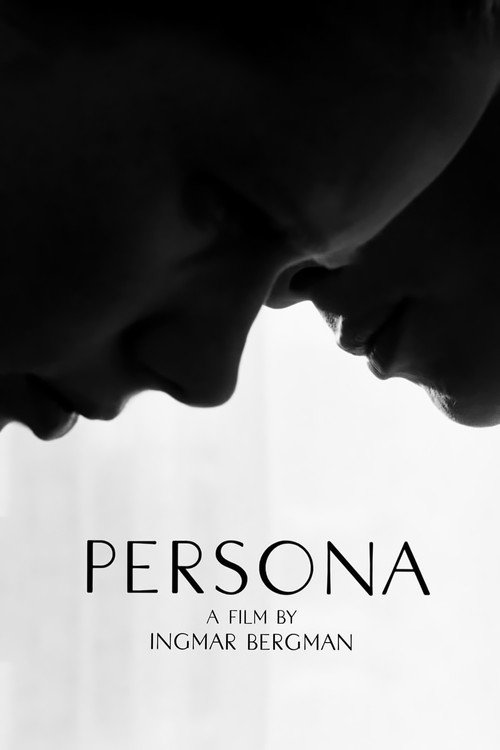
Persona1966
Bergman's two-hour duel between an actress and a nurse where identity bleeds, mirrors crack, and you're never sure whose story you're in. That same elegant ambiguity about who is real and what is true.
But It's an intellectual puzzle dressed as psychological horror. If you need emotional warmth, you won't find it.
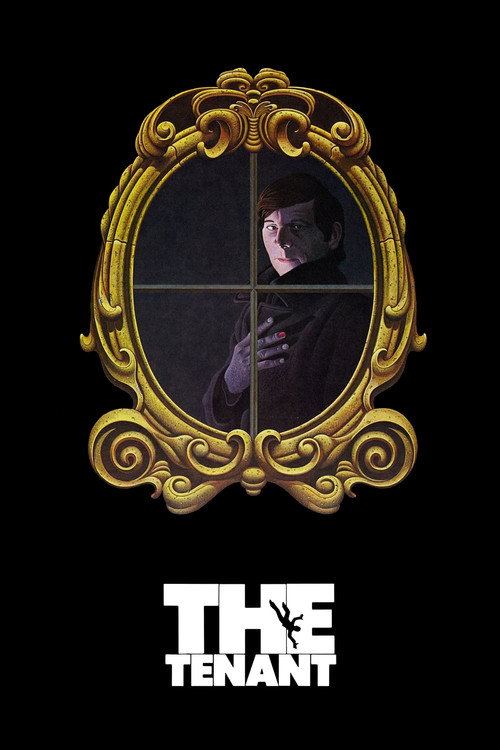
The Tenant1976
Polanski's paranoid masterpiece about a man renting a room in an old Parisian building where past and present residents haunt the present. It has Marienbad's recursive dread and its refusal to tell you what's really happening.
But It's genuinely unsettling and becomes increasingly claustrophobic. Not comfort viewing.
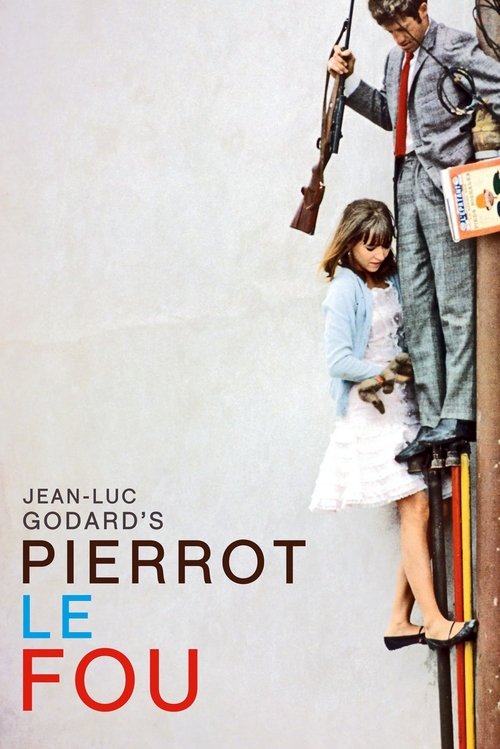
Pierrot le Fou1965
Godard's color-saturated fever dream where a man and woman abandon Paris and drive toward an unknowable ending. It shares Marienbad's formal playfulness—breaking its own rules, questioning the frame itself.
But It's radically fragmented and often feels like it's about nothing. Godard's style will either fascinate or frustrate you.
The Seventh Seal1957
Bergman's medieval-fever-dream about a knight playing chess with Death. Like Marienbad, it's visually stunning, philosophically haunting, and less interested in answers than in the questions themselves.
But Its symbolism is heavy-handed at times. The death-and-meaning themes can feel portentous rather than earned.

Synecdoche, New York2008
Kaufman's dizzy spiral where a theater director's life becomes his art becomes his delusion. It has Marienbad's recursive structure—realities folding into each other, certainty dissolving.
But It's aggressively cryptic and sometimes feels more interested in being clever than in moving you.

Stalker1979
Both films trust the viewer to sit with uncertainty. Both suggest that the real drama is internal—what we believe, what we want, what we can never verify.
Tarkovsky's patient, hypnotic science-fiction film about three men walking through a mysterious zone toward a room that might grant wishes. Like Marienbad, it's about desire, belief, and whether the thing promised is real or a projection.
But It moves at glacial speed. Entire scenes are static wide shots. If you need momentum, it will feel like watching paint dry.

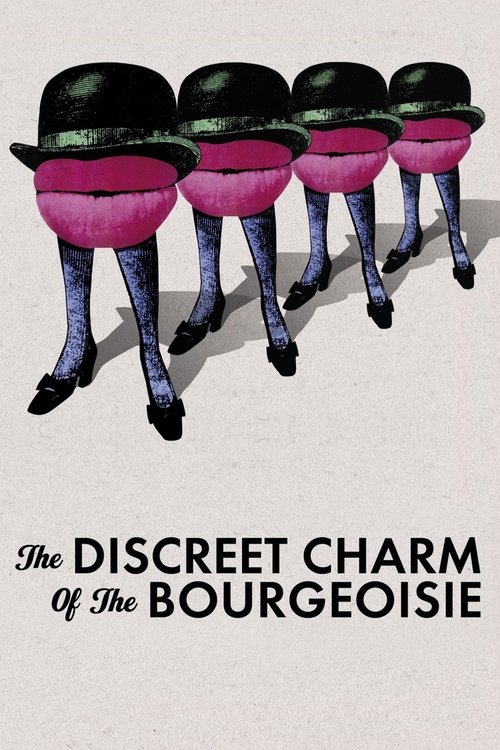
The Discreet Charm of the Bourgeoisie1972
Both films are about people moving through elegant spaces where the normal rules gradually stop applying. Both enjoy the formal games themselves and invite you to enjoy them too.
Buñuel's surreal comedy where wealthy people repeatedly try to have dinner but are interrupted by dreams and inexplicable events. It shares Marienbad's formal playfulness and its interest in what's real versus what's performed or imagined.
But It's a comedy, which means it will feel tonal whiplash if you're still in Marienbad's sober, hypnotic mood. It's lighter, funnier, less reverent.
People
Cast
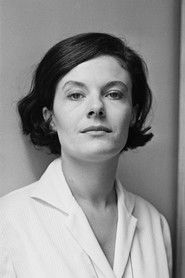 Delphine SeyrigA – The Brunette Woman
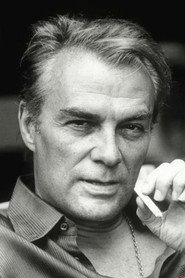 Giorgio AlbertazziX – The man with the Italian Accent
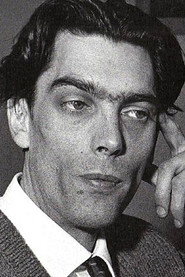 Sacha PitoëffM – The Other Man with the Lean Face, The Husband
- Françoise BertinA Character from the Hotel
- Luce Garcia-VilleA Character from the Hotel
- Héléna KornelA Character from the Hotel
 Françoise SpiraA Character from the Hotel
- Karin Toche-MittlerA Character from the Hotel
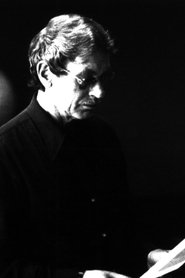 Pierre BarbaudA Character from the Hotel
- Wilhelm von DeekA Character from the Hotel
 Jean LanierA Character from the Hotel
- Gérard LorinA Character from the Hotel
Directing
- Alain ResnaisDirector
- Jean LéonFirst Assistant Director
- Sylvette BaudrotScript Supervisor
- Florence MalrauxSecond Assistant Director
- Volker SchlöndorffSecond Assistant Director
Writing
- Alain Robbe-GrilletIdea
- Alain Robbe-GrilletScreenplay
- Alain Robbe-GrilletStoryboard
Production
- Jean-Jacques LécotAssistant Production Manager
- Robert DorfmannCo-Producer
- Anatole DaumanProducer
- Pierre CourauProducer
- Raymond FromentProducer
- Léon SanzProduction Manager
- Janine ThaonProduction Secretary
Recommended by
L'Avventura, Backrooms, Theorem, Hiroshima Mon Amour, A Man and a Woman, Krapp's Last Tape, Tongues Untied, The Night Porter, Happy Together, Tales of Ordinary Madness, Women in Love, Meshes of the Afternoon, L'Âge d'or, The Sheltering Sky, Testament of Orpheus, Lola, The Magus, A Man in Love, A Short Film About Love, The Woman in the Fifth, The Forbidden Room, Providence, Guinevere, The Mother and the Whore, The Experiment, Stay, Pretty Maids All in a Row, When Evening Falls on Bucharest or Metabolism, Swann in Love, Accident, Muriel, or the Time of Return, The Story of Adèle H., A Tale of Two Cities, The War Is Over, The Saragossa Manuscript, Red, Passion of Mind, Check to the Queen, Erotique, Phantom Power, Memories of Underdevelopment, The Grass Is Singing, Blow Job, Voyager, Chelsea Girls, The Silence, 'Tis Pity She's a Whore, The Flicker, Perspective, A Place for Lovers, Eden and After, A Simple Story, The Terence Davies Trilogy, Quartet, Romance, Kustom Kar Kommandos, Brokedown Palace, The Magic Garden of Stanley Sweetheart, Blonde Cobra, The State of Things, All the Colours of the Dark, Mississippi Mermaid, Impossible Object, Ten Days' Wonder, WR: Mysteries of the Organism