
Film
When Evening Falls on Bucharest or Metabolism
A Romanian drama about a film director who engineers a crisis to sidestep his own production and chase an affair with his lead actress. It's a controlled, observant film about self-deception and the compromises people make when desire overrides conscience. Slow-burn and unflinching, for viewers who appreciate cinema about adults behaving badly.
Should you watch it?
Watch it if you love slow, deadpan films where dialogue about something trivial carries the comedy and every long take lets an awkward silence settle.
Skip it if you need plot momentum, since very little happens on screen and the long conversations about bureaucracy and filmmaking can feel like an endurance test.
What it asks of you: Settle in for a leisurely eighty-nine minutes of unhurried scenes, where patience is rewarded by small, dry jokes rather than any rising tension.
Not sure? Find tonight's pick in a minute.
If you liked this
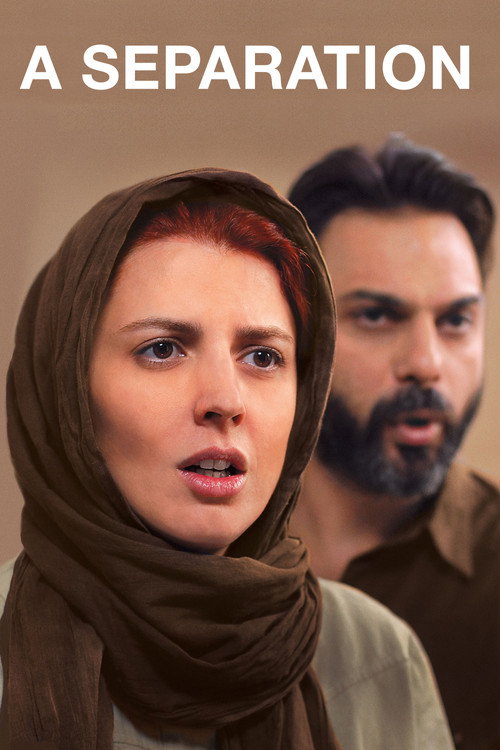
A Separation2011
Another masterclass in how domestic rupture exposes character. Asghar Farhadi builds impossible moral tangles where everyone has a point, and the film refuses easy judgment. Devastating and clarifying.
But It's deliberately paced and emotionally austere. There's no catharsis, only the hard truth of what happens when people prioritize self over commitment.
The Fire Within1963
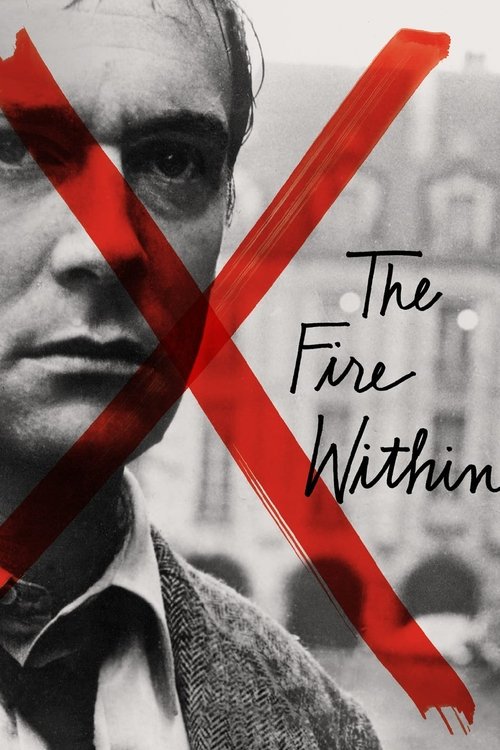
Éric Rohmer's portrait of a man collapsing inward, sabotaging his own life through small betrayals and inaction. Quiet and observational, with the same sense of watching someone choose dissolution.
But The pacing is glacial and the protagonist utterly passive. If you need plot momentum, you will find this unbearably slow.
Happy as Lazzaro2018
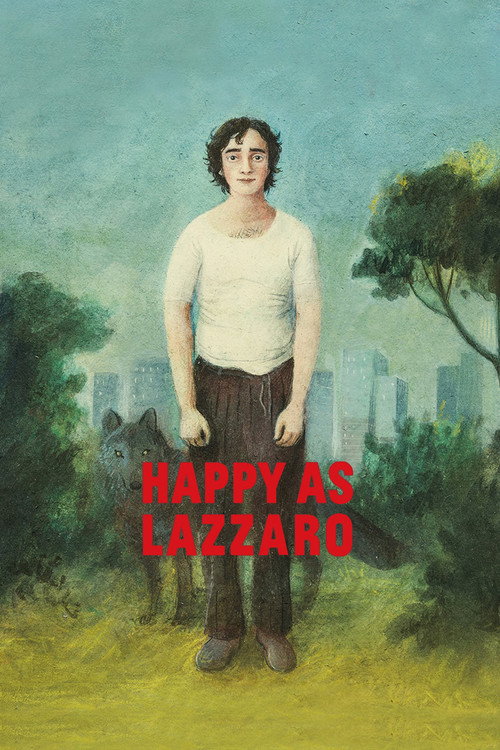
Alice Rohrwacher's film about illusion and self-deception in rural Italy. Like Bucharest, it observes people trapped by circumstance and desire, building to a twist that recontextualizes everything.
But The narrative takes an unexpected turn that some will find precious or frustrating. It asks more from viewers than conventional storytelling typically does.
Not sure tonight? Get a pick in a minute, starting from When Evening Falls on Bucharest or Metabolism
The wildcard
Something you would not have found on your own.
The Seventh Continent1989
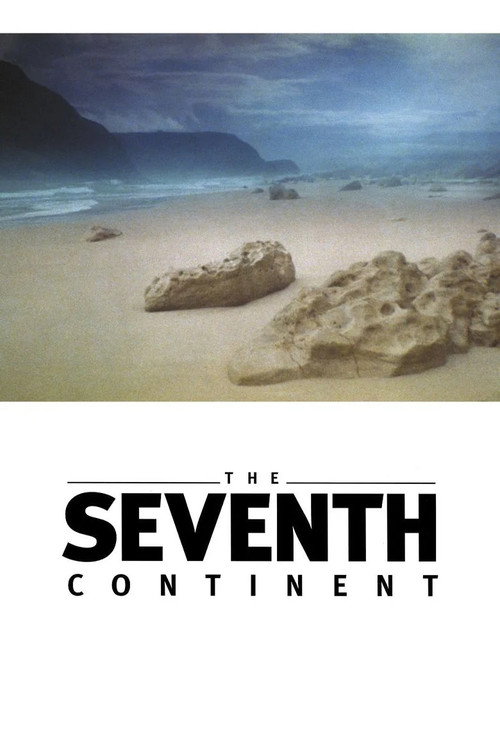
Both films observe self-destruction as a deliberate choice, presented without moral judgment or narrative rescue.
Michael Haneke's debut follows an ordinary middle-class family methodically destroying their own life over weeks. It's a document of self-sabotage and the refusal of happiness, shot with clinical precision. The connection to Bucharest is structural: both watch capable people choose dissolution, both refuse explanation or sympathy.
But It's glacial, repetitive, and profoundly bleak. Nothing happens except the erosion of routine, and the tone is remorseless. It feels punishing.
More like this (8)
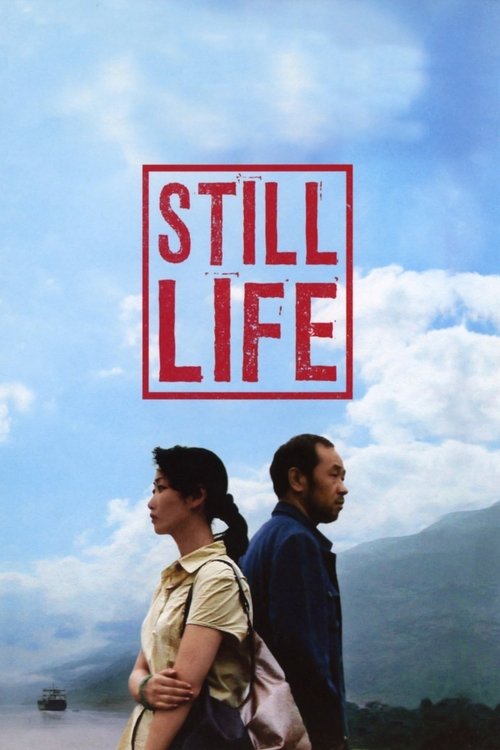
Still Life2006
Jia Zhangke's portrait of a man adrift in a changing China, shot with documentary precision. It has the same unflinching eye for self-deception and the weight of inaction that grounds Bucharest.
But There is almost no plot. It's observation without resolution, which feels like a betrayal if you're looking for narrative momentum.
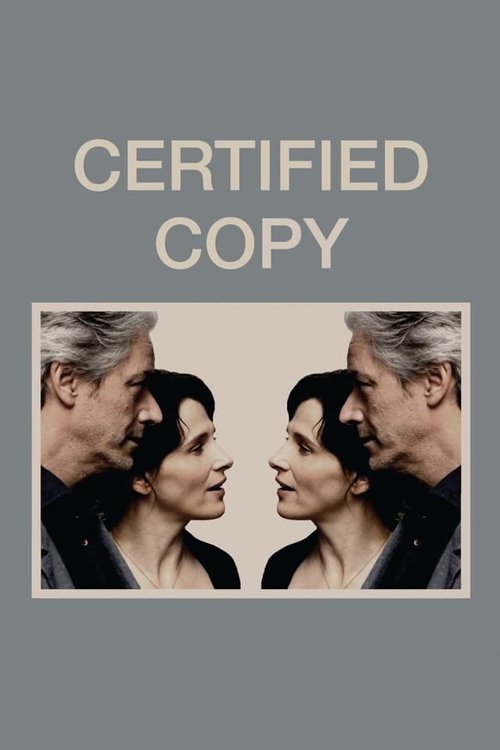
Certified Copy2010
Abbas Kiarostami's inquiry into authenticity and performance. A middle-aged man and woman play a game of identity across a day in Italy, testing what's real about desire and connection.
But It's conceptually dense and emotionally elusive. You have to bring your own interpretation; the film withholds answers deliberately.
Contempt1963
Godard's dissection of filmmaking, marriage, and the gap between intention and outcome. A director and his wife collide as his film falls apart—a companion to Bucharest's world of production and betrayal.
But It's self-consciously theoretical and visually stark. If you want classical narrative, this is a provocation rather than a story.

The Turin Horse2011
Béla Tarr's bleak, magnificent study of decline. An old man and his companion navigate their final days with ritual and resignation. It has Bucharest's sense of watching someone surrender.
But It's relentlessly pessimistic and visually monochromatic. The mood is suffocating; it does not offer comfort or hope.

Stalker1979
Tarkovsky's meditation on desire and self-deception. A guide leads two men through a mysterious zone toward a room that grants wishes—a metaphor for the gap between what we want and who we are.
But It's glacially paced, philosophical, and abstract. Plot is minimal; patience and introspection are essential.

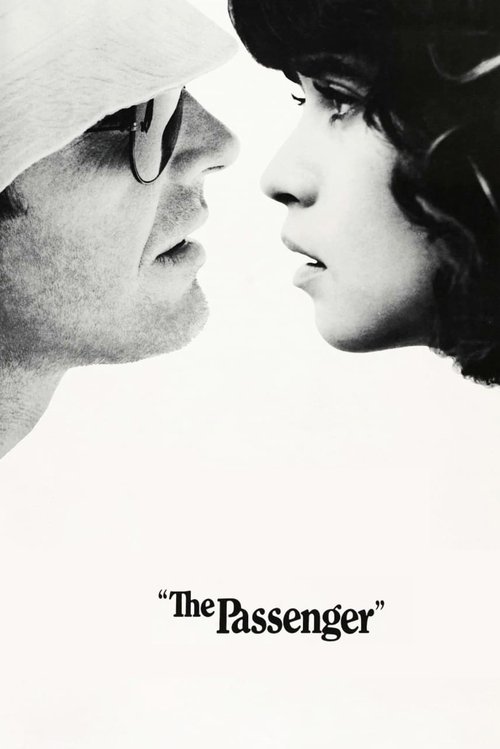
The Passenger1975
Antonioni's study of a man who assumes a dead stranger's identity and spirals into dislocation. It's about the desire to escape yourself and the cost of that choice.
But It's deliberately opaque and formally distant. The ending is ambiguous in ways that frustrate viewers seeking clarity.
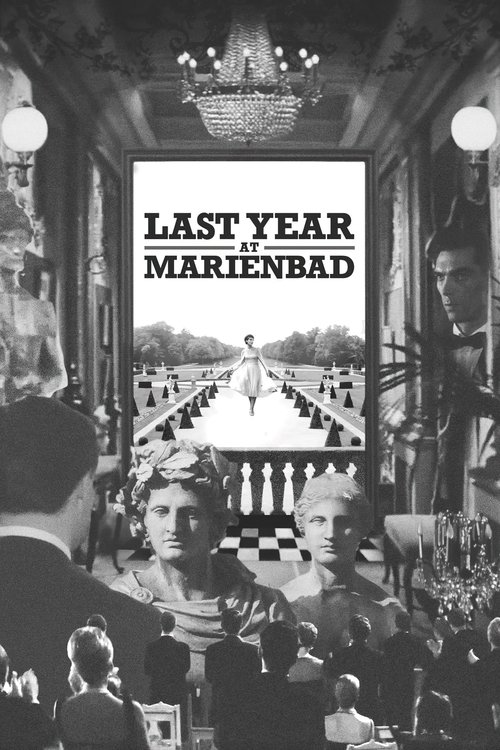
Last Year at Marienbad1961
Both use the film or the performance as a metaphor for self-deception; both make the audience complicit in unreliable narration.
Alain Resnais and Alain Robbe-Grillet's puzzle about memory, desire, and performance at a resort. Formally radical—time loops, nested narratives, actors as chess pieces. It's about the stories we tell about ourselves and whether they're true, which is exactly what your director is doing.
But The narrative has no anchor. Time, identity, and event are deliberately unstable. If you need to know what actually happened, this will exhaust you.
Synecdoche, New York2008
Both center a creative man using work and romance as alibis for self-destruction, both make that collapse the subject rather than the problem to solve.
Charlie Kaufman's baroque nightmare about a theater director creating an expanding replica of New York inside a warehouse as his life collapses. It's a film about filmmaking, desire, mortality, and the artist who mistakes his own dissolution for material. Gorgeous, maddening, hilarious.
But It's genuinely difficult. The narrative spirals, logic fails, and the tone shifts between comedy and horror. It demands multiple viewings and still resists clarity.

People
Cast
- Diana AvramutAlina
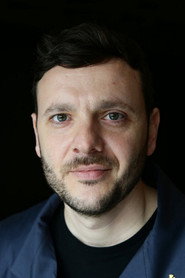
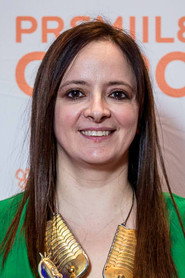 Mihaela SîrbuMagda
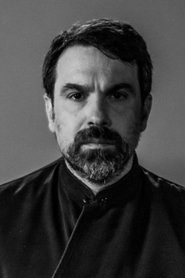
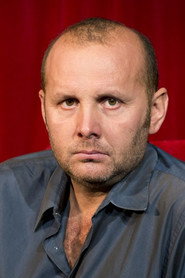 Alexandru JiteaDoctorul
- Gabi CretanMachioza
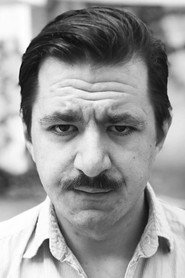 Lucian IftimeReceptionerul
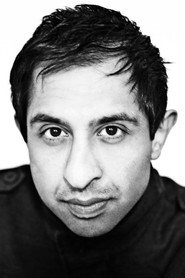 Claudiu DumitruMarius
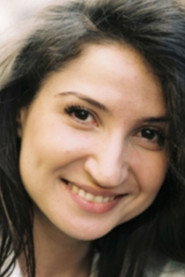
- Catalin FartaesDinu
Directing
- Paolo LaganàAssistant Director
- Corneliu PorumboiuDirector
Writing
- Corneliu PorumboiuScreenplay
Production
- Sylvie PialatCo-Producer
- Benoît QuainonExecutive Producer
- Marcela UrsuProducer