
Film
The Turin Horse
- Drama
- Very dark
- Strange
- Slow-burning
Béla Tarr's final film is a meditation on entropy and human endurance. A father and daughter eke out a meagre existence in a wind-battered cottage, tending a dying horse and eating boiled potatoes. Over six days, their fragile routine dissolves. It's glacially paced, hypnotic, almost a poem in black and white—not uplifting, but profoundly moving.
Should you watch it?
Watch it if you are happy to let a camera watch ordinary routine unfold in unhurried, rhythmic takes, finding the stark wind-scoured images and repeated rituals hypnotic rather than waiting for a plot to start.
Skip it if you need stories that move, since almost nothing happens across its long running time and the bleakness is relentless with little relief or wit.
What it asks of you: Roughly two and a half hours of long, static takes with very little dialogue, so it demands patience and a willingness to sit still through repetition.
Not sure? Find tonight's pick in a minute.
If you liked this
Stalker1979
Tarkovsky's masterpiece shares Tarr's patient, philosophical approach to cinema. A mysterious journey into a forbidden zone becomes a meditation on desire, faith, and what we truly want. Visually stunning and mentally consuming.
But It's 163 minutes long and moves at its own meditative pace. If you need constant narrative momentum, you'll struggle. Requires genuine patience and surrender.

Come and See1985
Elem Klimov's apocalyptic war film has Tarr's sense of inexorable darkness and suffering. A boy is drawn into the brutality of warfare; what unfolds is harrowing, intimate, and unforgettable. Raw and devastating.
But This is not entertaining. It documents atrocity with unflinching honesty. Difficult viewing, even necessary viewing, but not a comfort.

Synecdoche, New York2008
Kaufman builds a chamber piece about artistic obsession and mortality that expands into something towering and strange. Like Tarr, he finds profound meaning in repetition and decay. Intellectually generous and oddly moving.
But Requires active interpretation. Symbolism piles on symbolism; some viewers find it self-indulgent rather than revelatory.

Not sure tonight? Get a pick in a minute, starting from The Turin Horse
The wildcard
Something you would not have found on your own.
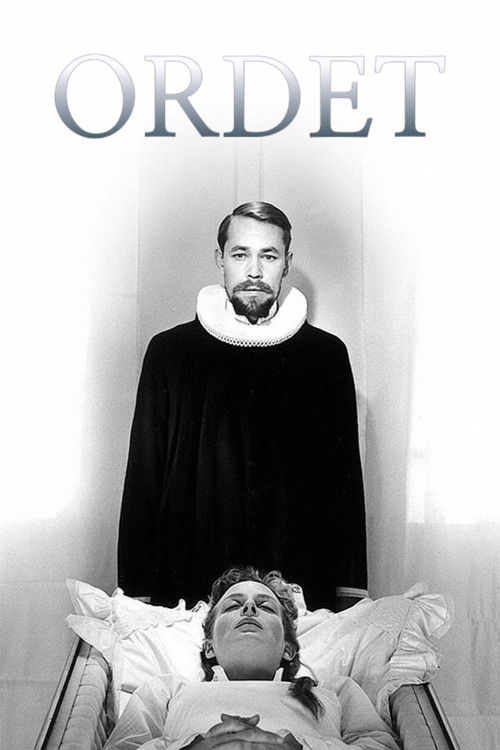
Ordet1955
Both films believe that cinema's true power lies in showing time passing, in repetition, in the accumulation of small moments into something vast. Both filmmakers are interested in what happens when narrative dissolves into pure observation.
Carl Theodor Dreyer's austere drama about faith and the end of things. Like Tarr, Dreyer believed cinema should be about presence and duration, not spectacle. A portrait of a family in crisis, shot with monastic patience.
But Religious and philosophical without being preachy; that still doesn't mean it's easy. Requires the viewer to sit with silence and grief.
More like this (7)
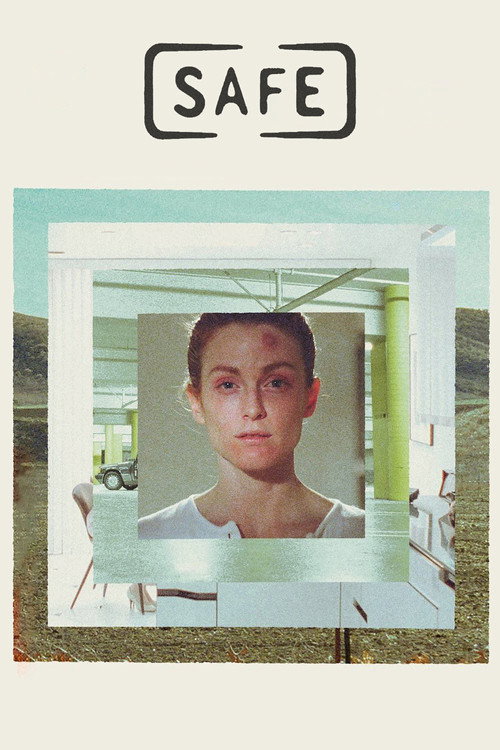
Safe1995
Todd Haynes's slow-burn nightmare follows a woman whose body increasingly rejects the world around her. Like Tarr, Haynes finds terror in quotidian routine. Eerie, meticulous, and impossible to shake off.
But Offers no answers and little comfort. The protagonist's condition is unexplained and worsening. It's a film designed to unsettle rather than soothe.
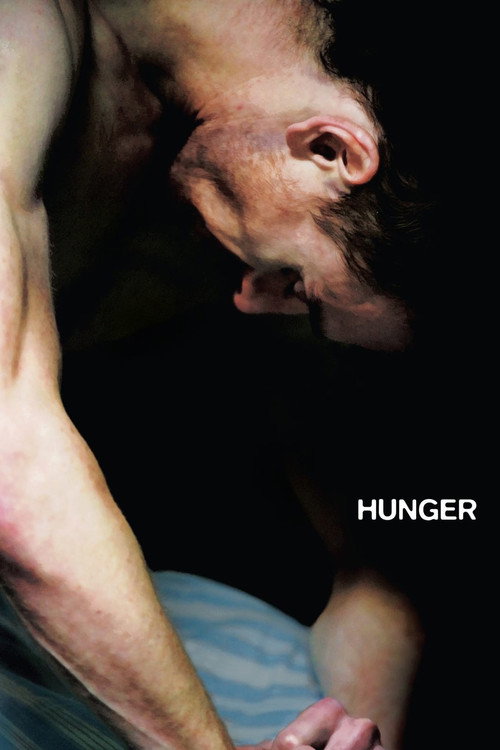
Hunger2008
Steve McQueen's debut is a brutal portrait of Bobby Sands's final days. Sparse dialogue, uncompromising physicality, and a commitment to showing what endurance actually looks like. Formally daring and deeply felt.
But Graphic and exhausting by design. The final scene is intentionally difficult to witness. Not cathartic; deliberately hard.
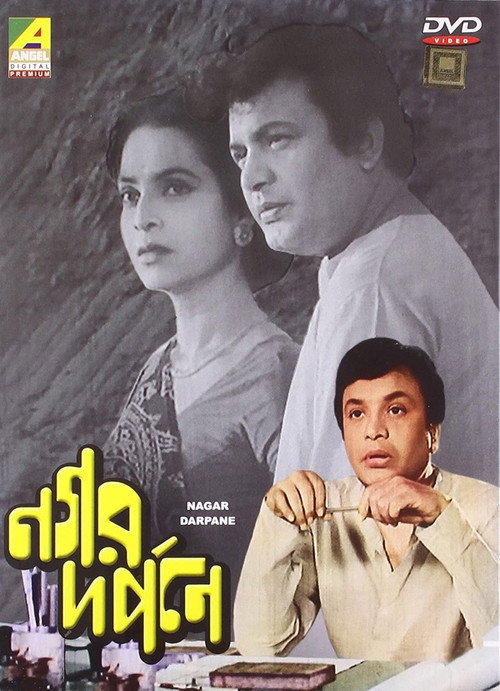
In the Mirror of the City1975
Andrei Tarkovsky's fragmented memory piece weaves poetry, documentary footage, and performance into something dreamlike. Shares Tarr's feeling that cinema can capture something beyond plot—the texture of existence itself.
But Structure is deliberately obscure. Narrative reassembly happens in the viewer's mind, not on screen. Demands genuine patience and tolerance for ambiguity.
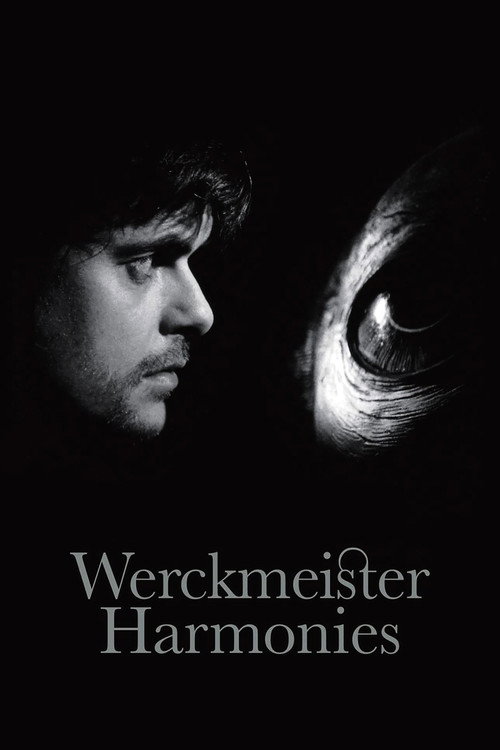
Werckmeister Harmonies2001
Tarr's earlier film is perhaps more accessible than Turin Horse, but equally hypnotic. A town and its rhythms observed with anthropological care. Long takes that make you feel time itself shifting beneath you.
But If you haven't seen Tarr before, Turin Horse might be a better entry point. This one requires trust that the slowness serves something real.
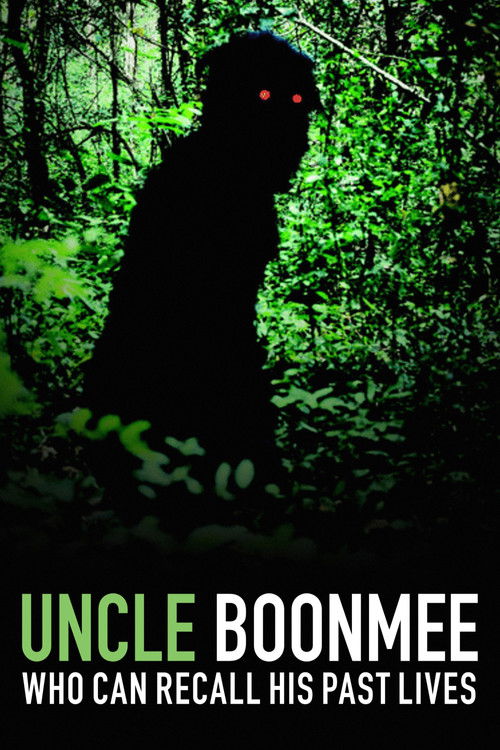
Uncle Boonmee Who Can Recall His Past Lives2010
Apichatpong Weerasethakul's ghost story is more gentle than Tarr but equally unhurried. Family, memory, and the permeability between life and death. Meditative and strangely warm despite its melancholy.
But Almost nothing happens. Conversations drift. Ghosts appear without dramatic fanfare. If you need active storytelling, this will feel empty.
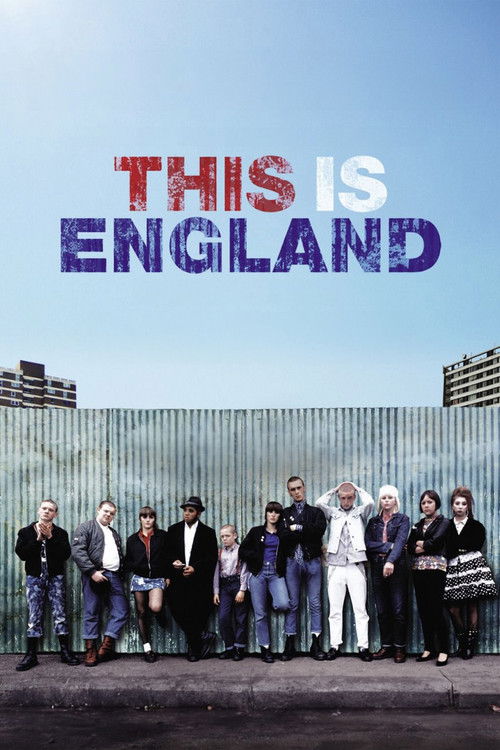
This Is England2007
Both films reject the clean structures of conventional narrative in favour of accumulated detail and genuine bewilderment. Both trust the viewer to find meaning in the accumulation of small, often mundane moments rather than in plot architecture.
Shane Meadows's gritty, digressive social realism catches the texture of real life—specifically, a boy's experience in 1980s England amid skinhead culture. Funny, rough, and achingly human. Feels lived-in rather than constructed.
But Tonal whiplash; it swings from comedy to violence without warning. Not as formally controlled as Tarr; some find that authenticity alienating.
The Holy Mountain1973
Both filmmakers make films about a journey toward understanding the nature of existence and human suffering. Both are willing to alienate audiences to pursue their vision. Both believe cinema can be philosophy.
Jodorowsky's visionary fever dream couldn't be more opposite in method—chaotic, surreal, maximalist colour—but shares Tarr's conviction that cinema can explore spiritual and existential emptiness. Weird, ambitious, unforgettable.
But Extremely difficult to parse. Symbolism stacked on symbolism. Some viewers find it profound; others find it pretentious nonsense. Requires openness to difficulty without explanation.

People
Cast
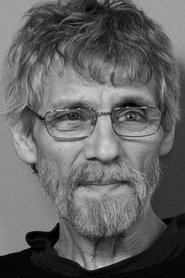 János DerzsiOhlsdorfer
- Erika BókOhlsdorfer's daughter
 Mihály KormosBernhard
 Lajos KovácsBernhard (voice)
 Mihály RádayNarrator (voice)
Directing
- Ágnes HranitzkyCo-Director
- Béla TarrDirector
- Yann-Eryl MerFirst Assistant Director
Writing
- László KrasznahorkaiAuthor
- Béla TarrScreenplay
- László KrasznahorkaiScreenplay
Production
- Gábor TéniProducer
- Juliette LepoutreProducer
- Marie-Pierre MaciaProducer
- Martin HagemannProducer
- Ruth WaldburgerProducer
Recommended by
Solaris, L'Argent, A Most Violent Year, Jean de Florette, Taste of Cherry, A Sunday in the Country, The Death of Mr. Lazarescu, Heaven's Gate, 13 Tzameti, Somewhere, Gerry, Uncle Boonmee Who Can Recall His Past Lives, The Life of Oharu, Follyfoot, Through a Glass Darkly, The Sacrifice, Werckmeister Harmonies, The Night of Counting the Years, The Sunset Limited, Krapp's Last Tape, Drifting Clouds, Jeanne Dielman, 23, quai du Commerce, 1080 Bruxelles, Manakamana, Lourdes, Volcano, All or Nothing, The Death of Louis XIV, Winter Song, Yi Yi, The Pillow Book, The Lesson, The Match Factory Girl, Red Psalm, Butcher's Crossing, Film Socialisme, 24 Frames, I Stand Alone, Satantango, Happy as Lazzaro, The Wonders, Tess of the D'Urbervilles, A Pigeon Sat on a Branch Reflecting on Existence, Hadewijch, Wavelength, A Gentle Creature, The Fire Within, Damnation, Last Days in the Desert, Age of Uprising: The Legend of Michael Kohlhaas, Michael Inside, The Magic Castle, Still Life, Memoria, Before the Rain, The Loneliest Planet, Stray Dogs, In the Fog, The Death of Ivan Ilyich, Once Upon a Time in Anatolia, Daens, A Woman's Tale, The Disciple, 12:08 East of Bucharest, The Ister, A Million Directions, The Good Thief, Stigmata, The Death of Klinghoffer, Motorama, Winter Sleep, The Hole, Tender Son: The Frankenstein Project, About Endlessness, Intimate Lighting, The Son's Room, Theeb, When Evening Falls on Bucharest or Metabolism, The Naked Island, Hunger, Unfaithful, Shirley: Visions of Reality, After the Rehearsal, Consuming Spirits, The Act of Seeing with One's Own Eyes, Bring Me the Head of Alfredo Garcia, The Idiot, Synonyms, Red, The Discomfort of Evening, The Emperor of Paris, Morphine, The Holy Innocents, Archipelago, Ship of Theseus, The Headless Woman, Everyone Else, The Other Side of Hope, Pelle the Conqueror, Youth, Voyager, The Dark Past, The Cage, Museum Hours, The Dance of Reality, Western, A Master Builder, Iravin Nizhal, The Witch Hunt, Blue, Moses and Aaron, Motorpsycho!, Adam Bede, Distant, The Wolf at the Door, Borgman, The Gospel of John, Oedipus the King, Kinetta, Parallel Mothers, Walden, Chronicle of Anna Magdalena Bach, Allegro Barbaro, The Death of Empedocles, The Safety of Objects, Evolution of a Filipino Family, Uncle Vanya, The Iron Ministry, The Cow, Climates, Father of My Children, Crime and Punishment, Not Reconciled, Delta, Don Carlos, Neighboring Sounds, The Dybbuk, Ariel, Closed Curtain, Three Monkeys, Eureka, Himala, BARDO, False Chronicle of a Handful of Truths, 1945, The Mayor of Casterbridge, At the Edge of Darkness (Song of the Earth Part 1), Eternity and a Day, Dragon, A Lullaby to the Sorrowful Mystery, Even Dwarfs Started Small, Parsifal, Alps, The Merchant of Four Seasons, Dostoevsky's Travels, Mr. Gaga, Summer Wishes, Winter Dreams, The Soul of a Man, My Sweet Pepper Land