
Television series
Follyfoot
A British children's drama about a girl who finds solace and purpose at a horse sanctuary during a lonely year abroad from her parents. Follyfoot is gentle, earnest, and deeply felt—more interested in quiet emotional truth than sentimentality. It's for anyone who's ever felt like an outsider and found healing through animals and a community of misfits.
If you liked this
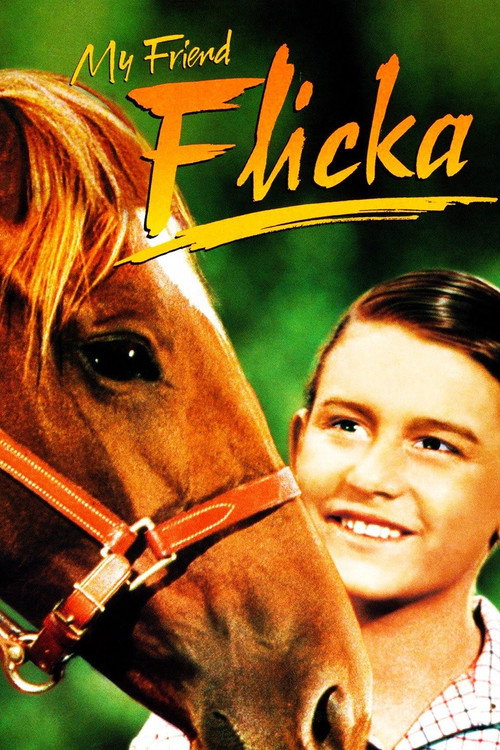
My Friend Flicka1943
A foundational girl-and-horse story with real emotional weight. A lonely child bonds with a colt, learning responsibility and discovering her own strength through the relationship. Warm without being saccharine.
But The pacing is deliberate and reflective rather than plot-driven. Black-and-white cinematography from the 1940s may feel distant to modern viewers.
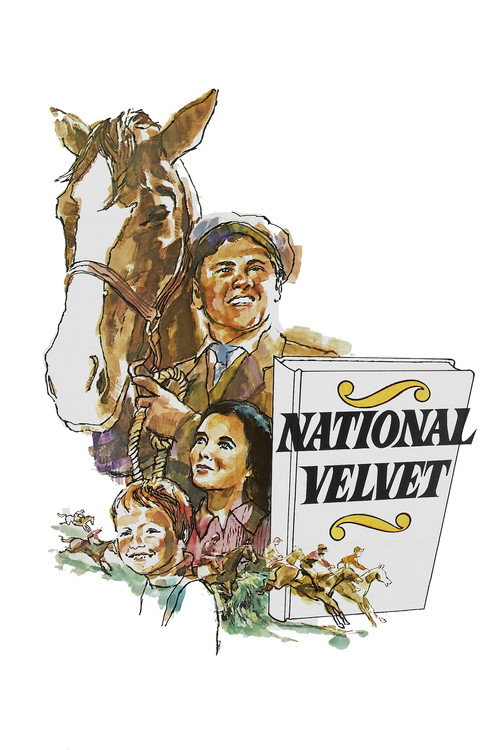
National Velvet1945
A young Elizabeth Taylor plays a determined girl who trains a horse for the Grand National. It has the same mix of genuine horsemanship, family drama, and a protagonist finding her voice through an animal.
But Nearly three hours long. The plot sometimes prioritizes spectacle over the quieter character moments that make Follyfoot special.
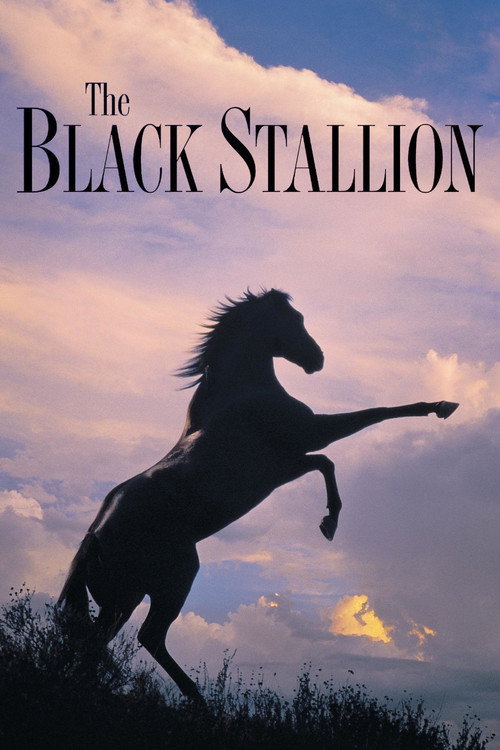
The Black Stallion1979
A boy stranded on an island bonds with a wild Arabian stallion. Beautifully shot, patient with its storytelling, and understands that the relationship between child and horse is the whole point, not a subplot.
But Released in the '70s but feels like it belongs to an earlier era. Some viewers find it slow, though that's precisely where its magic lives.
Not sure tonight? Get a pick in a minute, starting from Follyfoot
The wildcard
Something you would not have found on your own.
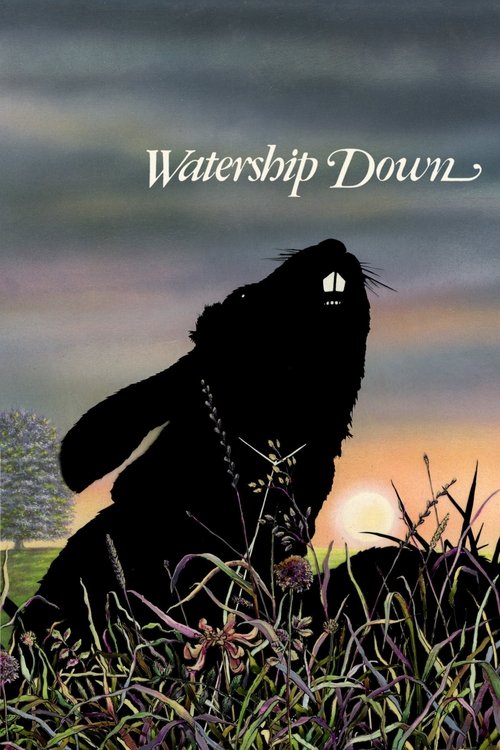
Watership Down1978
Both treat animals not as metaphors or props, but as beings deserving of dignity, agency, and moral weight. Both believe that the audience will care about creatures if they're portrayed with honesty rather than sentiment.
An animated film about rabbits on an epic journey across the English countryside. Like Follyfoot, it takes animals seriously as characters with inner lives and emotions, and it understands that their world is as real and urgent as ours. A masterpiece of British animation.
But It's darker than you'd expect—genuinely frightening in places. The animation is deliberately unflinching about predation and death, which unsettles many viewers.
More like this (7)
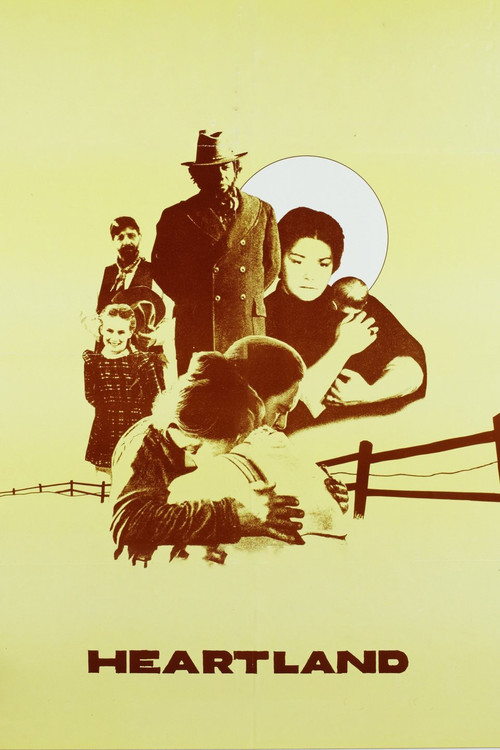
Heartland1981
A widow and her daughter rebuild their lives on a horse ranch in Wyoming during the Depression. It shares Follyfoot's belief that caring for animals can heal human wounds, and it's deeply unsentimental about hardship.
But Spare, sometimes austere. There's no subplot-driven excitement, only the work of survival and the small victories of staying afloat.
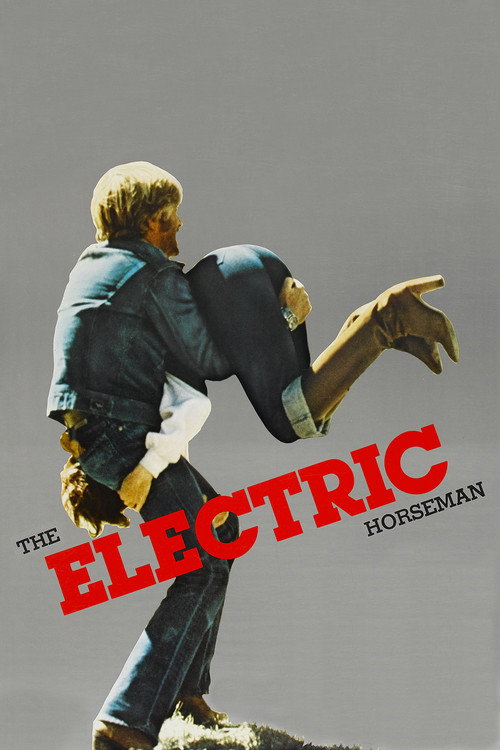
The Electric Horseman1979
Robert Redford plays a disillusioned ex-rodeo star who liberates an abused racehorse and flees into the wilderness. It's a grown-up version of Follyfoot's central idea: that connection to horses can restore what modern life damages in us.
But More of a romance between Redford and Jane Fonda than a horse story. The second half gets broader and less focused than the first.
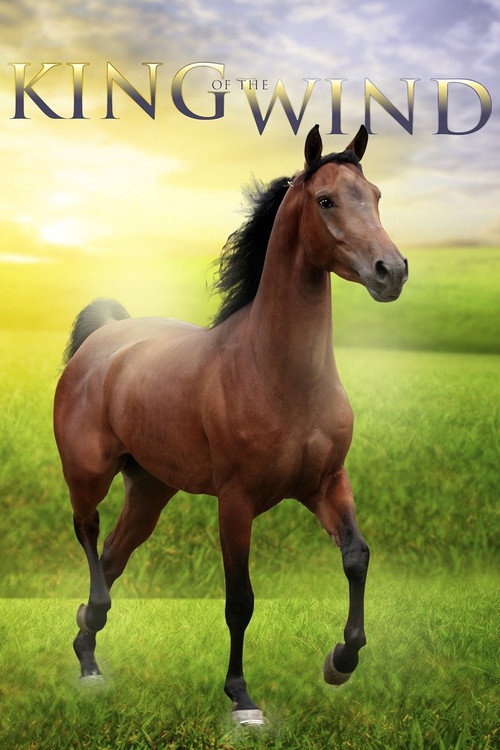
King of the Wind1990
A made-for-TV period drama about a mute boy and the Arabian stallion he tends across continents. It has the same fairy-tale-realist tone as Follyfoot and celebrates quiet, steadfast loyalty.
But Made-for-TV production values and melodramatic plotting undercut some of the finer moments. Less subtle than its source material.
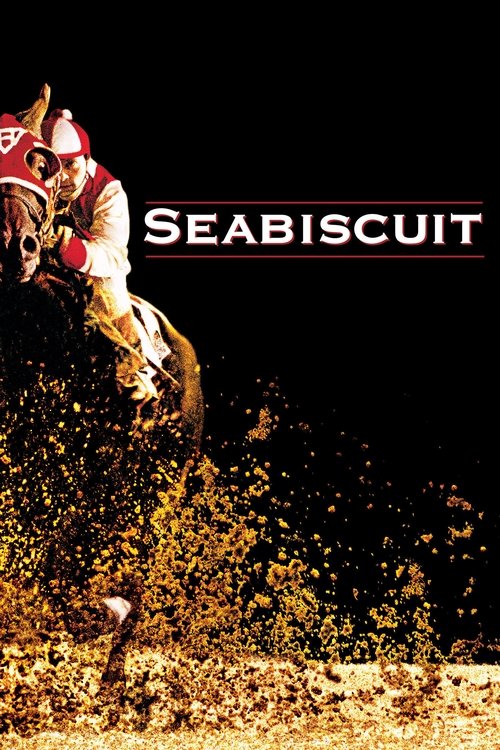
Seabiscuit2003
A Depression-era story of a broken horse, a broken jockey, and a lonely boy who together become symbols of hope. Grand in scope but intimate in how it understands what horses can offer damaged people.
But Sometimes leans into inspirational-sports-film tropes. The human story can feel secondary to the racing sequences.
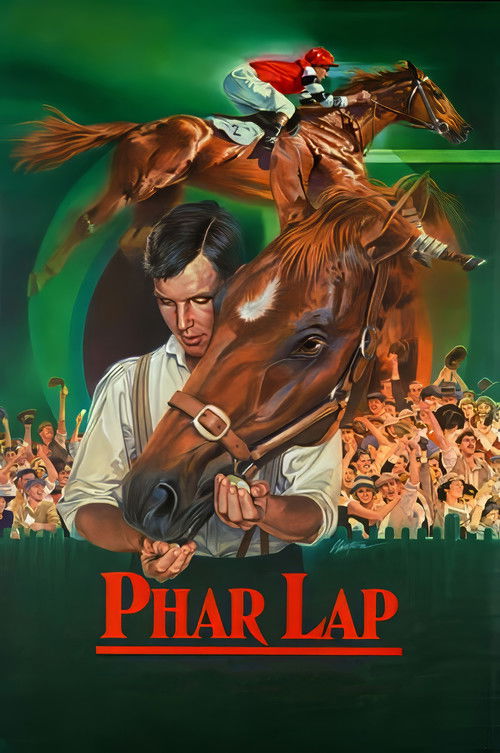
Phar Lap1983
An Australian champion racehorse's true story, told with genuine affection for the animal itself rather than just the racing drama. Understands that a horse is a creature with its own dignity and inner life.
But The racing sequences can overwhelm the quieter character work. Sets and pacing feel very much of the '80s, for better or worse.
The Turin Horse2011
While Follyfoot celebrates healing and redemption through horses, Tarr shows the obverse: what we lose when that connection fails or ends. Both treat the horse-human bond as sacred and irreplaceable.
Béla Tarr's final film depicts the last days of a man and his horse in a dying world. Bleak, hypnotic, shot in black-and-white. It's an elegy for connection itself, and the final sequence will hollow you out.
But Deliberately, intensely slow. No plot to speak of. Requires surrender rather than entertainment. Not for viewers who need conventional narrative momentum.

Kes1970
Both are British dramas about isolated children finding salvation through patient attention to an animal. Both suggest that such connection is not escapism but the most real thing available. Both trust their young actors completely.
A working-class English boy training a wild kestrel finds confidence and purpose he lacks everywhere else. Filmed on location in Yorkshire just before Follyfoot aired. Raw, authentic, and quietly miraculous about how care transforms both animal and child.
But Gritty and sometimes harsh. The dialect is thick and the social deprivation unromantic. The ending is devastating and offers no comfort.

People
Cast
Writing
- Monica DickensCreator