
Television series
Worzel Gummidge
- Fairy tale
- Light-hearted
A scarecrow with a removable head and a fairground doll for a sweetheart—England's gentlest supernatural romance, filmed in the Somerset marshes and shot through with Pertwee's music-hall relish. It's slow, silly, and unexpectedly moving, less about plot than mood: village fetes, turnip lanterns, the ache of being loved by children who'll grow up and leave you behind. Perfect Sunday-teatime watching, best enjoyed slightly younger, or with someone who was.
Should you watch it?
Watch it if you like gentle, slightly eccentric British children's television, where a talking scarecrow's vanity and swapped heads do the comic work, and you don't mind creaky 1970s production values.
Skip it if you want fast plotting or sharp modern pacing; the stories wander episodically, and the effects and sets show their age.
What it asks of you: Short, brisk episodes of about twenty-five minutes, with fifty-three of them across six seasons, make it easy to dip in and out, and it stays light throughout.
Not sure? Find tonight's pick in a minute.
If you liked this
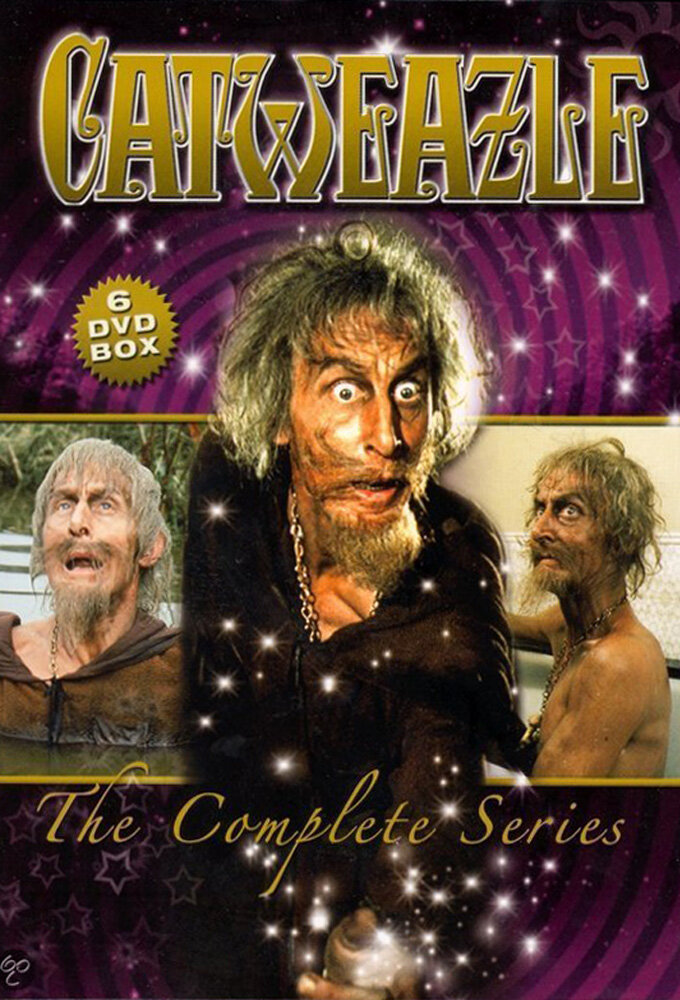
Catweazle1970
A medieval magician crashes into 1970s England, hopeless with electricity, bewitched by toasters, and trusted only by a farm boy who keeps his secret. Same warm formula as Worzel—outsider, one child confidant, gentle culture-clash comedy—but funnier and stranger.
But Only two series exist, and the second recasts the boy's family, which throws some viewers.
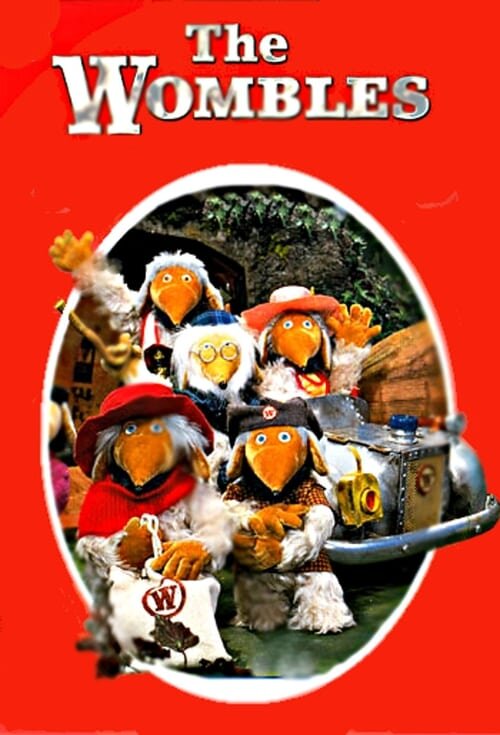
The Wombles1973
Furry, eco-minded creatures who live secretly under Wimbledon Common, making good use of the things that humans throw away. Same secret-community warmth as Worzel, but tinier, cosier, and stop-motion strange.
But Five-minute episodes with almost no plot; charming but slight if you want story, not vibe.
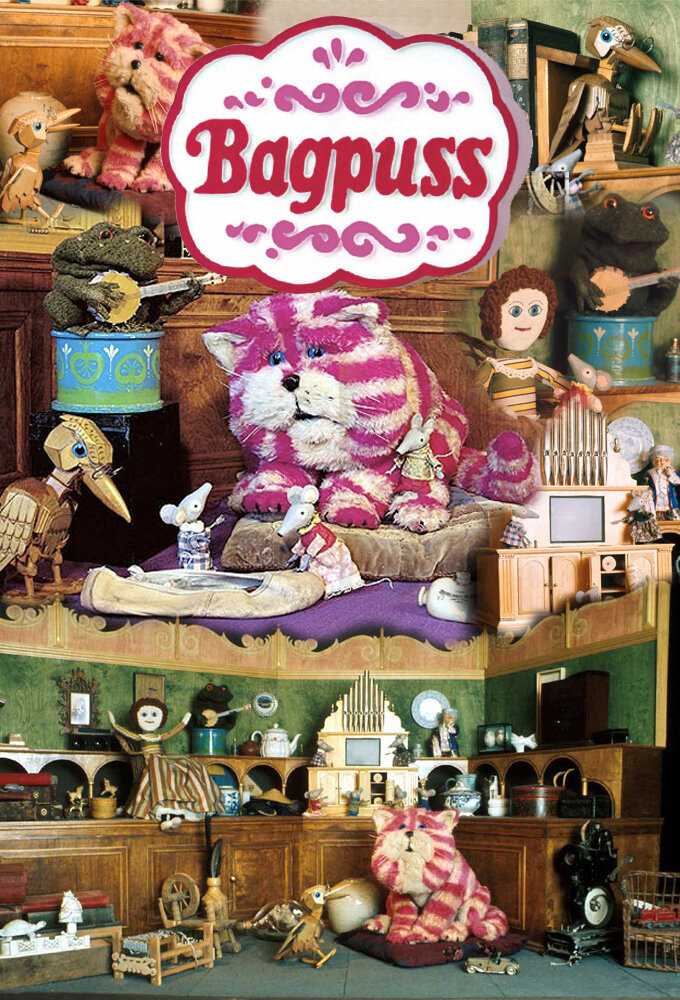
Bagpuss1974
A saggy, old cloth cat wakes once a day to fix broken toys with the help of mice and a wise woodpecker bookend. Pure Oliver Postgate whimsy—soft, strange, and oddly profound for something this small.
But Thirteen episodes total, each barely fifteen minutes long; it's over almost before you've settled in.
Not sure tonight? Get a pick in a minute, starting from Worzel Gummidge
The wildcard
Something you would not have found on your own.
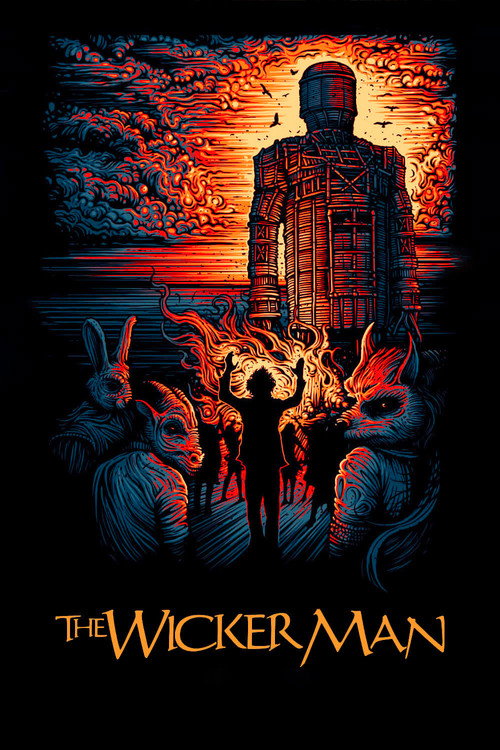
The Wicker Man1973
Both live in the same soil—rural Britain's residual paganism, scarecrows and harvest rites as living magic—but Worzel plays it as a children's romance and The Wicker Man plays it as a nightmare.
The same English (well, Scottish) countryside superstition Worzel plays for laughs, curdled into folk horror: a policeman investigates a missing girl on an island where old harvest gods never left.
But Genuinely unsettling and famous for an ending that still shocks; not remotely family viewing at all.
More like this (8)
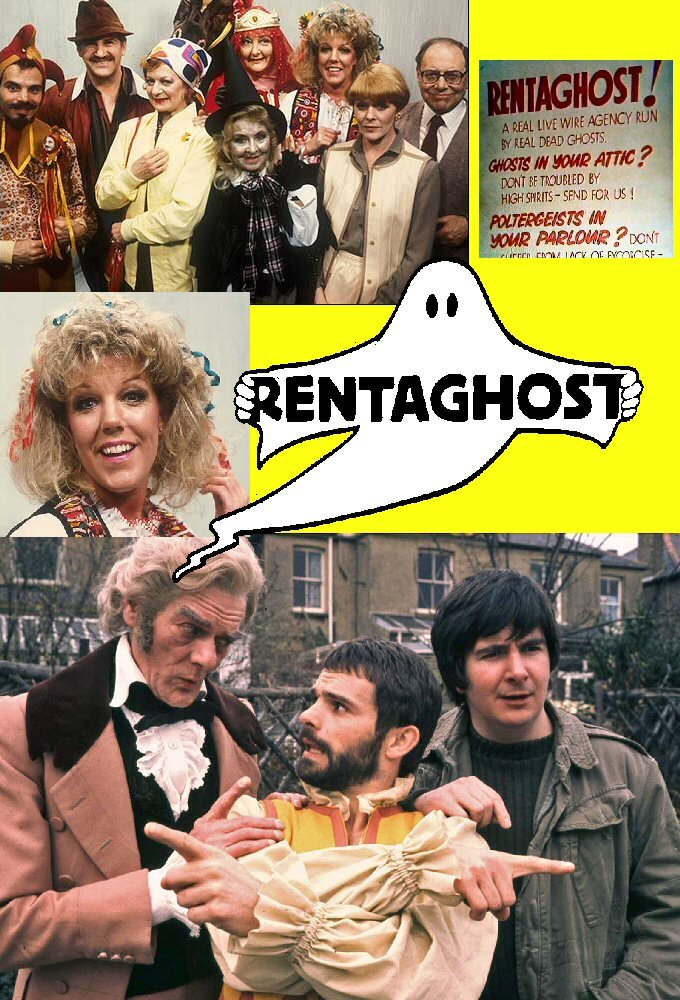
Rentaghost1976
A rickety ghost-run temp agency staffed by a Tudor lady, a Roman soldier, and Timothy Claypole in motley—broad, silly, music-hall energy close cousin to Worzel's daft charm.
But The jokes are creaky even by 1970s standards, and the production values are famously wobbly.
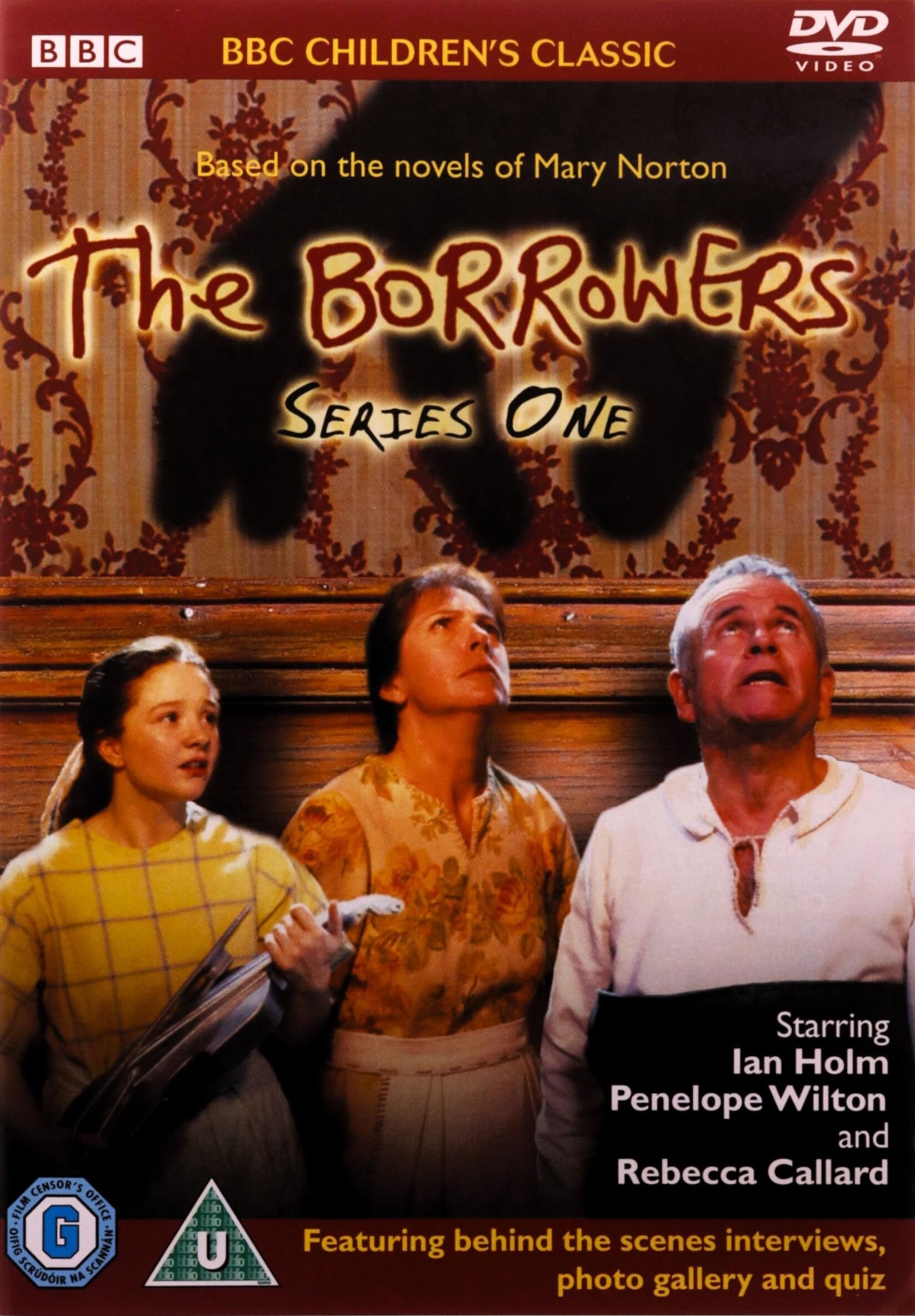
The Borrowers1992
Tiny people living secretly inside the walls of a human house, borrowing what they need and hiding from discovery—same delight in a hidden world only children fully understand.
But Only two short series; it ends just as you're falling for its scale and detail.
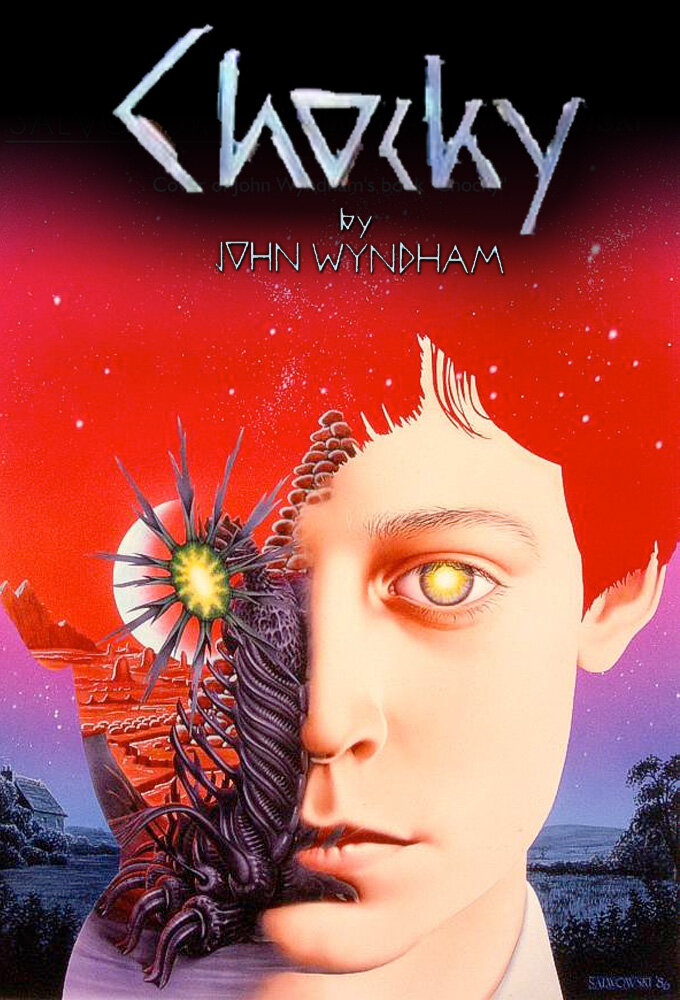
Chocky1984
A quiet, unsettling ITV serial about a boy who starts hearing a voice in his head—not scary exactly, but strange in that same specifically English way, secrets kept from grown-ups who wouldn't understand.
But Far more melancholy and eerie than Worzel; don't expect comedy or a happy scarecrow romance.
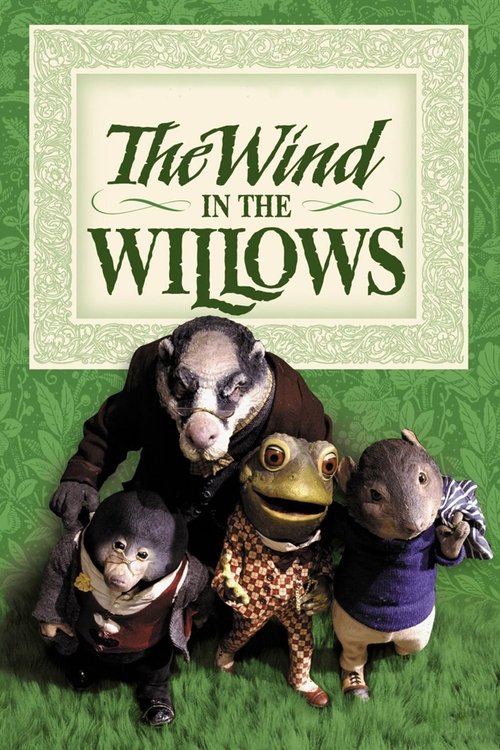
The Wind in the Willows1983
Mole, Ratty, Toad and Badger messing about on the riverbank, animated with extraordinary care and a very English sense of pastoral mischief—the same love of countryside eccentricity.
But Stop-motion pace is leisurely throughout; younger kids raised on faster cartoons may find it slow.
Paddington1975
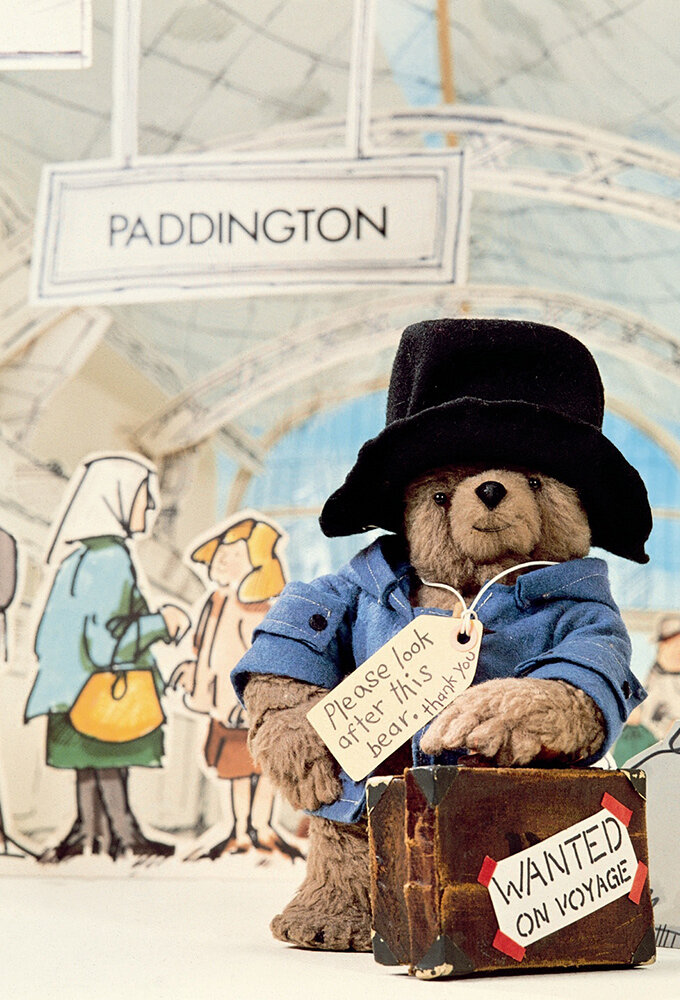
A polite, marmalade-loving bear hidden in plain sight among ordinary Londoners, his secret kept mostly by children who take him at face value—gentle, funny, wonderfully strange stop-motion.
But Fifteen-minute episodes are slight by design; there's far less plot here than pure charm alone.
Follyfoot1971
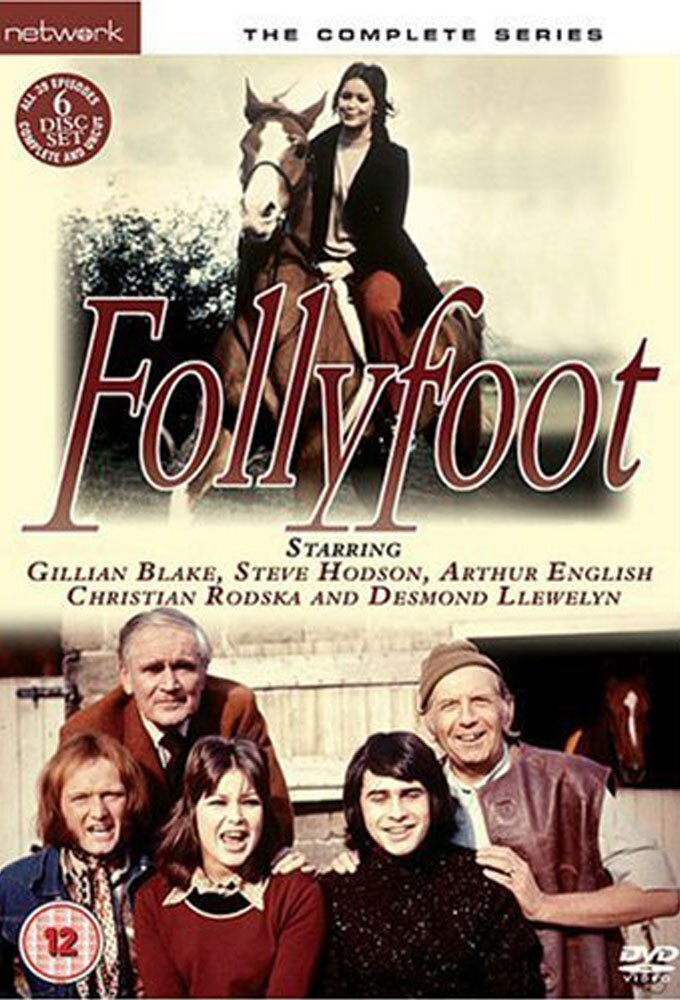
No scarecrows, no magic—just a Yorkshire farm sanctuary for old horses, teenagers finding their place, and a slow, decent kindness that shares Worzel's unhurried rural heart.
But Straight drama with no fantasy at all; go in expecting horses, not talking scarecrows anywhere.
Akenfield1974
Worzel's Somerset marshes are a fairy-tale version of exactly the working countryside Akenfield mourns for real; watch them together and the whimsy gets a shadow.
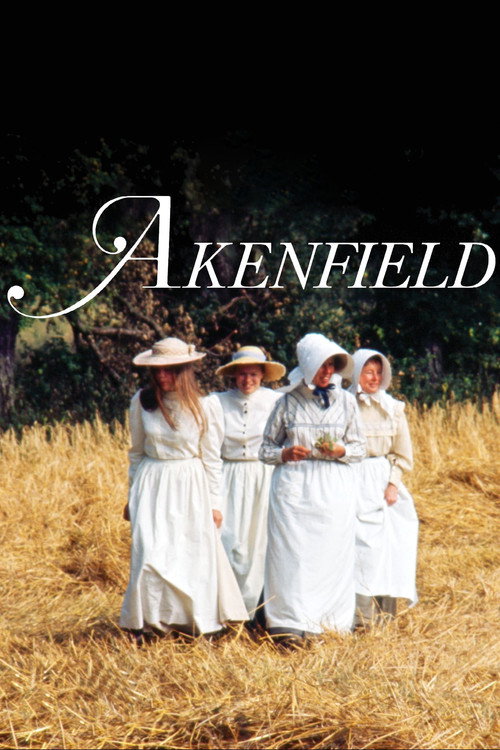
A quietly devastating docudrama about a Suffolk farm labourer's funeral and the vanishing agricultural world around him, using real villagers instead of actors, filmed with unhurried, elegiac patience.
But Slow, undramatic, and deliberately unsentimental—closer to poetry than plot, with almost no incident at all.
The Singing Ringing Tree1957
Same lineage of slightly uncanny, low-budget European children's television that shaped a generation alongside Worzel—magic objects, strange logic, and a refusal to be cute about any of it.
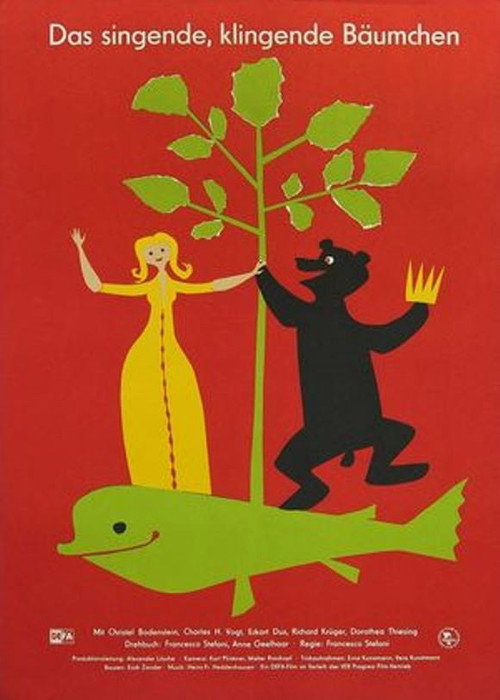
An East German fairy-tale film, dubbed and re-edited for British children's TV in the 1960s, where a cursed prince, a giant fish, and a tree that sings when touched by true love unsettled a generation.
But Genuinely eerie in a way modern kids' entertainment rarely risks; some found it frightening rather than charming.
People
Cast

Recommended by
The Box of Delights, Catweazle, Rentaghost, The Ghosts of Motley Hall, ChuckleVision, Midnight Is a Place, Here Come the Double Deckers