Television series
Here Come the Double Deckers
A British children's comedy about seven kids whose headquarters is an abandoned double-decker bus in a junkyard. Each episode sends them on a different caper—camping disasters, chocolate factories, fake Martians—with the kind of gentle, silly humour that feels like a long afternoon with clever friends. Charming, inventive, and made when children's TV still trusted kids to find comedy in resourcefulness and friendship rather than noise.
Should you watch it?
Watch it if you enjoy slapstick-tinged children's adventure where each half-hour is a self-contained escapade, the kind of gleeful, gadget-mad nonsense that treats a bus in a scrapyard as a palace.
Skip it if you want sleek modern production or a story that builds week to week, since its 1970 look is rough-edged and each episode resets the premise.
What it asks of you: Half an hour a week, seventeen episodes in all, with no need to remember what came before; mostly you just sit back and let the chaos unspool.
Not sure? Find tonight's pick in a minute.
If you liked this
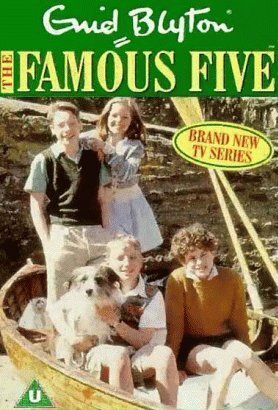
The Famous Five1995
Similar adventure-group energy with the period charm intact. Kids solving mysteries and having scrapes in the countryside, with real chemistry between the ensemble cast and that same sense that friendship is the actual plot.
But Episodic and predictable once you see the formula; some of the acting feels deliberately theatrical in a way that can feel dated rather than endearing.
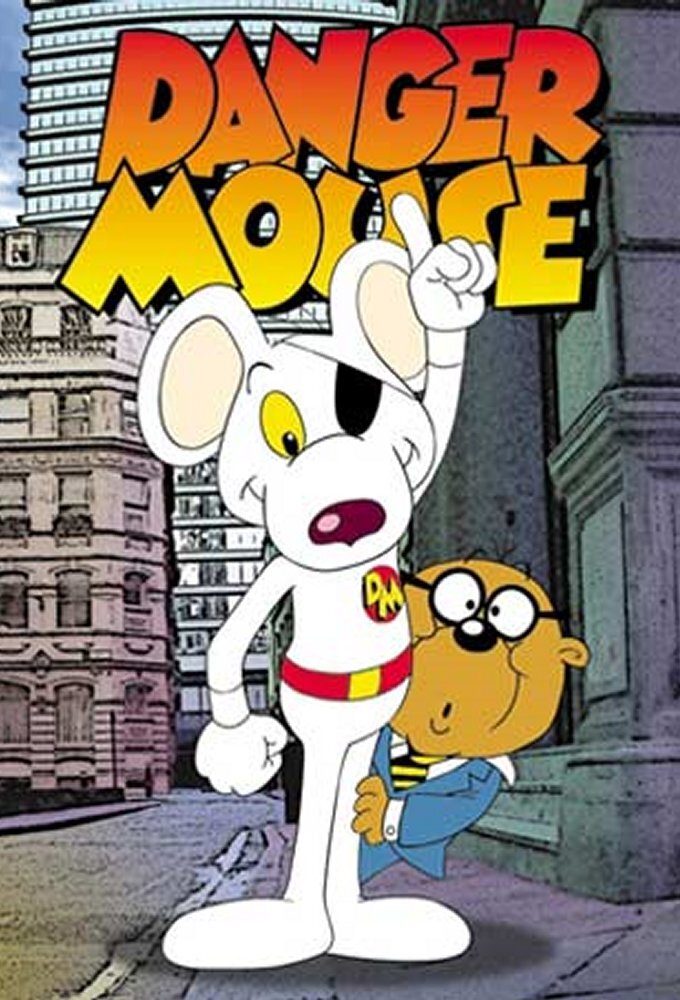
Danger Mouse1981
British children's adventure comedy with that same wit underneath. A small team, absurd scenarios played completely straight, genuine affection for its characters. Made a generation later but from the same stable of thinking.
But Animated rather than live-action; if you're specifically drawn to the real kids and real locations here, the shift in medium might lose you.
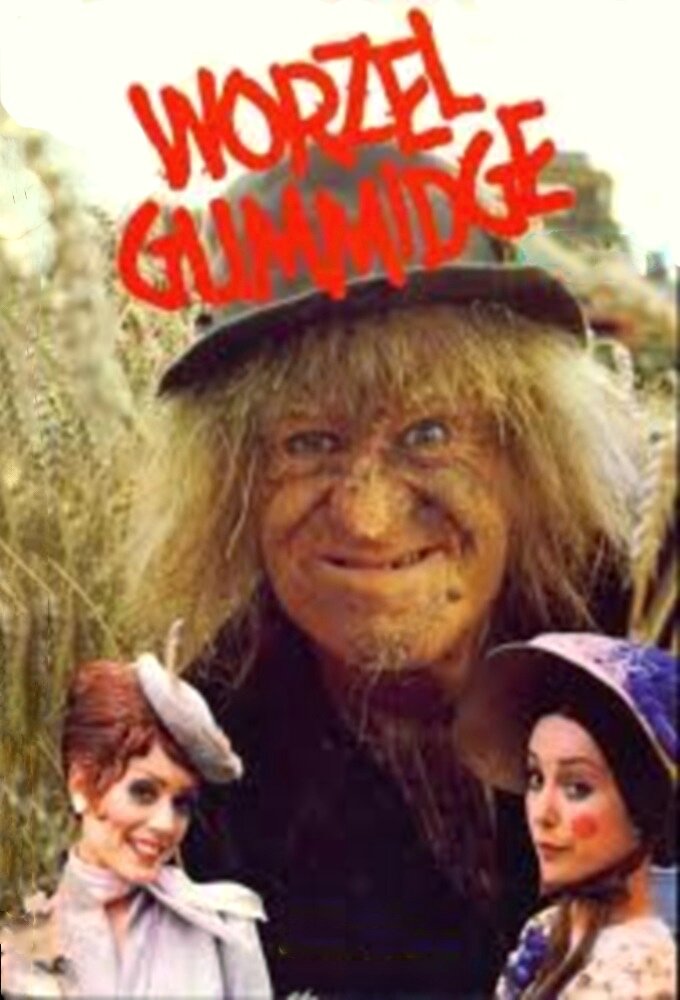
Worzel Gummidge1979
Another British children's show with that same anarchic warmth and practical-effects inventiveness. Less group-focused but captures the same spirit of make-do-and-mend adventure and genuine oddness.
But Weirder and darker in places; if you want pure lightness, this sometimes tilts toward something stranger and less comfortable.
Not sure tonight? Get a pick in a minute, starting from Here Come the Double Deckers
The wildcard
Something you would not have found on your own.
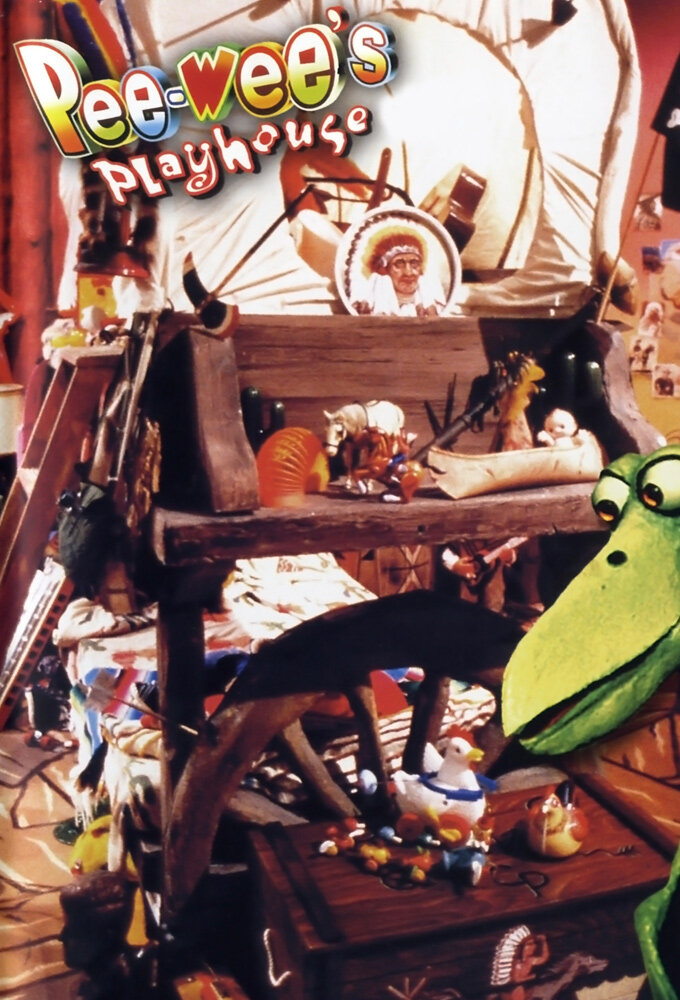
Pee-Wee's Playhouse1986
Both trust their audience to find comedy in weirdness and friendship rather than easy gags. Both are fundamentally about the joy of playing.
Completely different register—surreal, anarchic, deliberately weird—but built on the exact same principle: a charismatic adult gathering a group of characters in an improvised space for weekly adventures and invented games. Pure imagination made physical. The children's logic is the same; the tone is inverted.
But Aggressively strange and occasionally genuinely unsettling; if you want more of Double Deckers' warmth rather than its *spirit*, this will feel actively hostile.
More like this (6)
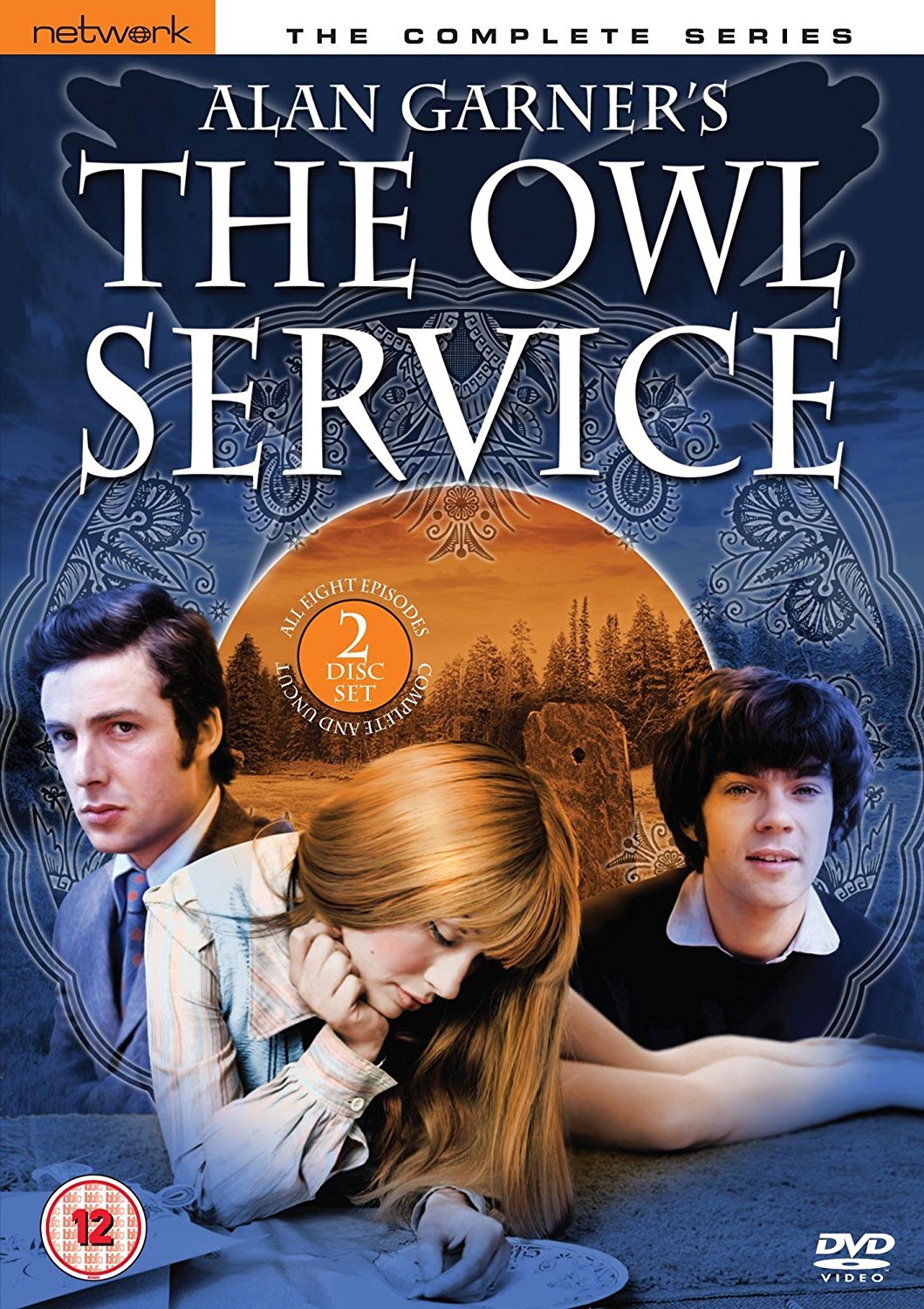
Alan Garner's The Owl Service1969
British children's adventure series from the same year, with a similar ensemble and the same willingness to treat kids as thoughtful viewers. Atmospheric and genuinely clever, mixing mystery with real character work.
But More serious and darker; trades comedy for genuine tension, which means it might feel like a tonal shift rather than a natural next step.
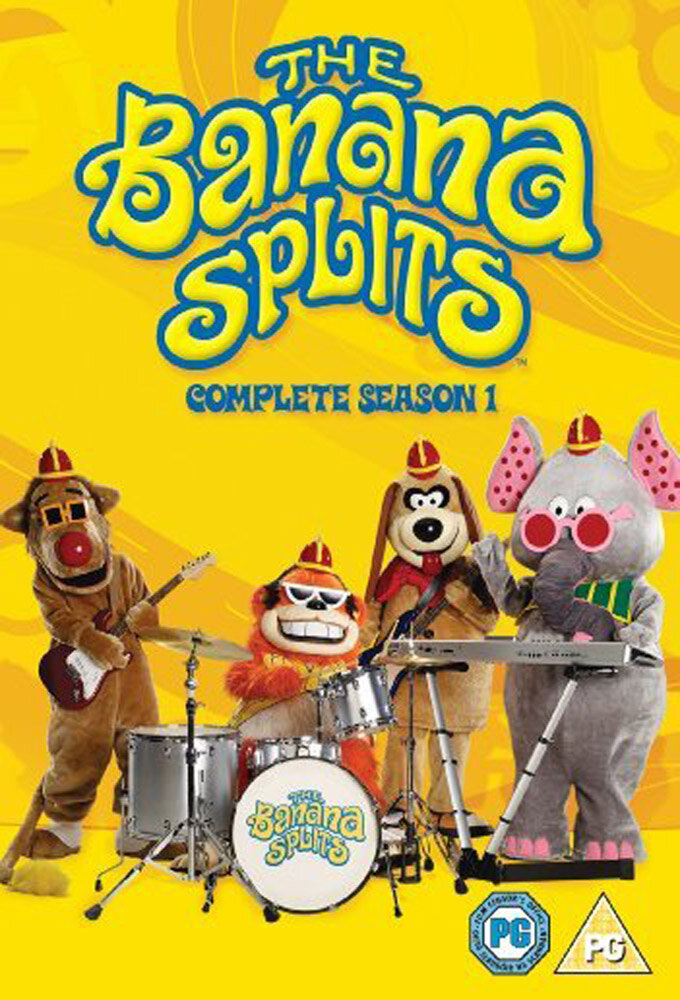
The Banana Splits Adventure Hour1968
American answer to the same impulse—absurdist comedy, ensemble adventure, that slightly surreal 1960s children's sensibility. Mixed live-action and character comedy, similar episodic structure.
But The live-action sequences feel cheaper and the tone is broader; less grounded than Double Deckers, which some find liberating and others find exhausting.
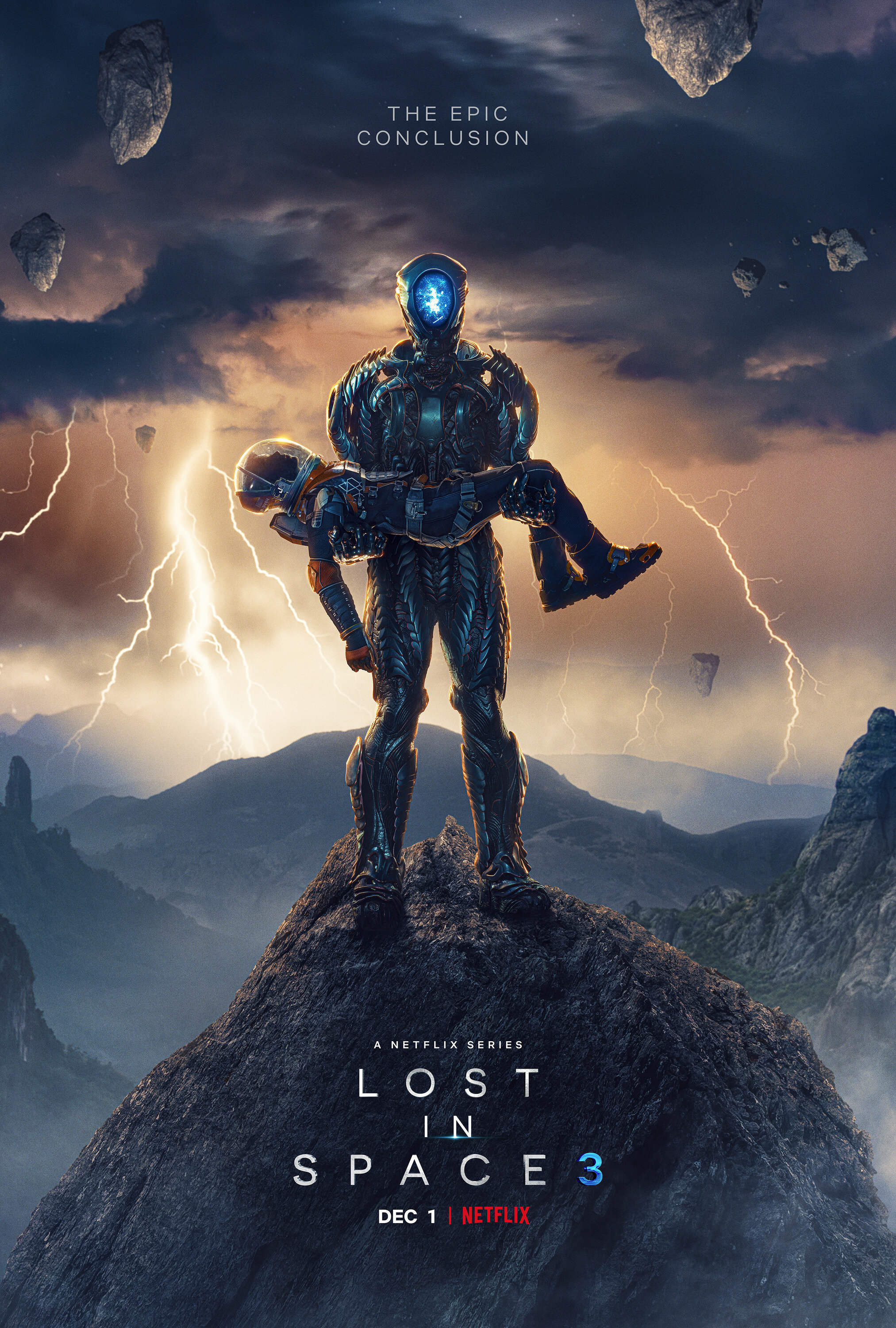
Lost in Space2018
Ensemble sci-fi adventure with that same spirit of making-it-work ingenuity and found-family warmth. Every week a new crisis, genuine stakes beneath the camp, real affection between the cast.
But Longer episodes and slightly more melodramatic; the tone is bigger and less domestic, which changes what the show is doing fundamentally.
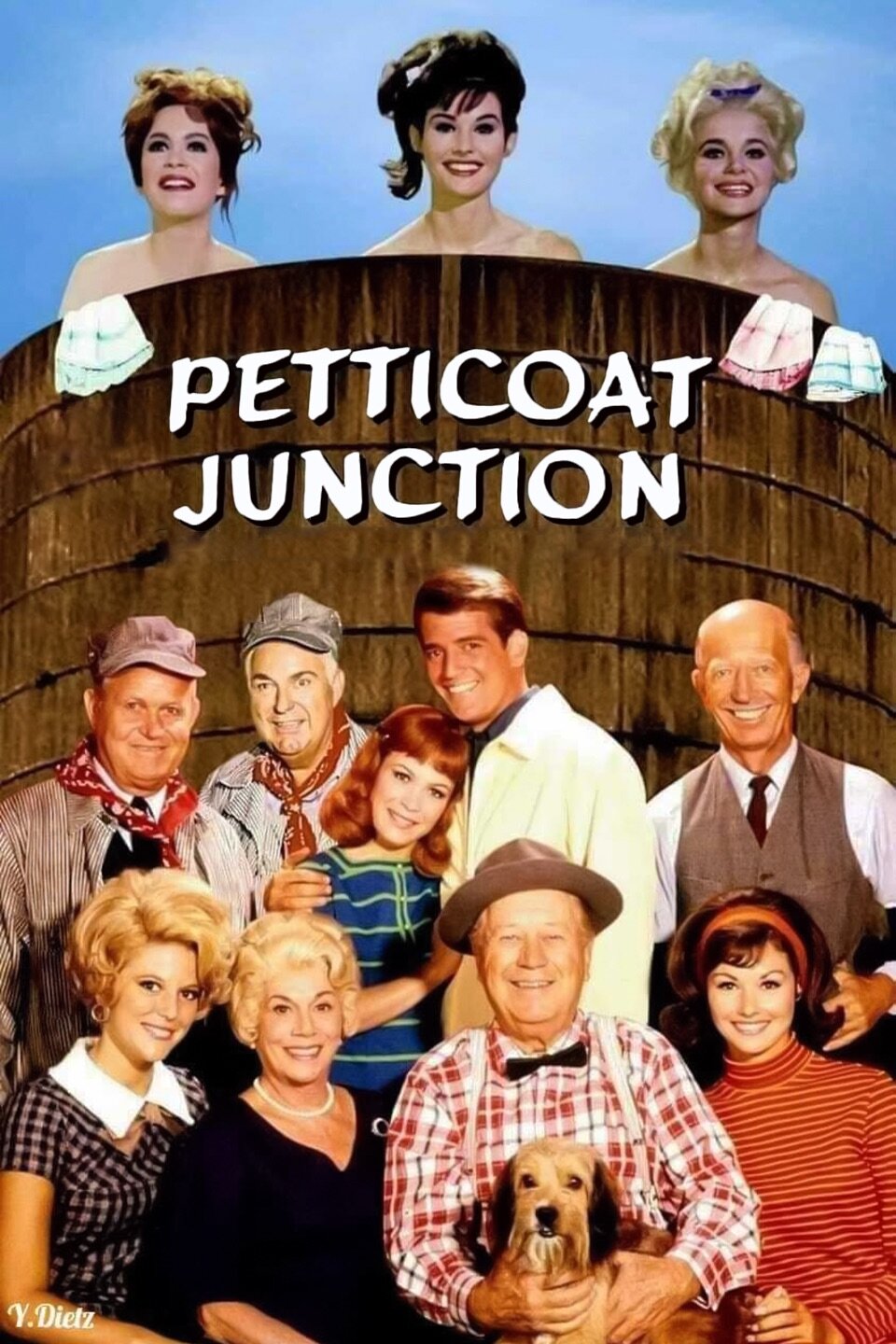
Petticoat Junction1963
Ensemble-driven comedy about a found family in an unusual location (a rural hotel). American, slightly older, but shares the same DNA of character-first comedy and genuine chemistry between cast members.
But Rural and domestic rather than adventurous; moves more slowly and the humour is gentler, which might feel less energetic depending what you want.
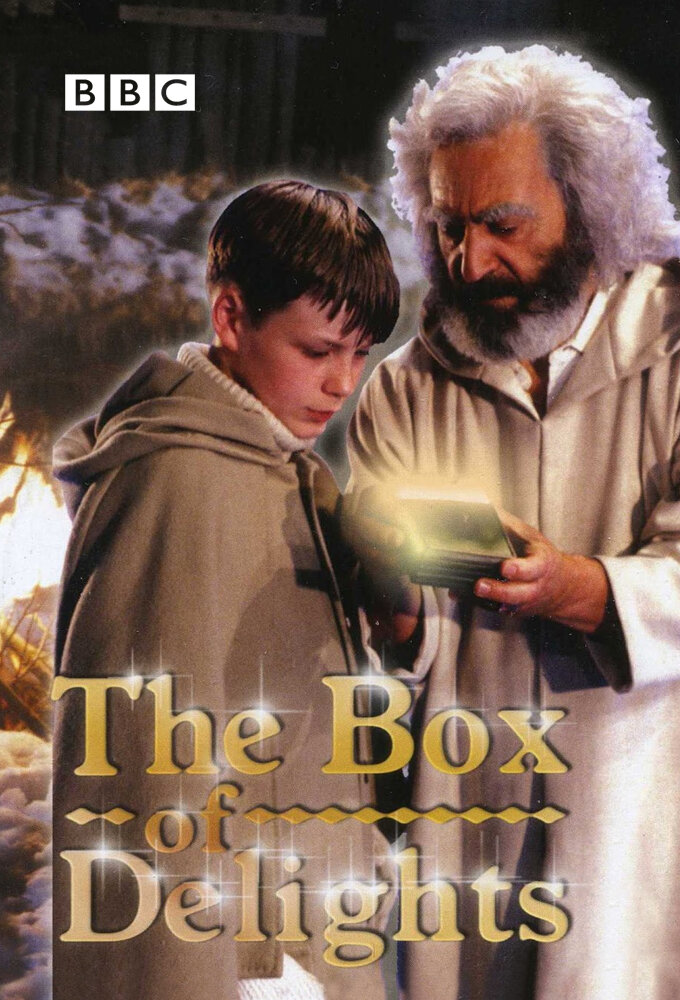
The Box of Delights1984
Both are British children's TV that earned that label by actually respecting children—by assuming they'd find genuine magic in storytelling rather than broad noise.
British children's fantasy from a few years later, episodic magic-and-adventure story with that same Britishness, practical effects, genuine sense that anything might happen next. Adventure and whimsy in equal measure, beautifully made.
But Darker and more genuinely fantastical rather than comedic; trades laughs for atmosphere and wonder, which is a substantial tonal shift.
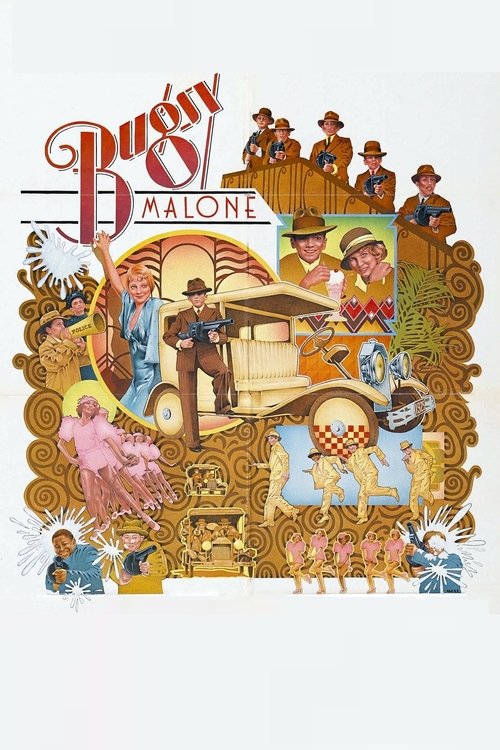
Bugsy Malone1976
Both are confident enough in their central idea—kids being resourceful, clever, entertaining—that they don't need to cut away to adults to validate them. Both let children lead.
A feature film with an all-child cast, musical, comedic, built on pure invention and casting kids in adult-style adventure. Same era, same British sensibility, same 'let's make something out of nothing' energy but scaled up to a proper film.
But A musical with child performers; the singing and dancing isn't always polished, and the tone can feel jarring if you're not ready for it to suddenly break into song.