
Film
Akenfield
- Coming-of-age
- Slow-burning
Akenfield is less a film than an act of oral history: Peter Hall cast real Suffolk villagers, non-actors playing versions of their own lives, to dramatise Ronald Blythe's book about a vanishing agricultural world. Told through overlapping memories as a young man weighs leaving, it's slow, hushed, almost documentary in texture. For anyone drawn to England's rural past and patient, unshowy filmmaking.
Should you watch it?
Watch it if you like films that build a village out of overheard voices and small domestic textures, where memory drifts rather than marches, and you don't need a plot to feel pulled along.
Skip it if you want a story with forward momentum and clear stakes; this moves in loose, meditative fragments and can feel static across its unhurried running time.
What it asks of you: Its rhythm is drifting and half-spoken, and at ninety-eight minutes it stays unhurried, asking you to hold many small voices in mind rather than follow one clear line.
Not sure? Find tonight's pick in a minute.
If you liked this
Kes1970
Loach's early masterpiece shares Akenfield's faith in ordinary, untrained voices—a Yorkshire schoolboy failed by every system around him, filmed with the same patient, unsentimental eye for working-class life.
But Loach's grimness can feel relentless; if you want warmth or resolution, this offers neither.

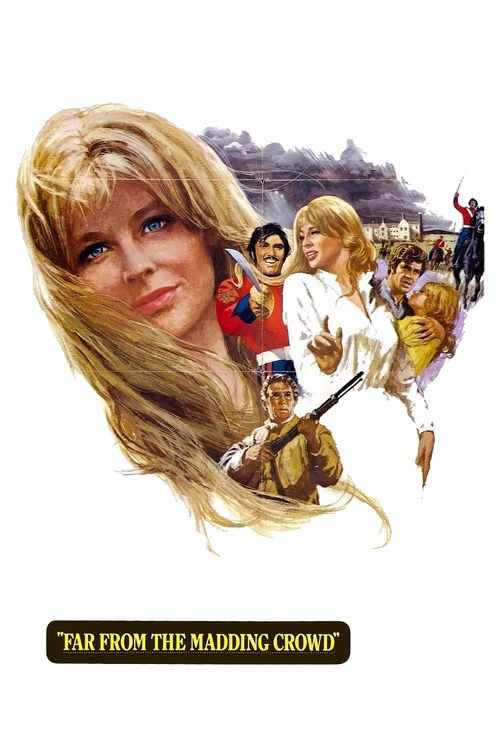
Far from the Madding Crowd1967
Same weather-beaten faces and rhythms of harvest and season, but told through Hardy's romantic plotting rather than oral testimony—gorgeous, unhurried, deeply attached to the land.
But Nearly three hours long, and its romantic melodrama is a world away from Akenfield's quiet realism.
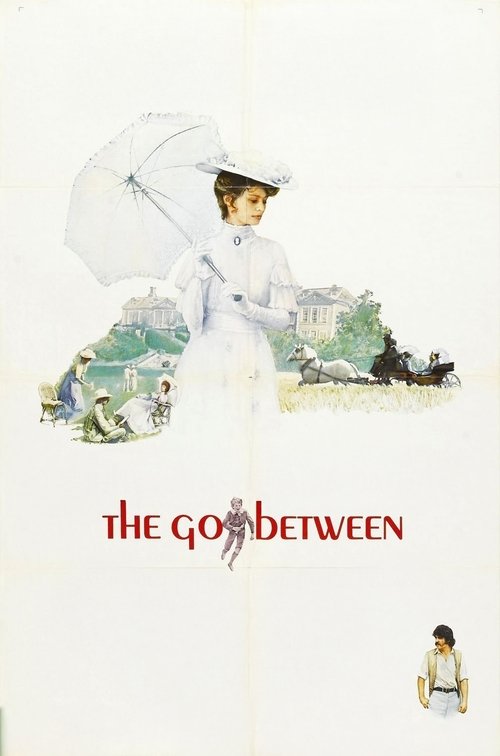
The Go-Between1971
Pinter's script and Losey's direction turn an English summer into a study of memory and class, the past pressing on the present exactly as it does through Akenfield's overlapping voices.
But It's a tragedy of manners rather than of land and labour; the concerns are personal, not agricultural.
Not sure tonight? Get a pick in a minute, starting from Akenfield
The wildcard
Something you would not have found on your own.
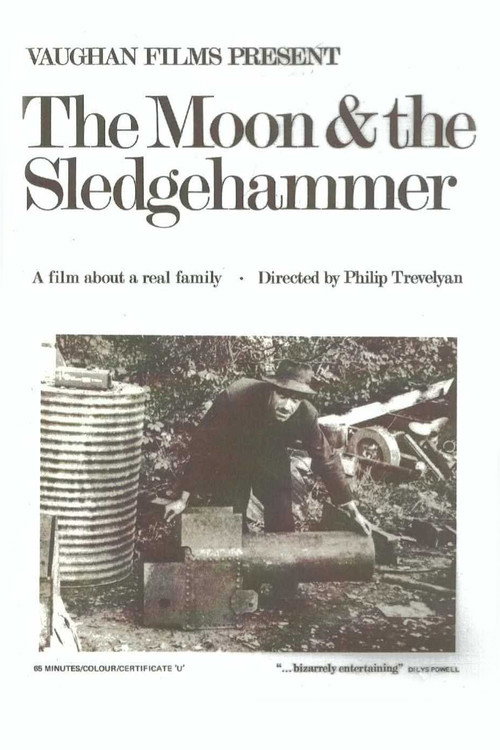
The Moon and the Sledgehammer1971
Made three years before Akenfield, this is a genuine documentary about an eccentric rural family living outside time in the Sussex woods—the nonfiction cousin of Akenfield's blurred fiction, proof this form of rural portraiture was in the air.
An extraordinary, deadpan documentary portrait of an off-grid family and their homemade steam engines, capturing the same disappearing rural eccentricity Akenfield fictionalises—but stranger, funnier, and entirely real.
But Very slight and plotless even by documentary standards; it's a mood piece about eccentrics, not a story.
More like this (8)
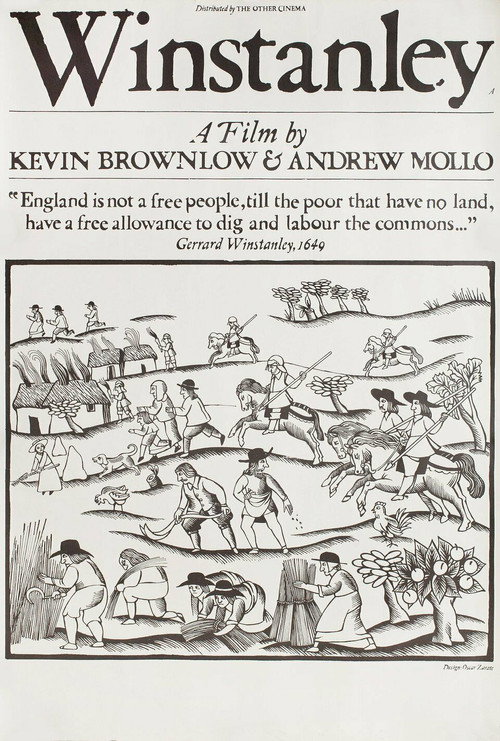
Winstanley1975
Kevin Brownlow cast real farmers and villagers, shot in stark black and white, to tell a 17th-century story of land and rebellion, sharing Akenfield's conviction that untrained faces tell truer stories.
But Austere and slow even by Akenfield's standards, with none of its lyrical narration to soften the history lesson.
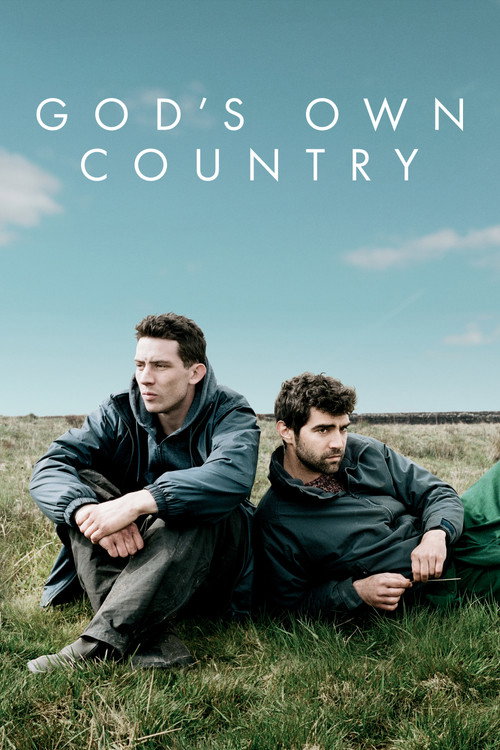
God's Own Country2017
A contemporary Yorkshire farm carries the same inheritance of hard labour and thwarted young men wanting out, shot with an unglamorous tenderness that would fit right into Akenfield's world forty years on.
But It's a love story first, and its warmth and eventual hope sit differently than Akenfield's elegiac drift.
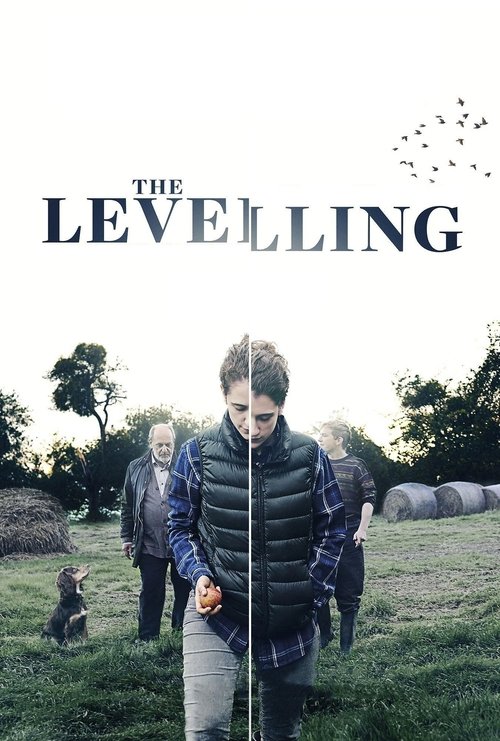
The Levelling2017
A Somerset farming family after flood and suicide wrestles with land, debt, and generational duty, told in the same unsentimental, observational register that runs through Akenfield's Suffolk.
But Grief-heavy and claustrophobic, with little of the communal warmth that threads through Akenfield's chorus of voices.
Bait2019
Shot on hand-cranked 16mm with a Cornish cast, this class-war fishing drama shares Akenfield's instinct that a vanishing way of life needs a strange, handmade form to hold it.
But Its jagged editing and near-silent-film grain are an acquired taste, more abrasive than Akenfield's gentle pacing.
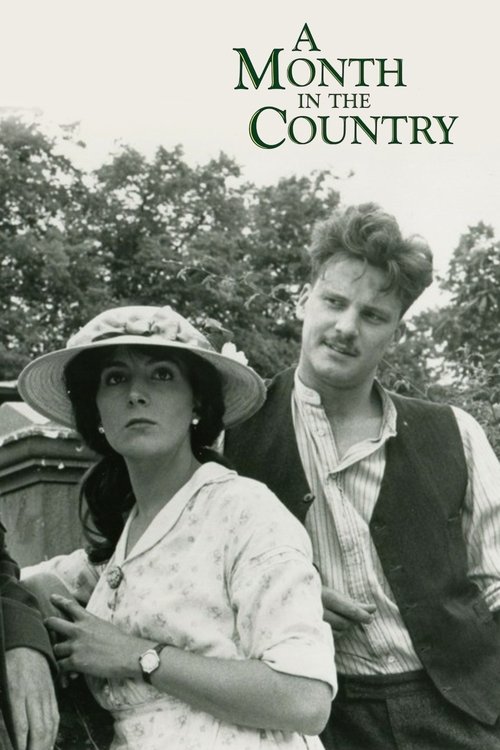
A Month in the Country1987
A shell-shocked veteran restores a church mural in a Yorkshire village, and the film moves at Akenfield's unhurried pace, trusting silence and landscape to do most of the talking.
But Even quieter and more internal than Akenfield, with almost nothing resembling a plot to hold onto.
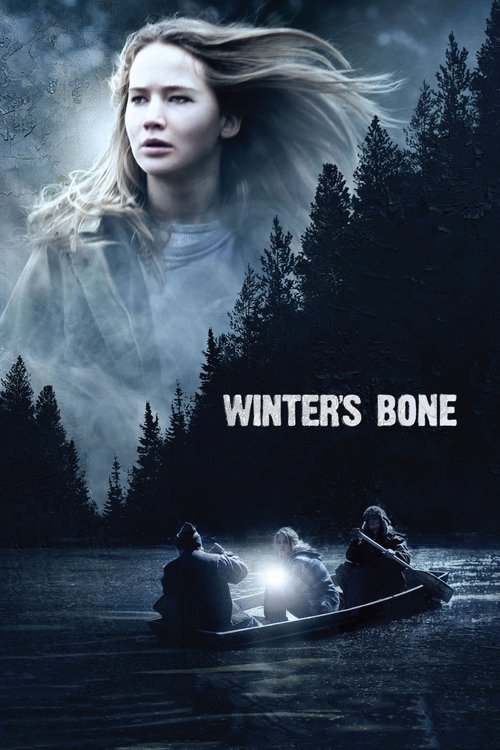
Winter's Bone2010
Swap Suffolk for the Ozarks and you get the same unromantic portrait of rural poverty, family obligation, and a young person caught between staying and escaping.
But Harder-edged and more dangerous than Akenfield's melancholy; this is rural life with menace built in.
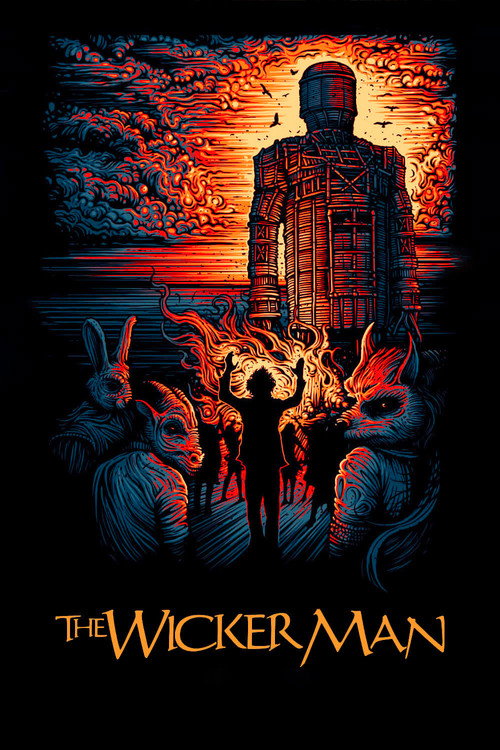
The Wicker Man1973
Same year, same rural British landscape steeped in folk custom and oral tradition, but where Akenfield finds elegy in the old ways, this finds horror—the flip side of the same coin.
Watch it right after Akenfield to see how quickly reverence for rural tradition can tip into dread—same folk rituals, same insular community, entirely different ending.
But It's a horror film with a notoriously grim final act; tonally it's a hard swerve from Akenfield's gentleness.
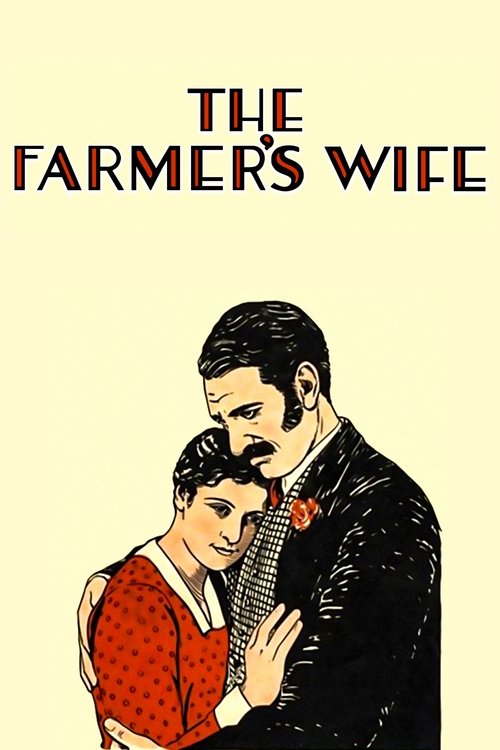
The Farmer's Wife1928
A silent Hitchcock comedy about an English farmer seeking a second wife, made nearly fifty years earlier—proof that British rural life and its customs were being filmed and mythologised long before Akenfield turned to elegy.
Hitchcock's silent countryside comedy shows the same rural England—hedgerows, church, gossiping neighbours—decades before Akenfield mourned its passing, and it's funnier than you'd expect.
But Silent film pacing and title cards take adjustment, and its comic tone couldn't be further from Akenfield's melancholy.
People
Cast
- Stanley BaxterBlacksmith
- Ronald BlytheThe Vicar
- Ethel BrantonMrs. Quantrill
- Lyn BrooksCharlotte Rouse
- Garrow ShandTom Rouse
- Peggy ColeDulcie Rouse
- Barbara TilneyJean Quantrill
- Ida PageAunt Ida
- Ted DedmanTed
- Mollie DedmanMollie
- Charlie CornishCharlie
- Charlie WhitingCharlie
Directing
- Peter HallDirector
Writing
- Ronald BlytheWriter
Production
- Peter HallProducer
- Rex PykeProducer
- Richard DobsonProduction Manager