
Film
The Moon and the Sledgehammer
- Slow-burning
A 1971 documentary following an eccentric family living off-grid in Sussex, building steam engines and hunting while contemplating the moon landing. It's a quiet, thoughtful film that lets you sit with people who've genuinely opted out, who think sideways about progress and purpose. For anyone curious about different ways of living, or who's ever felt the pull of self-sufficiency.
Should you watch it?
Watch it if you enjoy watching people talk their way through their own odd, stubborn philosophies, and you'd happily sit with a family's loose, wandering conversation about machines and the moon.
Skip it if you need a clear narrative or a steady stream of information, since this drifts, circles and rarely pushes toward a point.
What it asks of you: It runs an hour and five minutes at a patient, unhurried pace, asking you to stay with long pauses and ordinary domestic business rather than expecting a payoff.
Not sure? Find tonight's pick in a minute.
If you liked this
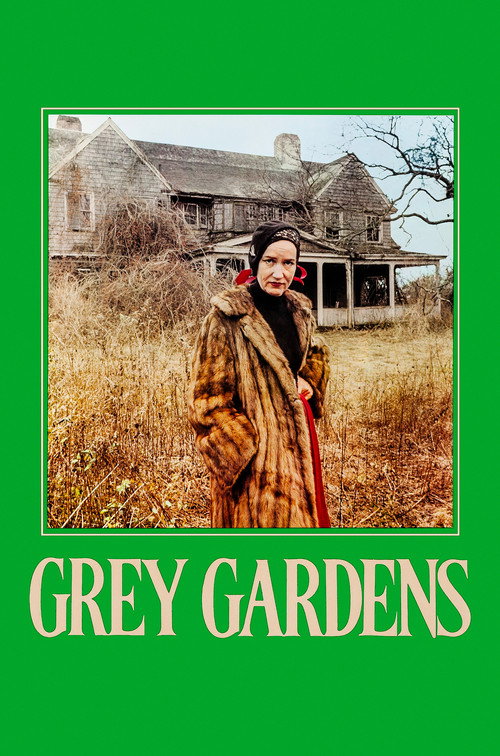
Grey Gardens1976
A documentary about reclusive relatives living in deliberate decay on Long Island. Like The Moon and the Sledgehammer, it finds strangeness and poignancy in people choosing their own path, utterly indifferent to how the world judges them.
But It can feel exploitative—the filmmakers are fascinated by eccentricity, and the line between respect and spectacle blurs. Also quite bleak.
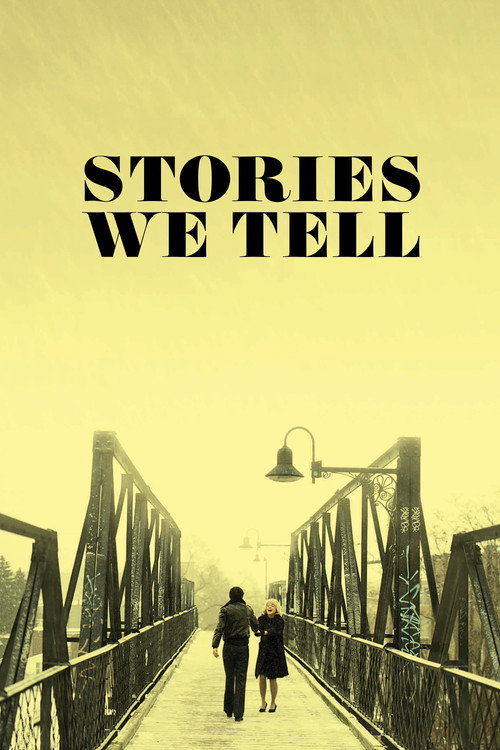
Stories We Tell2012
Michael Madsen's documentary about his own family unfolds like a mystery, revealing how one family constructs meaning and memory together. It shares that intimate, unhurried attention to how people actually live and think.
But It's very much about Madsen's own grief and wondering. If you're after observation rather than the filmmaker's emotions, it may feel self-indulgent.
The Act of Killing2012
Joshua Oppenheimer's documentary asks difficult questions about how people justify themselves and live with the past. Like the Pages, it trusts viewers to think through uncomfortable ideas without being lectured.
But It's about genocide and mass murder. The philosophical approach to horrific material won't sit right with everyone, and some find it morally queasy.

Not sure tonight? Get a pick in a minute, starting from The Moon and the Sledgehammer
The wildcard
Something you would not have found on your own.
Kes1970
Both capture people claiming autonomy and dignity through work with their hands and minds, in a world that undervalues both.
Ken Loach's film about a working-class boy training a hawk is set in industrial Yorkshire, capturing someone finding meaning and control through nature and craft. It shares the Pages' faith in direct, skillful doing as resistance to an indifferent system.
But The ending is brutally sad. Loach doesn't offer comfort, and the film indicts the world around the boy without offering a way out. Some find it punishing.

More like this (7)
Sans Soleil1983
Chris Marker's essayistic documentary drifts between Japan, Guinea-Bissau, and memory, pondering technology, progress, and what we preserve. It's philosophical in the same wondering way—less story, more meditation on how to live.
But It's deliberately fragmented and poetic. If you want clear narrative or answers, you'll leave frustrated. Some find it pretentious.

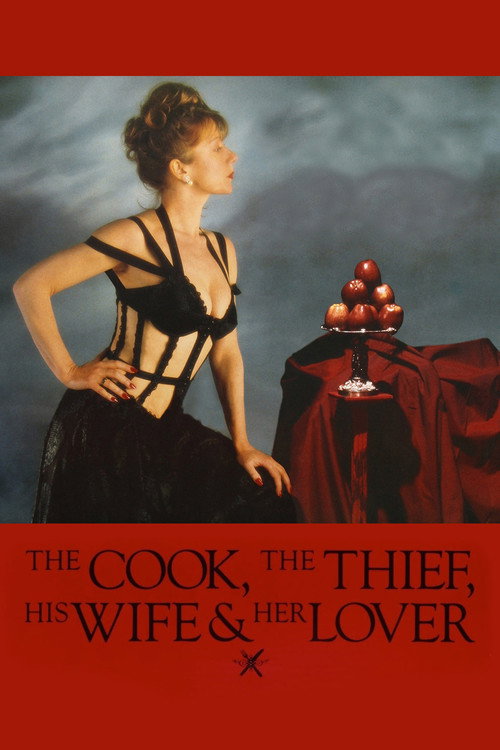
The Cook, the Thief, His Wife & Her Lover1989
Peter Greenaway's baroque film interrogates consumption, class, and power through sheer visual invention. Both films offer fierce lateral thinking about society, though this one attacks it rather than quietly sidesteps it.
But It's extremely violent, sexually explicit, and deeply unpleasant. The formal beauty doesn't soften what you're watching; some say it makes it worse.
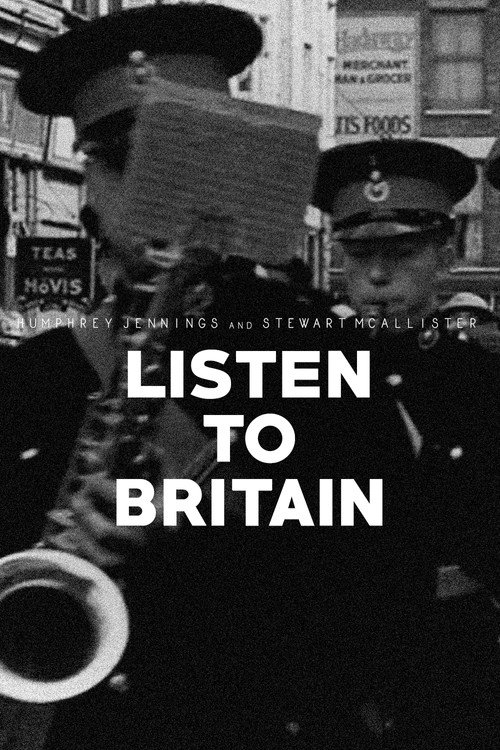
Listen to Britain1942
Humphrey Jennings' wartime documentary finds poetry in ordinary British life—sounds, faces, work. It shares The Moon and the Sledgehammer's belief that real life, observed carefully, is endlessly fascinating.
But There's no narrator, no structure, just images and sounds. It demands active attention and rewards it slowly. Easy to find it dull.
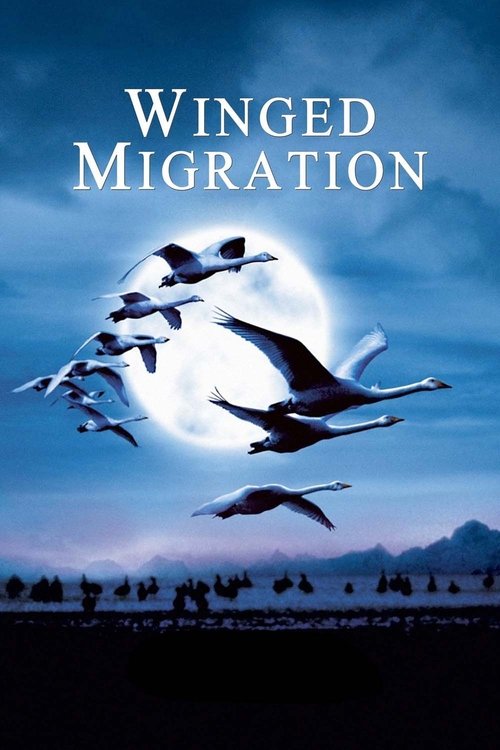
Winged Migration2001
Jacques Perrin's documentary follows birds across continents with patient, spectacular cinematography. Like the Pages, it's about living in rhythm with nature, but shot with a grandeur that celebrates what they quietly practice.
But Long sequences of flying birds, however beautiful, can feel repetitive. It's more meditative than narrative, which tests patience.
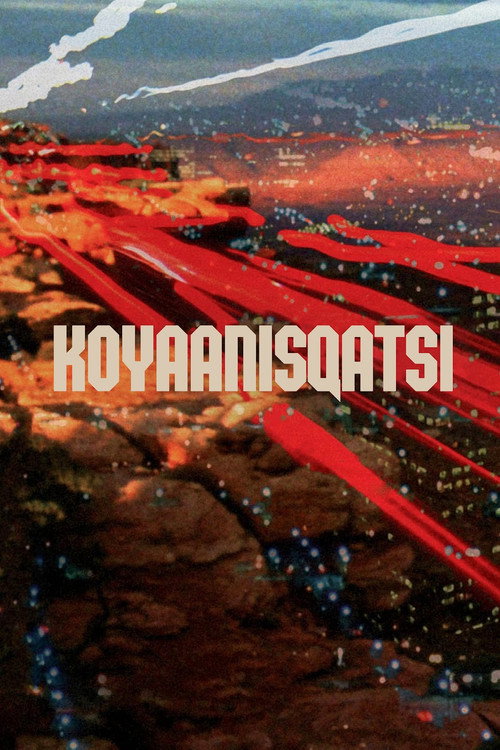
Koyaanisqatsi1983
Godfrey Reggio's non-narrative documentary contrasts nature with industrial chaos through hypnotic time-lapse. It's the inverse of the Pages' philosophy made visual—showing the world they're rejecting, asking the same questions about progress.
But No dialogue, no story, just images and Philip Glass's relentless score. Some find it a 97-minute music video; others find it profound.
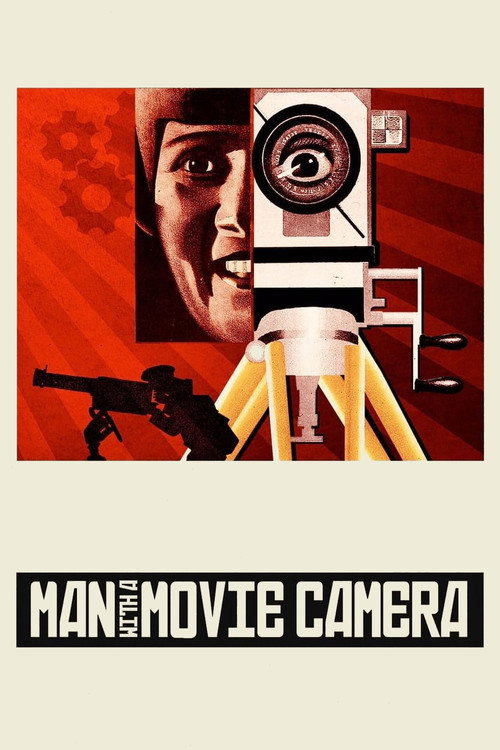
Man with a Movie Camera1929
Dziga Vertov's Soviet silent documentary celebrates modernity and human labor through formal innovation. It's asking what the Pages are asking—what does it mean to work, to build, to exist?—but from the opposite end.
But It's nearly a century old, silent, and formally experimental. The Constructivist style is strange on first viewing, and the film has no plot to anchor you.
Stalker1979
Both trust viewers to sit with big questions about purpose and value. Both believe thought moves slowly, and cinema should match that pace.
Andrei Tarkovsky's science-fiction film moves with deliberate slowness through a mysterious zone toward an enigmatic goal, asking what we want and why. Formally and philosophically, it's the Pages' meditation style transplanted to metaphysical terrain.
But It's 163 minutes of long takes and philosophical dialogue. If you want plot momentum or answers, you'll find it glacial. Some call it beautiful; others call it a test of endurance.

People
Cast
- Mr. PageHimself
- Jim PageHimself
- Peter PageHimself
- Kathy PageHerself
- Nancy PageHerself
Directing
- Philip TrevelyanDirector
Production
- Lynda DeakinLocation Manager
- James VaughanProducer