
Film
Listen to Britain
- Slow-burning
A 20-minute portrait of wartime Britain without a word of narration. Humphrey Jennings assembles overheard voices, music, machinery, and everyday moments into something like a national heartbeat—less about what the war does to people than about who people become while enduring it. Gentle, hypnotic, and profoundly moving.
Should you watch it?
Watch it if you love films that trust images and sound to carry the meaning, the kind of wartime portrait where a dance hall, a factory line or a snatch of music says more than any voiceover could.
Skip it if you want a documentary that explains itself, since there is no narration and the history arrives only through what you see and hear, which can feel elusive if you came looking for facts.
What it asks of you: Twenty minutes, unhurried and attentive, with long held shots and a soundtrack doing much of the work, so you will need to keep your eyes and ears open rather than waiting for a guide.
Not sure? Find tonight's pick in a minute.
If you liked this
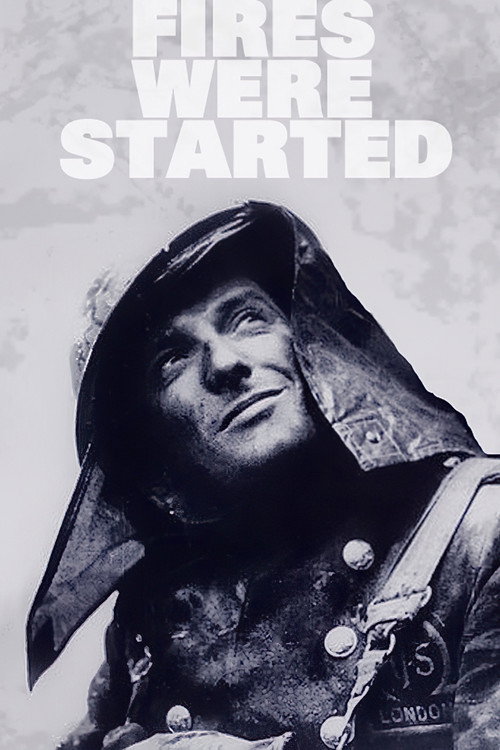
Fires Were Started1943
Jennings's follow-up deepens the method: a night in the lives of London firefighters, shot with the same patient naturalism and ear for authentic sound. More narrative structure, but the same documentary poetry.
But It's a slow film about routine heroism. If you want explosions and drama, this will feel like watching people wait and talk.
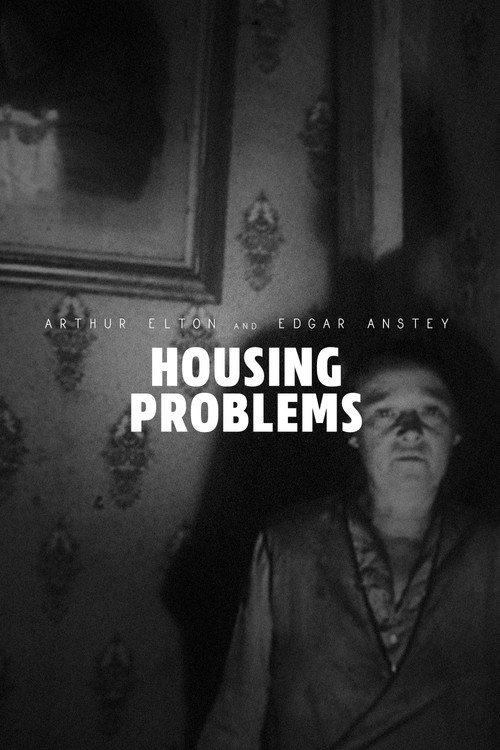
Housing Problems1935
Pioneering use of direct sound and interviews: residents of a slum speak to the camera about their lives. Raw, unsentimental, and the ancestor of everything documentary became. Utterly radical for 1935.
But The sound is muddy. The format—people talking to camera—may feel dated if you're used to modern editing.
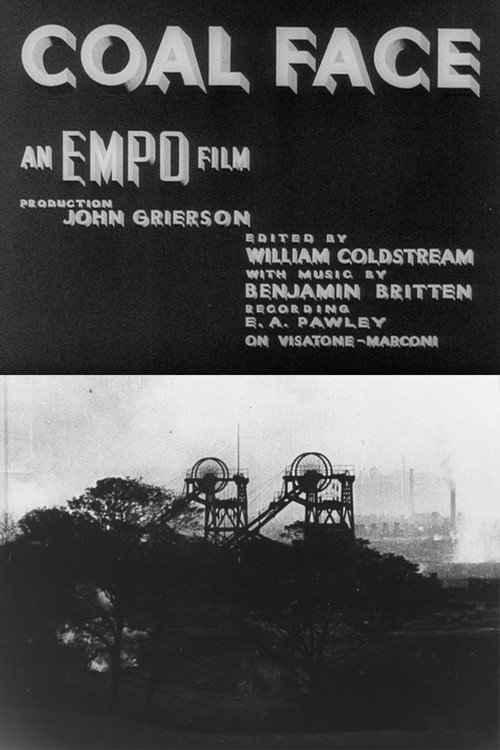
Coal Face1935
GPO Film Unit documentary on coal mining, with Auden again and Britten's score. The texture of underground work—the sounds, the faces, the toll—comes across in every frame.
But It's a working-life document, not a story. If you're not drawn to labour or British industrial history, it won't speak to you.
Not sure tonight? Get a pick in a minute, starting from Listen to Britain
The wildcard
Something you would not have found on your own.
Sans Soleil1983
Both films understand that montage and sound design can capture the interior life of a nation or a moment in a way plot cannot. Both refuse to tell you what to feel.
Chris Marker's essay-film uses photographs, found footage, and a hypnotic voice-over to meditate on memory, place, and what it means to be alive. Like Listen to Britain, it trusts images and sound to do the feeling rather than explaining it.
But It's abstract and philosophical, with no conventional story. Some find it bewildering; others find it life-changing. There's no in-between.

More like this (5)
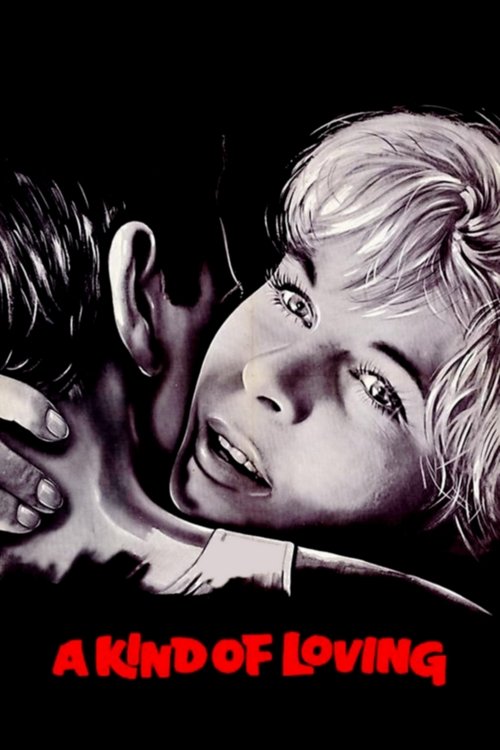
A Kind of Loving1962
John Schlesinger's film about a young couple in industrial Lancashire captures postwar Britain with the same eye for vernacular detail that Jennings had. Naturalistic performances, real locations, no artifice.
But It's a love story about unhappy people in grey towns. Romance is not the point. The ending is downbeat.
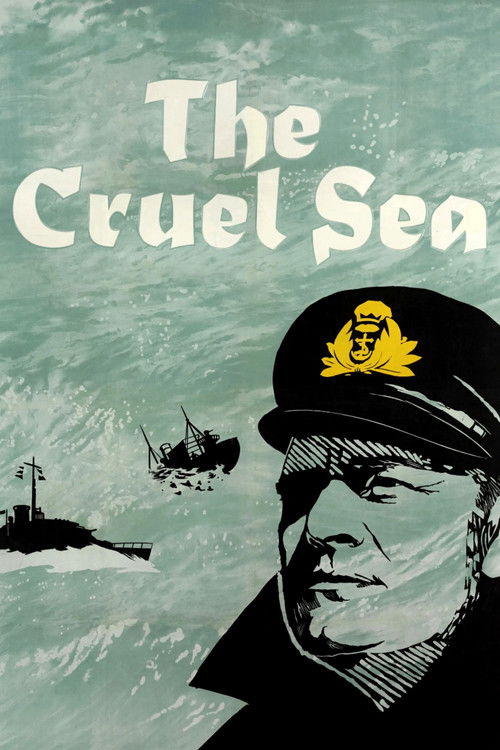
The Cruel Sea1953
An ensemble drama about a Royal Navy minesweeper in the Battle of the Atlantic. It has the documentary feel of something lived through, with understated performances and a commitment to the texture of wartime service.
But It's a men-in-wartime film that moves slowly. Modern audiences often find it fusty and overly reverent about military honour.
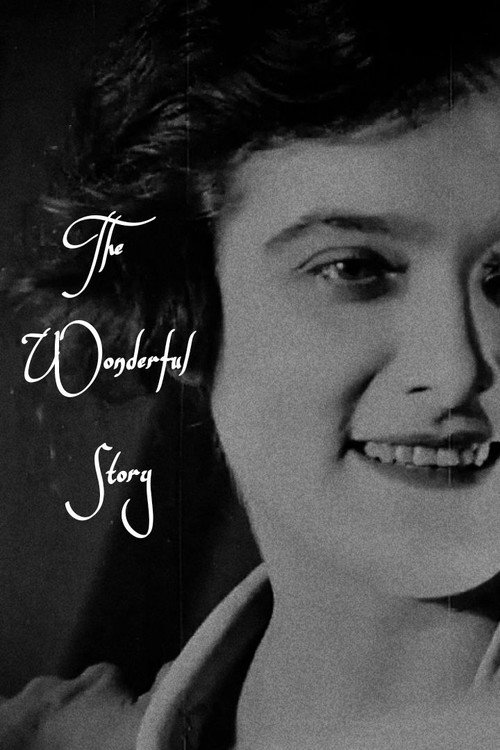
The Wonderful Story1922
An early British feature, made just after the Great War, about ordinary life and small domestic dramas. It has the quality of looking at reality without dramatising it, a precursor to Jennings's method.
But It's very slow, very quiet, and very much a document of its moment. The restoration is recent; prints were thought lost.
Man with a Movie Camera1929
Both films see cinema not as a way to tell a story but as a way to *see* a society. The machinery and movement of everyday life is the subject.
Dziga Vertov's Soviet experimental documentary uses rapid editing, split-screens, and ingenious camera tricks to show the rhythms of urban life across a single day. It's not naturalistic like Jennings, but it shares his belief that cinema can be a form of witness.
But It's silent, experimental, sometimes dizzying in its editing. If you prefer conventional documentary, it may feel too avant-garde.

The Act of Killing2012
Both films understand that the absence of manipulation—the refusal to narrate, to judge, to explain—is itself the most powerful form of witness. Both trust the audience to understand what they're seeing.
Joshua Oppenheimer's documentary about Indonesian death-squad leaders is a complete tonal inversion of Jennings: instead of poetry and restraint, it's confrontational and grotesque. But it shares the same faith that if you simply show people what happened, the moral weight becomes unbearable.
But It depicts mass murder and features men reenacting their own atrocities. It's disturbing, sometimes unwatchable, and requires a strong stomach.

People
Cast
- Leonard BrockingtonSelf - Foreword by
- Joseph MacleodSelf - BBC Newsreader (voice)
- Bud FlanaganSelf - Flanagan & Allen
- Chesney AllenSelf - Flanagan & Allen
- Myra HessSelf - Pianist
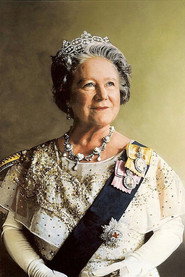 Queen Elizabeth the Queen MotherSelf - in Audience (uncredited)
Directing
- Joe MendozaAssistant Director
- Humphrey JenningsDirector
- Stewart McAllisterDirector
Writing
- Humphrey JenningsWriter
- Stewart McAllisterWriter
Production
- Ian DalrympleProducer
- Dora WrightProduction Manager
Recommended by
Mrs. Miniver, Even the Rain, The Lion Has Wings, A Diary for Timothy, CBS Reports: Harvest of Shame, The Moon and the Sledgehammer, Of Time and the City, Why We Fight: The Battle of Britain, Holy Ghost People, Handsworth Songs, The Volunteer, Workers Leaving the Lumière Factory, 76 Minutes and 15 seconds with Abbas Kiarostami, Hockney, Raga, The Silent Village