
Film
The Silent Village
- Crime
- Very dark
A 1943 Welsh-language film that restages the Nazi massacre of Lidice as if it happened in a Welsh village. Shot as drama rather than documentary, it's a bold act of resistance cinema—using local people and landscape to make distant atrocity visceral and immediate. For anyone interested in wartime propaganda, early cinema courage, or how art processes horror.
If you liked this
Shoah1985
Claude Lanzmann's nine-hour documentary about the Holocaust refuses easy answers or archival footage, instead letting survivors and perpetrators speak. Its commitment to bearing witness without aestheticizing suffering sets a standard for how to film the unfillable.
But At over nine hours, it demands patience and emotional endurance. Some find the slowness punishing rather than respectful.

Night and Fog1956
Alain Resnais condenses the horror of the camps into 32 minutes of controlled devastation. Poetry, archive footage, and colour cinematography combine to create something that doesn't feel like a film at all—more like a persistent bad dream.
But Its formal beauty can feel at odds with its subject matter in ways that trouble some viewers. The distance it maintains might read as coldness.

Come and See1985
This Belarusian film follows a boy through the Nazi invasion of the Soviet Union. It's not a war film—it's a document of how war unmakes a person. Brutal, necessary, unforgettable.
But Genuinely hard to watch. It doesn't offer catharsis or heroism, only accumulating horror and a final image that haunts for days.

Not sure tonight? Get a pick in a minute, starting from The Silent Village
The wildcard
Something you would not have found on your own.
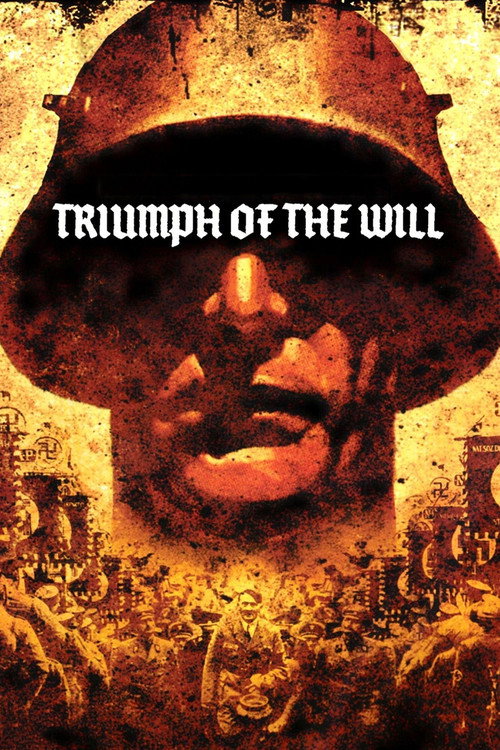
Triumph of the Will1935
Both are wartime films that weaponize cinema itself—one to spread ideology, one to preserve memory and assert defiance. They're mirror images of what film can do in extremity.
Leni Riefenstahl's notorious Nazi propaganda film is the precise inverse of The Silent Village—both use cinema as a weapon, but one for tyranny and one for resistance. Watching them together reveals how form can serve any master.
But It's morally troubling to watch propaganda that works. Some find the aestheticization of fascism too much, even in a historical context. Essential viewing, but not comfortable.
More like this (7)
The Act of Killing2012
Joshua Oppenheimer's documentary asks Indonesian death-squad leaders to stage their own murders. It's a radical act of moral clarity disguised as surrealism—forcing perpetrators to confront what they've done through their own fantasies.
But Watching murderers perform with pride is nauseating by design. It asks you to sit with discomfort rather than resolve it.

Kes1970
Ken Loach's film about a working-class boy and his hawk uses the everyday to expose systematic cruelty. It shares The Silent Village's gift for making local life matter, for showing how power operates in small places.
But It's not about war, and the connection might feel oblique. The mood is quieter, less obviously urgent.

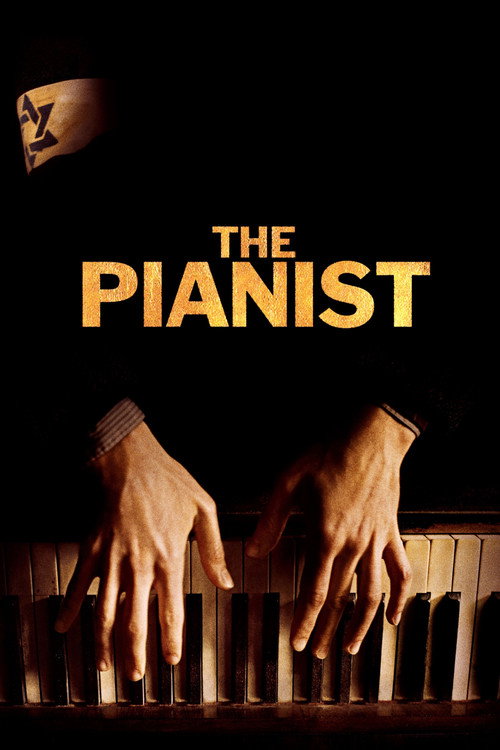
The Pianist2002
Roman Polanski's film follows a Polish Jewish pianist through Warsaw's occupation. It grounds the Holocaust in one man's survival and moral compromise, asking what it costs to stay alive when the world is ending.
But As a major studio film, it risks softening horror into narrative. Some find the approach too conventional for such subject matter.
Requiem for a Dream2000
Darren Aronofsky's film about addiction moves with the relentless momentum of The Silent Village—using form and sound to make internal collapse external. A different disaster, same grammar of inescapable doom.
But It's not about war or history. Its intensity and visual assault can feel manipulative if you're not with it.

Stalker1979
Andrei Tarkovsky's Soviet science-fiction film carries the weight of a traumatized culture without ever naming trauma. It's about longing, prohibition, and the spaces where power operates in silence.
But Glacially slow and abstract. If you want clarity or plot momentum, this will test your patience severely.

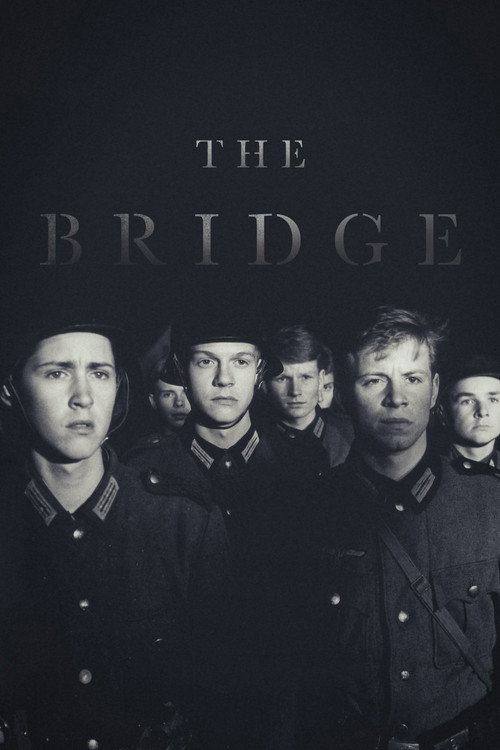
The Bridge1959
Both films use a specific place—the bridge, the village—as the site where history breaks through. Both ask: what is a community in the moment it's destroyed?
Bernhard Wicki's German film follows teenage boys conscripted in the war's final days to defend a meaningless bridge. It's a quiet devastation—using ordinary young lives to ask why anyone dies when everything is already lost.
But It's a German perspective on Nazi Germany, which some find uncomfortable. The pacing is contemplative rather than dramatic.
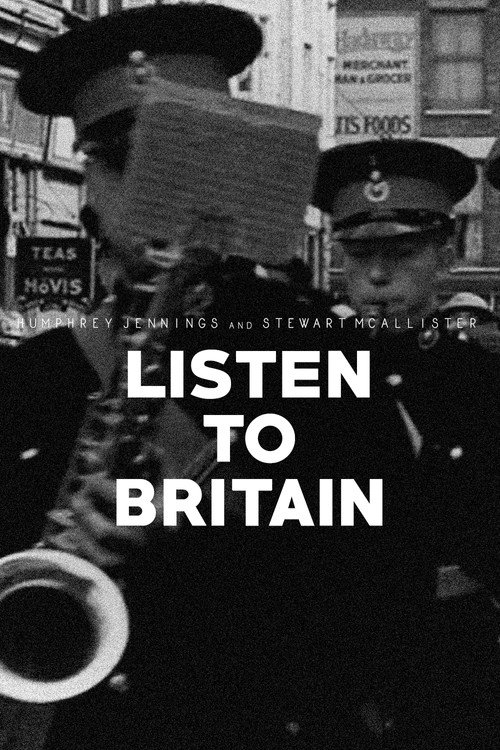
Listen to Britain1942
Both are British wartime films that refuse conventional propaganda. Both insist that cinema can witness and preserve without explaining, using landscape and ordinary life as their subjects.
Humphrey Jennings's experimental documentary is a sound poem of Britain at war—no narration, just the acoustic texture of a nation enduring. It's wartime cinema made from within, which is what The Silent Village is attempting.
But It has no conventional narrative or argument. It's more like a mood than a film. If you need plot or clarity, it will frustrate you.
People
Cast
- Arwel MichaelSelf
Directing
- Diana PineAssistant Director
- Humphrey JenningsDirector
Production
- Humphrey JenningsProducer