
Film
Triumph of the Will
Leni Riefenstahl's record of the 1934 Nuremberg rally is not really a documentary — it's an instrument. Every crane shot, torchlit procession and choreographed salute was built to make fascism look like destiny. Watching it now means watching propaganda perfect itself: technically dazzling, morally void, and essential for understanding how cinema can manufacture belief rather than simply record it.
If you liked this
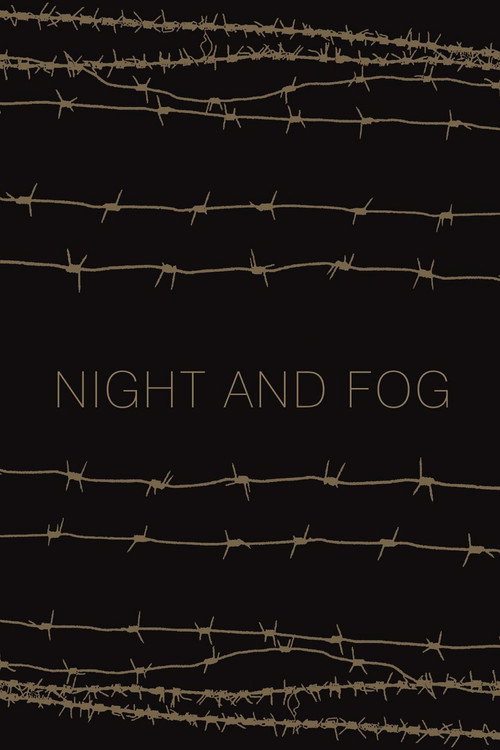
Night and Fog1956
Alain Resnais's short, devastating essay-documentary walks the same ground the rally marched toward. It answers Riefenstahl's spectacle with the camps' aftermath, unadorned. The necessary other half of this history.
But Thirty-two minutes that will sit with you for years. There's no distance to hide behind.
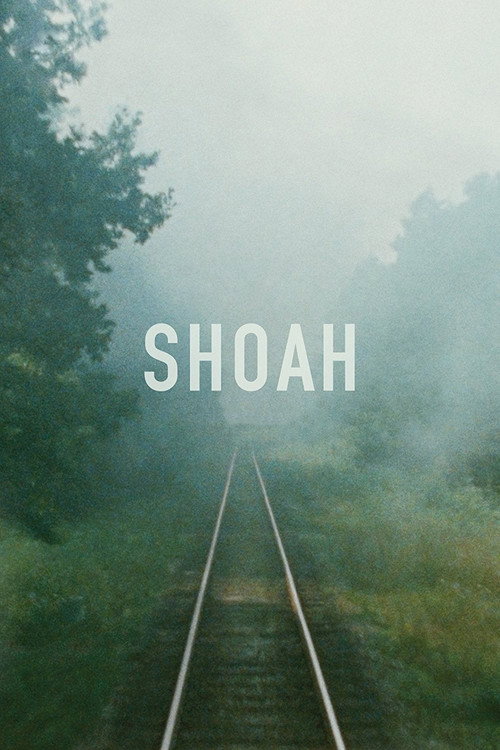
Shoah1985
Claude Lanzmann spent over a decade gathering testimony from survivors, perpetrators and bystanders, refusing archival footage entirely. It's the patient, unglamorous opposite of Riefenstahl's method — truth built from waiting, not staging.
But Nine and a half hours, no music, no narration. A genuine commitment, not a casual watch.
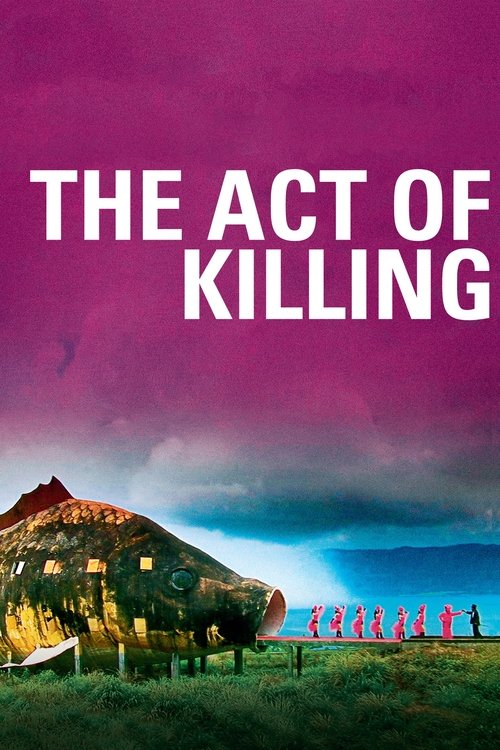
The Act of Killing2012
Indonesian death squad leaders re-enact their killings for the camera, often as musicals or gangster films. It exposes how easily atrocity turns into performance — the same impulse Riefenstahl exploited, filmed from inside the perpetrators' heads.
But Deliberately disorienting and morally queasy by design. Some viewers find its aesthetic choices exploitative rather than illuminating.
The wildcard
Something you would not have found on your own.
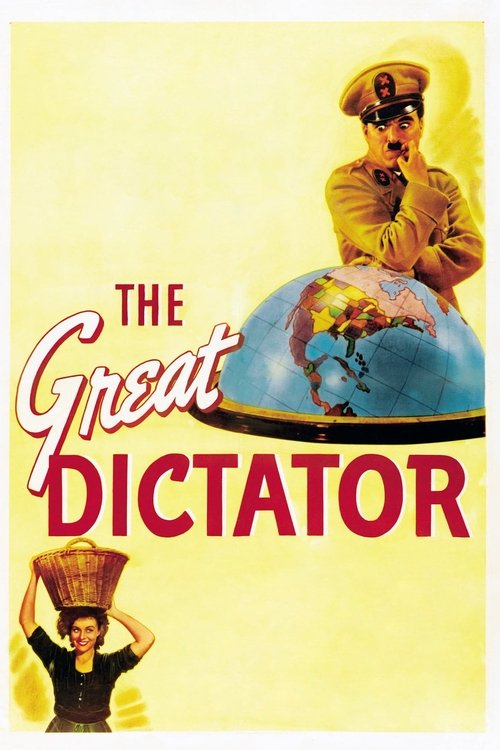
The Great Dictator1940
A direct contemporary rebuttal — the same visual grammar of rallies and salutes, filmed the same decade, deployed as ridicule instead of worship.
Charlie Chaplin, a Jewish-coded comic in real danger from the regime he was mocking, made this satire of Hitler while Riefenstahl's rally footage was still fresh. The mustache, the balcony, the crowds — he takes her imagery apart with slapstick.
But Chaplin later said he couldn't have made comedy of it had he known the full scale of the camps; the tonal shift near the end still unsettles some viewers.
More like this (8)
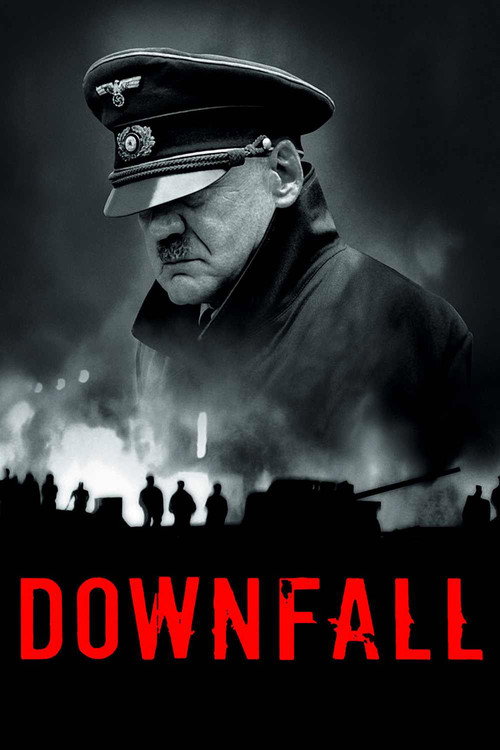
Downfall2004
Bruno Ganz's Hitler in his final bunker days is the human wreckage behind the myth Riefenstahl built. Watching the machine collapse is a useful corrective to watching it assembled.
But Its sympathetic framing of Hitler's inner circle drew real controversy; it asks you to spend two hours in close, uncomfortable proximity.
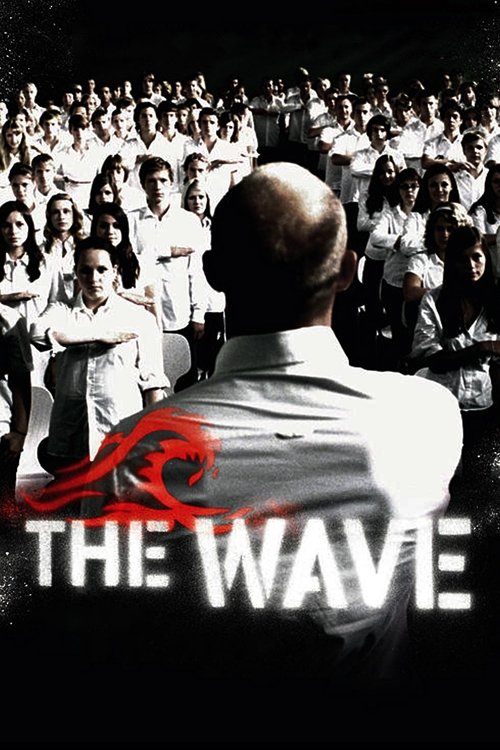
The Wave2008
A German teacher's classroom experiment in authoritarianism spirals into something genuinely frightening. It shows how quickly the choreography of belonging — uniforms, salutes, unity — can be rebuilt from nothing.
But Blunt and didactic where the history it's drawing on is more complicated; works better as a warning than as cinema.
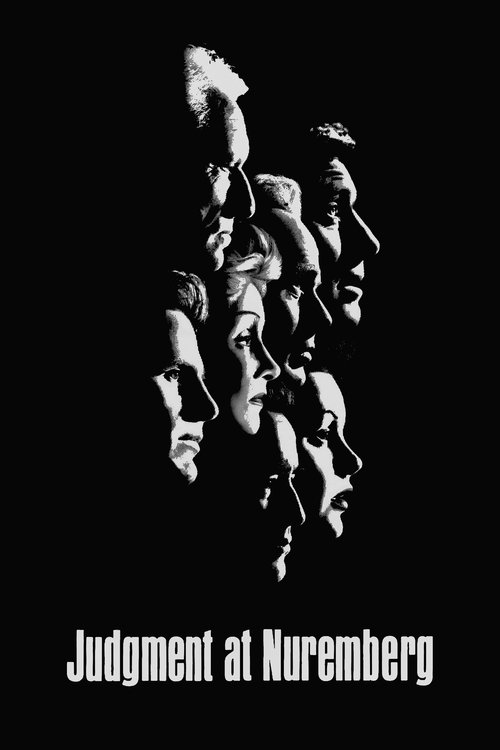
Judgment at Nuremberg1961
Spencer Tracy presides over the trial of judges who enabled the regime this rally celebrated. A courtroom drama that asks, seriously, what complicity looks like once the spectacle is over.
But Talky and theatrical by design — three hours of argument rather than action.
The Nazis: A Warning from History1997no page yet
This BBC series traces the machinery of the Third Reich through ordinary bureaucrats and functionaries, not just its leaders. It's the institutional counterpart to Riefenstahl's myth-making — how the system actually ran.
But Dense, fact-heavy television with no dramatic flourish; built for study more than entertainment.
Hitler: A Career1977no page yet
A German documentary that dissects Hitler's rise using much of the same rally footage, but recontextualised with analysis instead of adulation. Seeing the raw material stripped of Riefenstahl's editing is genuinely instructive.
But Hard to find with English subtitles, and its dry academic tone is a world away from cinematic spectacle.
The Specialist1999no page yet
Built entirely from footage of Adolf Eichmann's 1961 trial, this documentary studies a different kind of performance for the camera — bureaucratic self-justification instead of mass adulation.
But Static and courtroom-bound; its power is cumulative rather than immediate.
Starship Troopers1997
Genre transplant: the exact choreography of mass adoration Riefenstahl filmed sincerely, restaged as science-fiction so audiences can be seduced by it and then made to notice they were seduced.
Paul Verhoeven, who lived through Nazi occupation as a child, buried a vicious satire of fascist spectacle inside a pulpy alien-war blockbuster — complete with recruitment rallies and uniformed crowds staged to echo Riefenstahl's compositions almost shot for shot.
But Plenty of viewers watch it straight, as dumb fun with bugs and explosions, and never clock the satire at all — which is rather the point, and rather the problem.

A State of Mind2005no page yet
Proof the method didn't die with the regime — the same aesthetic of mass bodies performing loyalty for a camera, relocated seventy years later and half a world away.
This documentary follows two North Korean schoolgirls training for the Mass Games, an annual spectacle of synchronised bodies performing devotion to the state. It's Triumph of the Will's grammar, still running, in a country that never stopped using it.
But Slow and observational rather than analytical; it trusts you to draw the parallels yourself, which not everyone wants to do.
People
Cast
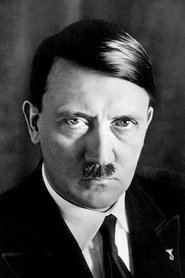 Adolf HitlerSelf
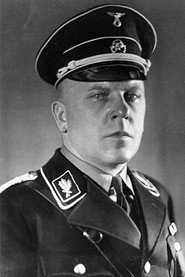 Max AmannSelf
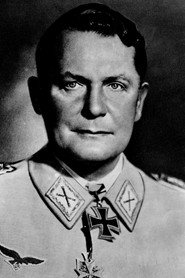 Hermann GöringSelf
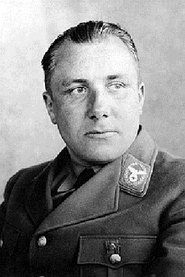 Martin BormannSelf
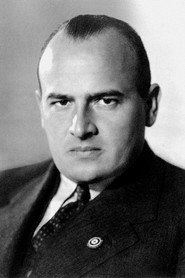 Hans FrankSelf
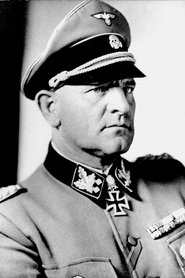 Sepp DietrichSelf
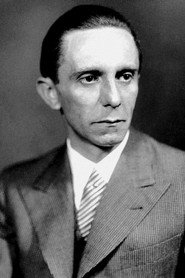 Joseph GoebbelsSelf
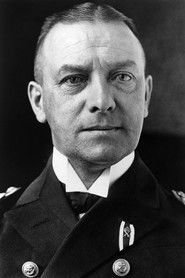 Erich RaederSelf
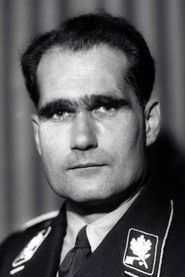 Rudolf HessSelf
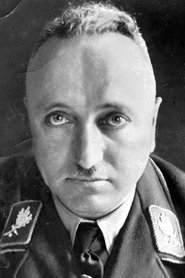 Robert LeySelf
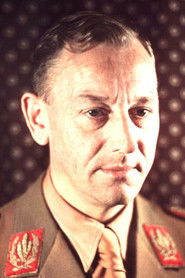 Viktor LutzeSelf
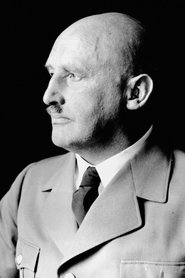 Julius StreicherSelf
Directing
- Leni RiefenstahlDirector
Writing
- Eberhard TaubertScreenplay
- Leni RiefenstahlScreenplay
- Walter RuttmannScreenplay
Production
- Leni RiefenstahlProducer
Recommended by
Downfall, The Great Dictator, October (Ten Days that Shook the World)