
Film
Shoah
Nine and a half hours of testimony and landscape, nothing else. No archival footage, no reconstructions — just survivors, bystanders and perpetrators talking, and Lanzmann's camera returning to the fields, forests and rail lines where it happened. It asks patience rather than emotion. Watch it when you can give it real, undivided time; it will not meet you halfway.
If you liked this
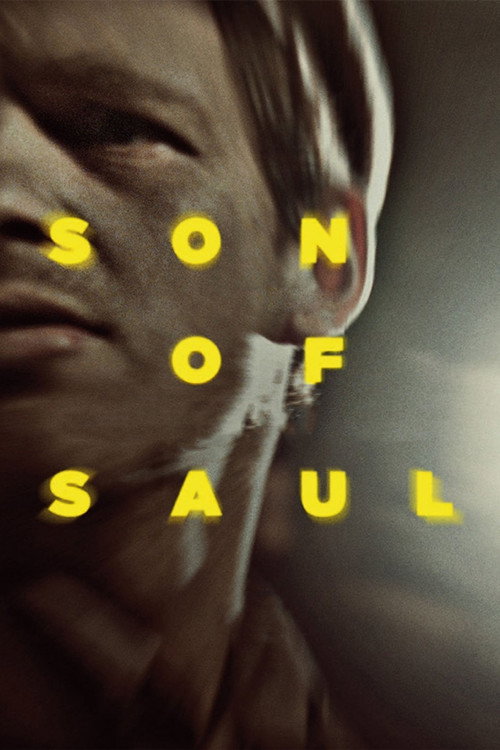
Son of Saul2015
A fiction film that tries to do, formally, something close to what Lanzmann does with testimony: refuses spectacle, keeps you locked to one man's face and hands inside Auschwitz's machinery of death.
But The camera stays so tight and so long that some viewers find it suffocating rather than illuminating.
Night and Fog1956
Alain Resnais's thirty-minute essay-film was one of the first to confront the camps on screen at all, mixing archival footage with then-present-day images of the empty sites.
But Its use of graphic archival imagery is exactly what Lanzmann later refused; the approaches are opposites, not companions.
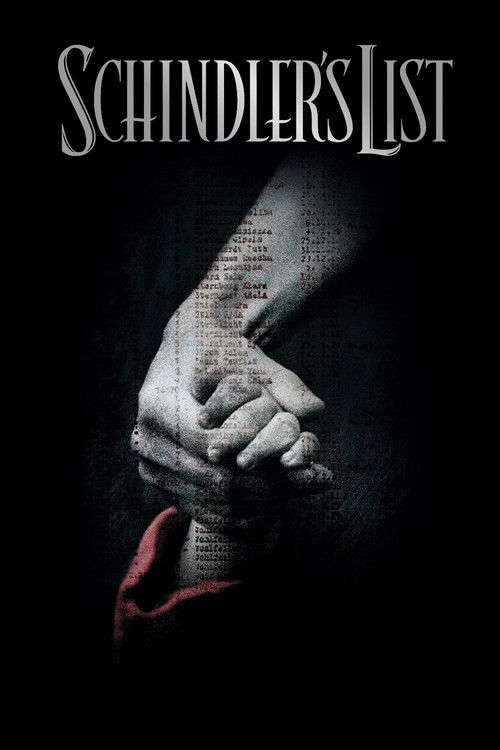
Schindler's List1993
The most widely seen Holocaust film ever made, and for good reason — Spielberg builds a three-hour epic that never loses sight of individual faces amid the scale of the horror.
But Its narrative shape, hope and rescue included, is precisely the kind of structure Shoah's method was built to resist.
The wildcard
Something you would not have found on your own.
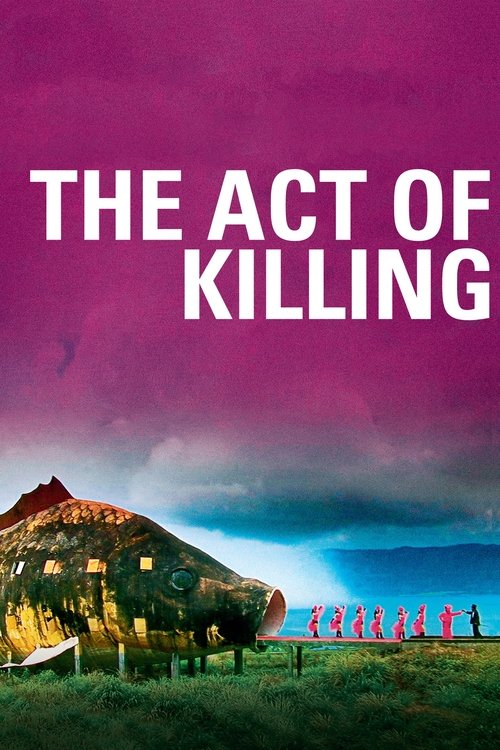
The Act of Killing2012
Lanzmann lets perpetrators speak plainly and damn themselves with their own words; Oppenheimer hands them a camera and lets them perform, pushing the same idea — unjudged testimony from the guilty — into theatre and spectacle.
Joshua Oppenheimer persuades unrepentant death-squad leaders from Indonesia's 1965 anti-communist purge to restage their killings as scenes in the film genres they love — gangster movies, musicals.
But It is theatrical, surreal and morally disorienting in ways Shoah's severity never risks; it can feel closer to horror cinema than history.
More like this (7)
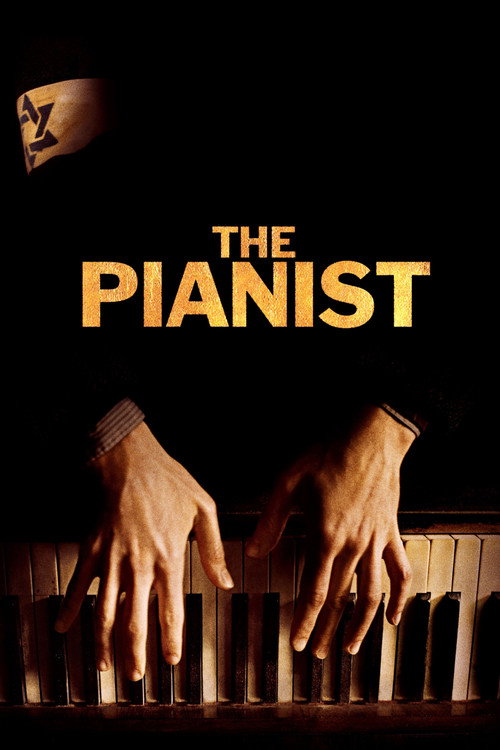
The Pianist2002
Polanski's own survival informs this account of one man's years hiding in the Warsaw Ghetto and beyond — visceral, specific, and rooted in lived experience rather than research.
But It's a conventional narrative film in ways Shoah deliberately isn't; some will want less craft, not more.
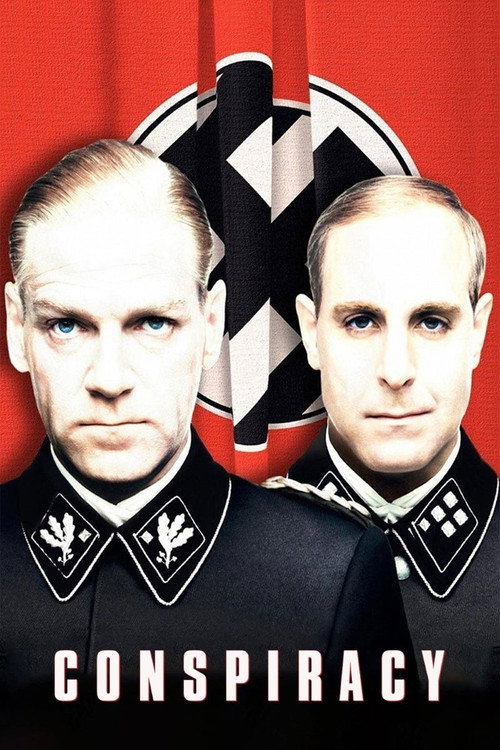
Conspiracy2001
A dramatisation of the Wannsee Conference, where the machinery of genocide was agreed over lunch in businesslike language — chilling precisely because it plays as an ordinary meeting.
But Its single-room, single-scene structure is a deliberate choice that will feel static if you want scope or landscape.
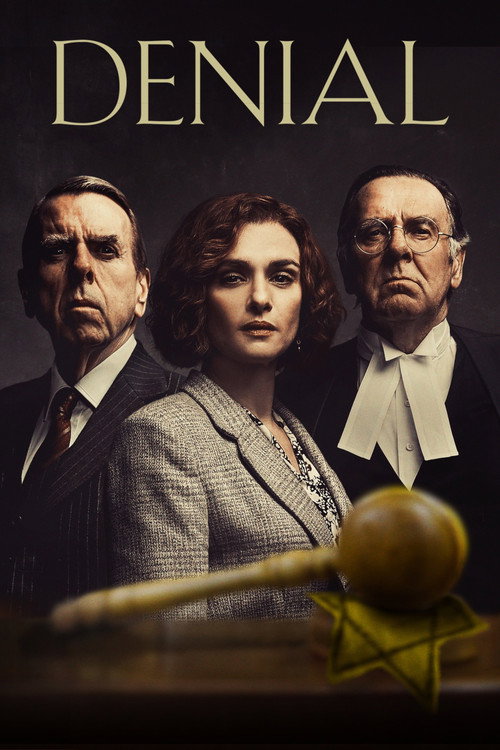
Denial2016
A courtroom drama about historian Deborah Lipstadt's libel trial against a Holocaust denier, asking what it takes to legally establish a truth witnesses have already told.
But It's a tidy legal thriller where Shoah refuses tidiness of any kind; the tones don't really match.
Hôtel Terminus: The Life and Times of Klaus Barbie1988no page yet
Marcel Ophüls tracks down the Gestapo chief of Lyon and everyone who knew him, in a sprawling, four-hour act of documentary detective work and moral reckoning.
But It's long, digressive and occasionally caustic in a way Lanzmann's austerity never allows itself to be.
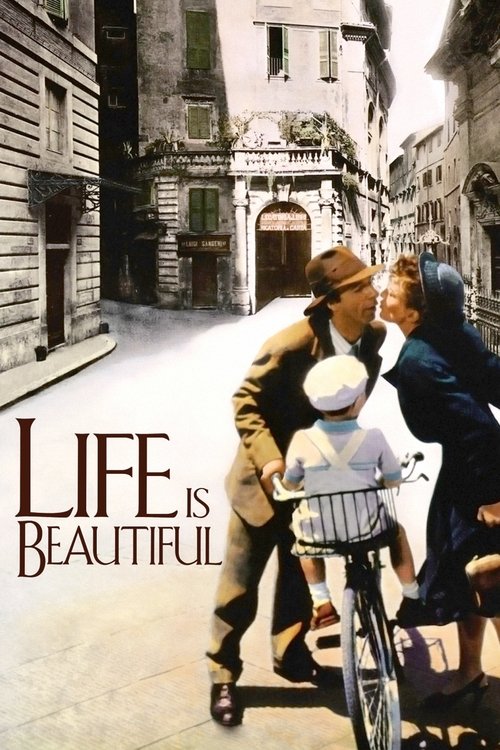
Life Is Beautiful1997
An unabashedly sentimental father-son fable set against deportation and the camps, included here as the opposite pole from Shoah — warmth and fable instead of testimony.
But Its tenderness toward the material is exactly what some viewers, especially after Shoah, will find they can't accept.
The Last Stage1948no page yet
Where Shoah gathers witness decades later through pure interview, this film is witness turned immediately into fiction, by someone who lived it, while the ash was still warm — the same urge to record, in the opposite medium.
Shot at Auschwitz only three years after liberation and directed by Wanda Jakubowska, herself a survivor of the camp, this dramatised feature is one of the very first attempts to put the Holocaust on screen at all.
But It's a scripted narrative with actors and a plot, made under Stalinist Poland's censorship — a very different kind of truth-telling than Lanzmann's testimony.
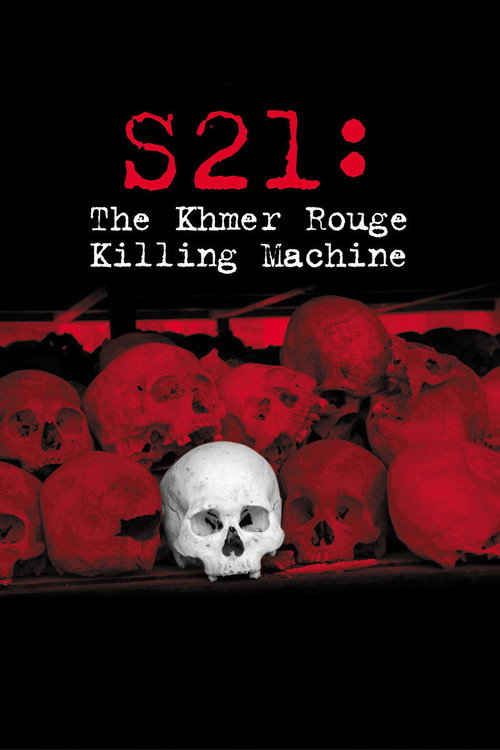
S21: The Khmer Rouge Killing Machine2003
Panh borrows Lanzmann's exact method — return to the site, confront the men who did it, let the physical space itself testify — and applies it, almost as tribute, to a different genocide a generation later.
Rithy Panh brings survivors of Cambodia's most notorious torture centre face to face with the former guards who ran it, having them walk through the physical motions of what they did.
But It's obscure, unrelentingly grim, and assumes no prior familiarity with Cambodian history, which can make the horror feel abstract at first.
People
Cast
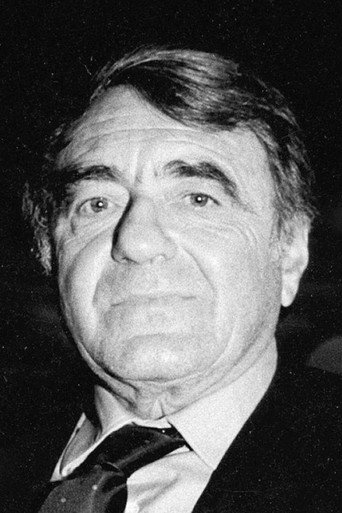 Claude LanzmannSelf - Interviewer
- Simon SrebnikSelf
- Motke ZaidlSelf
- Jan KarskiSelf
- Paula BirenSelf
- Abraham BombaSelf
- Inge DeutschkronSelf
- Ruth EliasSelf
- Richard GlazarSelf
- Filip MüllerSelf
- Rudolf VrbaSelf
Directing
- Claude LanzmannDirector
Recommended by
Schindler's List, The Pianist, The Act of Killing, Night and Fog, Hannah Arendt, The Missing Picture, The Look of Silence, The Devil Next Door, The Eichmann Show, Son of Saul, S21: The Khmer Rouge Killing Machine, The Human Condition I: No Greater Love, Triumph of the Will, Sophie's Choice, Flee, Rome, Open City, White Light/Black Rain: The Destruction of Hiroshima and Nagasaki, The World at War