
Film
Royal Family
- Slow-burning
A 1969 documentary giving unprecedented access to the royal household's private moments across palaces and estates. Shot over eighteen months, it presents the Queen, Prince Philip, and their children in unscripted domestic scenes—breakfast, paperwork, informal conversation. It's a remarkable historical artifact and an intimate portrait of duty, family tension, and the texture of privilege. Fascinating as document and performance.
Should you watch it?
Watch it if you're curious how a famous institution looks when the cameras linger on breakfast, letters and walks, and you enjoy a wry, measured voice-over from Michael Flanders.
Skip it if you want plot or a clear arc, since it's mostly observation with little drama and its unhurried routine scenes can feel thin across 110 minutes.
What it asks of you: Nearly two hours of patient, unhurried watching, with long stretches of ordinary routine and little pressure to follow a story.
Not sure? Find tonight's pick in a minute.
If you liked this
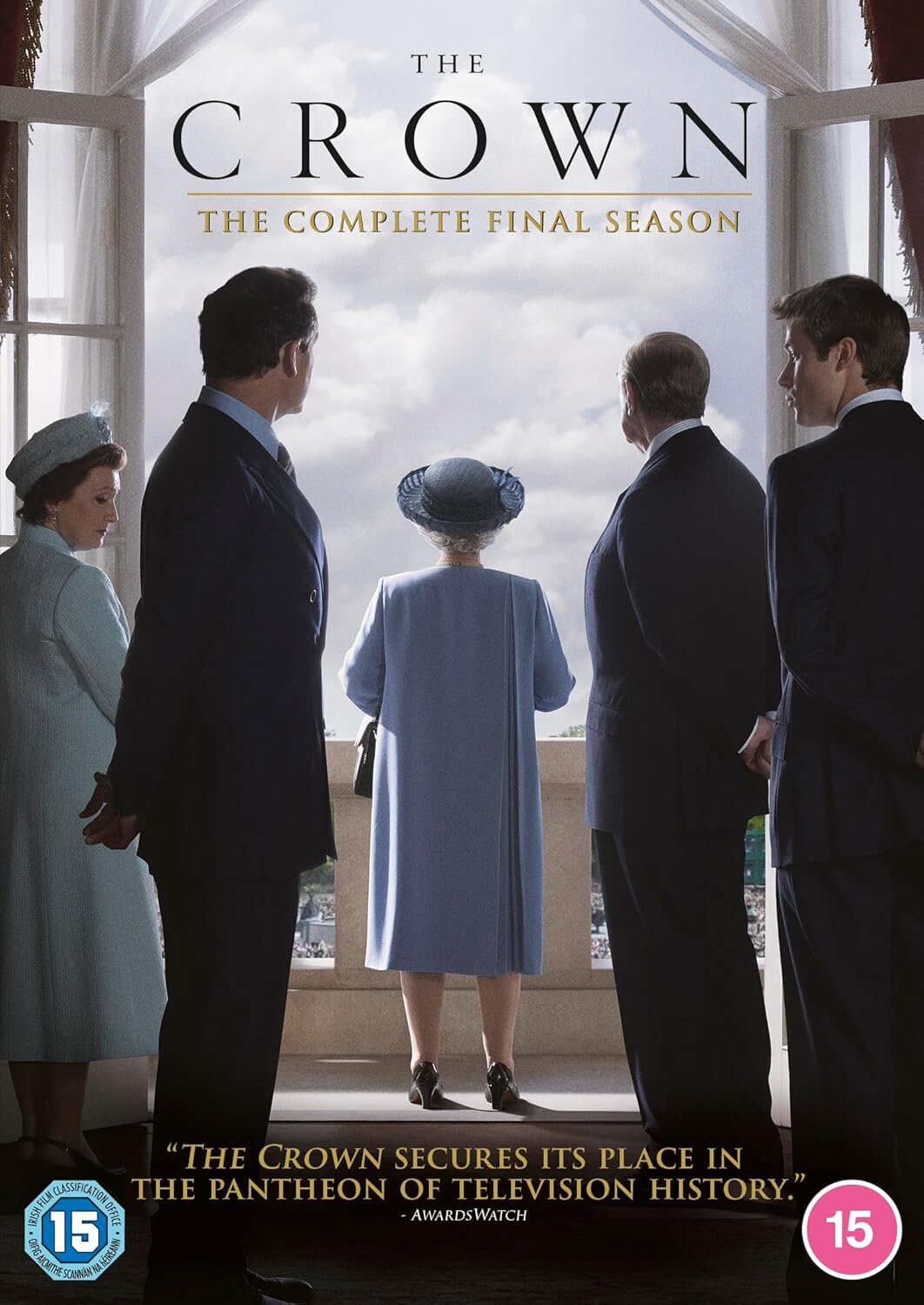
The Crown2016
Dramatizes the same era and tensions you see in Royal Family, offering psychology and narrative shape to documented fact. Charles, Anne, and Philip all appear here in different light.
But Invented scenes and dialogue blur documentary truth. It's a show that feels more real than reality, which can make you forget what actually happened.
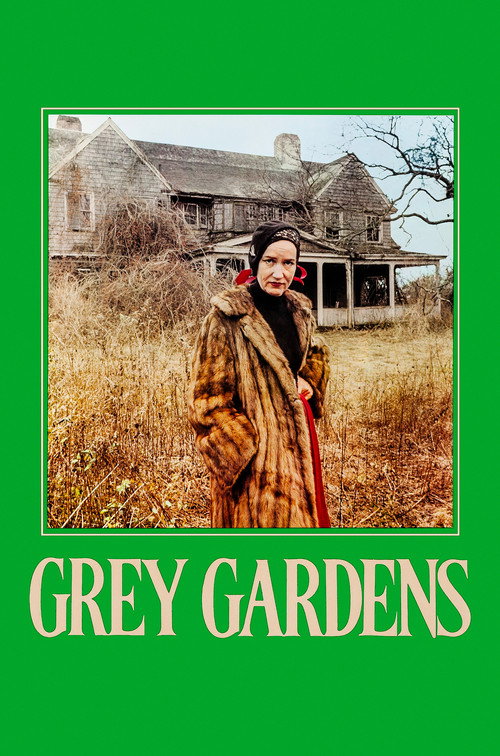
Grey Gardens1976
Another intimate documentary portrait of privilege and eccentricity, shot inside a decaying East Hampton mansion. Like Royal Family, it finds strangeness and humanity in confined spaces and old money.
But Considerably darker and more uncomfortable. This is about decline and desperation, not duty. The subjects are trapped in ways the royals are not.
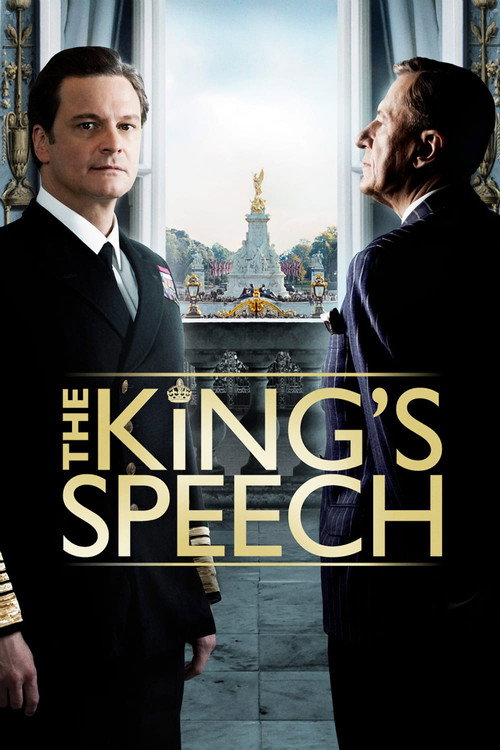
The King's Speech2010
Dramatizes George VI's struggle with stammering and duty, offering context for the pressures and expectation Royal Family captures. Colin Firth gives you the emotional interior the documentary can only hint at.
But Polished, theatrical, and deeply respectful. It smooths away the complicated edges in favour of an uplifting narrative about overcoming.
Not sure tonight? Get a pick in a minute, starting from Royal Family
The wildcard
Something you would not have found on your own.
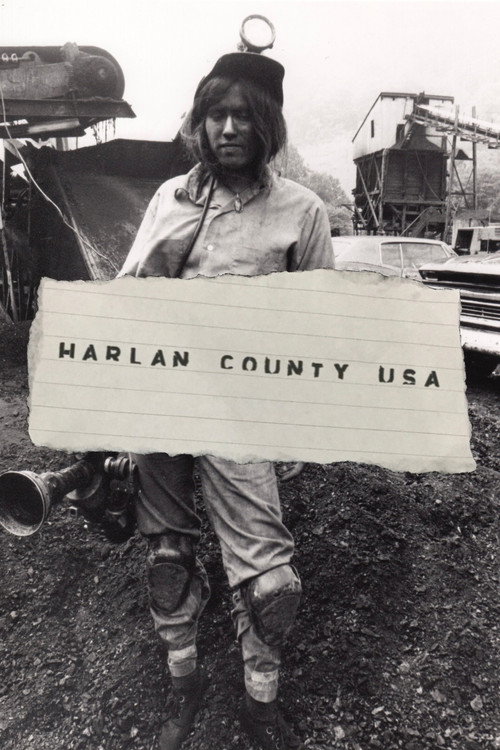
Harlan County U.S.A.1976
Both are masterpieces of observational documentary that let you see how power actually functions in a community. One shows it from inside the palace; the other from outside the gates.
A stunning documentary about coal miners' strike, made the same way Royal Family was—long immersion, intimate access, camera observing rather than explaining. But it documents struggle instead of privilege, chaos instead of order.
But Politically pointed in ways Royal Family avoids. Harder to watch. The stakes are survival, not comfort, and the anger is real and earned.
More like this (7)
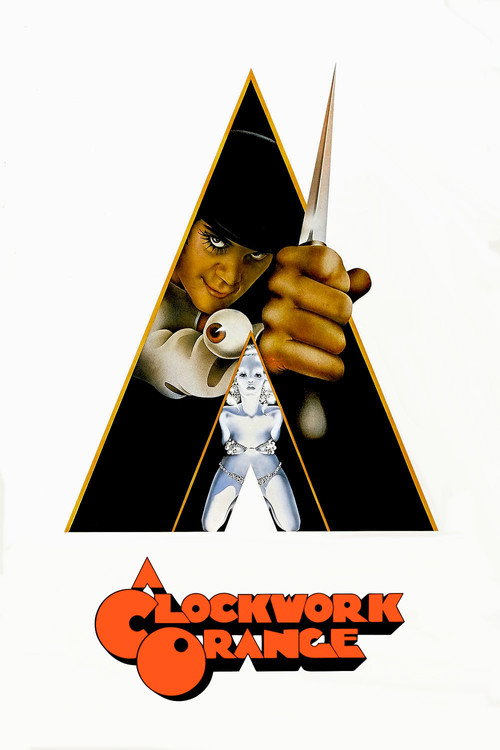
A Clockwork Orange1971
Another early-70s snapshot of British life and psychology, albeit from the opposite end of the social spectrum. Like Royal Family, it's a time capsule that tells you something true about that moment.
But Violently transgressive. If you found Royal Family too staid, you'll want this. If you found it perfect, this will seem designed purely to offend.
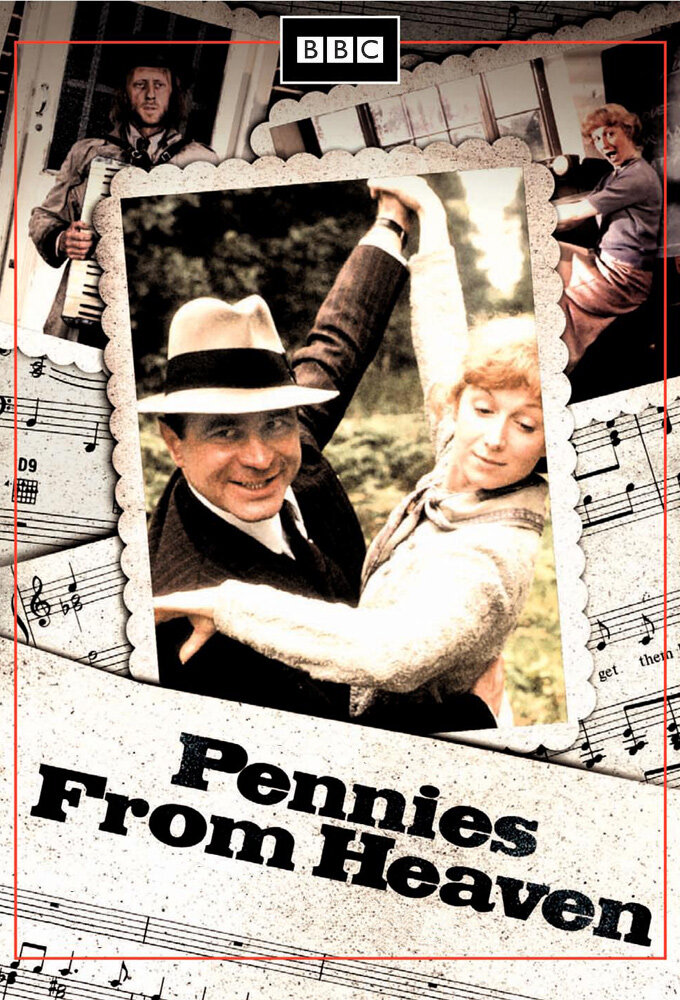
Pennies from Heaven1978
Masterpiece about repression, sexuality, and the gap between public duty and private desire in 1930s Britain. Explores the same psychological territory Royal Family hints at but never names.
But Bleak and sexually explicit in ways that will shock if you're used to restraint. Not a state-of-the-nation piece; a tragedy about individuals.
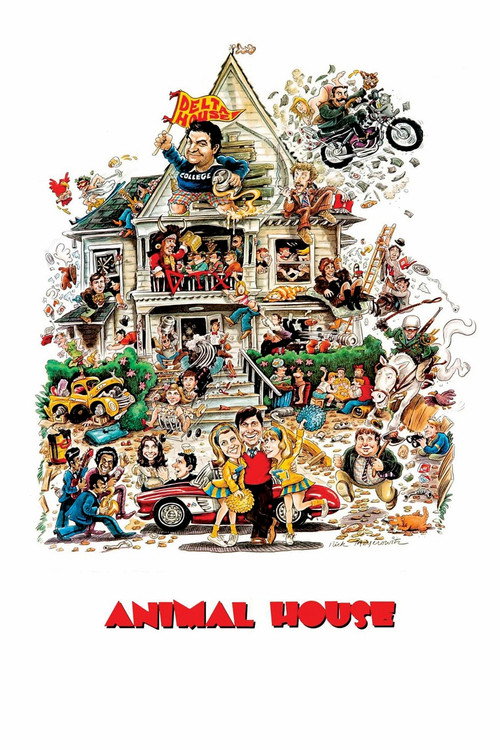
Animal House1978
Released nine years after Royal Family, it documents a completely different institution with the same documentary eye for ritual, hierarchy, and the chaos underneath. A mirror-world version of the same social machinery.
But A comedy, essentially. If what interests you is the authority and dignity being documented, this deconstructs it entirely for laughs.
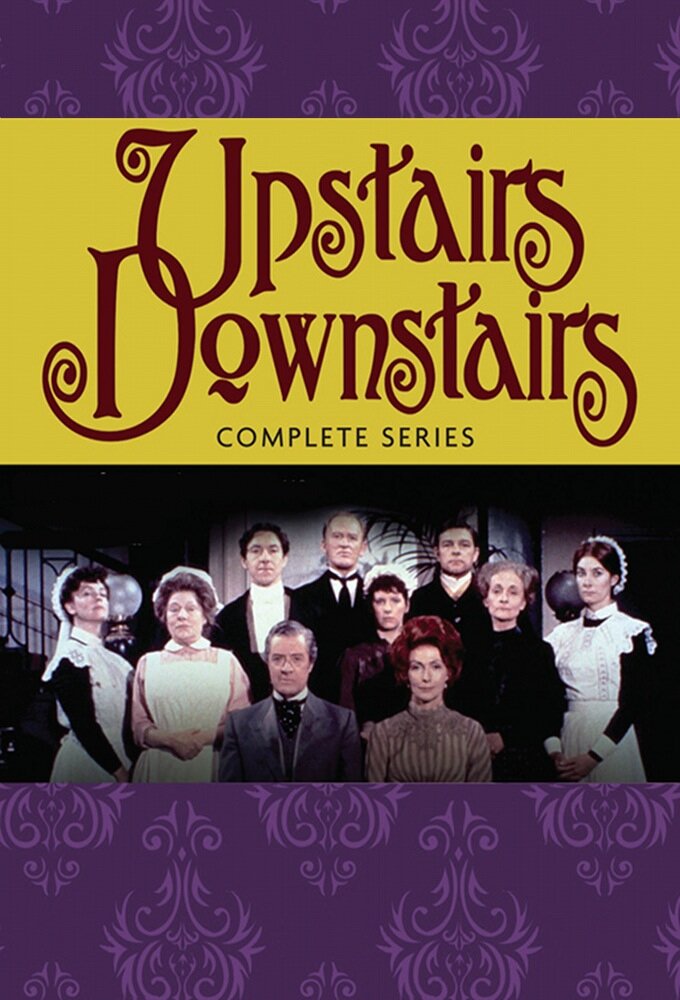
Upstairs, Downstairs1971
Drama set in a London townhouse that captures the same era and the invisible machinery of upper-class life. Shows you the servants' world that Royal Family never quite films.
But Longer commitment, and more soap opera than pure history. The dramatics can overwhelm the documentary impulse.
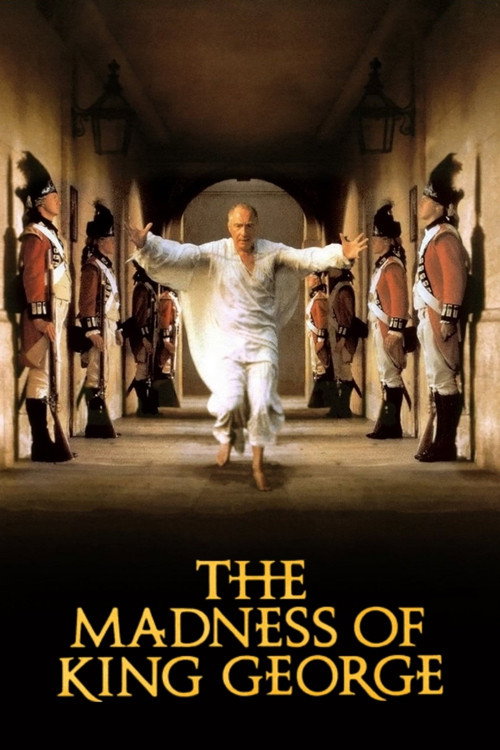
The Madness of King George1994
Explores power, sanity, and the performance of monarchy through an ancestor of Elizabeth II. Offers psychological depth on what duty costs, what Royal Family observes without interpreting.
But Period drama in the tradition of theatre. Feels staged and theatrical compared to the raw access Royal Family provides.
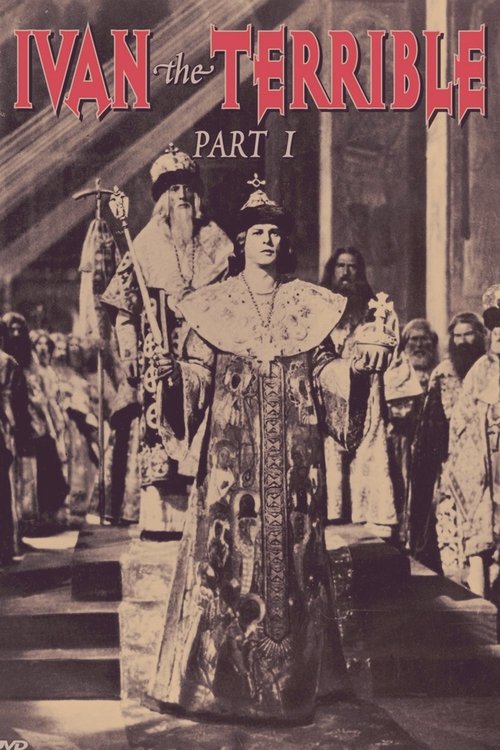
Ivan the Terrible, Part I1944
Both examine the interior life of absolute monarchy—what it costs to be the symbol, to never escape performance, to be trapped by duty. Ivan screams it theatrically; Elizabeth just lives it.
Eisenstein's operatic film poem about absolute monarchy and the loneliness of power. Shot in black and white, deeply stylized, it explores the psychological weight of the Crown that Royal Family captures in domestic breakfast scenes.
But Soviet propaganda film made as high art. Visually demanding and slow. Nothing like the documentary approach; pure cinema instead of observation.
Shoah1985
Both are landmark documentaries that understood that sustained observation—the camera staying still, letting people speak and exist—can reveal truth that faster cutting cannot. One is intimate portraiture; the other is testimony to atrocity. Both prove the same technique's power.
Nine-hour documentary by Claude Lanzmann that uses long, patient observation to examine history and human memory. Like Royal Family, it trusts the camera and time, but interrogates trauma instead of documenting routine.
But Brutally long and demands complete attention. About the Holocaust, so emotionally devastating. Not a palate-cleanser after Royal Family; a total reorientation.

People
Cast
 Michael FlandersSelf - Narrator (voice)
 Richard NixonSelf
 Robert GravesSelf
Directing
- Richard CawstonDirector
Writing
- Antony JayDialogue
Production
- Barbara SaxonProduction Assistant
- Roger CaryResearcher