
Film
The Madness of King George
Nigel Hawthorne is magnificent as George III, lurching between lucidity and breakdown while doctors prod and bleed him, and everyone around him schemes. It's darkly funny and genuinely moving—a portrait of mind and power collapsing in real time. For anyone who loves smart period drama with teeth, or just wants to watch a towering performance.
Should you watch it?
Watch it if you enjoy sharp, verbal period comedy where the wit comes from people talking past each other at court, and a serious subject treated with humour and warmth.
Skip it if you want royal pageantry and swordplay; this is mostly bedchambers, doctors and talk, and its comedy can feel uneasy given how cruelly the king is handled.
What it asks of you: Just under two hours of close, talky rooms with little action and a shape that tightens as the court's scheming gathers, so it rewards patience and close listening.
Not sure? Find tonight's pick in a minute.
If you liked this
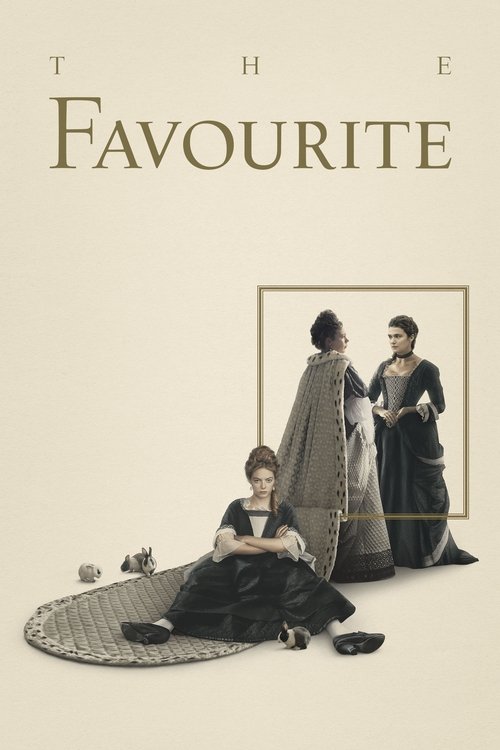
The Favourite2018
Yorgos Lanthimos finds the same cruel comedy in palace intrigue, with Emma Stone and Olivia Colman locked in a power struggle amid elaborate wigs and psychological warfare. Scandalous, funny, and visually wild.
But It's aggressively stylized and morally messy in ways that can feel exhausting. Some will find it tries too hard to provoke.
Succession2018
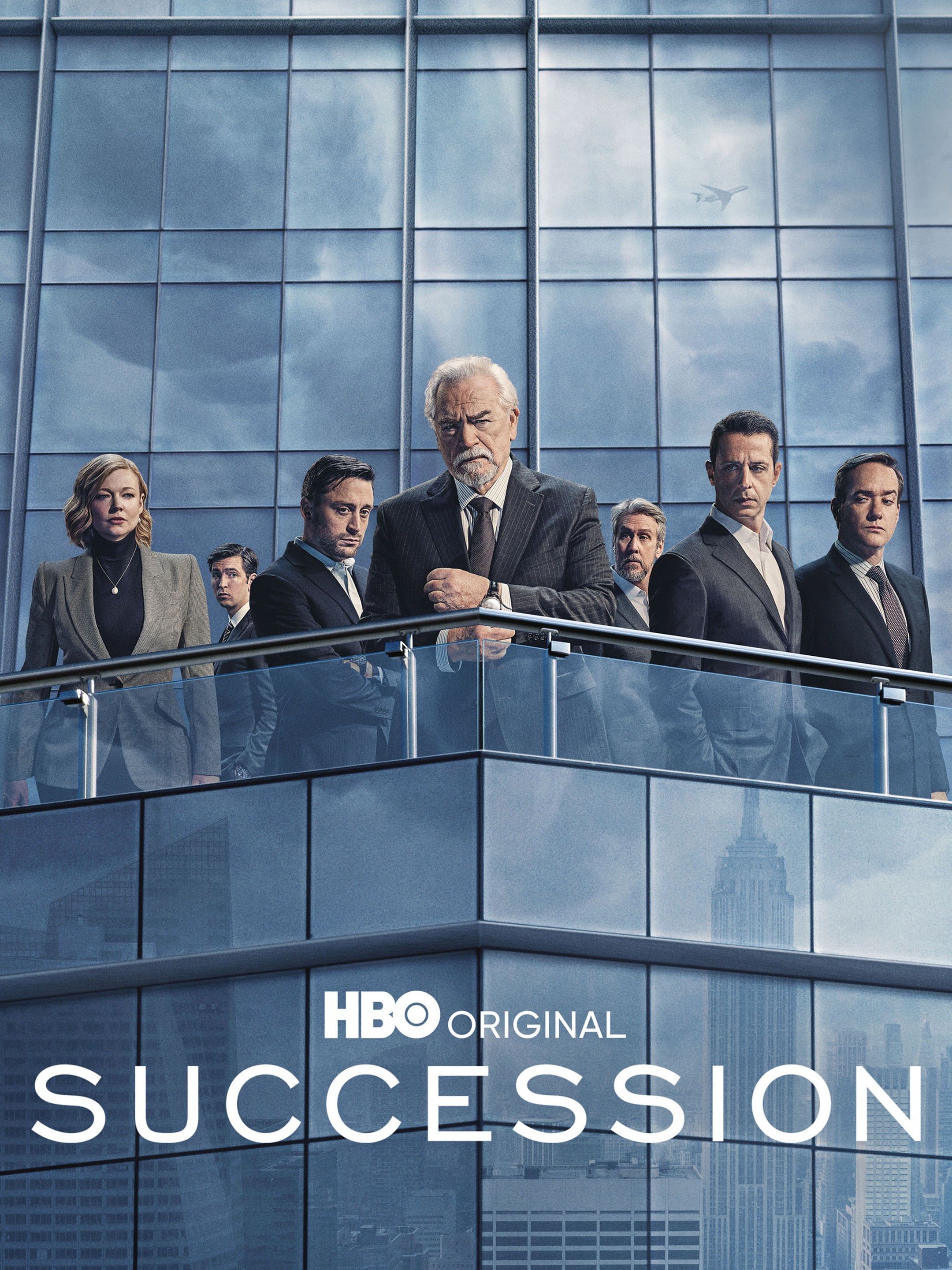
Four seasons of a family empire tearing itself apart, with the same mixture of black comedy and genuine tragedy. The writing is surgical about power, ambition, and the ways institutions destroy people from within.
But It's bleak and very long. The Roys are almost uniformly awful, and if you need likeable characters, this isn't your show.
A Man for All Seasons1966
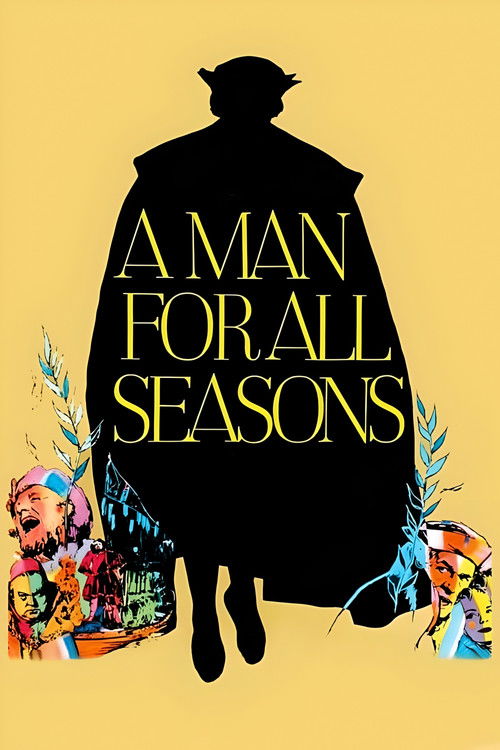
Paul Scofield as Thomas More facing down Henry VIII—a superb political drama about conscience versus power. Beautifully composed, with that same respect for language and moral stakes.
But It's slower and more ceremonial than modern drama. The staginess can feel distancing if you're not in the mood for it.
Not sure tonight? Get a pick in a minute, starting from The Madness of King George
The wildcard
Something you would not have found on your own.
The Caretaker1964
Both are studies of a mind fragmenting in real time, using language and repetition to show you the breakdown from the inside. Both have moments of terrible clarity followed by fog. Both make you feel the disorientation.
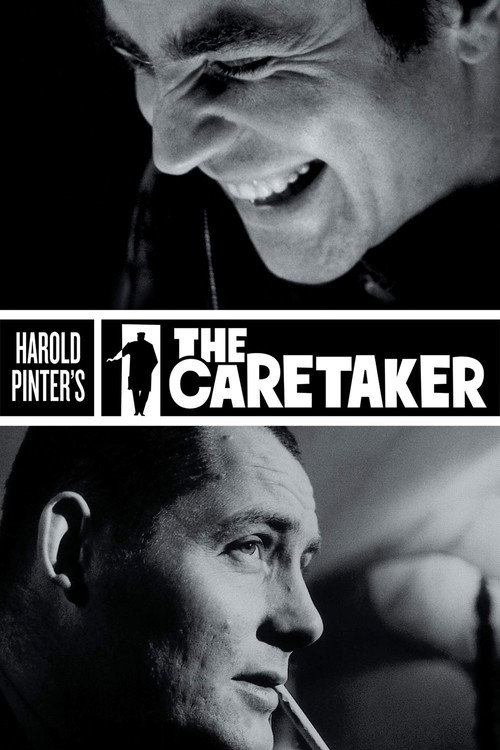
A Harold Pinter play about an old tramp and two brothers in a cluttered room. On the surface it's mundane; underneath it's a masterclass in power, language, and the fragility of the mind. Startlingly modern in how it builds dread from nothing.
But Pinter's dialogue is elliptical and repetitive—people talk around things instead of saying them. It can feel static and impenetrable on first watch. Also shot in unvarnished black and white in a single location.
More like this (6)
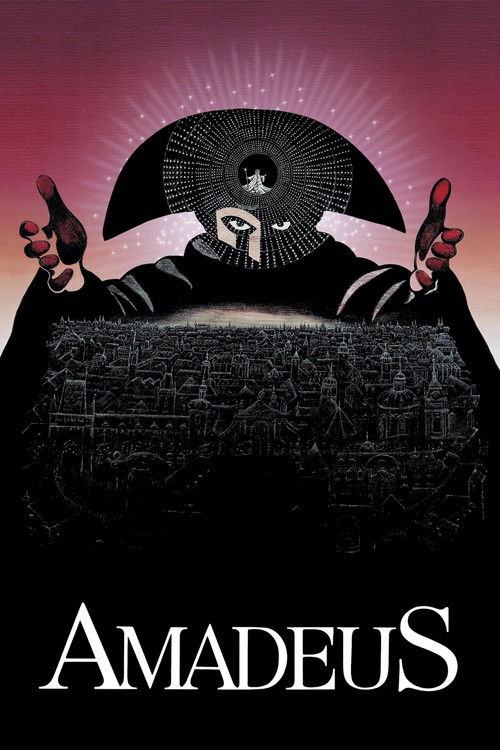
Amadeus1984
F. Murray Abraham and Tom Hulce in a portrait of genius, envy, and institutional power. Like George, it's about a mind under pressure and the people circling it—except here the subject is a composer, not a king.
But It's three hours and operatic in tone. If you find Milos Forman's style too much, the grandeur might feel overwrought.
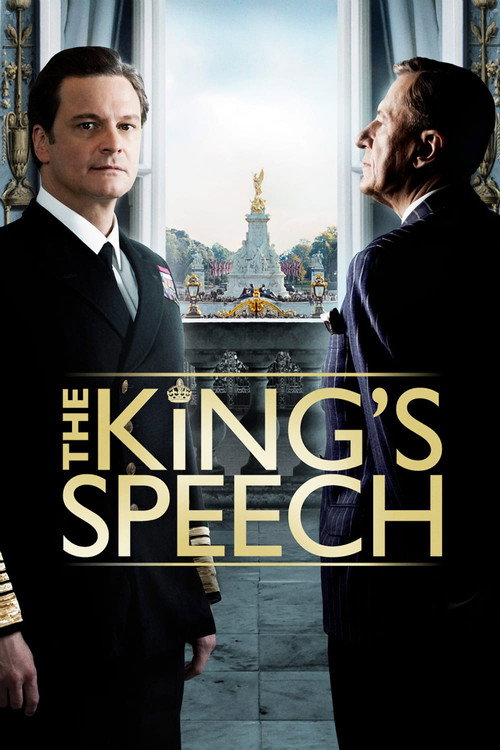
The King's Speech2010
Colin Firth as George VI working with a speech therapist to overcome a stammer. Gentler than Madness of King George but with similar emotional heft about monarchy as burden and personal struggle.
But It's more sentimental and less sharp. If you want sophisticated court intrigue, this leans harder into uplift.
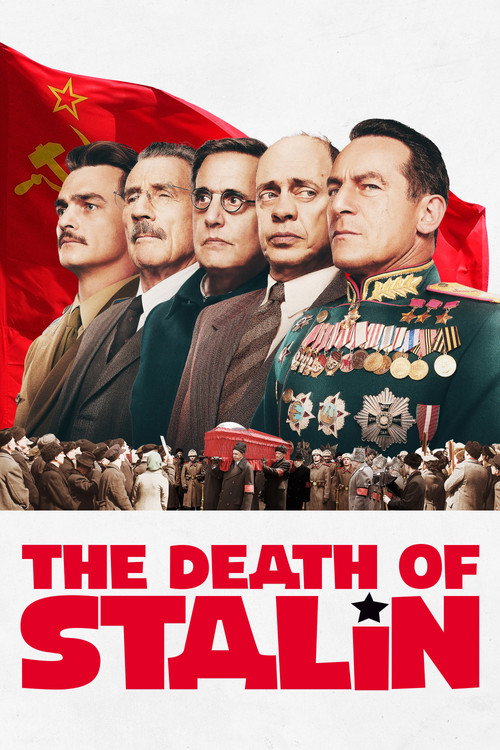
The Death of Stalin2017
Armando Iannucci's film about power vacuum and institutional chaos in Soviet leadership. Sharp, funny, tragic—it captures that same sense of incompetent men making catastrophic decisions while pretending to competence.
But It's in black and white and shot in a deliberately anti-naturalistic style. The political satire assumes some familiarity with Cold War history.
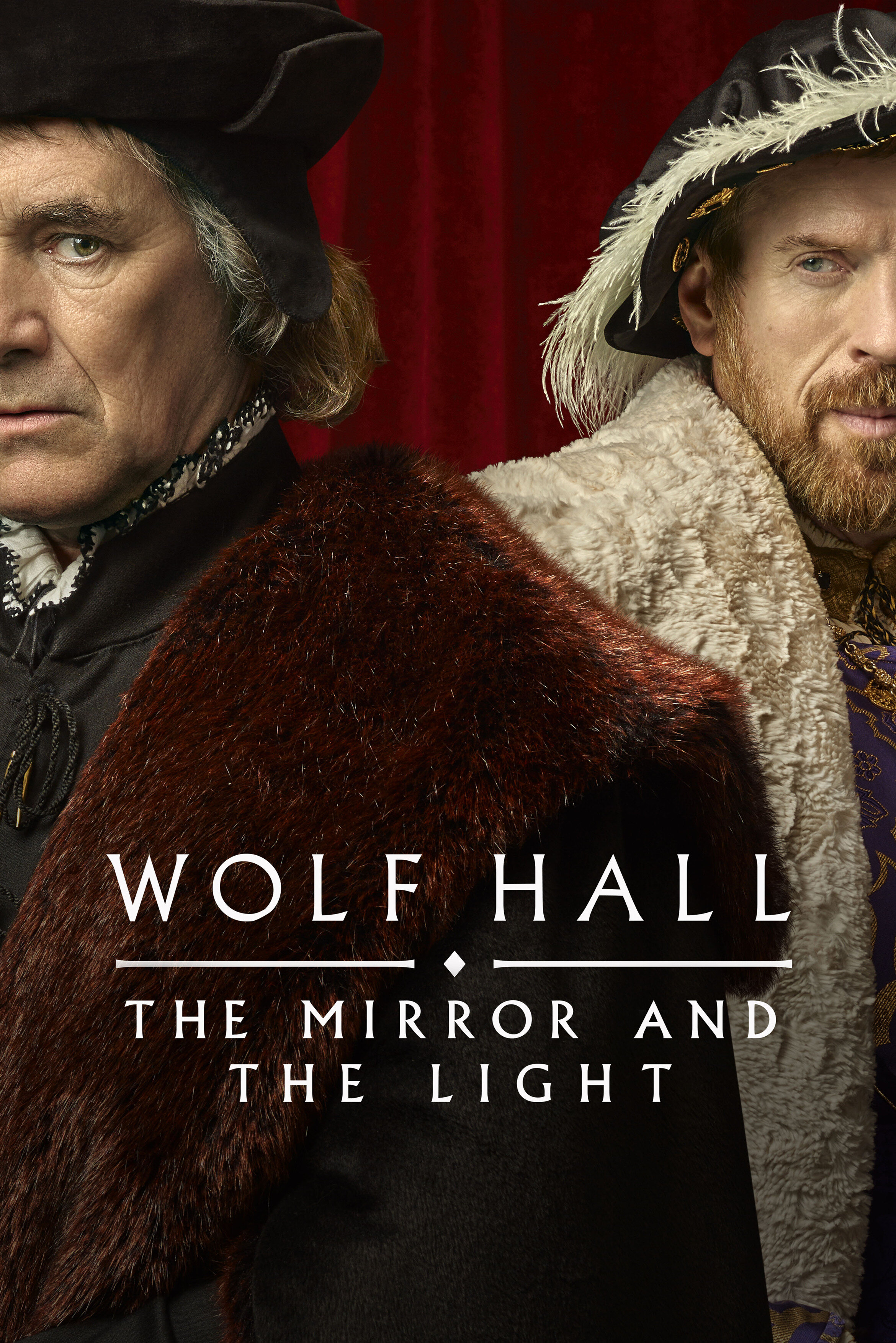
Wolf Hall2015
Mark Rylance as Thomas Cromwell navigating Henry VIII's court—six episodes of costume drama as psychological thriller. It's about proximity to power and the danger of indispensability.
But It's deliberately murky and slow, with lots of political detail to track. If you need plot momentum and clear heroes, it can feel like wading through mud.
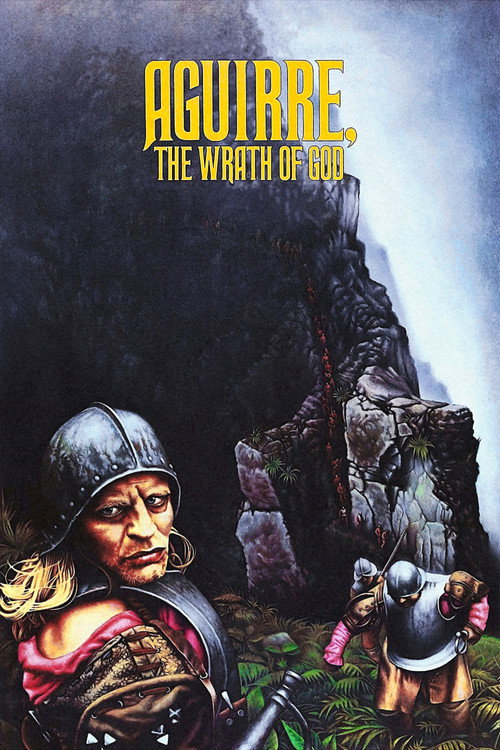
Aguirre, the Wrath of God1972
Both films are interested in powerful men whose minds betray them, and in the way people around them enable the delusion rather than resist it. Both find something almost mythic in the breakdown—they're not clinical, they're hallucinatory.
Werner Herzog's fever dream about a Spanish conquistador leading men into the Amazon, gripped by madness and delusion. Klaus Kinski is hypnotic—a portrait of obsession and power that collapses into myth and horror.
But It's surreal and dreamlike, with long stretches of silence and strangeness. There's no comfort in the narrative, and the pacing is deliberately disorienting. Subtitled, made in 1972, visually punishing.
Stalker1979
Like George III, it's fundamentally about the madness of wanting absolute power and what that desire does to the person who harbours it. Both films suggest that the pursuit of ultimate control is its own kind of mental illness. Both are contemplative rather than explicatory about this.
Andrei Tarkovsky's slow, hypnotic science-fiction film about a guide leading two men through a mysterious zone toward a room that grants wishes. It's about desire, power, the corruption of authority, and what we actually want when we think we want power.
But It's 162 minutes and almost nothing happens. There are long takes of empty rooms and people walking. Tarkovsky requires patience and surrendering to his rhythm. It's philosophical to the point of being opaque.

People
Cast
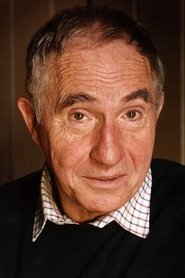 Nigel HawthorneGeorge III
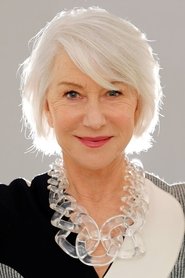 Helen MirrenQueen Charlotte
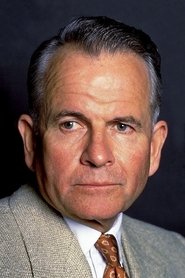 Ian HolmWillis
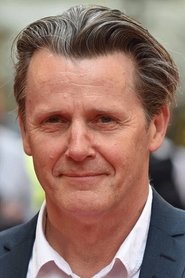 Anthony CalfFitzroy
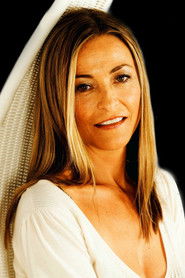 Amanda DonohoeLady Pembroke
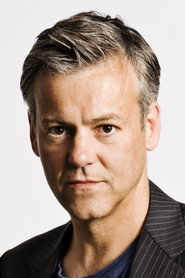 Rupert GravesGreville
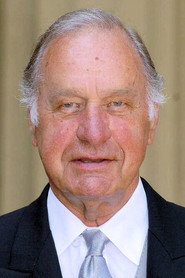 Geoffrey PalmerWarren
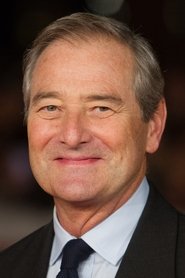 Julian WadhamPitt
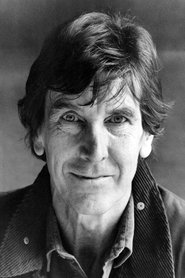 John WoodThurlow
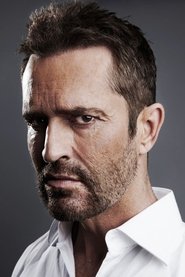 Rupert EverettPrince of Wales
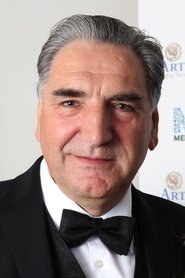 Jim CarterFox
 Roger HammondBaker
Directing
- Nicholas HytnerDirector
- Mary SoanFirst Assistant Director
- Jean BourneScript Supervisor
- Finn McGrathSecond Assistant Director
- Stuart RenfrewThird Assistant Director
Writing
- Alan BennettScreenplay
- Alan BennettTheatre Play
Production
- Celestia FoxCasting
- Liz BarronController
- Mark CooperLine Producer
- Rachel NealeLocation Manager
- David ParfittProducer
- Stephen EvansProducer
- Vivien JordanProduction Coordinator
- Miles BartonResearcher
Recommended by
Silverlake Life: The View from Here, The Importance of Being Earnest, The Wicked Lady, Cromwell, The Prime of Miss Jean Brodie, Mrs Brown, Royal Family, Victoria the Great, Restoration, The Browning Version, Jefferson in Paris, The Invisible Woman, Sixty Glorious Years, The Doctor's Dilemma, The Iron Duke, The Phantom of the Opera, The Rise of Catherine the Great, Mayerling, The Young Mr. Pitt, A Royal Scandal, Disraeli, Joseph Andrews