
Film
Silverlake Life: The View from Here
- Drama
- Slow-burning
A video diary of two men—Tom and Mark—living with AIDS in early-90s Los Angeles, made by Joslin himself as his illness progressed. It's unflinching about medical reality and grief, but animated throughout by love, dark humour, and the stubborn insistence on ordinary life. Essential testimony and intimate portrait.
Should you watch it?
Watch it if you want an intimate, unpolished record of two men's daily life, where the camera is a confidant rather than a commentator, and you're happy to sit with ordinary domestic detail under a hard diagnosis.
Skip it if you need a tightly plotted story or a documentary with an outside argument; this is almost entirely one home and two voices, and its handheld rawness can feel repetitive.
What it asks of you: At about 99 minutes, it moves at the pace of ordinary days, asking patience through long stretches of small routine and quiet talk before its weight lands.
Not sure? Find tonight's pick in a minute.
If you liked this
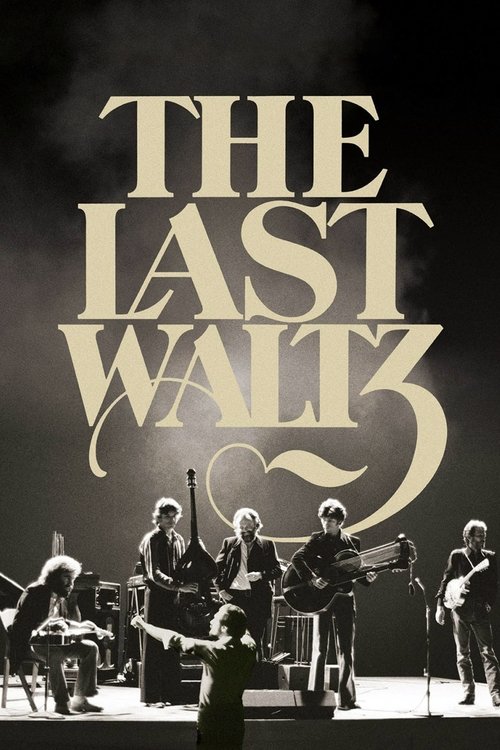
The Last Waltz1978
Scorsese's documentary of The Band's farewell concert captures artists at a crossroads, reflecting on legacy and mortality. Like Silverlake Life, it's about looking back while time runs out, rendered with formal elegance and deep affection.
But It's primarily a concert film; if you want narrative momentum or dramatic structure, the episodic performance format may feel static.
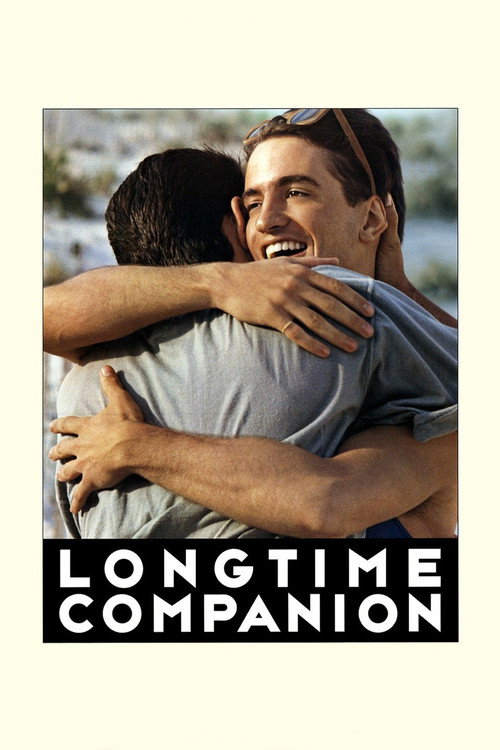
Longtime Companion1989
This narrative film about a circle of gay friends navigating AIDS runs parallel to Silverlake Life's documentary truth. It captures the same era, the same losses, the same stubborn love—but with actors and a screenplay's shape.
But It came out just before the documentary and some find it more didactic than raw. The ensemble focus dilutes individual grief.
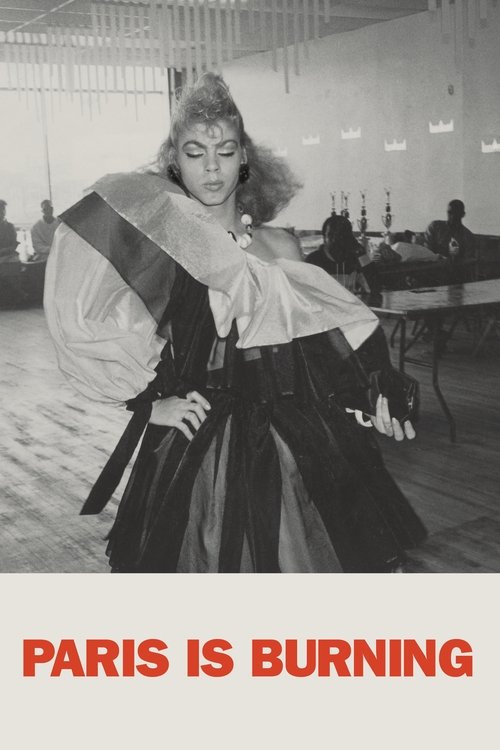
Paris Is Burning1991
Livingston's documentary of Black and Latino ballroom culture in 1980s Harlem is shot with similar intimacy and eye for dignity within marginalized community. Both films love their subjects fiercely and let them speak.
But The focus is on fashion, dance, and social hierarchy rather than medical crisis—a very different register, which some may find jarring.
Not sure tonight? Get a pick in a minute, starting from Silverlake Life: The View from Here
The wildcard
Something you would not have found on your own.
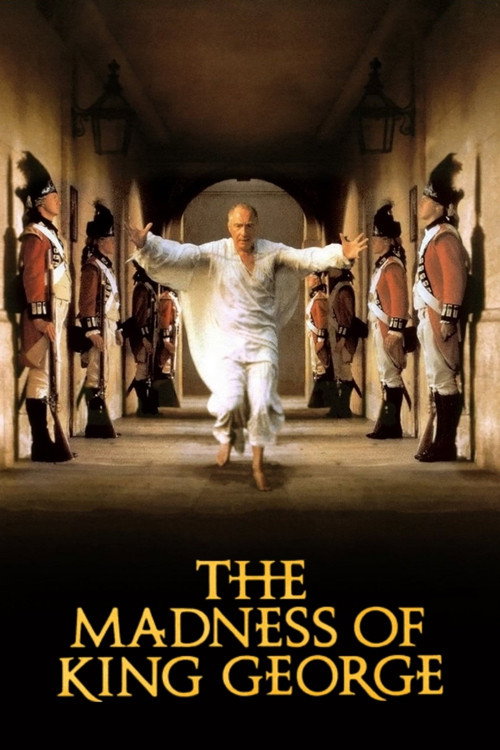
The Madness of King George1994
Both are about the indignity and persistence of the body; both find unexpected comedy in caregiving and the refusal to disappear quietly; both centre love that must survive the slow erosion of the self.
Bennett's play-turned-film is formally theatrical, even mannered—but beneath the Regency protocol sits a story about a man losing physical autonomy and cognitive grip while those around him manage, suffer, and keep going. The film finds unexpected tenderness in the gaps between duty and love.
But It's a very English, very costume-drama affair. The register is almost comic in places, which some find trivialising of mental and physical dissolution.
More like this (8)
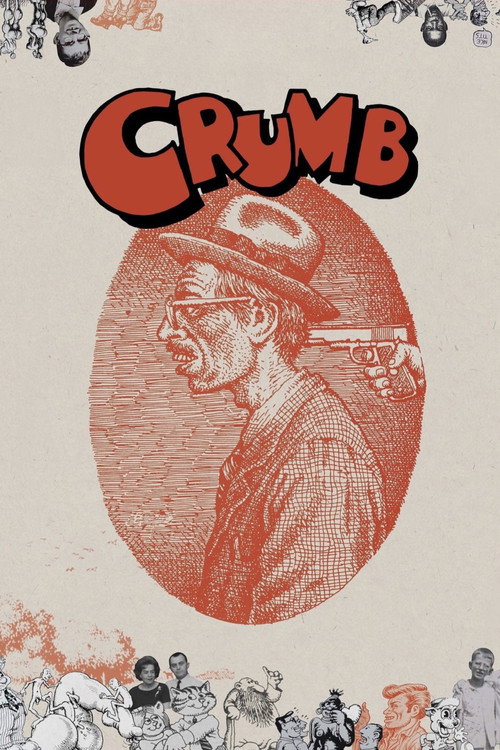
Crumb1995
Terry Zwigoff's portrait of cartoonist Robert Crumb and his family is also a video-diary-adjacent documentary that finds dark humour and strange tenderness within dysfunction and artistic obsession.
But It's psychologically difficult in different ways—the family pathology is intense and unresolved, which some viewers find exhausting.
The Act of Killing2012
Oppenheimer's documentary also uses video to excavate memory and mortality, centering the testimony of men grappling with legacy. It's formally experimental and ethically complex in ways that echo Silverlake Life's boldness.
But The subject matter—1960s Indonesian mass murder—is brutally different. The emotional register is darker and more abstract than intimate.

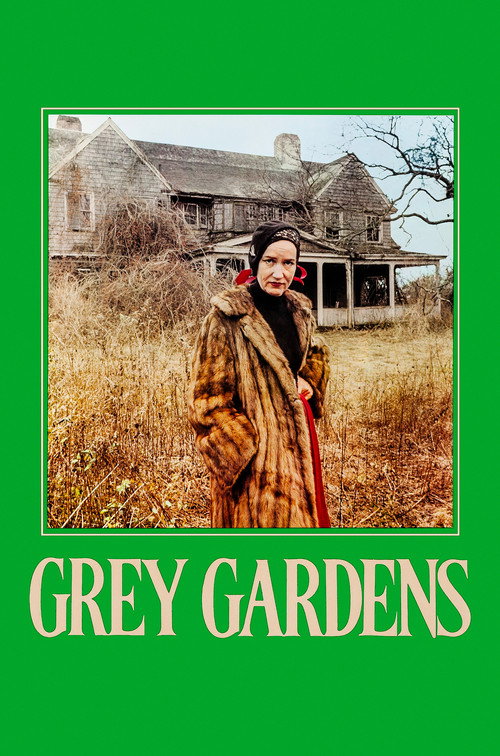
Grey Gardens1976
The Maysles' portrait of two isolated, aging women in a decaying mansion shares Silverlake Life's refusal to sentimentalise or look away. Both are about observation, eccentricity, and the texture of daily survival.
But It's slow, claustrophobic, and offers no redemptive arc. The subjects' behaviour can feel uncomfortable to witness.
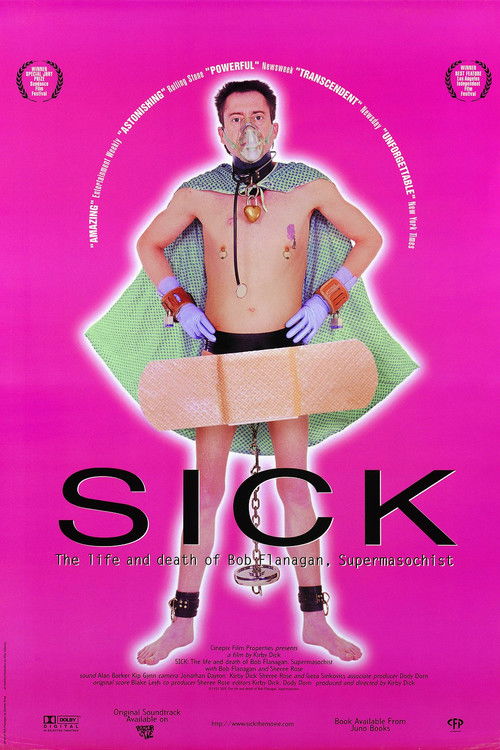
Sick: The Life and Death of Bob Flanagan, Supermasochist1997
Kirby Dick's documentary of a performance artist with cystic fibrosis is unflinching about bodies, illness, and the will to create and perform despite suffering. It has Silverlake Life's refusal of pity.
But It's sexually graphic and formally confrontational. The shock value is intentional, which puts many viewers off before they can connect.
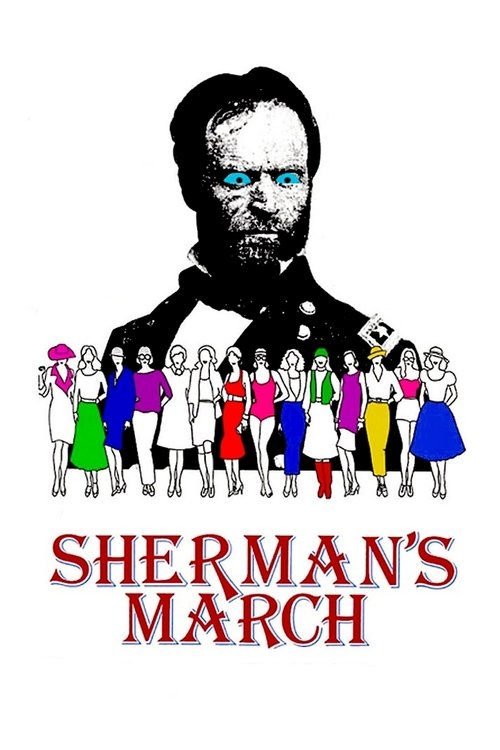
Sherman's March1986
Ross McElwee's essay film is also a first-person documentary diary, though comedic rather than tragic. It shares the form and the camera-as-companion intimacy, and the same sense of life continuing despite intention.
But It's 155 minutes, digressive, and the humour may read as self-indulgent to viewers wanting clear narrative or urgent subject matter.
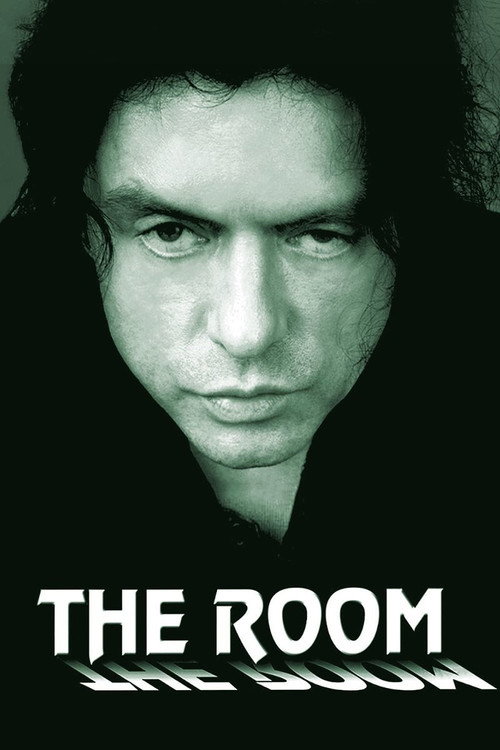
The Room2003
Linklater's experimental documentary uses a single room across 12 years to explore time, change, and the camera as witness. It shares Silverlake Life's formal daring and meditation on time running out, but in a very different key.
But It's glacially slow and abstract. If you want documentary to *tell* you something, this will frustrate you.
Sans Soleil1983
Both are first-person video documents about bearing witness to time and loss; both use the form (video, essay) as philosophy rather than merely as delivery; both insist that the personal and political are inseparable.
Marker's essay film is a meditation on memory, travel, mortality, and political anguish, structured as a series of letters read aloud over image. It's formally radical—essayistic, digressive, haunted—and it moves between registers (from playful to devastating) with absolute control.
But There's no narrative, no characters, no conventional emotional arc. If you need a story or clear argument, you will be lost.

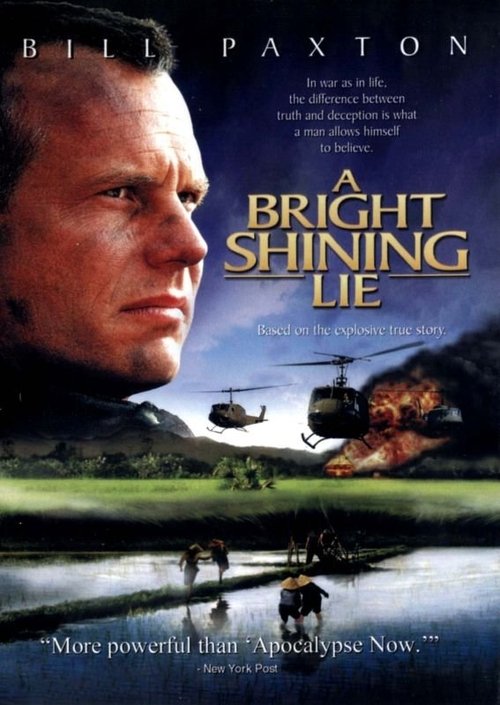
A Bright Shining Lie1998
Both are videos of testimony against official erasure; both argue that looking unflinchingly at what happened—to individuals, to nations—is a moral duty; both were made in the 1990s by filmmakers convinced that video could serve truth.
Burns' HBO miniseries about American deception in Vietnam is a very different kind of testimony—journalistic, systemic, about institutional failure rather than personal mortality. But it shares Silverlake Life's refusal to look away from complicity, waste, and the human cost of lies.
But It's a military and political history, not a personal document. If you watch Silverlake Life for intimacy, this will feel cold and distant by design.
People
Cast
Directing
- Peter FriedmanDirector
- Tom JoslinDirector
Production
- Doug BlockProducer
- Jane WeinerProducer
- Matthew FassbergProducer
Recommended by
Longtime Companion, We Were Here, Lance Loud!: A Death in An American Family, Small Town Gay Bar, Stonewall Uprising, After Stonewall, Vito