
Film
The Act of Killing
A documentary that hands the camera to Indonesian death-squad leaders and lets them direct their own crimes as movies — musicals, gangster flicks, westerns. What unfolds is grotesque, surreal, and unbearably intimate: men laughing through massacre reenactments until, occasionally, something cracks. It isn't built to explain history so much as to sit inside the psychology of impunity. For those who want moral vertigo, not closure.
If you liked this
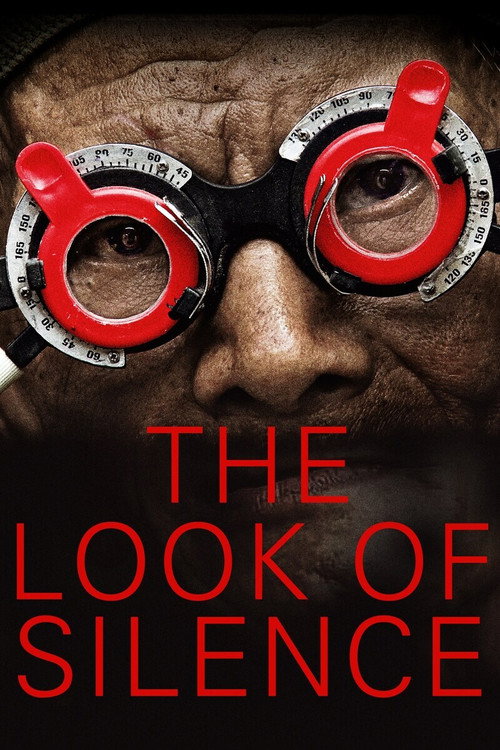
The Look of Silence2014
Joshua Oppenheimer's own follow-up, made with the same perpetrators but seen through an optometrist whose brother they murdered — quieter, and somehow even braver in its confrontations.
But Just as harrowing, offers even less relief, and works best once you've already sat through its predecessor.
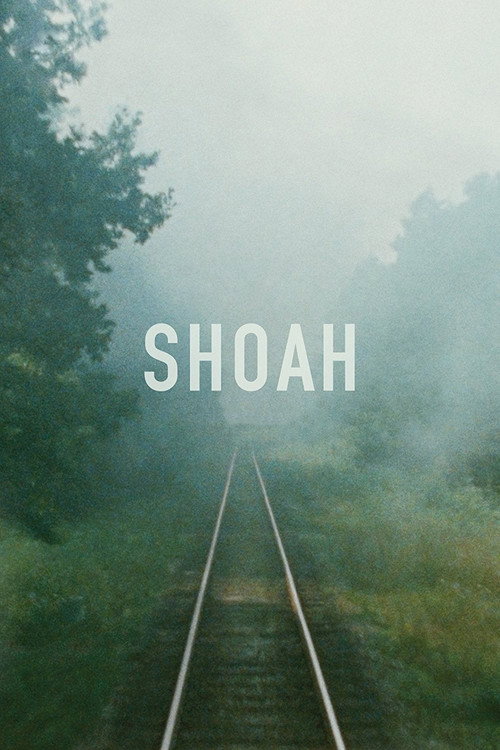
Shoah1985
Claude Lanzmann's nine-hour epic gets testimony from Holocaust perpetrators, bystanders, and survivors using no archival footage at all — pure interview, pure dread, endlessly imitated since.
But Nine hours of static talking heads with no music or narration ask enormous patience for enormous reward.
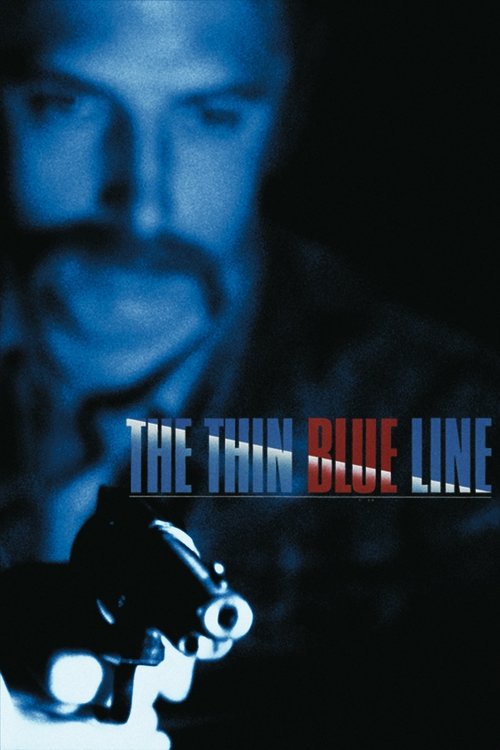
The Thin Blue Line1988
Errol Morris's reenactment-heavy true-crime doc invented the stylised restaging as investigative tool — it literally overturned a wrongful conviction and rewired what documentary could do.
But It's a courtroom mystery, not an atrocity study, so the moral weight sits much lighter than what you've just watched.
The wildcard
Something you would not have found on your own.
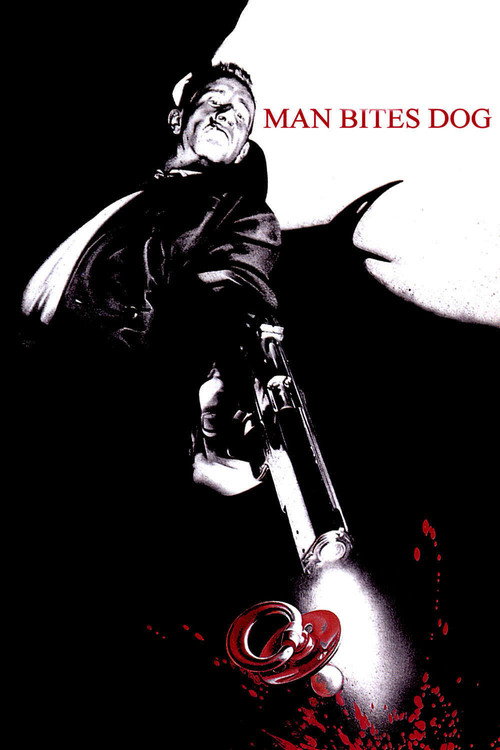
Man Bites Dog1992
Same rotten core: subjects who love being filmed committing violence, and a crew whose presence stops being neutral. One of these is real, which somehow makes the other feel worse.
A Belgian mockumentary about a film crew following a charming serial killer who performs his murders for their camera — pitch-black comedy that curdles as the crew stops filming and starts joining in.
But It's fiction, deliberately tasteless, and played for satire rather than history — cruder, nastier, a different flavour of sick.
More like this (6)
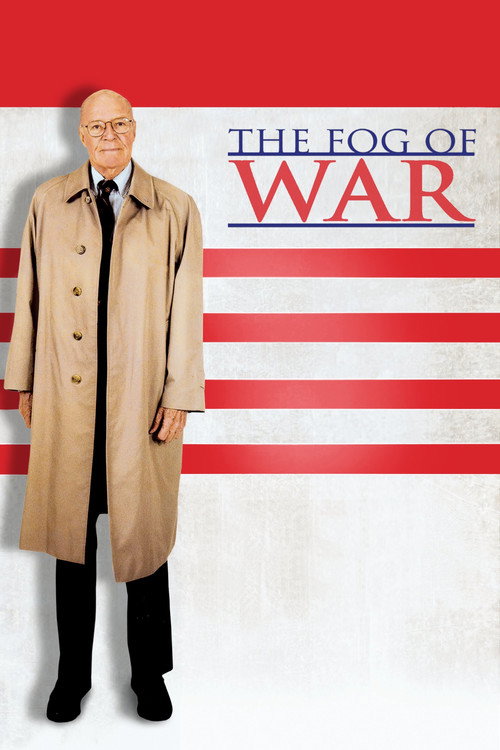
The Fog of War2003
Robert McNamara, architect of the Vietnam War, sits for eleven interviews trying to reckon with what he authorised — self-justification and genuine remorse tangled together.
But McNamara is articulate and sympathetic in a way Anwar Congo never is, which makes the discomfort cooler, more cerebral.
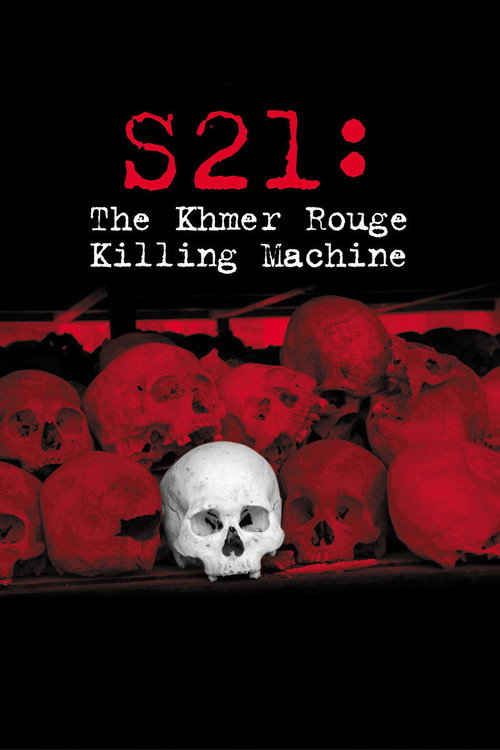
S21: The Khmer Rouge Killing Machine2003
Rithy Panh brings survivors of a Khmer Rouge prison back to confront the guards who tortured them, staging physical reenactments inside the actual building.
But Shares the reenactment premise almost too closely — less genre invention, more raw confrontation, and just as punishing.
Night and Fog1956
Alain Resnais's thirty-minute essay-film pairs serene colour footage of empty camps with unbearable archival horror, inventing the modern language for showing genocide on screen.
But Short, purely archival, and missing the perpetrator psychology that makes Act of Killing so unnerving.
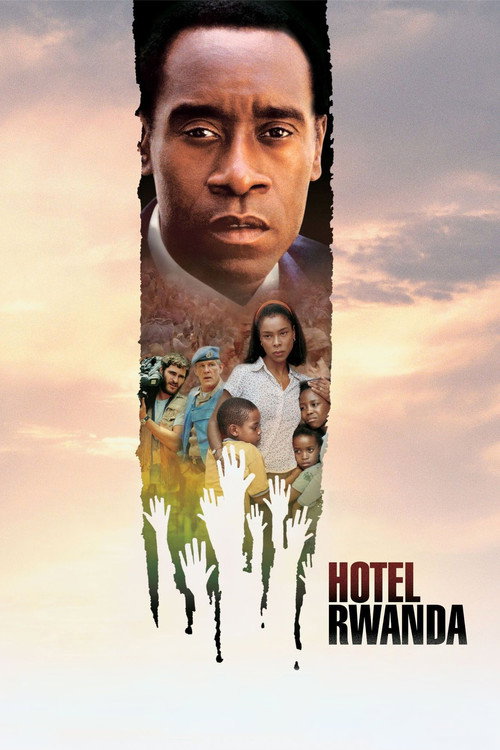
Hotel Rwanda2004
A dramatised account of the Rwandan genocide seen through one hotel manager sheltering refugees — an accessible entry point into the machinery of mass killing and bystanders.
But A conventional based-on-true-events drama with a hero and an arc — a very different animal from what you just watched.
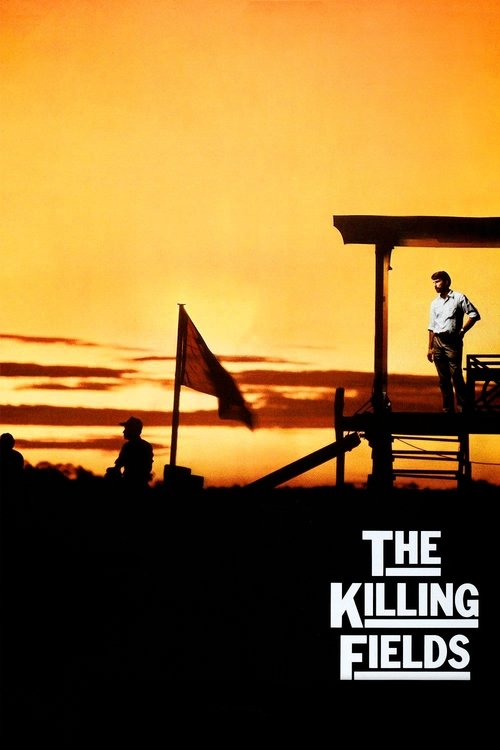
The Killing Fields1984
A journalist drama set during the Khmer Rouge's rise, following a Cambodian translator's survival — one of the earliest mainstream films to put that genocide in front of Western audiences.
But An '80s prestige drama with a score and a rescue arc — comfort-food filmmaking next to Oppenheimer's raw nerve.
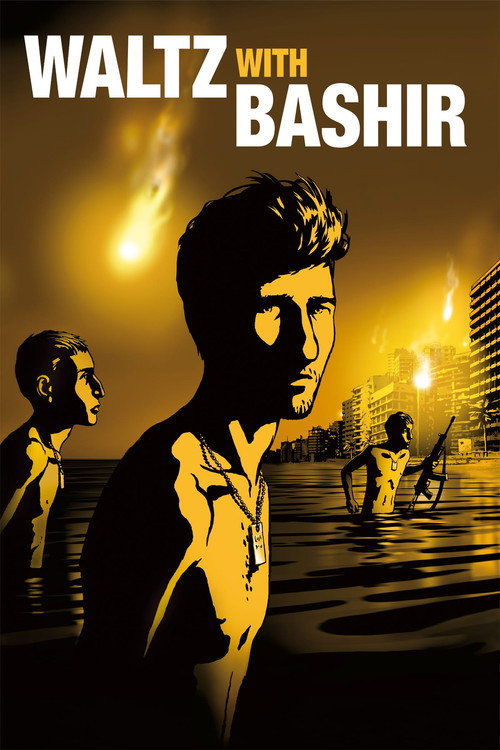
Waltz with Bashir2008
Same question Oppenheimer asks — how does a participant in atrocity narrate it to himself? — answered through drawn, dreamlike images instead of garish restaged musical numbers.
An animated documentary in which director Ari Folman interviews fellow soldiers — and himself — about a massacre during the Lebanon War, using rotoscoped animation to dramatise memory and denial.
But The animation keeps things at a stylised distance some viewers find beautiful and others find a way of softening horror it shouldn't.
People
Cast
- Anwar CongoSelf - Executioner in 1965
- Herman KotoSelf - Gangster & Paramilitary Leader
- Syamsul ArifinSelf - Governor of North Sumatra
- Ibrahim SinikSelf - Newspaper Publisher
- Yapto SoerjosoemarnoSelf - Leader of Pancasila Youth
- Safit PardedeSelf - Local Paramilitary Leader
- Jusuf KallaSelf - Vice President of Indonesia
- Adi ZulkadrySelf - Fellow Executioner in 1965
- SuryonoSelf - Anwar's Neighbor
- Haji MarzukiSelf - Member of North Sumatra Parliament
- Haji AnifSelf - Paramilitary Leader & Businessman
- Rahmat ShahSelf - Member of Parliament
Directing
- AnonymousCo-Director
- Christine CynnCo-Director
- Joshua OppenheimerDirector
Production
- Lizzy RatnerAssociate Producer
- Maria KristensenAssociate Producer
- André SingerExecutive Producer
- Bjarte Mørner TveitExecutive Producer
- Errol MorrisExecutive Producer
- Joram ten BrinkExecutive Producer
- Torstein GrudeExecutive Producer
- Werner HerzogExecutive Producer
- Anne KöhnckeProducer
- Christine CynnProducer
- Joram ten BrinkProducer
- Joshua OppenheimerProducer
- Michael UwemedimoProducer
- Signe Byrge SørensenProducer
Recommended by
The Battle of Algiers, The Raid, Night and Fog, The Godfather Part II, Barry, Titicut Follies, The Fog of War, The Suicide Squad, The Year of Living Dangerously, The Missing Picture, JFK, Come and See, The Killer, The Look of Silence, Shoah, Battleship Potemkin, The Century of the Self, The Most Dangerous Game, Into the Abyss, Three Identical Strangers, Casting JonBenet, Wormwood, Fyre, A Face in the Crowd, Close-Up, Grizzly Man, Marwencol, Burden of Dreams, The Devil Next Door, Tiger King: Murder, Mayhem and Madness, M, Marjoe, Man Bites Dog, Evil Genius, Cartel Land, Kind Hearts and Coronets, Waltz with Bashir, Looper, S21: The Khmer Rouge Killing Machine, Missing, Richard III, Winter on Fire: Ukraine's Fight for Freedom, The Cove, Standard Operating Procedure, Baraka, October (Ten Days that Shook the World), The Zone of Interest, Road to Perdition, The Unknown Known, Z, Obedience, The Square, Hannibal, Battle Royale, Triumph of the Will, Bloody Sunday, Get Me Roger Stone, Whitey: United States of America v. James J. Bulger, A History of Violence, The Battle of Chile: Part I, Hitman Hart: Wrestling with Shadows, The Purge, The Mission, Nathan for You, El Sicario, Room 164, My Name, Kill Boksoon, Who Is America?, Häxan, Hanna, Long Night's Journey into Day, The Confession Killer, V for Vendetta, The Sword of Doom, The Raid 2, Ashes and Diamonds, The Silence of Others, Nineteen Eighty-Four, The Virgin Spring, Gomorrah, White Light/Black Rain: The Destruction of Hiroshima and Nagasaki, The Kingmaker, Blue Ruin, Punishment Park, Caché, Last Men in Aleppo, Cameraperson, Sonatine, Five Broken Cameras