
Film
The Godmother
Other titles called The Godmother: the 2011 film.
A 2014 documentary examining Angela Merkel's rise from obscure East German physicist to Europe's most influential leader, and her contested role in imposing austerity during the financial crisis. Featuring interviews with Naomi Klein, Ulrich Beck, and others, it questions whether her methods reflect pragmatism or ideological rigidity. A provocative political portrait that demands engagement.
If you liked this
The Act of Killing2012
Explores how power operates through the testimony of those who wielded it, examining ideology and complicity without easy moral judgments. Demands you think about systems and individuals simultaneously.
But Extremely difficult to watch. The subject matter involves graphic historical violence, and the film's refusal to condemn makes some viewers deeply uncomfortable.

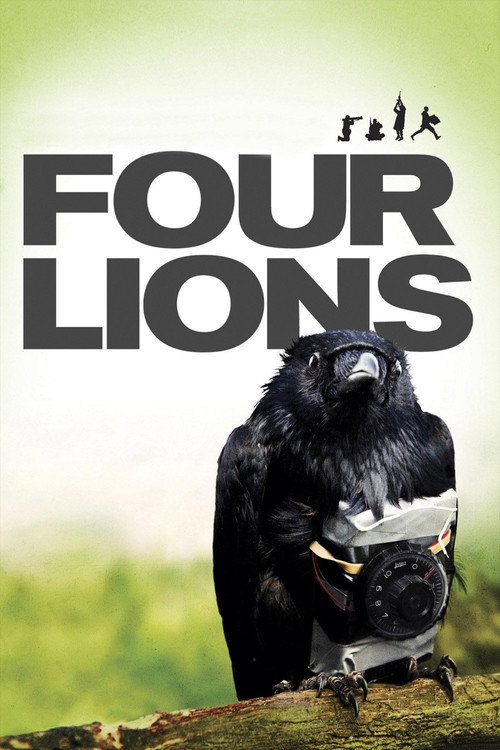
Four Lions2010
Chris Morris examines ideology, delusion, and how intelligent people convince themselves of terrible things. Darkly comic but structurally serious about how belief systems calcify.
But The humour is genuinely unsettling. Some find the comedy incompatible with the gravity of the subject; others find it exploitative.
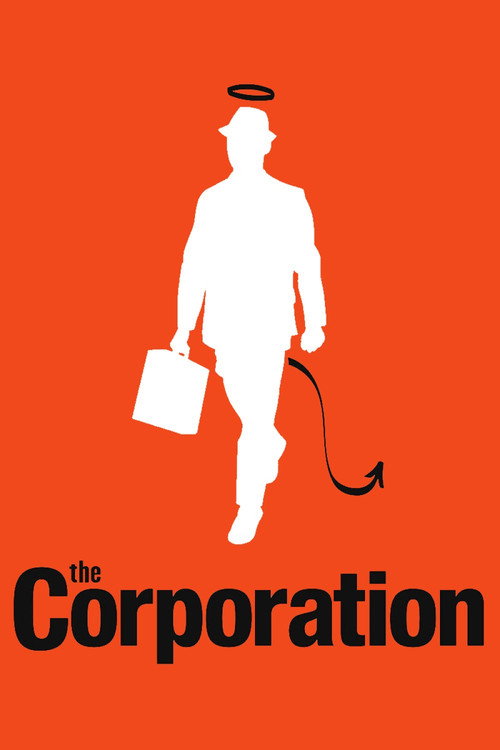
The Corporation2003
Documentary investigation of economic structures and how institutions pursue their logic regardless of human cost. Shares the forensic interest in how systems perpetuate themselves.
But Polemical and occasionally didactic. The argument sometimes overwhelms nuance, and it can feel like watching a very long essay.
Not sure tonight? Get a pick in a minute, starting from The Godmother
The wildcard
Something you would not have found on your own.
A Prophet2009
Both examine how power accumulates through understanding the system better than others, and how intelligence can become complicity. Malik's rise parallels Merkel's in structure if not context.
Jacques Audiard's prison drama about how systems manufacture power structures and how individuals navigate them. Not political argument but structural analysis through narrative—shows rather than tells how authority operates.
But Slow-burn French film with long sequences of quiet observation. If you need explicit connection-making, the film's method will feel evasive.

More like this (7)
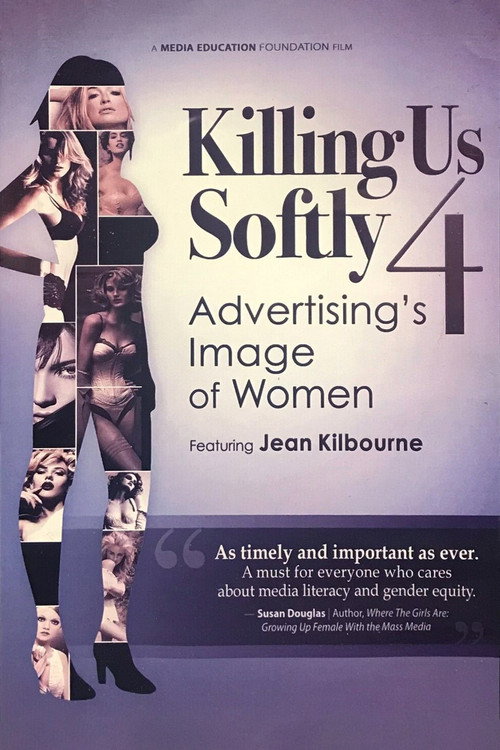
Killing Us Softly 4: Advertising's Image Of Women2010
Jean Kilbourne dissects how ideology becomes invisible through repetition and normalisation. The methodology—close attention to what we've stopped seeing—applies far beyond advertising.
But If you're tired of critique without solutions, this offers analysis but no path forward. The accumulated weight of examples can feel relentless.
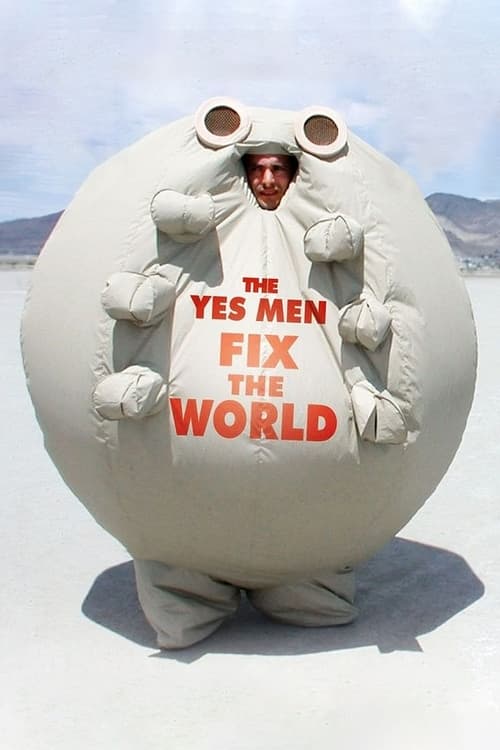
The Yes Men Fix the World2009
Documents activists impersonating corporations to expose their logic. Clever, witty, and genuinely funny in ways that don't undercut the seriousness of what's being critiqued.
But The pranks occasionally obscure rather than illuminate. Some targets are so obvious the exposure feels more cathartic than revealing.
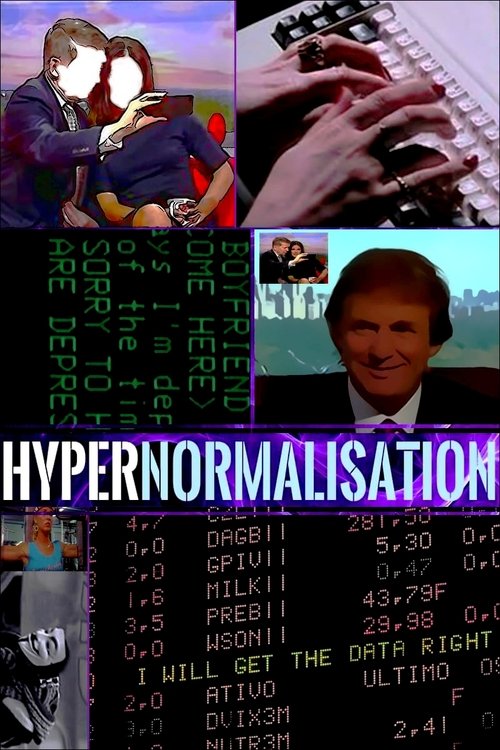
HyperNormalisation2016
Adam Curtis traces how we became numb to contradiction and chaos. Uses archival material to argue that leaders exploit our sense of helplessness—a direct intellectual descendant of this film's concerns.
But Curtis's voice-over can feel omniscient and sometimes the connections between disparate events feel imposed rather than discovered. Very long and demanding.
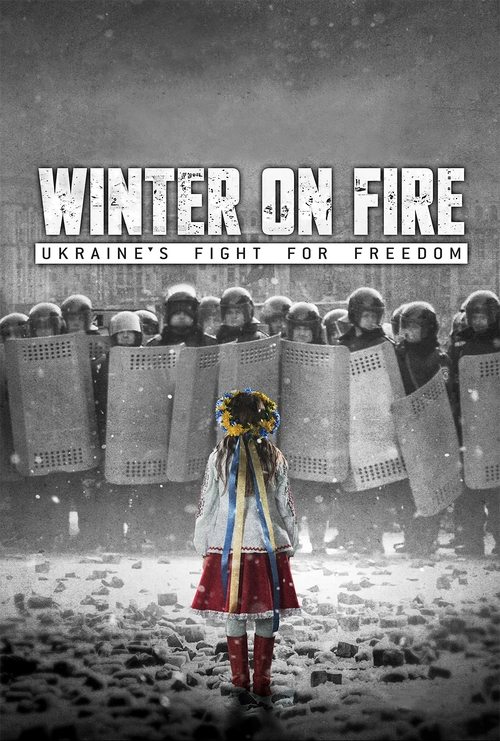
Winter on Fire: Ukraine's Fight for Freedom2015
Documents resistance to imposed authority and the cost of standing against hegemonic power. A portrait of refusal that complements the examination of domination.
But Geopolitically positioned in a way that some find reductive. The documentary's own perspective isn't as complicated as it might be.
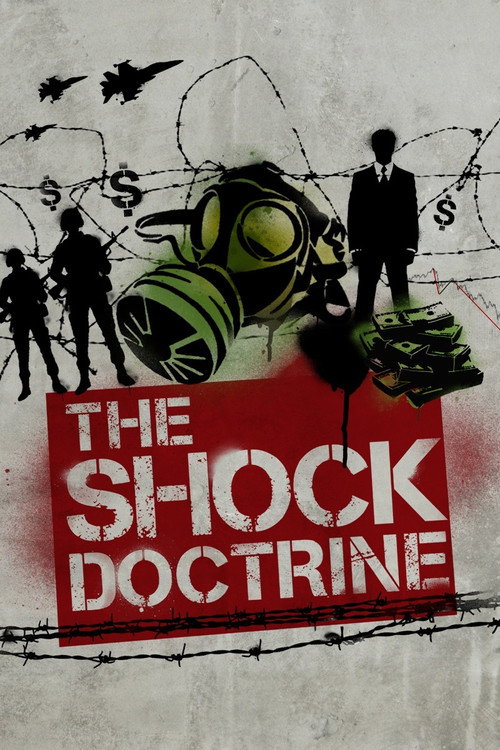
The Shock Doctrine2009
Naomi Klein (interviewed in The Godmother) adapts her own book on disaster capitalism. Direct intellectual context for understanding the film's argument about austerity and power.
But Covers vast terrain at speed, which means individual examples sometimes lack depth. The argument can feel schematic compared to the book.
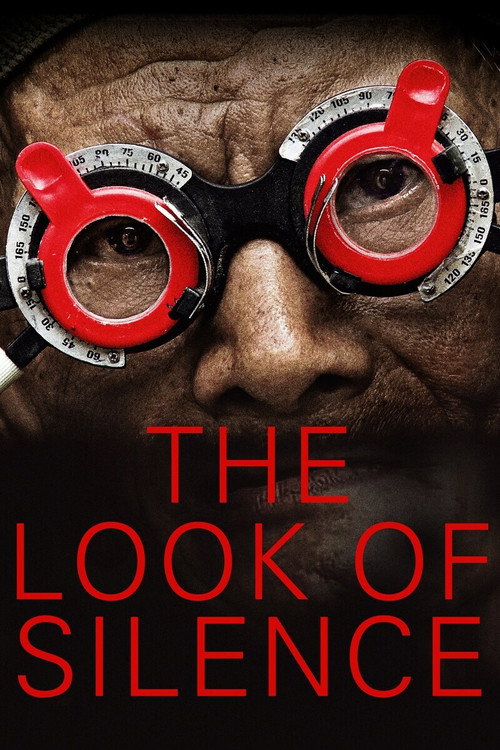
The Look of Silence2014
Where The Godmother examines complicity through institutions, this examines it face-to-face. Both ask: what does it cost to understand those who harmed you?
Joshua Oppenheimer's companion to The Act of Killing, following a survivor's son confronting perpetrators. Rage and grief become the appropriate response to atrocity. Emotionally devastating in ways that force recalibration.
But Requires patience with long silences and refusal of catharsis. Some find the pacing glacial. Not a film that offers comfort or resolution.
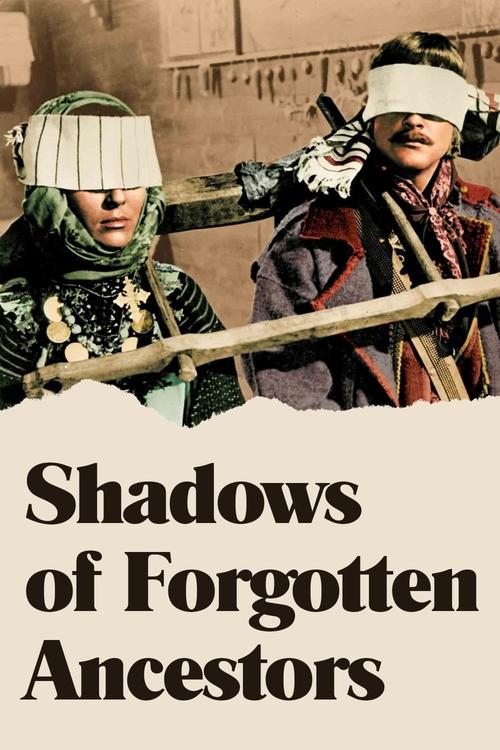
Shadows of Forgotten Ancestors1965
Both are about how power imposes itself on cultures and how that imposition feels from inside. This offers the lyrical, mythic view of what The Godmother captures through interviews—the lived texture of hegemony.
Sergei Parajanov's visually extraordinary film about a community under Soviet dominion, told through ritual and folklore rather than political statement. Ideology expressed through aesthetics and tradition rather than argument.
But Deliberately opaque and symbolic. If you want explicit political critique, this will frustrate you. The visual density can be exhausting rather than illuminating for some viewers.
People
Cast

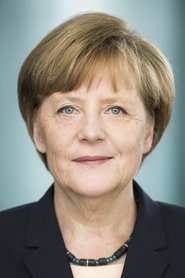 Angela MerkelSelf
Directing
- Stelios KouloglouDirector
Writing
- Stelios KouloglouWriter