
Film
Shadows of Forgotten Ancestors
Sergei Parajanov's visual masterpiece follows Ivan, a young Hutsul in the Carpathian Mountains, as he pursues love across a blood feud—a romance doomed by tradition and fate. Gorgeously composed in folk-textile richness, it moves like a fever dream. Essential viewing for anyone who believes cinema can be pure poetry.
Should you watch it?
Watch it if you want cinema that works like poetry, where images, folk ritual and vivid color carry the feeling more than dialogue does, and you're happy to surrender to a mood rather than follow a plot.
Skip it if you need a conventional story with clear cause and effect; the narrative is loose, sparse in dialogue, and often feels like a sequence of tableaux, which can test patience.
What it asks of you: Roughly ninety-six minutes, unhurried, with long static shots and ritual passages that unfold at their own pace; it rewards stillness and patient looking over plot tracking.
Not sure? Find tonight's pick in a minute.
If you liked this
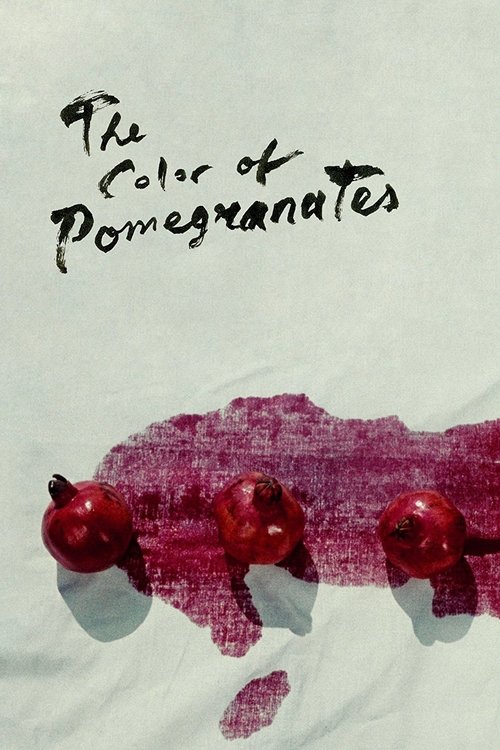
The Color of Pomegranates1969
Parajanov's follow-up is even more visually audacious, a kaleidoscopic biography of Armenian poet Sayat-Nova told through tableaux vivants that feel torn from illuminated manuscripts. A natural next step if Forgotten Ancestors mesmerized you.
But At 79 minutes with almost no traditional narrative, it demands patience and rewards only contemplation. Not a film for plot.
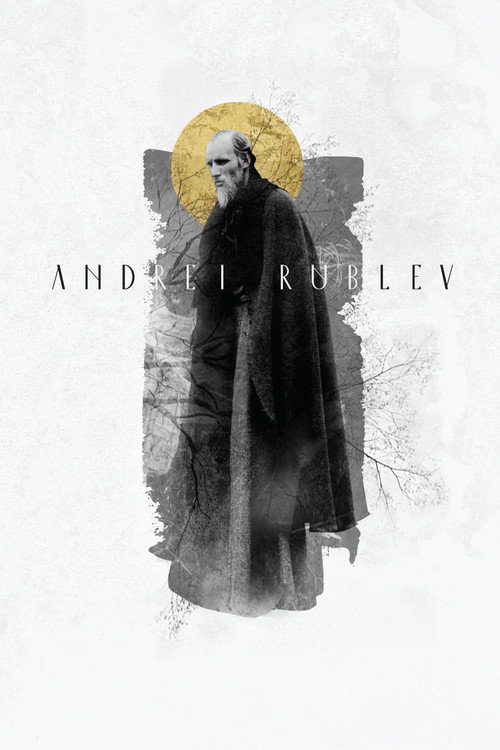
Andrei Rublev1966
Tarkovsky's meditation on art, faith, and creation in medieval Russia shares Parajanov's obsession with visual splendor and the spiritual weight of folk tradition. A companion piece about cinema as icon-painting.
But It's 205 minutes of deliberate pacing. The black-and-white cinematography can feel austere where Shadows glows with color. Patience required.
Come and See1985
Elem Klimov's brutal masterpiece about a Belarusian boy conscripted into WWII carries the same mythic fatalism and folk-tragedy sensibility, but weaponizes it to show war's obliteration of innocence. Unforgettable.
But Viscerally disturbing in ways Shadows never attempts. Some imagery is genuinely traumatic. This is not beautiful sadness—it's atrocity.

Not sure tonight? Get a pick in a minute, starting from Shadows of Forgotten Ancestors
The wildcard
Something you would not have found on your own.
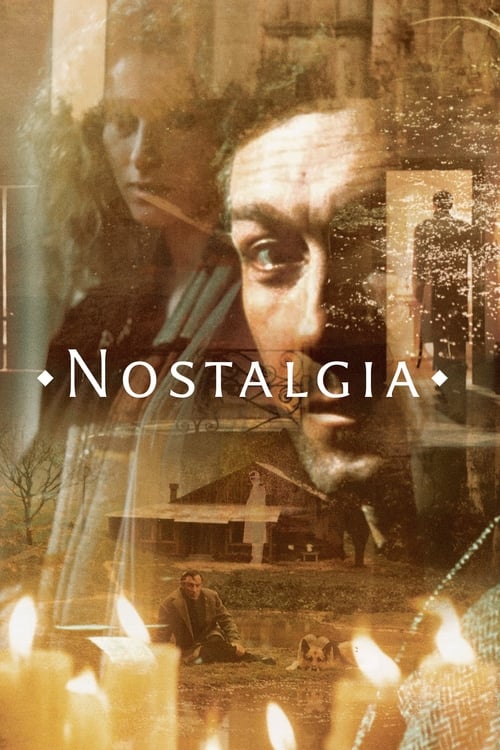
Nostalgia1983
Both films understand that cinema can capture the weight of the past pressing on the present, and that beauty and melancholy are inseparable. Both believe in the image over the plot.
Tarkovsky's meditation on memory, displacement, and spiritual yearning, filmed partly in Italy with an exiled Russian poet protagonist. It shares Shadows' sensuality and visual richness but trades Ukraine's folk mythology for modernist alienation and existential homesickness. Same soul, opposite landscape.
But Even more austere and abstract than his earlier work. 163 minutes of walking, talking, and remembering. Requires genuine surrender to its rhythm.
More like this (8)
Stalker1979
Tarkovsky again, but this time a science-fiction meditation on desire and spiritual longing. The same sense of fate weighing on the soul, the same commitment to letting scenes breathe and meaning accumulate in silence.
But Glacially paced, heavy with philosophical dialogue, and plotwise almost nothing happens. Viewers expecting incident will be frustrated.

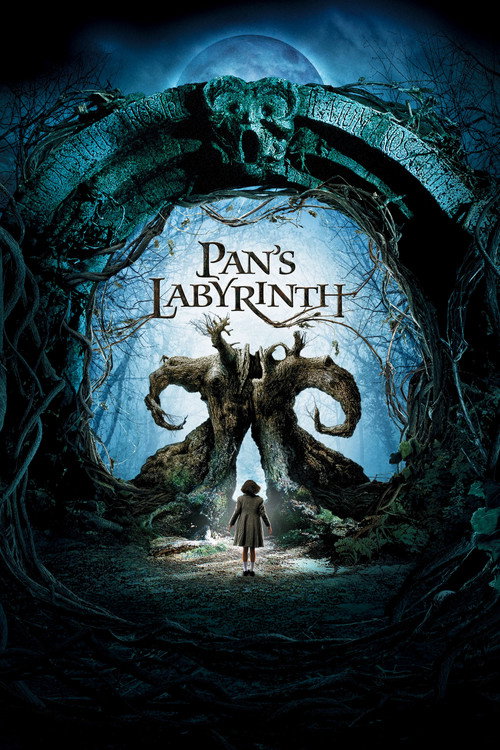
Pan's Labyrinth2006
Guillermo del Toro channels the folk-tale atmosphere and doomed-love registers of Shadows into a Spanish Civil War fantasy. Rich, textured, mythic without losing emotional stakes. A modern film that remembers what Shadows knew.
But Fantasy elements might feel safer or less artistically rigorous than Parajanov's pure formalism. Some violence against children may disturb.
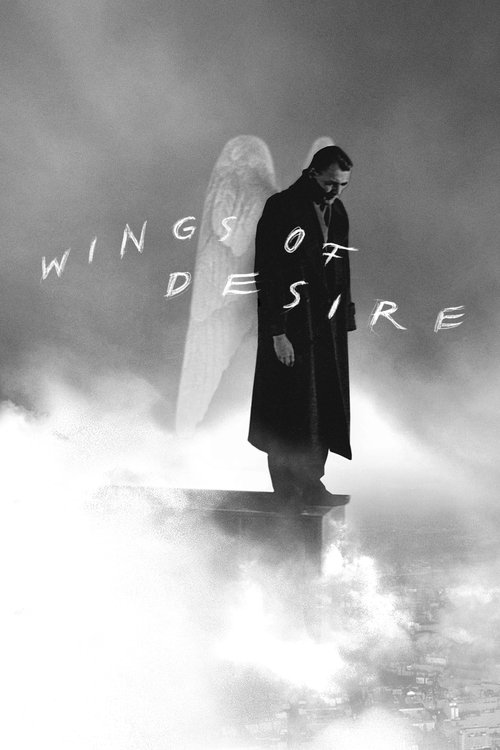
Wings of Desire1987
Wim Wenders' meditation on Berlin, angels, and mortal longing has Shadows' dreamlike quality and obsession with beauty amid loss. Black-and-white and color, past and present, the eternal watching the temporal. A spiritual sibling.
But Extremely slow, almost plotless, built on tone and philosophy. If you want character arcs and resolution, look elsewhere.
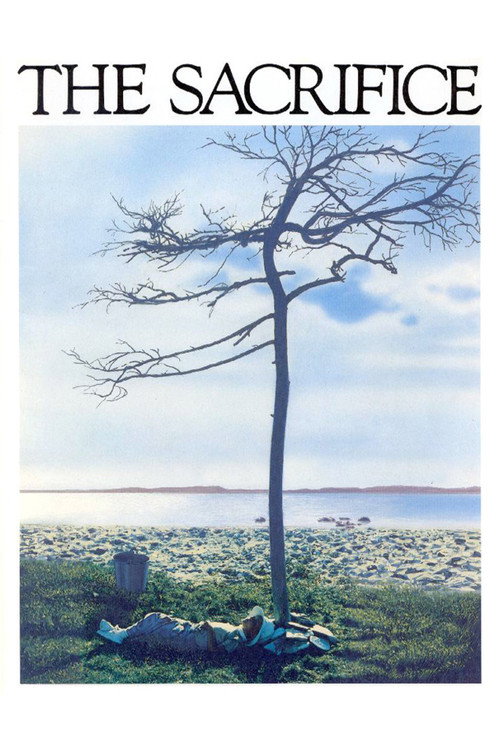
The Sacrifice1986
Tarkovsky's final film: a man on an island confronts apocalypse and faith. The visual poetry is unmatched, and the sense of ritual and doom echoes Shadows' fatalism. A meditation on what we're willing to lose.
But Even by Tarkovsky standards, it's demanding—163 minutes of repetition and circularity. The apocalyptic premise is bleak in ways Shadows sidesteps.
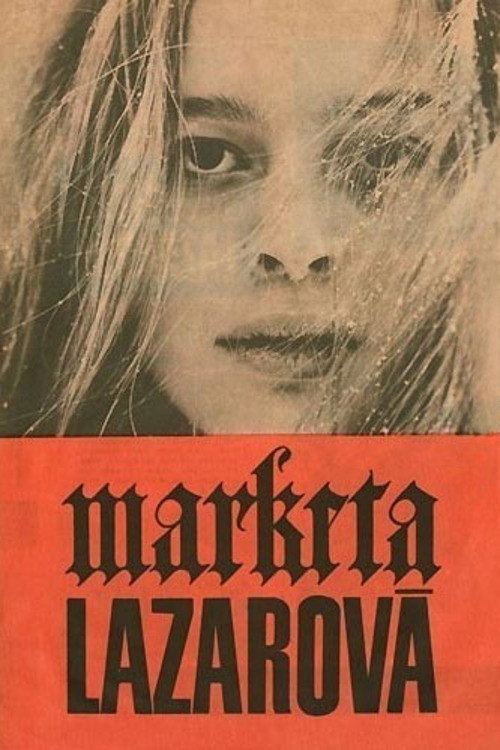
Marketa Lazarová1967
Czech New Wave film about medieval bandits and ravishment, visually baroque and narratively fractured. Rivals Shadows in its commitment to folk atmosphere, violence, and tragic entanglement. Ravishing black-and-white cinematography.
But Narrative is genuinely hard to follow; the film doesn't guide you. Medieval brutality is unglamorous. Obscure enough to need seeking out.
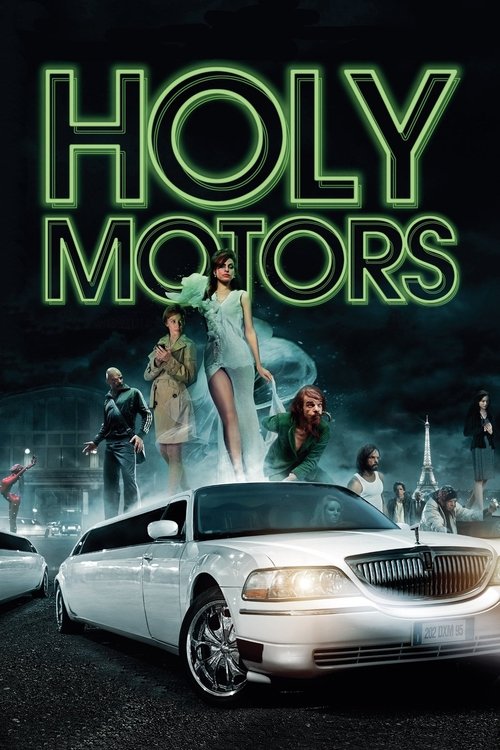
Holy Motors2012
Leos Carax's fever dream of a film about an actor riding through Paris in a limousine, transforming between lives. Surreal, painterly, and obsessed with performance and identity the way Shadows is obsessed with fate and folk ritual.
But Willfully strange and resistant to interpretation. Denis Lavant's central performance is committed but unsettling. Not a gateway to experimental film.
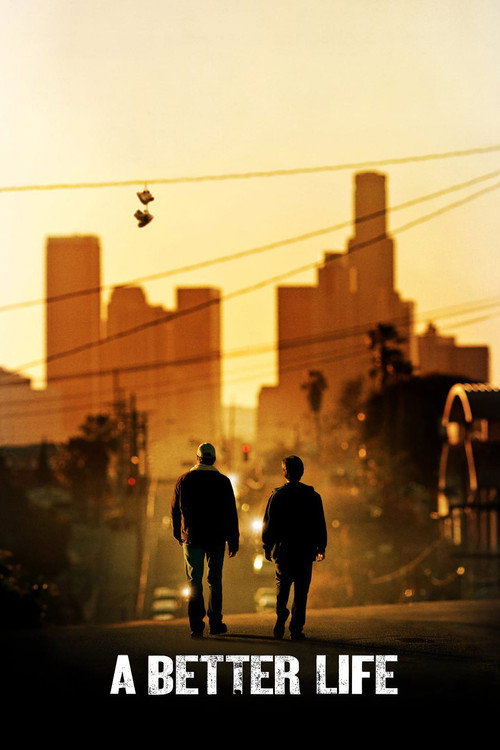
A Better Life2011
It's a literal bridge: the world Parajanov mythologized, now documented. Watching both together creates a dialogue between poetry and reality.
Documentary by Mikhail Kalatozov about contemporary Hutsul people—the actual descendants of the characters in Shadows. A haunting complement: seeing how tradition survives or erodes in the modern world, filmed with documentary austerity but the same visual reverence for landscape and folk life.
But Slower and less dramatically satisfying than narrative cinema. The modest scope of village life may feel thin compared to Shadows' mythic register. Difficult to find outside festival circuits.
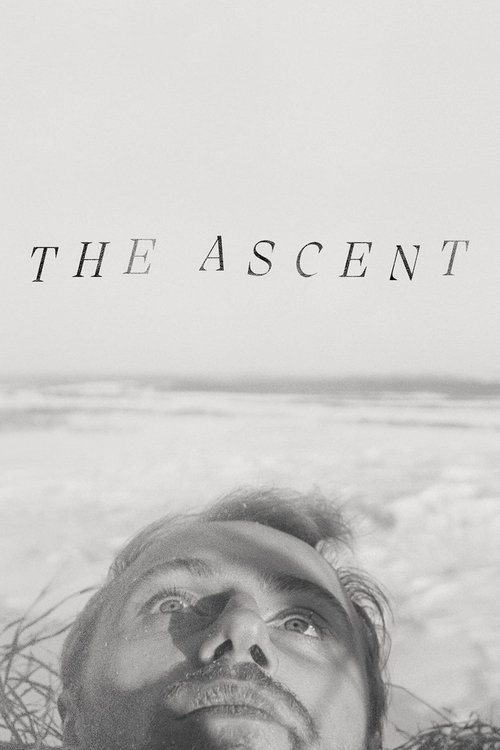
The Ascent1977
Both understand fate as a force that crushes individuals while elevating them into myth. Both use the Soviet Union's Eastern European milieu to explore transcendence through suffering.
Larisa Shepitko's black-and-white masterpiece about two Soviet partisans in WWII ascending a snowy hill toward martyrdom. It shares Shadows' metaphysical fatalism and folk-religious atmosphere but strips away color and beauty to render suffering as spiritual fact. Unflinching where Shadows is painterly.
But Bleak, brutal, and theologically heavy. No romance, no love, only sacrifice and pain. The monochrome palette and relentless mood are punishing. Shepitko's only feature; easy to miss.
People
Cast
 Ivan MykolaichukIvan Paliychuk
 Larysa KadochnykovaMarichka Gutenyuk
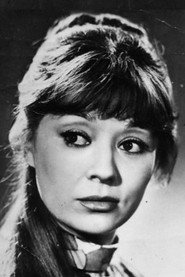 Tatyana BestayevaPalagna
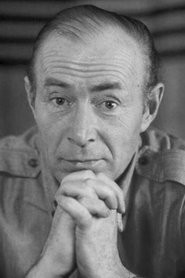 Mykola HrynkoBatag
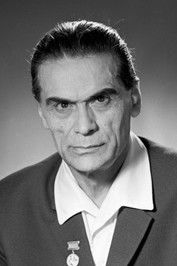 Spartak BagashviliYurko Malfara
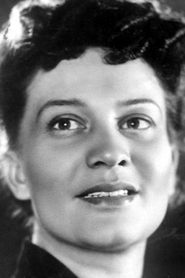 Nina AlisovaPaliychuk, Ivan's Mother
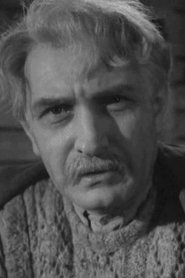 Oleksandr HaiPetro Paliychuk
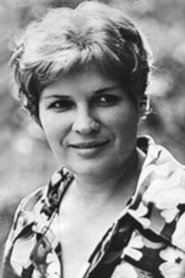 Neonila HnepovskaGutenyuk
- Aleksandr RaydanovOnufriy Gutenyuk
- Igor DzyuraYoung Ivan
- Valentina GlinkoYoung Marichka
Directing
- Vladimir LugovskiyAssistant Director
- Sergei ParajanovDirector
- M. GorokhovskiyFirst Assistant Director
- L. KustovaSecond Assistant Director
Writing
- Mykhailo KotsiubynskyiNovel
- Fyodor ManayloScript Consultant
- Oleksandr SyzonenkoScript Editor
- Ivan ChendejWriter
- Sergei ParajanovWriter
Production
- N. YurievaExecutive Producer
Recommended by
Black Sabbath, Jean de Florette, The Cranes Are Flying, Dracula: Pages from a Virgin's Diary, 9th Company, Dracula, Leningrad Cowboys Go America, The Color of Pomegranates, Red Psalm, Wings, A Film Unfinished, Мёртвые души, Nostalgia, The Gadfly, Earth, The Last Bolshevik, In a Year with 13 Moons, The Memory Thief, Daisies, Prodigal Son, Yeelen, The Axe, Dust, Ballad of a Soldier, Air Crew, Eneida, Dead Souls, 1612: Chronicles of the Dark Time, Quiet Flows the Don, The Young Guard, The Godmother