
Film
Quiet Flows the Don
- Period drama
- Very dark
Sergei Gerasimov's 1957 epic traces the collapse of Cossack life through World War I, revolution, and civil war, following Grigory Melekhov as personal desire clashes with historical upheaval. Adapted from Sholokhov's masterpiece, it's a sprawling, deliberately paced meditation on how ideology and violence shatter individual lives. Essential cinema for those willing to sit with Russian fatalism.
If you liked this
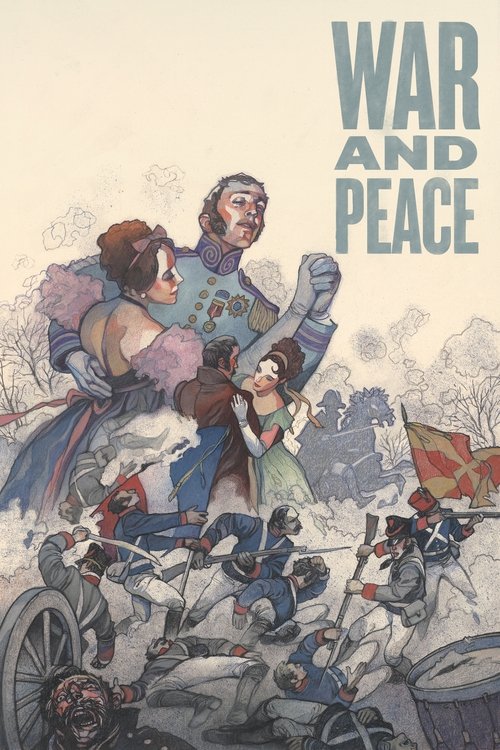
War and Peace1968
Bondarchuk's matching epic scope and ambition: sweeping cavalry battles, aristocratic entanglement, and the same central question of what individuals mean against historical forces.
But At nearly eight hours, it demands the same marathon commitment, and Tolstoy's philosophy can feel as heavy as Sholokhov's grief.
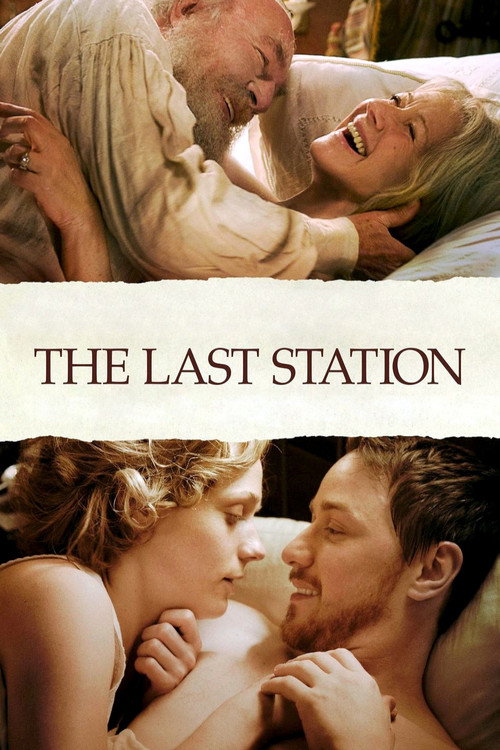
The Last Station2009
Christopher Plummer as Tolstoy facing his final days: another Russian tragedy about ideals colliding with human weakness, mortality, and the impossibility of living up to your own principles.
But It's gentler and more sentimental than Gerasimov's severity, which some will find more moving and others will find diluted.
Come and See1985
Elem Klimov's harrowing portrait of a Soviet boy caught in WWII: the same unflinching depiction of how war destroys not just bodies but souls, rendered in images that refuse to look away.
But Viscerally disturbing in ways that make Quiet Flows the Don look almost restrained. Not just sad; actively punishing.

Not sure tonight? Get a pick in a minute, starting from Quiet Flows the Don
The wildcard
Something you would not have found on your own.
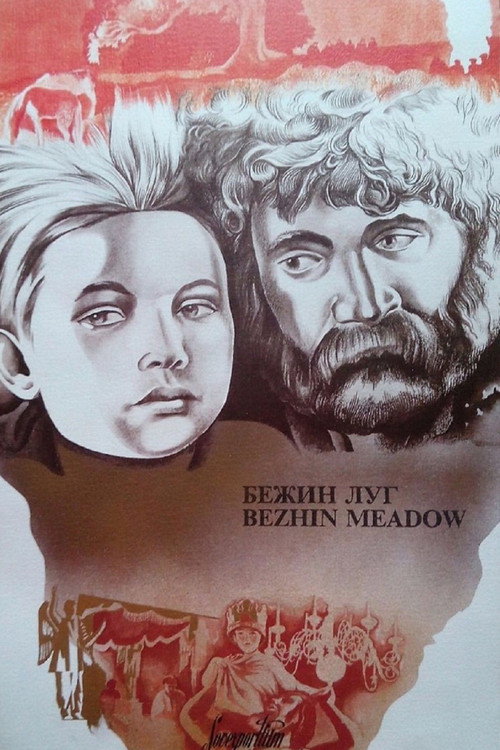
Bezhin Meadow: Sequences from an Unfinished Film1968
Both film Sholokhov-era Soviet material through the lens of disillusionment with revolution. Eisenstein and Gerasimov ask the same question: what do we sacrifice when ideology demands everything?
Sergei Eisenstein's unfinished masterpiece: a Soviet collective farm drama that abandons revolutionary orthodoxy to ask what ideological purity costs ordinary people. Shot with Eisenstein's unmatched formal brilliance.
But Genuinely incomplete—no definitive cut exists. Some scenes are stunning; others dissolve into fragments. Watching it means accepting a broken text as its own kind of statement.
More like this (8)
Stalker1979
Andrei Tarkovsky's philosophical science fiction about desire, meaning, and spiritual emptiness in a broken system. Russian cinema at its most meditative and metaphysical.
But Glacially slow, deliberately obscure, hostile to plot. If you found Quiet Flows the Don draggy, this will test your patience further.

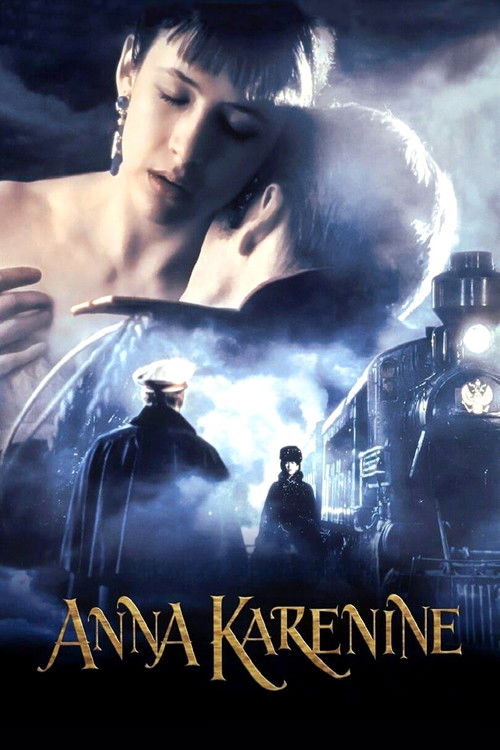
Anna Karenina1997
Joe Wright's lush adaptation of Tolstoy's other masterpiece: passionate individuals destroyed by rigid society, with the same elegiac tone and intimate destruction amid historical grandeur.
But Period costume drama with modern sensibilities; some find it prettier than true, and it lacks the raw historical brutality of Gerasimov's approach.
The Ascent1977
Larisa Shepitko's devastating portrait of two Soviet partisans in WWII facing execution. Philosophical, spiritual, and as morally complex as anything in Russian cinema.
But Abstract and symbolic rather than narrative; running only 111 minutes but feeling longer. Some viewers find the theology overwrought.

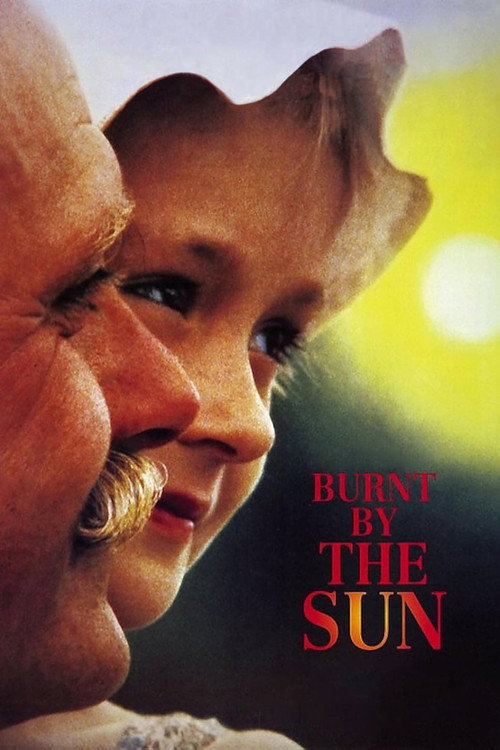
Burnt by the Sun1994
Nikita Mikhalkov's Stalinist tragedy: a man destroyed not by war but by ideology and paranoia, told with operatic emotion and the same sense of personal fate overwhelmed by historical machinery.
But Mikhalkov's romanticism can veer into melodrama, and the film's length and tonal shifts frustrate viewers seeking something leaner.
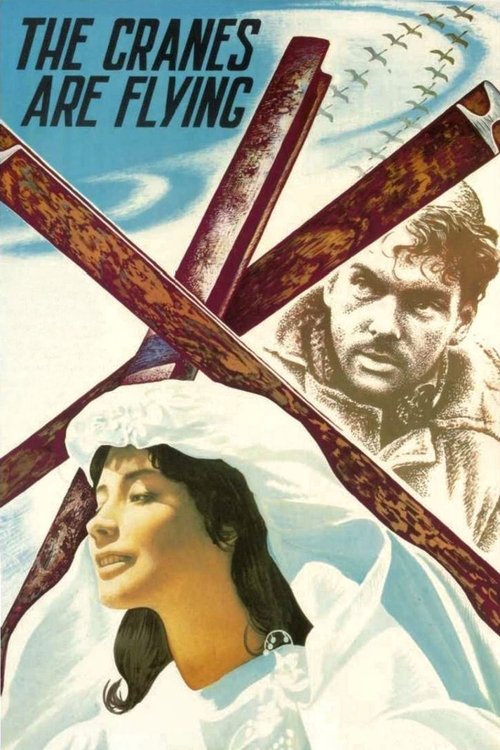
The Cranes Are Flying1957
Mikhail Kalatozov's simultaneous release: young love fractured by WWII, shot with visual poetry that matches Gerasimov's scope but with a more intimate emotional center.
But Slightly less ambitious philosophically than Quiet Flows the Don, and the romance can feel conventional against the epic backdrop.
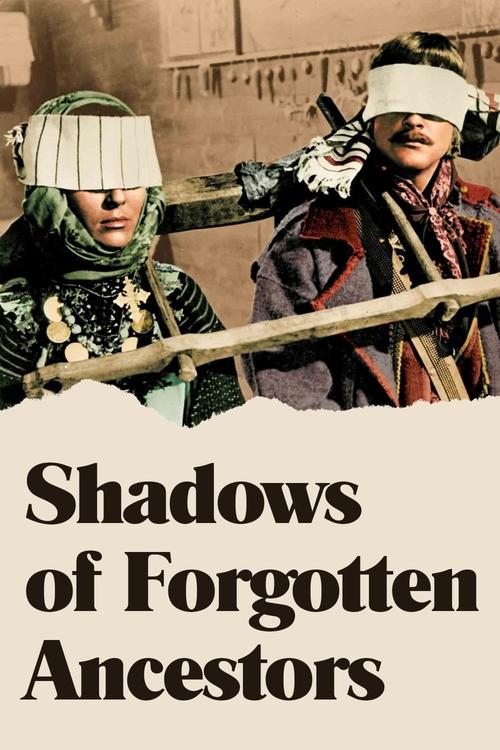
Shadows of Forgotten Ancestors1965
Sergei Parajanov's hallucinogenic portrait of Ukrainian folk life and passion across generations; the same interest in how tradition and desire destroy individuals, rendered through color and ritual.
But Deliberately opaque, formally experimental, and resistant to conventional narrative. Feels more like visual poetry than drama.
The Ballad of Little Jo1993
Both watch individuals crushed by historical and social forces that offer no escape. But where Quiet Flows the Don shows submission to history, Jo actively refuses it—a formal and moral inversion worth sitting with.
Maggie Greenwald's obscure western: a woman masquerades as a man in the frontier frontier, exploring gender, identity, and survival on the margins of history. Quietly radical and entirely unsentimental.
But Low-budget and deliberately unfashionable; some find it slow and austere. The framing device is didactic in ways that can feel like lecturing.

The Seventh Seal1957
Released the same year, both are meditations on how history and mortality expose the fragility of meaning. Gerasimov shows collapse through realism; Bergman through metaphysical abstraction. Watching them together illuminates what cinema can do with the same terrain.
Ingmar Bergman's same-year masterpiece about a knight questioning meaning and faith amid plague and death. Medieval rather than modern, but philosophically: the same confrontation with historical forces that strip away illusion.
But Highly allegorical and composed in a European art-film mode; the tone is austere and intellectual rather than emotionally immersive. Some find its existentialism dated or cold.

People
Cast
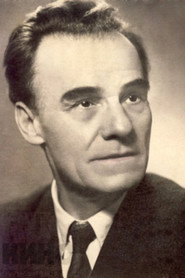 Danylo IlchenkoПантелей Прокофьевич Мелехов
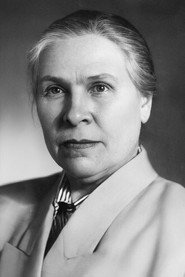 Anastasiya FilippovaИльинична
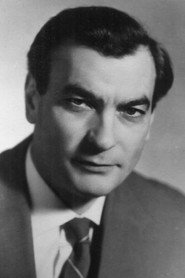 Pyotr GlebovГригорий
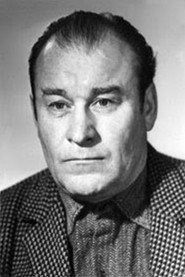 Nikolai SmirnovПётр
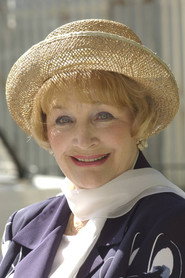 Lyudmila KhityaevaДарья
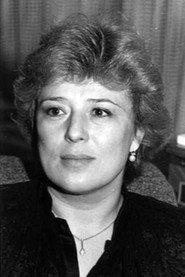 Natalya ArkhangelskayaДуняшка
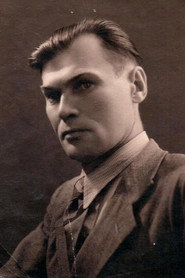 Aleksei BlagovestovСтепан Астахов
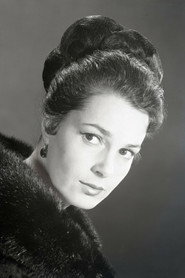 Elina BystritskayaАксинья
- Aleksandr ZhukovМирон Григорьевич Коршунов
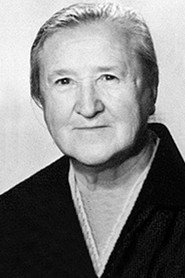 Aleksandra DenisovaЛукинична
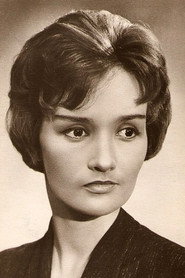 Zinaida KirienkoНаталья
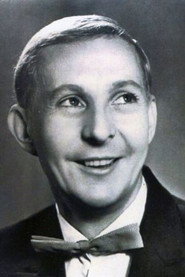 Boris NovikovМитька
Directing
- Genrikh OganisyanAssistant Director
- K. NikolayevichAssistant Director
- Venyamin DormanAssistant Director
- Sergei GerasimovDirector
Writing
- Mikhail SholokhovNovel
- Semyon KudinovScript Consultant
- Valeriya PogozhevaScript Editor
- Yuriy LukinScript Editor
- Sergei GerasimovWriter
Production
- Yakov SvetozarovExecutive Producer