
Film
War and Peace
Other titles called War and Peace: the 1956 film.
- Period drama
- Slow-burning
Sergei Bondarchuk's 1968 Soviet epic transforms Tolstoy's novel into a vast, intimate portrait of aristocratic life torn apart by war. Seven hours of ravishing cinematography, passionate romance, and philosophical wrestling, anchored by performances of genuine emotional depth. For those who believe cinema can be as profound and demanding as literature.
If you liked this
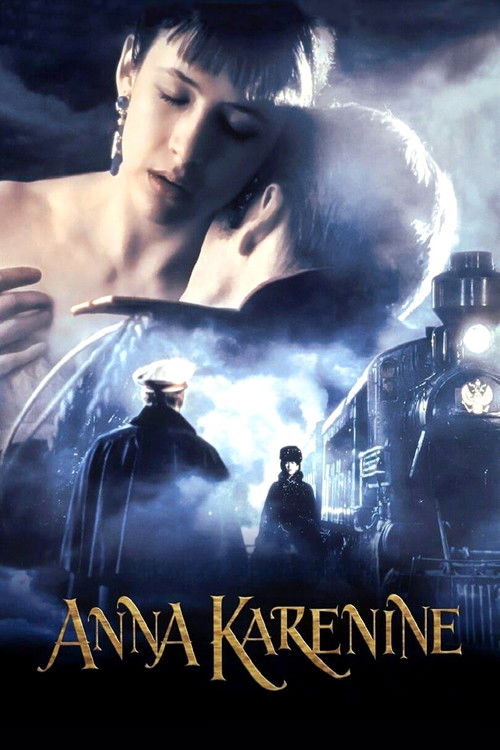
Anna Karenina1997
Joe Wright's lush adaptation captures Tolstoy's moral complexity and romantic desperation with similar visual grandeur. Keira Knightley brings the same reckless intensity Ludmila Savelyeva brings to Natasha.
But It's been adapted many times; this version might feel like one of several rather than the definitive one. The theatrical staging can feel mannered.
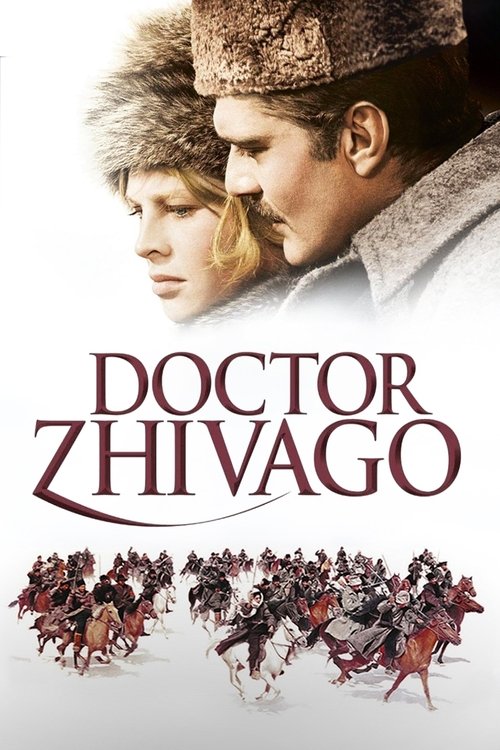
Doctor Zhivago1965
Another Soviet-era epic about love surviving political upheaval, with Omar Sharif's philosophical depth matching Bondarchuk's own performance. Lean's cinematography rivals the Russian film's beauty.
But It's nearly as long and just as demanding. Some find its emotional register distant compared to its gorgeous surfaces.
The Remains of the Day1993
A quieter study of duty versus passion in aristocratic life, with Anthony Hopkins delivering the kind of restrained philosophical performance Tikhonov brings to Andrei. Same moral weight in smaller compass.
But After War and Peace's scale, this English restraint might feel claustrophobic. It's introspective rather than sweeping.

Not sure tonight? Get a pick in a minute, starting from War and Peace
The wildcard
Something you would not have found on your own.
Stalker1979
Both are Russian masterpieces about characters on spiritual journeys, using the epic form not for spectacle but to explore what gives life meaning. Tarkovsky learned from Bondarchuk's example.
Tarkovsky's philosophical science-fiction film shares War and Peace's profound meditation on desire, faith, and what we truly seek beneath surface desires. A spiritual successor to Tolstoy's questioning—the same wrestling with meaning.
But It's deliberately paced, allegorical, and offers no easy answers. Some find it hypnotic; others find it impenetrably slow and abstract.

More like this (8)
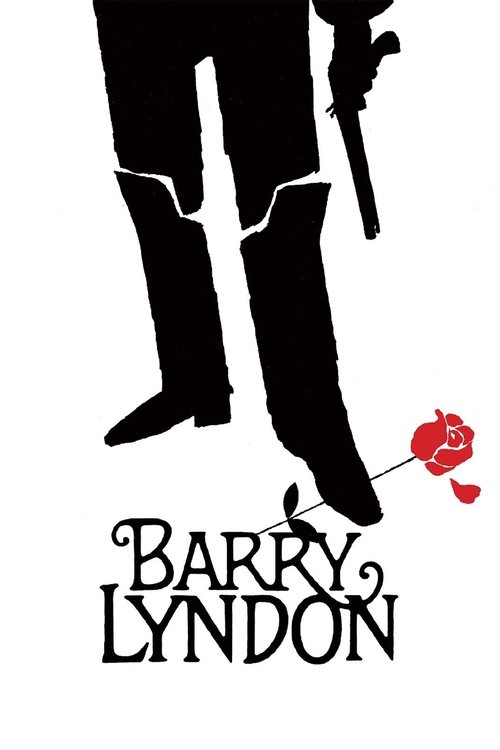
Barry Lyndon1975
Kubrick's 18th-century epic uses painting-like cinematography to explore fate, ambition, and chance during wartime. Same fascination with how history moves through individual lives.
But It's glacially paced and deliberately artificial. Some viewers find it beautiful but emotionally remote and difficult to engage with.
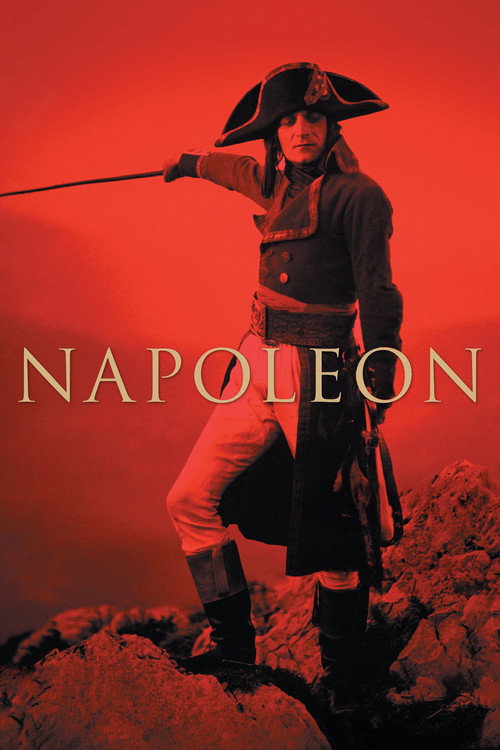
Napoleon1927
Abel Gance's silent masterpiece covers the same era from the French side with visionary technique that influenced all historical epics after it. A direct aesthetic ancestor of Bondarchuk's approach.
But It's nearly five hours and silent—a significant commitment. The intricards of 1920s filmmaking may feel antique to modern viewers.
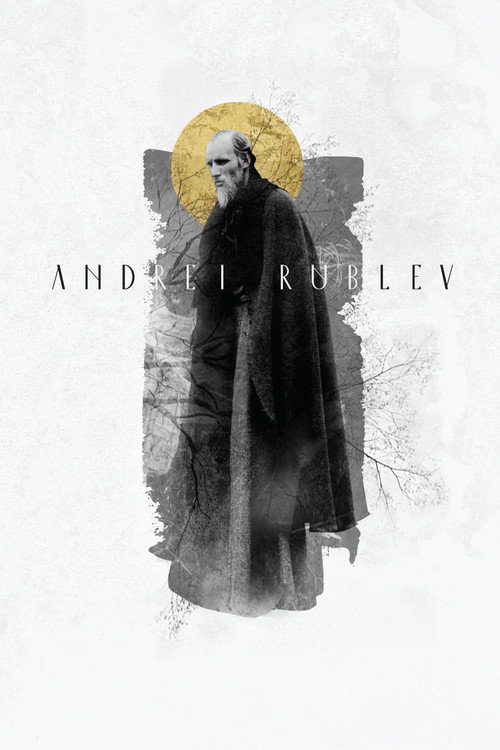
Andrei Rublev1966
Tarkovsky's Russian contemporary explores faith, art, and suffering across centuries with philosophical depth matching War and Peace's spiritual questioning. Profound meditation on meaning during chaos.
But It's slow, abstract, and demands patience. There's no plot in the conventional sense; it requires you to meet it halfway.
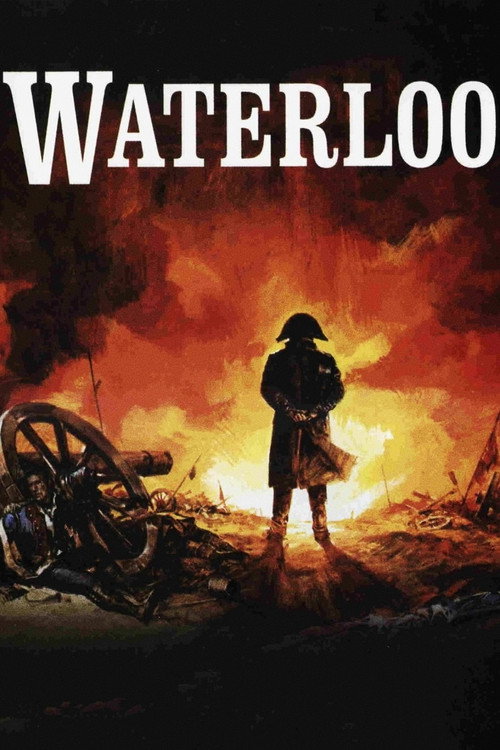
Waterloo1970
Bondarchuk himself directed this companion piece covering Napoleon's final battle with equally staggering logistics and battle sequences. Same director, same ambition, cleaner narrative.
But It lacks War and Peace's romantic and philosophical depth. As a pure war film, it can feel one-note after the novel's complexity.
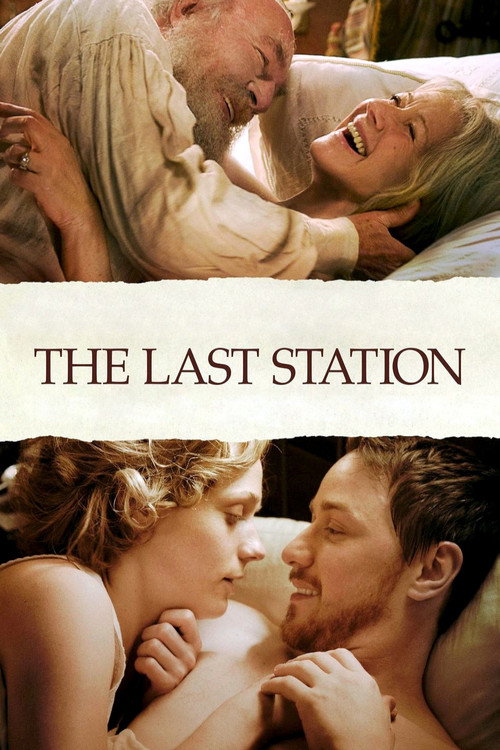
The Last Station2009
Christopher Plummer as aging Tolstoy meditates on love, faith, and legacy. A smaller, more intimate film about Tolstoy's own moral reckoning—the inverse angle on the same Russian soul.
But It's a late-career biopic that can feel conventional. Some find Plummer's performance overly theatrical for such a chamber piece.
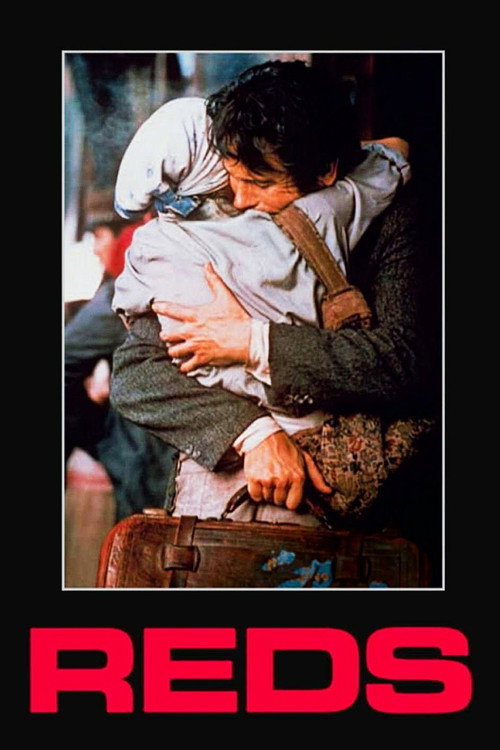
Reds1981
Warren Beatty's three-hour epic explores love and ideology during revolutionary upheaval. Grand in scope and emotion, unafraid of mixing personal passion with historical stakes.
But It's deeply of its 1980s moment politically. The American perspective on revolution may feel remote from Tolstoy's Russian moral universe.
Sunrise: A Song of Two Humans1927
Both films use the historical or formal moment to strip away social pretense and expose raw human emotion. Both ask whether individuals can survive intact when swept into larger forces.
Murnau's silent German film is the spiritual precursor to War and Peace's central tragedy: two people torn between duty and passion, between society's demands and the heart's rebellion. Smaller scale, equivalent emotional devastation.
But It's silent and formal by modern standards. The acting style is expressionistic and distant from contemporary naturalism; it requires adjustment.

The Leopard1963
Both films treat historical change as a force that moves through personal lives rather than around them. Both are elegies for aristocratic worlds photographed with such beauty you mourn them even as you see their corruption.
Visconti's Sicilian epic watches aristocratic life dissolve during political upheaval with the same unhurried, painterly eye Bondarchuk brings to Russian society. Burt Lancaster's resignation mirrors the tragic acceptance of Andrei and Pierre.
But It's 205 minutes of Sicilian formality and acceptance of decline. The political content is remote; it's about atmosphere and inevitability rather than drama.

People
Cast
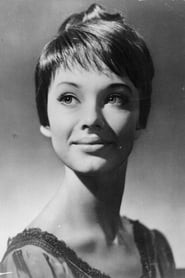 Ludmila SavelyevaNatasha Rostova
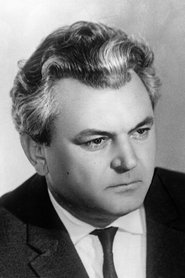 Sergei BondarchukPierre Bezukhov
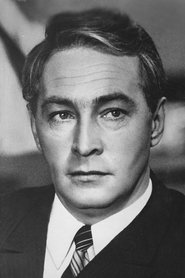 Vyacheslav TikhonovAndrei Bolkonsky
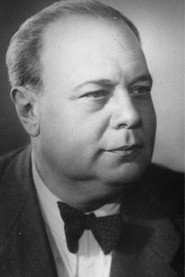 Viktor StanitsynIlya Andreyevich Rostov
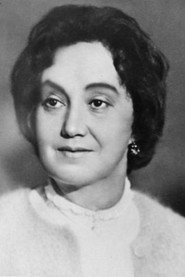 Kira GolovkoCountess Rostova
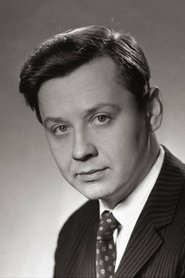 Oleg TabakovNikolai Rostov
 Nikolay KodinPetya Rostov
 Sergei YermilovPetya Rostov
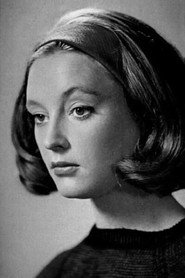 Irina GubanovaSonya
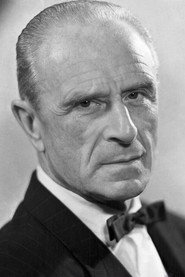 Anatoli KtorovNikolai Andreyevich Bolkonsky
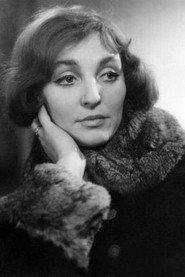 Antonina ShuranovaPrincess Mariya
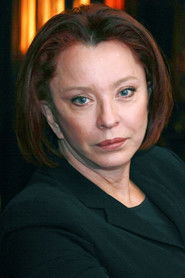 Anastasiya VertinskayaLisa Bolkonskaya
Directing
- G. BabichevaAssistant Director
- Nikolai AparinAssistant Director
- V. NikolskayaAssistant Director
- Vasiliy BadayevAssistant Director
- Vladimir DostalAssistant Director
- Sergei BondarchukDirector
- A. AlyoshinFirst Assistant Director
- A. PetrovFirst Assistant Director
- Adiba Shir-AkhmedovaFirst Assistant Director
- Anatoli ChemodurovFirst Assistant Director
- Anatoliy GolovanovFirst Assistant Director
- Tatyana LikhachyovaFirst Assistant Director
Writing
- Leo TolstoyNovel
- Sergei BondarchukScreenplay
- Vasiliy SolovyovScreenplay
Production
- Grigory MeerovichExecutive Producer
- Nikolai IvanovExecutive Producer
- Viktor TsirgiladzeExecutive Producer