
Film
Napoleon
Other titles called Napoleon: the 2002 series (France 2), the 2023 film.
Abel Gance's 1927 silent epic is cinema as conquering army—a technical marvel that rewrites what film language can do. Seven hours of Napoleon's rise, told through inventive montage, revolutionary camera work, and a scope that makes most modern productions look timid. For those who believe cinema can be as ambitious as history itself.
Should you watch it?
Watch it if you are drawn to silent cinema pushed to its most restless extremes, where camera movement, rapid editing and multiple screens turn a history lesson into something closer to a fever dream.
Skip it if you want a tidy, linear biography, since the sprawl of revolutionary factions and the sheer length can feel overwhelming, and the acting leans on big theatrical gestures.
What it asks of you: Expect over seven hours, with long stretches of rapid, overlapping montage that asks you to keep pace with the image rather than a neat story.
Not sure? Find tonight's pick in a minute.
If you liked this
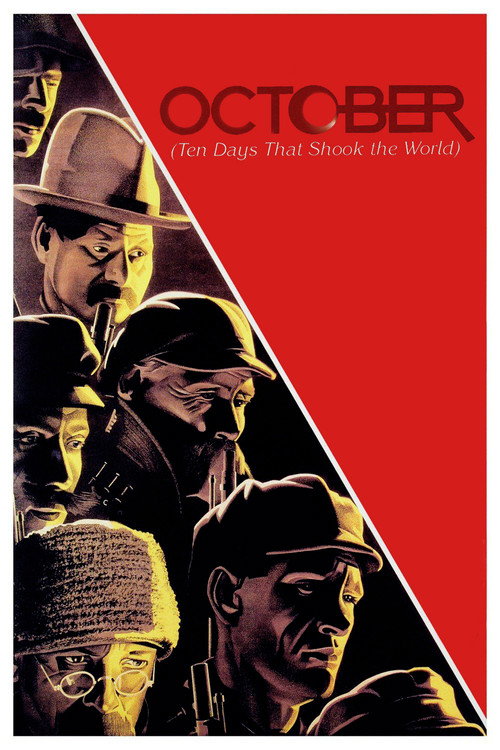
October (Ten Days that Shook the World)1928
Sergei Eisenstein's revolutionary Soviet epic uses editing itself as a weapon—montage that generates meaning through collision. A direct contemporary of Napoleon, equally audacious about what cinema language can express.
But Agitprop art, uncompromising in form and ideology. If you want narrative clarity or emotional accessibility, this offers neither.
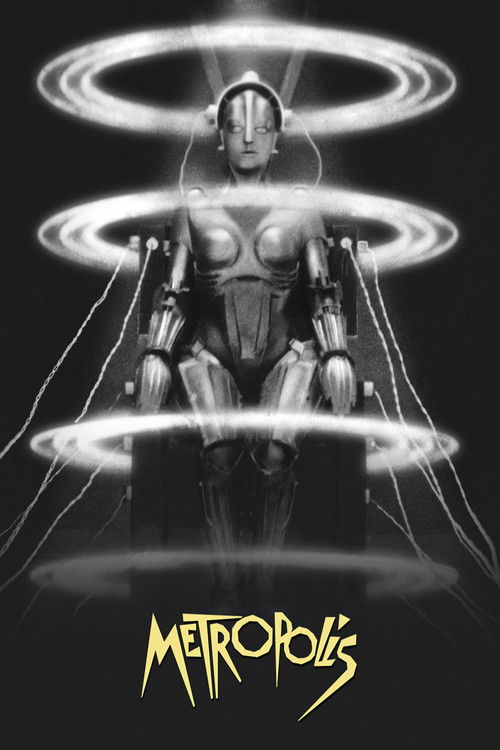
Metropolis1927
Fritz Lang's futuristic vision matches Napoleon's technical innovation year for year. Stunning imagery, ambitious scope, and a fascination with how spectacle and power intersect. Pure cinema ambition.
But The restored version is still fragmented, and the story—class conflict wrapped in melodrama—can feel quaint compared to its visual grandeur.
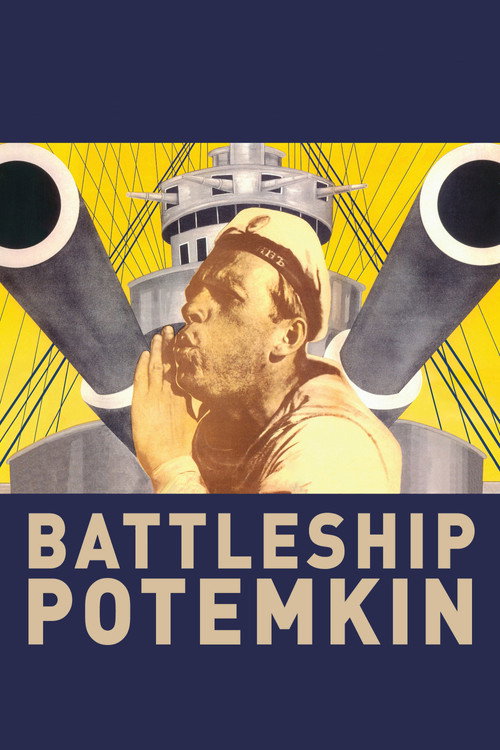
Battleship Potemkin1925
Eisenstein's earlier masterpiece perfects the montage technique that would define 1920s cinema. The Odessa Steps sequence alone justifies the viewing. Shorter and more direct than Napoleon, but equally revolutionary.
But Silent film literacy required. If montage-driven editing feels cold to you, this won't warm up.
Not sure tonight? Get a pick in a minute, starting from Napoleon
The wildcard
Something you would not have found on your own.
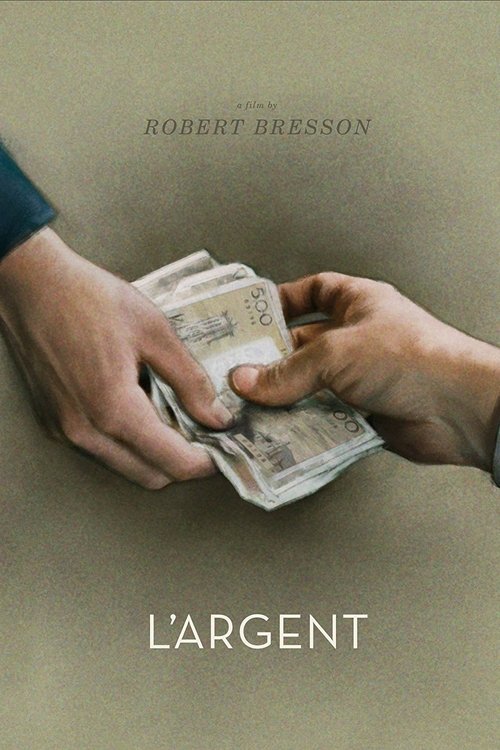
L'Argent1983
Both films are obsessed with showing us *how power works* rather than just illustrating it. Gance uses movement and montage; Bresson uses stillness and repetition. Opposite methods, identical philosophical commitment to cinema as a tool for seeing structure.
Robert Bresson's late masterpiece about money circulating through society as fate and poison. Completely different from Napoleon—spare, austere, modern—but equally convinced that cinema can render invisible forces visible. A meditation on power without spectacle.
But Bresson's rigorous style can feel cold. Minimal acting, no music, meticulous composition. If you love Gance's dynamism, this asceticism might feel punitive.
More like this (5)
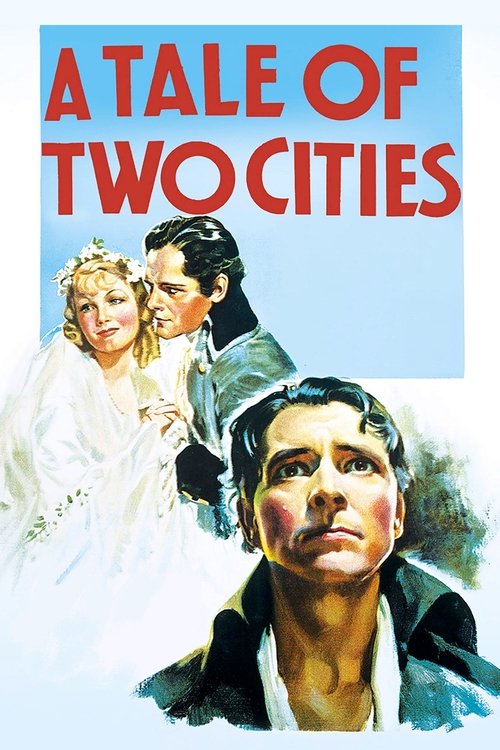
A Tale of Two Cities1935
The best sound-era dramatization of the French Revolution's chaos and human cost. Ronald Colman gives a towering performance, and the period detail is vivid without Gance's abstraction. If you want revolution but with narrative anchor.
But It's a Hollywood picture, so expect romance and melodrama to compete with history. The revolutionary fervor feels genteel compared to Gance.
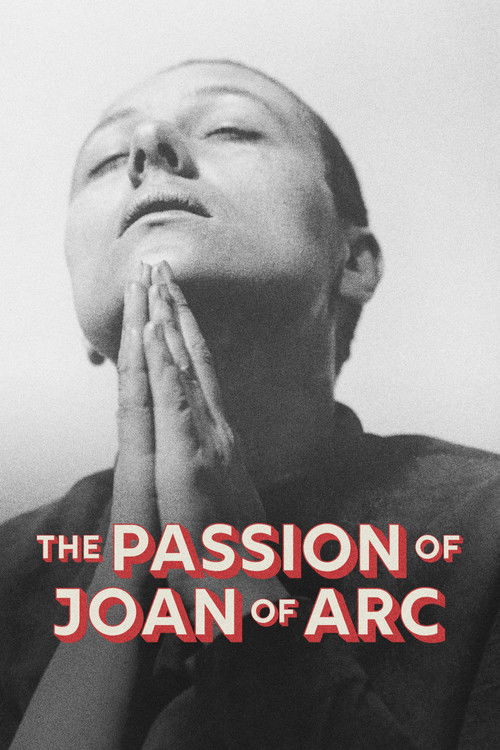
The Passion of Joan of Arc1928
Carl Theodor Dreyer's silent masterpiece uses close-ups and stillness where Gance uses movement. A portrait of another French icon, equally committed to cinema as art form. Hypnotic and devastating.
But Glacially paced and claustrophobic. One woman's face for eighty minutes—beautiful, but not everyone wants that kind of intensity.
The Phantom Carriage1921
Victor Sjöström's Swedish ghost story shows what silent cinema could achieve beyond spectacle—psychological depth through performance and visual poetry. Proof that the era's technical innovation served human stories.
But Supernatural melodrama dressed in moral philosophy. If you don't connect with Sjöström's mystical register, it can feel overwrought.

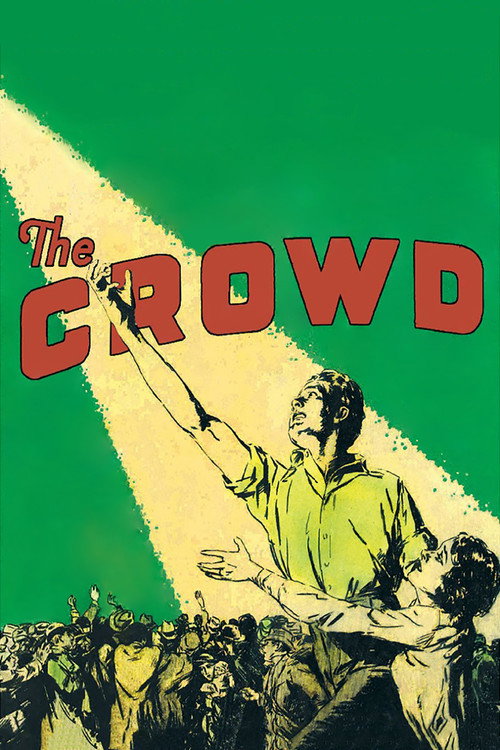
The Crowd1928
King Vidor's intimate epic about an ordinary man in modern America. A counterpoint to Napoleon's historical scale—how cinema creates meaning from everyday life rather than emperors and revolutions.
But Its modesty can read as slowness. After Gance's kinetic vision, watching someone struggle with a job application might feel anticlimactic.
Chinese Zodiac2012
Both use monumental length and technical mastery to make a legendary historical figure present—but Napoleon assumes photography reveals truth, while Opera assumes stylization does. They're opposite answers to the same question: how do you make history live on stage or screen?
A recording or live capture of Beijing Opera—*The Monkey King* or similar. Radically different language for history and spectacle: gestural rather than photographic, symbolic rather than representational. What if Gance had made Napoleon in total stylization instead of realism?
But Not cinema at all—it's theater. The theatrical codes are non-Western and can feel impenetrable if you don't bring patience. And it's *long*, like Gance, but in a completely different register.
People
Cast
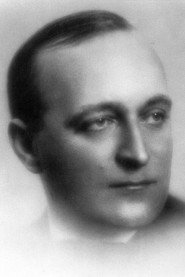 Albert DieudonnéNapoléon Bonaparte
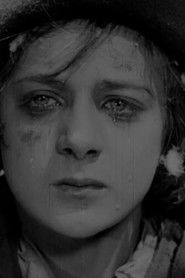 Nicolas RoudenkoNapoléon Bonaparte (Child)
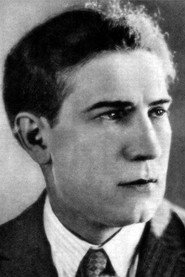 Edmond van DaëleMaximilien Robespierre
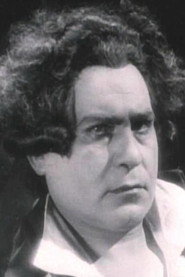 Alexandre KoubitzkyGeorges Jacques Danton
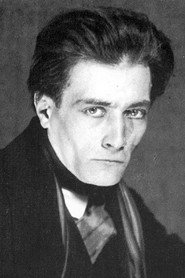 Antonin ArtaudJean-Paul Marat
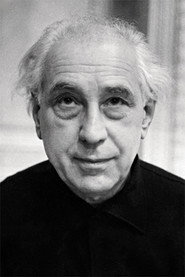 Abel GanceLouis Antoine Léon de Saint-Just
- Gina ManèsJoséphine, Viscountess of Beauharnais
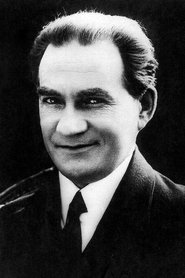 Nicolas KolineTristan Fleury
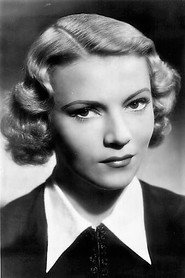 AnnabellaVioline Fleury / Bernardine Eugénie Désirée Clary
- Marguerite GanceCharlotte Corday
- Yvette DieudonnéÉlisa Bonaparte
- Eugénie BuffetLetizia Bonaparte
Directing
- Alexandre VolkoffAssistant Director
- Anatole LitvakAssistant Director
- Georges LampinAssistant Director
- Henri AndréaniAssistant Director
- Henry KraussAssistant Director
- Jean ArroyAssistant Director
- Jean MitryAssistant Director
- Mario NalpasAssistant Director
- Pierre DanisAssistant Director
- Sacher PurnalAssistant Director
- Viktor TourjanskyAssistant Director
- Abel GanceDirector
- Simone SurdieuxScript Supervisor
Writing
- Abel GanceWriter
Production
- Louis OsmontCasting
- Henry de CazotteProducer
- Hugo StinnesProducer
- WengeroffProducer
- Edouard de BersaucourtProduction Manager
- Noë BlochProduction Manager
- Constantin GeftmanUnit Manager
- Rene RuflyUnit Manager
- William DelafontaineUnit Manager
- Louis OsmontUnit Production Manager
Recommended by
Alexander, Henry V, The Loves of Pharaoh, Sharpe's Rifles, The Last Days of Pompeii, Joan the Woman, Salammbô, War and Peace