
Film
The Last Days of Pompeii
Other titles called The Last Days of Pompeii: the 1935 film, the 1959 film.
A silent epic of Pompeii's final hours, rendered in hand-tinted colour with 1920s ambition and spectacle. Two lovers navigate the city's collapse while Vesuvius darkens the sky. It's a technological showcase—early cinema proving what it could do—and a genuinely moving catastrophe film beneath the grandeur. For anyone curious about silent cinema's reach or smitten with disaster stories told at maximum scale.
Should you watch it?
Watch it if you love big silent spectacle, where sets, crowds and tinted colour do the storytelling and a love story rides along on the sheer scale of it.
Skip it if you need quick cuts and dialogue-driven drama, since this moves at a stately, theatrical clip and its acting leans broad by modern standards.
What it asks of you: Roughly three hours and a quarter of patience, with silent-era pacing that lingers on crowds, sets and faces rather than hurrying toward plot.
Not sure? Find tonight's pick in a minute.
If you liked this
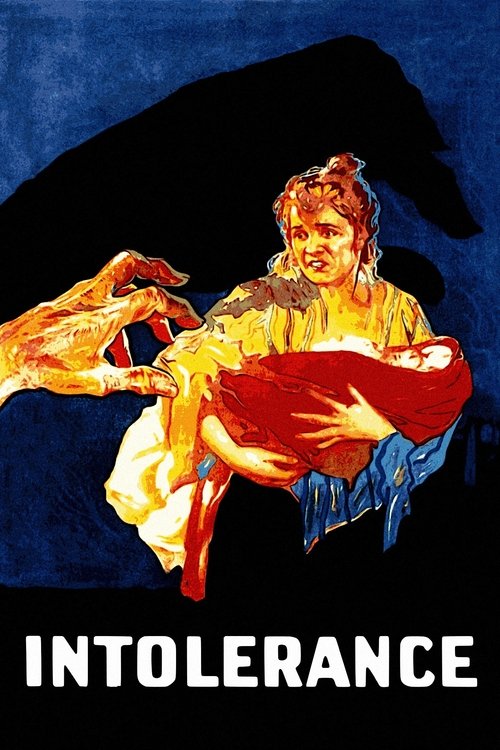
Intolerance: Love's Struggle Throughout the Ages1916
D.W. Griffith's four-era epic in parallel. Like Pompeii, it's silent ambition at its most delirious, with crowds, architecture, and human stories dwarfed by historical forces. A masterclass in what early cinema could attempt.
But At three hours and structurally complex, it demands patience. The historical politics are knotty and the pacing glacial by modern standards.
Nosferatu1922
German Expressionism meeting apocalypse. Like Pompeii, it uses tint and shadow to conjure dread, and builds to a city-wide cataclysm. Pure silent cinema craft, deeply unsettling.
But The vampire narrative feels remote compared to Pompeii's human scale. It's also genuinely bleak—no romantic reprieve in sight.

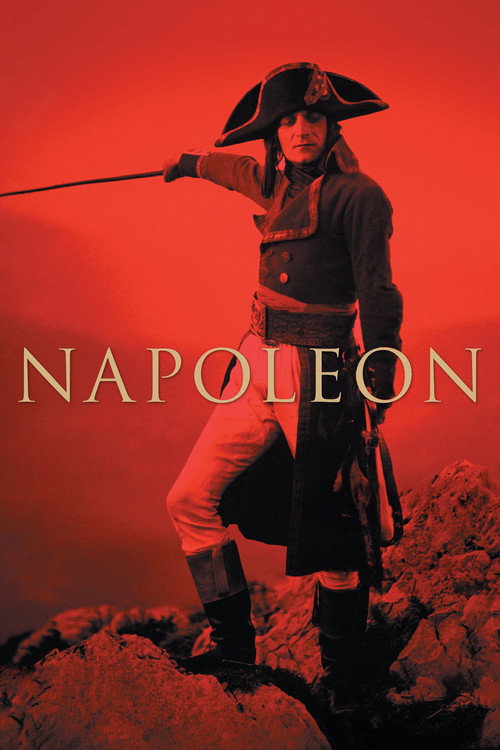
Napoleon1927
Abel Gance's five-hour silent colossus, full of technical innovation and sweeping historical vision. It shares Pompeii's faith in scale and spectacle, and its restoration is equally revelatory. A monument to what the medium could do.
But Glacially slow by modern standards, and Napoleon's legend feels more remote than Pompeii's immediate human stakes. Very long commitment.
Not sure tonight? Get a pick in a minute, starting from The Last Days of Pompeii
The wildcard
Something you would not have found on your own.
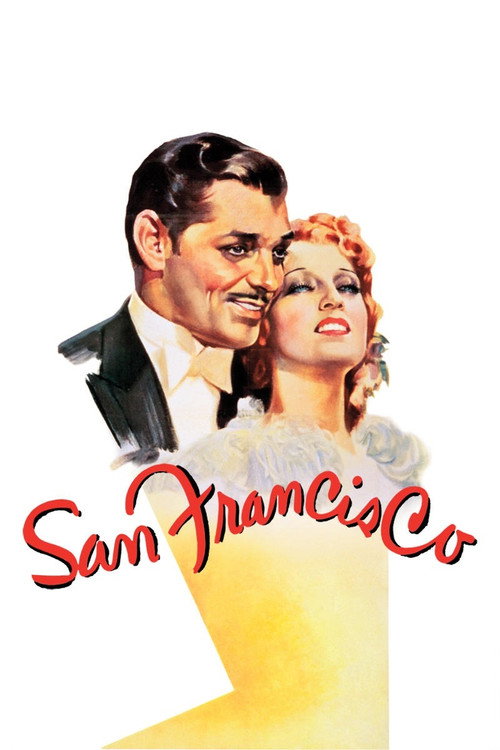
San Francisco1936
Both are city-destruction love stories made decades apart. San Francisco proves how Pompeii's DNA evolved when cinema got sound—the spectacle remained, but intimacy became easier.
A sound-era disaster film about the 1906 earthquake, with opera, spectacle, and genuine romance. It takes Pompeii's template—lovers separated by catastrophe, a city collapsing in real time—but adds music, dialogue, and Gable. The bridge between silent and modern cinema.
But The dialogue and performances are stagey by modern standards. The emotional beats feel overwrought and the racial attitudes are cringe-inducing.
More like this (7)
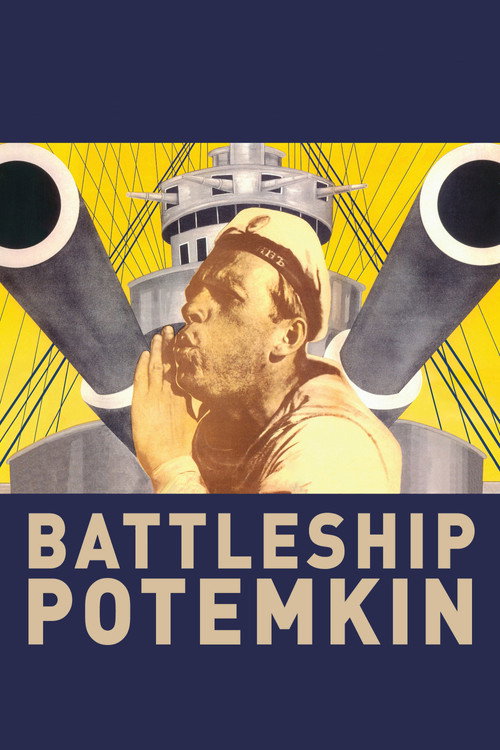
Battleship Potemkin1925
Eisenstein's revolutionary montage technique creates catastrophe through editing rather than effects. Like Pompeii, it's about a city in collapse, but the chaos is ideological and political. Endlessly influential and viscerally powerful.
But The Soviet propaganda agenda is unmistakable. The editing style, while innovative, can feel clinical compared to Pompeii's emotional warmth.
The Phantom Carriage1921
Swedish gothic using double exposure and tinting to conjure the supernatural. It shares Pompeii's technical ambition and moral weight—a ghost story about death and redemption that feels deeply earned.
But Slow, contemplative, and emotionally heavy. There's no spectacle to hang onto if you want purely visual thrills.

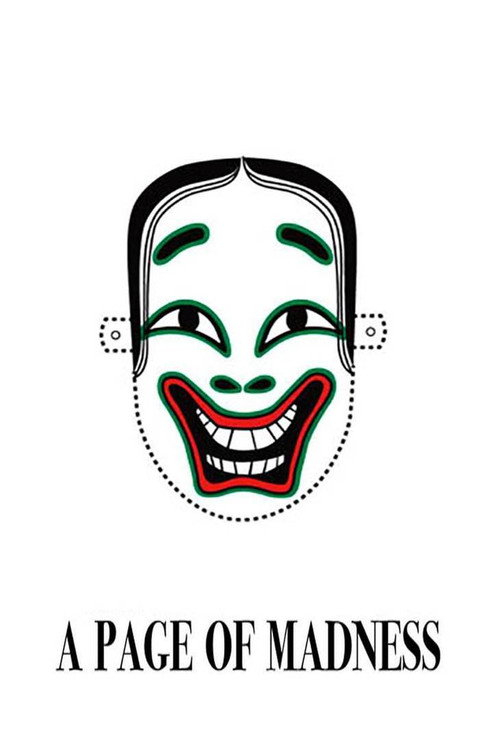
A Page of Madness1926
Japanese experimental silent film using abstraction and visual distortion to depict mental collapse. Made the same year as Pompeii, it proves silent cinema's range—intimate chaos rather than historical epic.
But Deliberately disorienting and narratively opaque. If you want clarity and spectacle, this goes the opposite direction entirely.
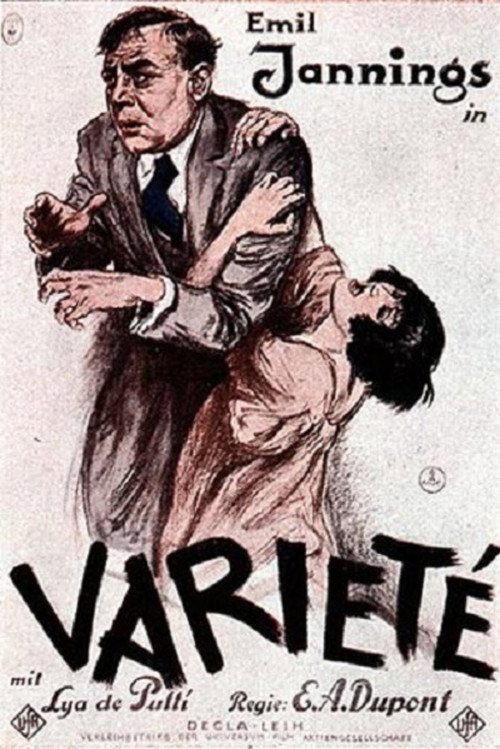
Variety1925
German film about trapeze artists, famous for its innovative camera work and visual dexterity. Like Pompeii, it's a technical showcase that's also a genuine love story. Visually intoxicating.
But The backstage melodrama feels thin compared to Pompeii's historical weight. The trickery can overshadow the emotional stakes.
Man with a Movie Camera1929
Dziga Vertov's avant-garde documentary about a Soviet city through the day. Like Pompeii, it's a city symphony, but real and built through montage rather than narrative. A radical rethinking of what cinema could capture.
But No plot, no characters, purely visual. If you need story and emotion, this is pure form—exhilarating for some, frustrating for others.

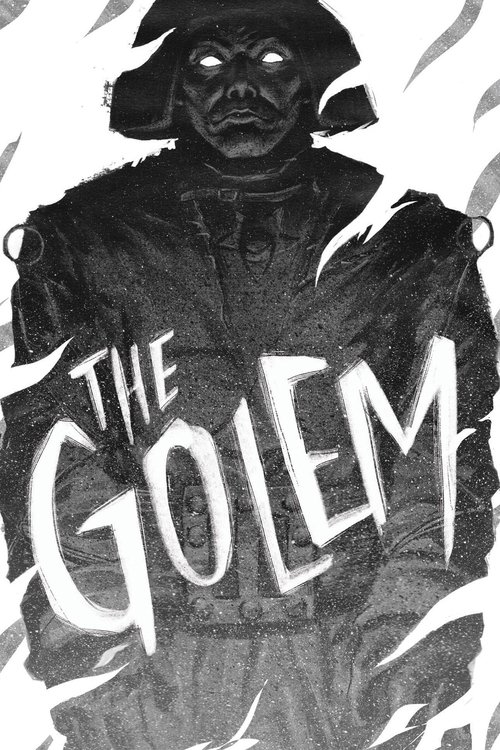
The Golem: How He Came into the World1920
Czech expressionist horror about a clay giant awakening. It shares Pompeii's hand-tinted colour, gothic mood, and the theme of unstoppable force destroying a city. Atmospheric and genuinely creepy.
But The pacing is deliberate and the monster barely appears. If you want constant action, you'll find long stretches of mood-building tedious.
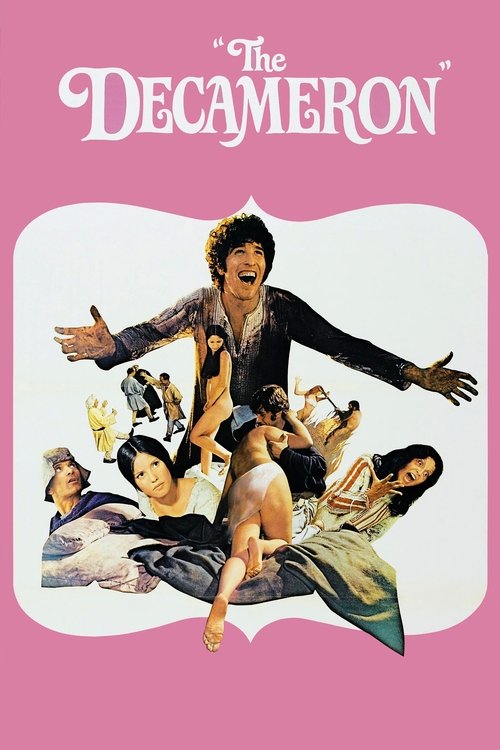
The Decameron1971
Both films stage civilisation's collapse through colour and spectacle, but Pompeii mourns beauty while Decameron celebrates flesh. They're opposite answers to the same catastrophe.
Pasolini's bawdy, painterly adaptation of Boccaccio, set during the Black Death. Like Pompeii, it's a city emptying as plague arrives, but told through carnality and grotesque comedy rather than romance. Visually sumptuous, morally anarchic, completely alive.
But Sexually explicit and graphically violent. Pasolini's framing often treats bodies as compositions rather than characters—beautiful and alienating at once. Not for prudish or squeamish viewers.
People
Cast
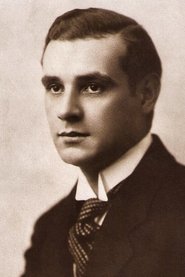 Victor VarconiGlauco
 Rina De LiguoroIone
 María CordaNydia
 Bernhard GoetzkeArbace
 Emilio GhioneCaleno
- Lia MarisJulia
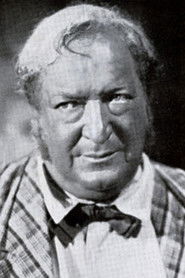 Gildo BocciDiomede
Directing
- Amleto PalermiDirector
- Carmine GalloneDirector
Writing
- Alfredo PanziniWriter