
Film
Variety
A 1925 German expressionist crime drama where a freed convict recounts the crimes and passions that destroyed his life. Silent, visually inventive, and psychologically raw, it captures the underworld moral chaos of Weimar Berlin through performance and shadow rather than dialogue. Essential cinema for anyone curious how filmmakers told complex stories before sound.
Should you watch it?
Watch it if you love silent films whose camera does the talking, where a confession of a crime becomes a restless study of desire and the bright, dangerous world of the variety stage.
Skip it if you need restless patience with a 104-minute silent picture, where intertitles pause the action and the acting is broad, heightened and theatrical, not naturalistic.
What it asks of you: Settle in for a patient, slow build told through glances and gestures, with a mood that darkens steadily rather than lurching.
Not sure? Find tonight's pick in a minute.
If you liked this
Nosferatu1922
The definitive silent horror film, with visual sophistication and dread that still unsettles. If you're exploring German expressionism's dark side, this is where the movement's shadows deepest took root.
But The pacing is deliberate; modern viewers sometimes find it slow, and the dated special effects won't unsettle you the way they did in 1922.

M1931
Fritz Lang's masterpiece about a serial killer hunted through Berlin. Morally complex, thrillingly shot, and it proves silent cinema could tackle psychological depth better than most talkies manage.
But Made just after sound arrived, so the transition feels awkward in places. The subject matter—child murder—is heavy and disturbing throughout.

Metropolis1927
Lang's towering sci-fi epic with production design that still stuns. If you want to see what silent cinema could attempt technically and thematically, this is the benchmark.
But The plot simplifies into melodrama and the pacing sags in the second half. The restored version is long, and not all of it sings.

Not sure tonight? Get a pick in a minute, starting from Variety
The wildcard
Something you would not have found on your own.
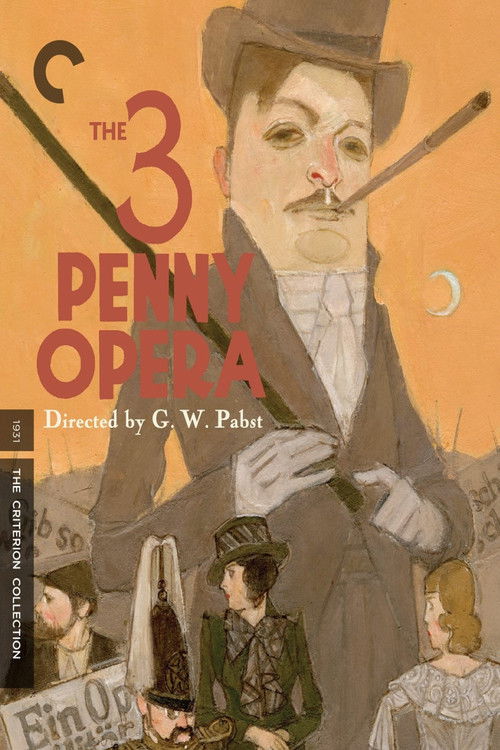
The Threepenny Opera1931
Both are Weimar-era German dissections of criminality, vice, and the brutality hiding beneath urban surfaces. Variety shows the silent version of this moral reckoning; Threepenny Opera sings it.
Pabst filmed Brecht and Weill's stage work weeks after it opened. It's operatic crime drama about the same Berlin underworld, same moral decay, but through music and theatrical language. Florian Sands and Carola Neher are electric.
But The sound design is primitive and often muffles the songs. The theatrical artifice will feel mannered if you're expecting naturalism, and some Brecht still doesn't travel well.
More like this (7)
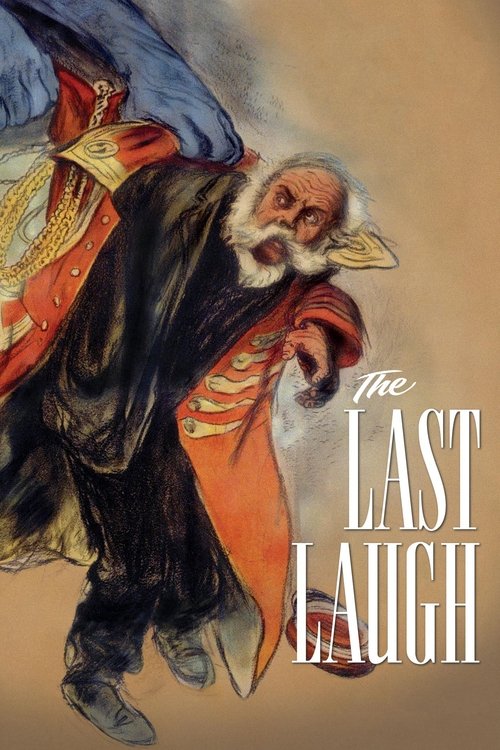
The Last Laugh1924
F.W. Murnau's emotional gut-punch about a hotel porter's dignity stripped away. Pure cinema—no title cards could carry this; it's all performance and camera movement.
But The story is thin and the ending feels tacked on. Without strong emotion for the protagonist, it plays as a sketch rather than a complete thought.
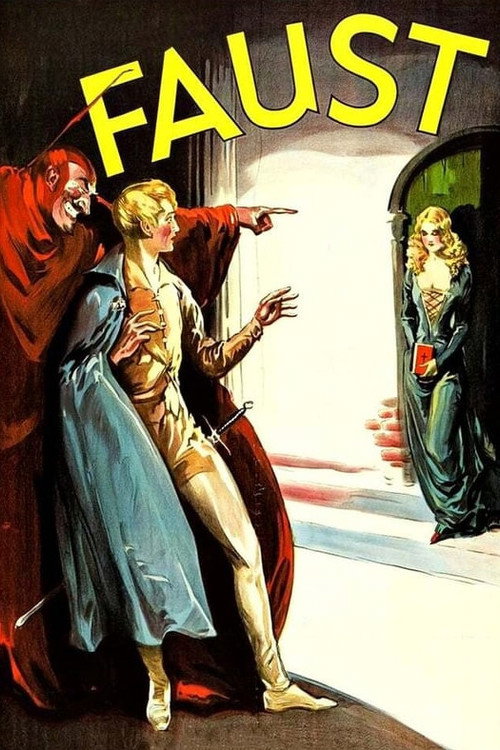
Faust1926
Murnau again, adapting Goethe with baroque visual richness and genuine supernatural terror. The production design alone justifies the two hours.
But The middle section drags; the Faust legend doesn't compress neatly into silent film, and some resolutions feel rushed.
Pandora's Box1929
G.W. Pabst's portrait of a woman whose sexuality destroys men around her. Lulu is magnetic and tragic, and the film moves with real intelligence about desire and consequence.
But The sexual content is implied rather than shown, which can make the melodrama feel overwrought to modern eyes. Pacing occasionally stutters.

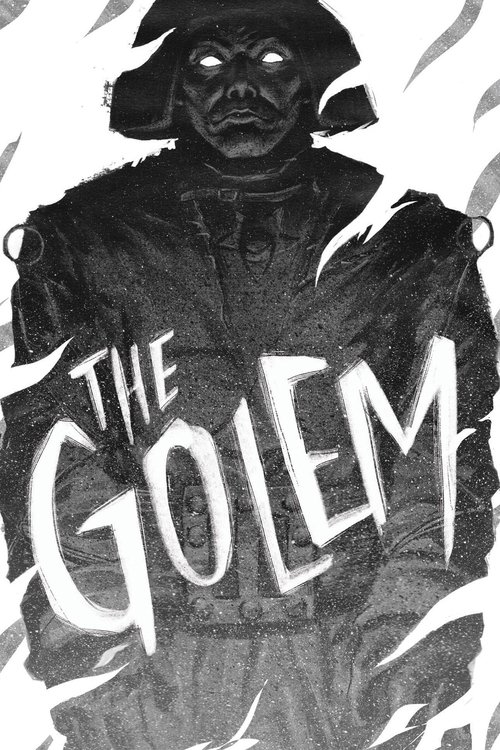
The Golem: How He Came into the World1920
A Prague legend becomes visual horror—shadowy, claustrophobic, and unearthly. It's where German expressionism learned to make the supernatural feel present.
But The plot is skeletal and the pacing assumes audience patience with mood over action. Some sequences feel static now.
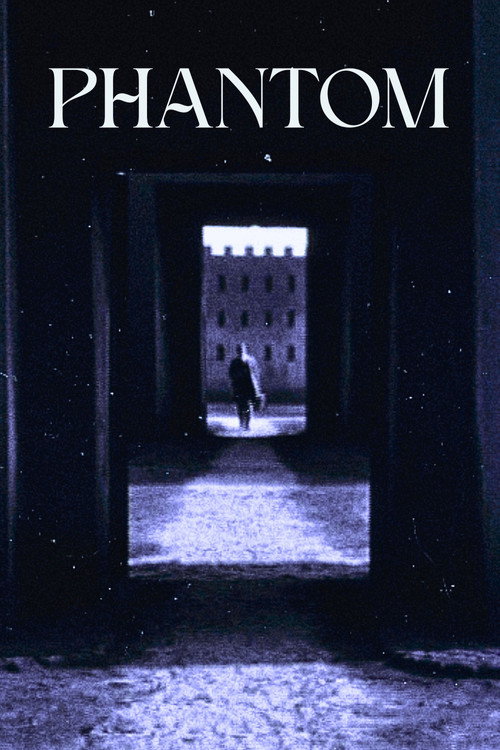
Phantom1922
F.W. Murnau's lesser-known gem about obsession and urban anonymity. Visually inventive and morally murky in ways that feel modern.
But It's genuinely obscure—hard to find and the narrative logic dissolves toward the end. Most people won't have heard of it.
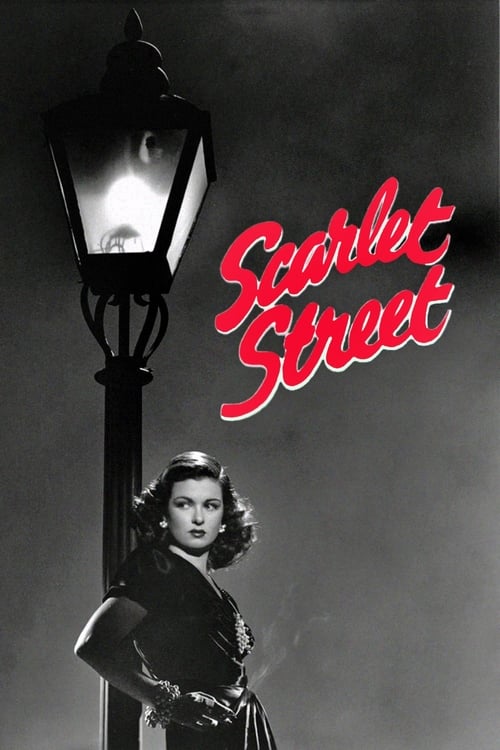
Scarlet Street1945
Lang's spiritual continuity with himself: he fled Nazi Germany and carried the same visual language and obsessions into American crime cinema. Same DNA, different country.
Fritz Lang remakes and reimagines his Weimar fixations—crime, passion, the powerlessness of decent men—but does it in American noir with Edward G. Robinson. It's expressionism transplanted and made talkie, proving the style survived the era.
But The American plot mechanics feel tighter and less psychologically raw than the German originals. It prioritizes plot over the fog of moral confusion you get in silent Weimar cinema.
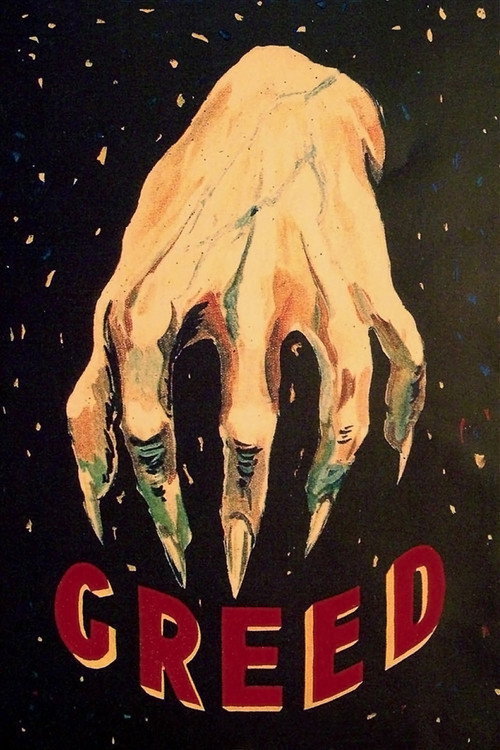
Greed1924
Both are silent epics about how desire—for money, for women, for survival—corrodes character. Both are structured as confessions or reckonings with a ruined life. Both trust cinema to say what dialogue cannot.
Erich von Stroheim's American silent masterpiece about money destroying people. Shot with documentary realism and psychological intensity—it's the thematic cousin to Variety, proving that German expressionist ideas took root everywhere.
But It's extremely long even in the edited version, and the emotional repetition becomes exhausting. The realism means no stylistic compensation when the pacing sags.
People
Cast
 Emil JanningsBoss Huller
 Maly DelschaftFrau Huller
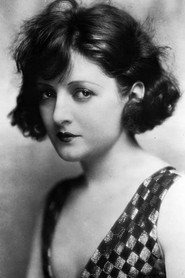 Lya De PuttiBertha-Marie
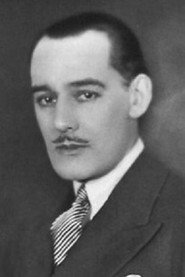 Warwick WardArtinelli

 Georg JohnSeemann
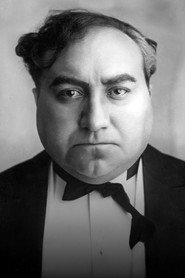 Kurt GerronHafenarbeiter
 Paul RehkopfZuschauer auf dem Jahrmarkt
- Charles LincolnSpanischer Artist
 Trude HesterbergZuschauerin im Varieté
Directing
- E.A. DupontDirector
Writing
- Felix HollaenderNovel
- E.A. DupontScreenplay
Production
- Erich PommerProducer
Recommended by
The Last Command, The Italian Straw Hat, Diary of a Lost Girl, Dr. Mabuse, the Gambler, The Cave of the Silken Web, The Seashell and the Clergyman, The Wedding March, Foolish Wives, The Pleasure Garden, Hotel Imperial, Thérèse Raquin, The Loves of Pharaoh, The Waltz Dream, The Last Days of Pompeii, La Bohème, Street Angel, The Exquisite Sinner, Lovers, The Divine Woman, The Ace of Cads, The Reckless Age, Atlantis, Madame DuBarry, Old San Francisco, The Student Prince in Old Heidelberg, Innocents of Paris, The Dancer of Paris, Tabu: A Story of the South Seas, Cheap Kisses, Piccadilly, The Sting of the Lash, La Roue, L'assommoir, Gul-e-Bakavali, A Girl's Folly, Pagliacci, The Woman on Trial, The Telltale Heart, The Wrecker, The Spanish Dancer, The Lonedale Operator, The Love of Jeanne Ney, The Fight for the Matterhorn, The Docks of New York, The Play House