
Film
The Telltale Heart
- Drama
- Crime
- Psychological horror
- Very dark
A 1928 silent adaptation of Poe's masterpiece about a murderer undone by guilt. Shot with expressionist angles and mounting visual distortion, it's a tense psychological descent told almost entirely through Otto Matieson's face and the film's warping geometry. For anyone drawn to early cinema's formal inventiveness or the horror of conscience made visible.
Should you watch it?
Watch it if you are drawn to short, unsettling studies of a mind coming apart, where the camera's lopsided angles and fixation do the storytelling more than plot does.
Skip it if you want a story that moves, since this is a slow, stylized piece where mood and an obsessive monologue carry nearly everything and the pace barely lifts.
What it asks of you: Roughly twenty-four minutes, it wants your full eyes on the screen and patience with a deliberately unsteady, claustrophobic rhythm that tightens as the visitors linger.
Not sure? Find tonight's pick in a minute.
If you liked this
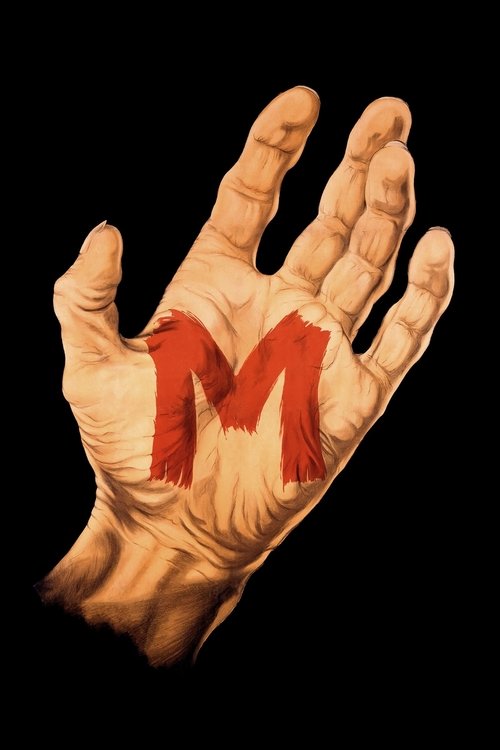
M1931
Fritz Lang's masterpiece about a child-killer hunted through Berlin, told with the same expressionist visual language and psychological intensity. The mounting dread and the killer's confession scene hit with comparable force.
But It's longer and denser than Telltale Heart, and the social commentary can feel heavy-handed. The pacing occasionally drags where the silent short stays taut.
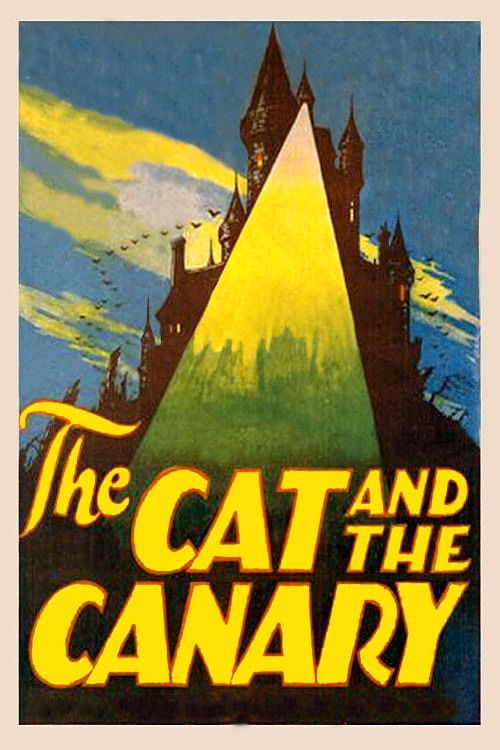
The Cat and the Canary1927
Paul Leni's haunted-house masterpiece uses distorted sets, shadows, and mounting hysteria in exactly the same register. A direct contemporary that proves silent cinema could do psychological horror with sophistication and style.
But It's partly a comedy-thriller, which diffuses the tension Telltale Heart maintains relentlessly. Some of the humor hasn't aged well.
Nosferatu1922
F.W. Murnau's vampire film deploys the same expressionist visual vocabulary to create dread through distorted spaces and shadows. Both films make the invisible—guilt, fear, obsession—visible through the camera itself.
But It's much longer and moves more slowly. The pacing is hypnotic rather than claustrophobic, which is a different kind of horror.

Not sure tonight? Get a pick in a minute, starting from The Telltale Heart
The wildcard
Something you would not have found on your own.
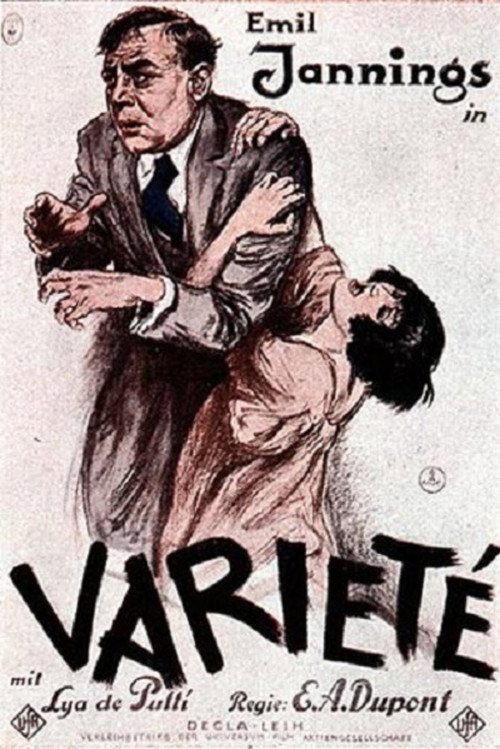
Variety1925
Both use extreme camera angles and spatial distortion to make internal psychological states visible; Variety proves this technique works across different genres and settings.
E.A. Dupont's backstage melodrama is shot with a restless, vertiginous camera that refuses to stay still—every frame tilted, angled, sliding. The same visual distortion as Telltale Heart, but applied to jealousy and desire in a circus setting. It's about murder too, but shot like a hallucination.
But The melodrama is earnest and the acting can feel overwrought. The circus setting makes it feel dated in a way Poe's story doesn't.
More like this (8)
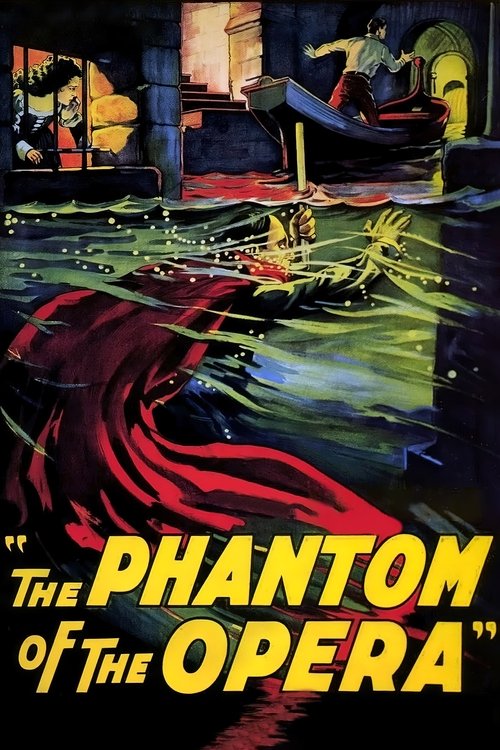
The Phantom of the Opera1925
Lon Chaney in a tale of obsession, secrecy, and the torment of harboring a dangerous truth. Like Telltale Heart, it's about a man whose inner corruption makes him grotesque to others, told through lavish production design.
But The romance subplot softens the psychological horror considerably. It's far more operatic and decorative than Telltale Heart's claustrophobic intimacy.
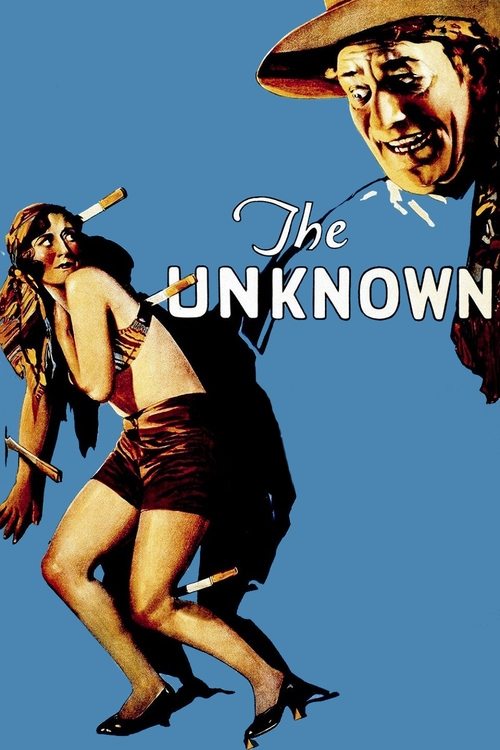
The Unknown1927
Lon Chaney again, but as a man with a terrible secret living in an armless illusion. Silent cinema's great study of how lies reshape us, told with the same mounting psychological tension as Poe.
But The plot twist is jarring and the ending sentimental by modern standards. It's more melodrama than psychological horror.
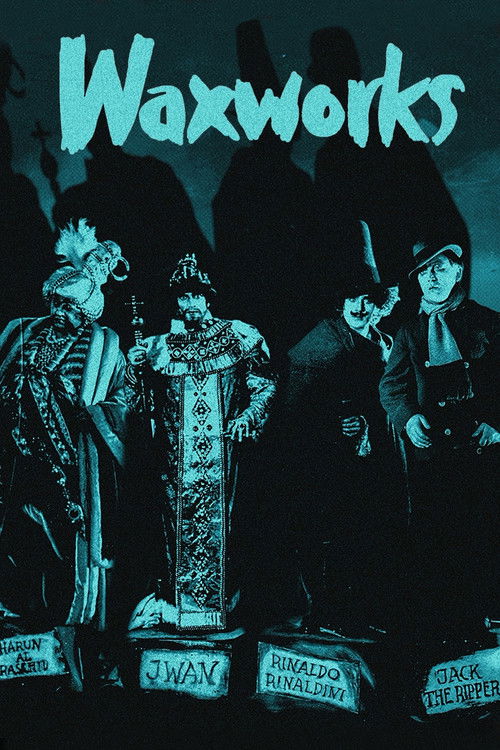
Waxworks1924
German expressionism at its most visually inventive—distorted sets, lurid lighting, and a descent into nightmare logic. Captures that same sense of reality warping under psychological pressure.
But It's a collection of sketches rather than a tight narrative, so the cumulative dread never quite matches Telltale Heart's focused intensity.
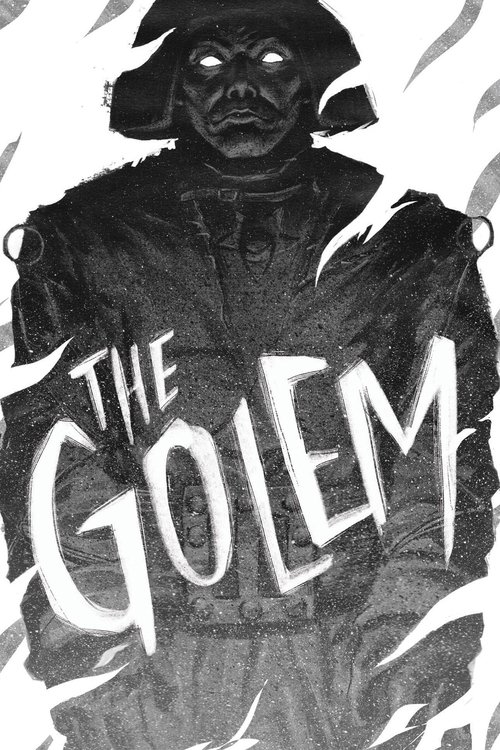
The Golem: How He Came into the World1920
Another Czech expressionist film about guilt and obsession, with the same warped architecture and shadows. A meditation on creation, responsibility, and the things we cannot control once we've made them.
But It's a period fantasy rather than psychological realism, so the horror reads as more mythic and less intimate than Telltale Heart.
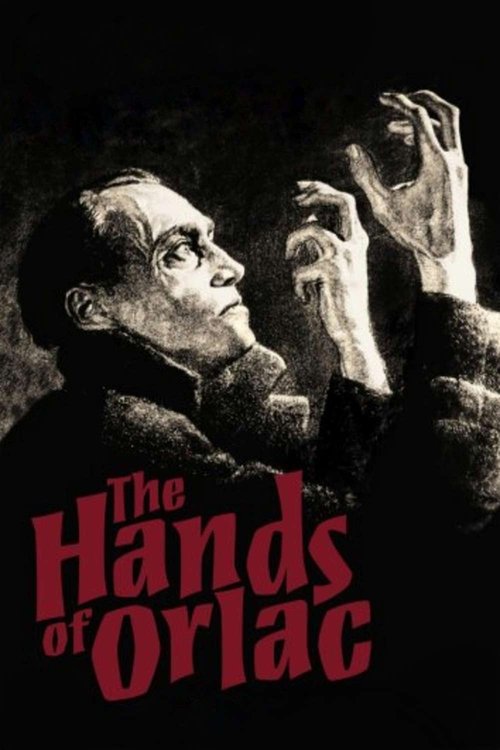
The Hands of Orlac1924
A man haunted by what his hands might do without his control—another expressionist study of guilt and internal disarray made visible. The psychological paranoia is as absorbing as the murder setup.
But The plot strains credulity and the ending feels forced. It doesn't maintain psychological coherence the way Telltale Heart does.
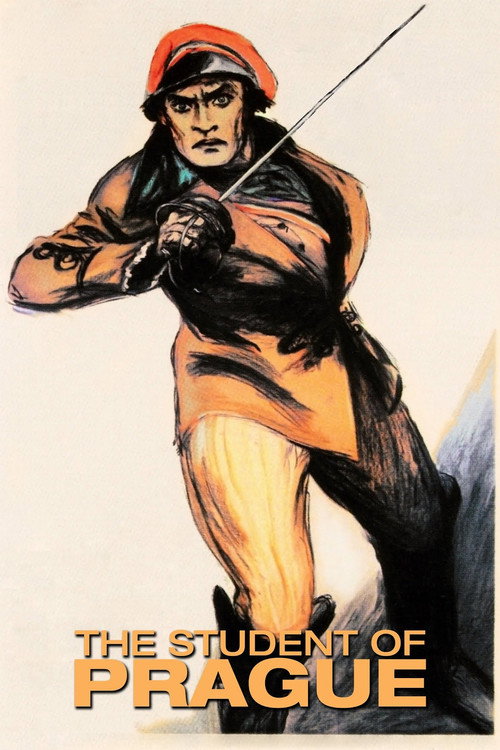
The Student of Prague1926
Stellan Rye's tale of a man undone by a doppelgänger he cannot escape, using expressionist geometry to literalize psychological torment. The same architecture of guilt and inescapable doom.
But The pacing is slow and the supernatural elements can feel overwrought. It's more gothic fantasy than intimate psychological horror.
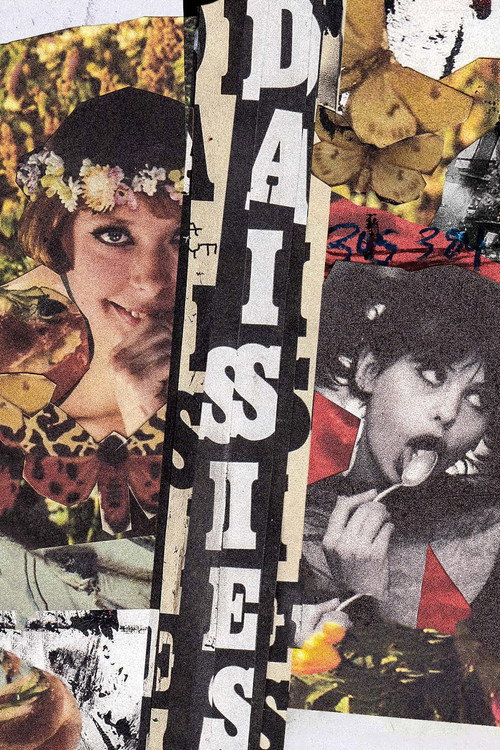
Daisies1966
Both films reject visual realism in favor of formal distortion to convey psychological and moral disorder; one does it through spatial warping, the other through temporal and chromatic fracture.
Vera Chytilová's Czech New Wave explosion uses rapid montage, solarization, color bursts, and discontinuous editing to visualize chaos and refusal. It's expressionism's descendant—the same impulse to make the mind visible, but through 1960s formal anarchy instead of shadows.
But It's deliberately chaotic and has no conventional plot. If you want narrative clarity and emotional linearity, this will infuriate you.
The Killing1956
Both are about guilt and paranoia following a murder, but one shows us the killer's interior collapse while the other shows us the crime's exterior ripples; they're inverse approaches to the same psychological territory.
Kubrick's racetrack noir uses fragmented, non-linear editing and detached narration to tell a murder story from multiple angles. Like Telltale Heart, it's about a crime and the paranoia that follows, but told backwards and sideways with Kubrick's clinical precision.
But It's austere and emotionally distant where Telltale Heart is intimate. The fragmented structure can feel like a puzzle rather than an experience.

People
Cast
 Otto MatiesonThe Insane
- William HerfordThe Old Man
 Hans FuerbergDetective
- Charles DarvasDetective
Directing
- Charles KleinDirector
- Leon ShamroyDirector
Writing
- Edgar Allan PoeShort Story
- Charles KleinWriter
Production
- Maurice BarberProducer