
Film
Daisies
A Czech New Wave bomb: two teenage girls wage anarchic war on the world around them through elaborate destruction and consumption, moving from pranks to philosophy to pure visual mayhem. Hypnotic, disorienting, hilarious, and genuinely unsettling. A film that feels dangerous.
Should you watch it?
Watch it if you like cheeky, collage-like anarchy where colour, cutting and mischief matter more than plot, and you enjoy the playful, rule-breaking spirit of the Czech New Wave.
Skip it if you need a story that moves forward, since this is a sequence of loosely linked episodes of pure provocation that can feel repetitive and wilfully messy.
What it asks of you: Brisk at seventy-six minutes, but it asks you to stay alert through restless, fragmented images and to let logic go, rather than follow a line.
Not sure? Find tonight's pick in a minute.
If you liked this
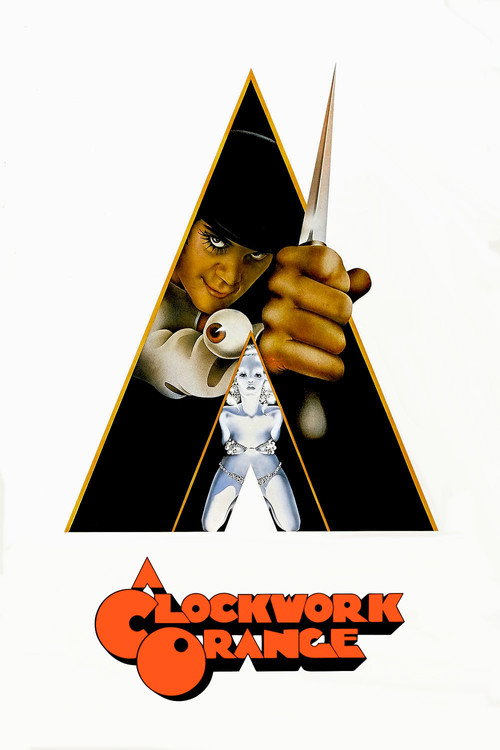
A Clockwork Orange1971
Kubrick's brutal vision of youth chaos shares Daisies' fascination with transgression as spectacle, but channels it through violence rather than appetite. The aesthetic violence and moral provocation will resonate immediately.
But The sexual assault scene still disturbs many viewers, and the film's stance on its own violence remains genuinely divisive decades later.
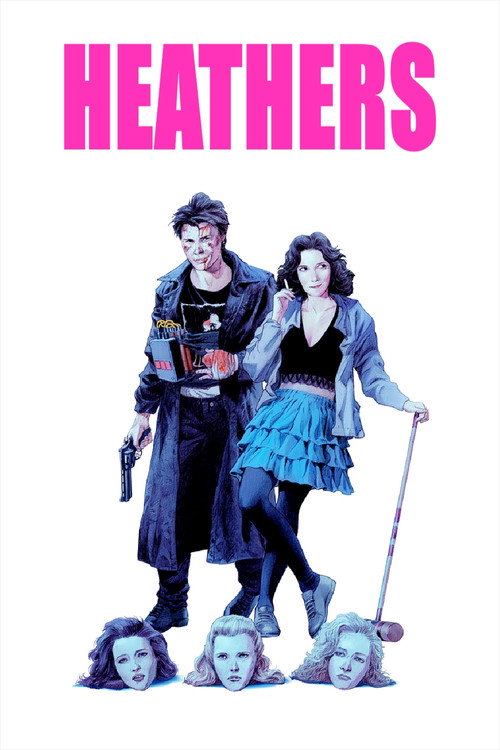
Heathers1989
Teenage girls destroying the social order, this time with dark comedy as their weapon. Winona Ryder and Shannen Doherty tap into the same anarchic female rage, the same refusal to play by rules, with wicked humour.
But It's very much a product of the 1980s—the slang, the shoulder pads, the synth score. The satirical targets feel dated even if the fury doesn't.
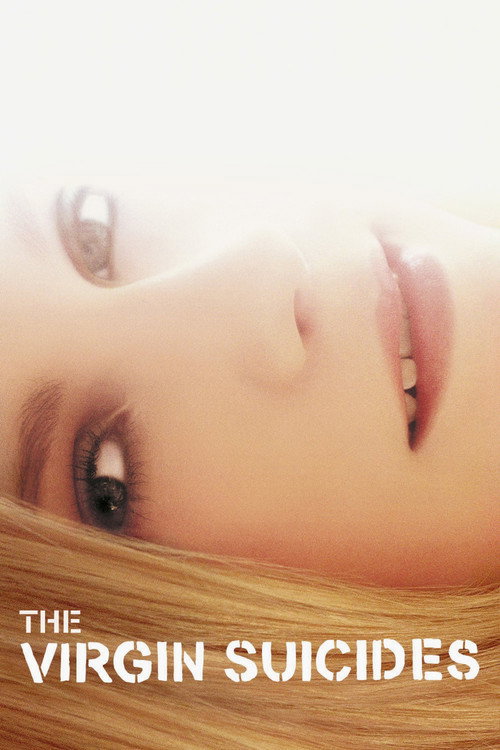
The Virgin Suicides2000
Sofia Coppola's obsessive meditation on teenage girls as inexplicable, hypnotic, doomed. Like Daisies, it wraps you in sensory detail and dreamlike atmosphere while something dark unfolds beneath the surface.
But The pacing is glacial. It's meditative and atmospheric rather than propulsive, which can feel like nothing is happening for stretches.
Not sure tonight? Get a pick in a minute, starting from Daisies
The wildcard
Something you would not have found on your own.
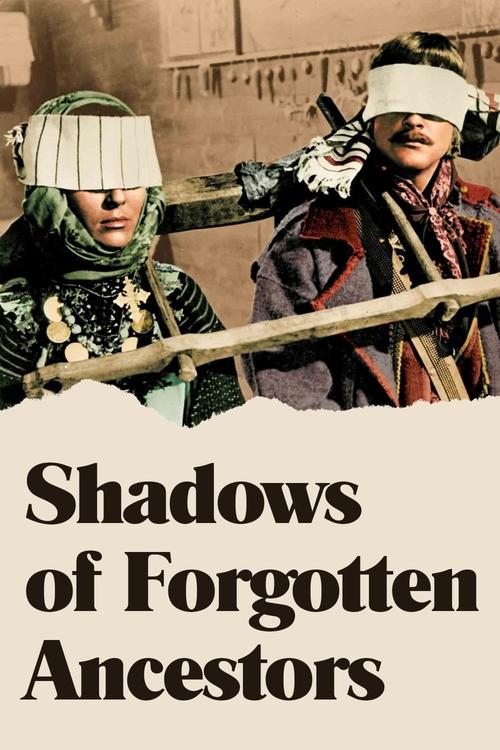
Shadows of Forgotten Ancestors1965
Both are Eastern European avant-garde films from the mid-1960s that weaponize visual form against conventional storytelling; both see cinema as pure material to reshape rather than a vehicle for plot.
Sergei Paradjanov's Ukrainian masterpiece shares Daisies' era and aesthetic invention—wildly coloured, visually delirious, formally experimental. But where Daisies attacks through chaos, this one creates meaning through dense visual poetry. You've never seen colour used like this.
But The narrative is nearly invisible, buried under layers of ritual, costume, and symbolic imagery. It requires surrender rather than understanding.
More like this (7)
Mulholland Drive2001
Lynch shares Daisies' commitment to visual disorientation and narrative chaos. Both films refuse to sit still, leaping between tones and realities, leaving you gleefully uncertain what you're watching.
But It's three hours of deliberate obscurity. The plot doesn't resolve; if you need answers, this will frustrate you intensely.

Under the Skin2014
Jonathan Glazer creates the same hypnotic, unsettling atmosphere of quiet consumption and predation. Both films use gorgeous, strange imagery to make the audience complicit in something they don't quite understand.
But Very slow. Scarlett Johansson barely speaks. If you need plot momentum and character development, this will feel like punishment.

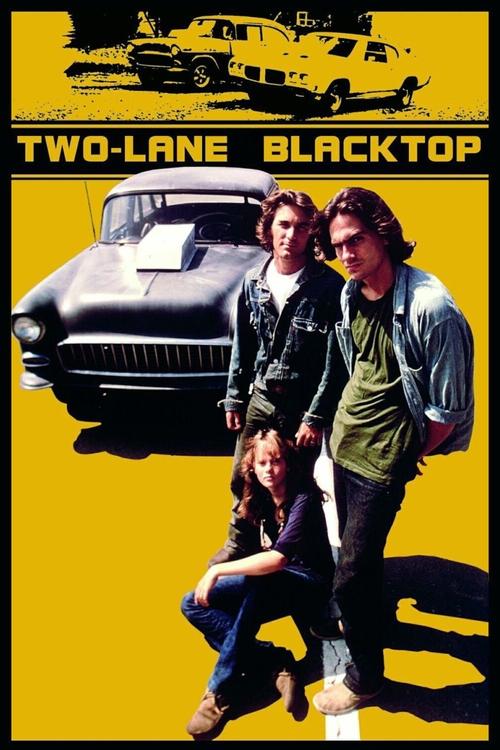
Two-Lane Blacktop1971
Restless, formless, driven by appetite and motion rather than narrative. The film moves through space destroying money and certainty the way the girls destroy order. Both reject conventional storytelling entirely.
But Almost nothing happens. It's about the feeling of movement, not destination. Many viewers find it maddening rather than liberating.
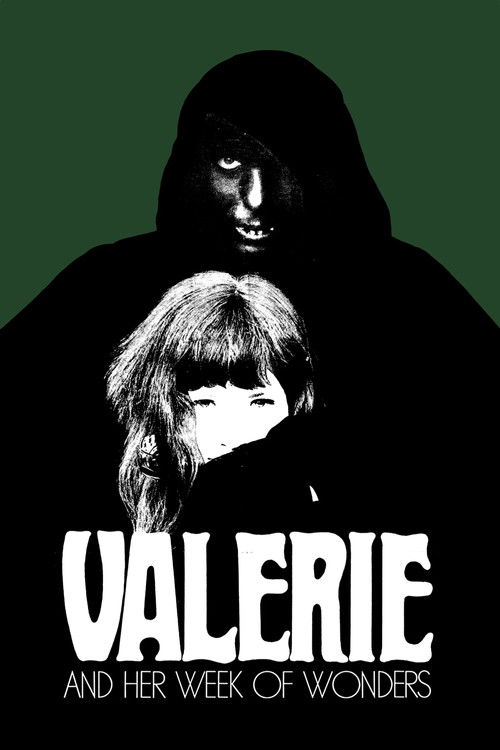
Valerie and Her Week of Wonders1970
Another Eastern European fever dream from the same era—surreal, gorgeously strange, equally committed to visual anarchy and philosophical provocation. A sister work in spirit and (often) in quality.
But The narrative is dreamlike to the point of incoherence. If you need plot clarity, this will leave you baffled and frustrated.
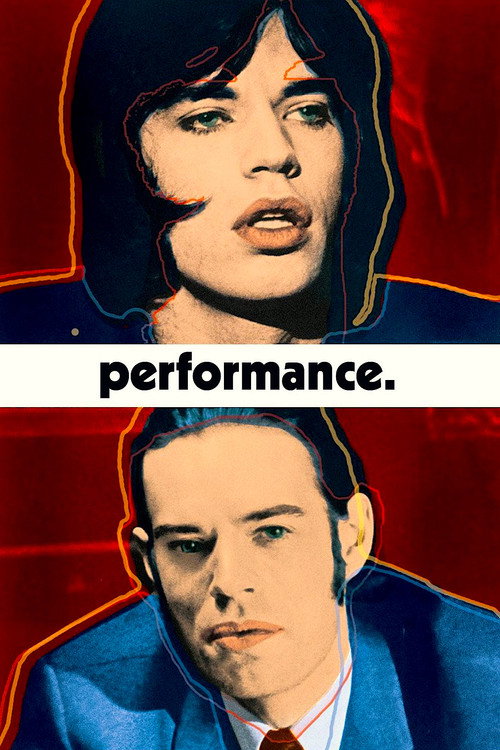
Performance.1970
Roeg and Cammell's study of transgression, identity collapse, and decadence. Like Daisies, it's more interested in atmosphere, visual innovation, and moral provocation than plot. Both films feel genuinely dangerous.
But The sexual content is explicit and sometimes uncomfortable. The narrative is deliberately fractured and hard to follow.
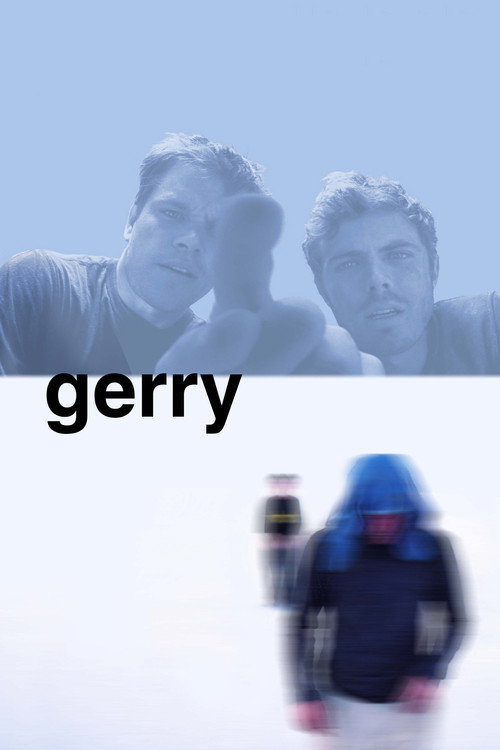
Gerry2002
Both films use young people as instruments to explore how cinema can be entirely remade by refusing conventional narrative; both ask what happens when you stop serving story and start serving desire.
Gus Van Sant follows two young men wandering through landscape until the film itself becomes an act of consumption and waste. Structurally, it's Daisies' opposite—glacial instead of frenetic—but it's the same essential experiment: can cinema be shaped by appetite instead of narrative?
But It's 103 minutes of two guys walking. There is no plot. Many viewers call it a con. Your patience will be tested fundamentally.
Come and See1985
Both use youth and destruction as their central image, but Klimov asks: what if the girls were being destroyed instead? It's the moral reckoning that Daisies playfully evades.
Elem Klimov's Soviet masterpiece shows destruction as genuine horror rather than carnival. A young partisan witnesses the wholesale annihilation of his world. It's Daisies' inverse: the same appetite for consuming the world, but from the receiving end, with all the consequences made hideously real.
But It is one of cinema's most brutal, traumatizing films. This is not hyperbole. Watching it is genuinely difficult and leaves scars.

People
Cast
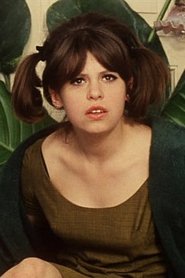 Jitka CerhováMarie I
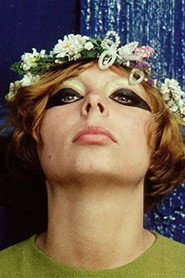 Ivana KarbanováMarie II
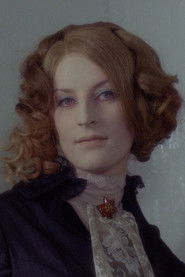 Helena AnýžováWoman in toilet
- Julius AlbertElderly Gentleman
- Jan KlusákYoung Gentleman
 Marcela BřezinováToilet Keeper
Directing
- Lilian HavlíčkováAssistant Director
- Zeno DostálAssistant Director
- Věra ChytilováDirector
- Rudolf JarošFirst Assistant Director
Writing
- Jiří SuchýLyricist
- Ester KrumbachováScreenplay
- Věra ChytilováScreenplay
- Pavel JuráčekStory
- Věra ChytilováStory
Production
- Antonín KubovýAssistant Production Manager
- Bohumil ŠmídaExecutive Producer
- Rudolf HájekProduction Manager
- František JaderníkUnit Manager
- Jaroslav VlkUnit Manager
Recommended by
Loves of a Blonde, The Story of a Three-Day Pass, Sahib Bibi Aur Ghulam, Black Lizard, Red-Headed Woman, Uphaar, The Telltale Heart