
Film
Loves of a Blonde
Miloš Forman's debut feature captures the collision between youthful romantic fantasy and the mess of actual desire. Andula chases a musician to Prague on hope alone, and what unfolds is tender, funny, and painfully real—a film about the gap between who we imagine people to be and who they actually are. It's loose-limbed and alive, shot with affection for its characters' foolishness.
Should you watch it?
Watch it if you like comedy that stays close to awkward, unglamorous people and finds tenderness in their clumsiness, the way early Forman films watch ordinary lives with a sympathetic, slightly wry eye.
Skip it if you need plot momentum and tidy resolutions; this drifts through scenes of dance halls and small-town boredom, and its loose, observational pace may feel meandering.
What it asks of you: Roughly eighty minutes of unhurried scenes of factory-town routine and dance-floor flirtation, with the humour arriving in small observed moments rather than set pieces.
Not sure? Find tonight's pick in a minute.
If you liked this
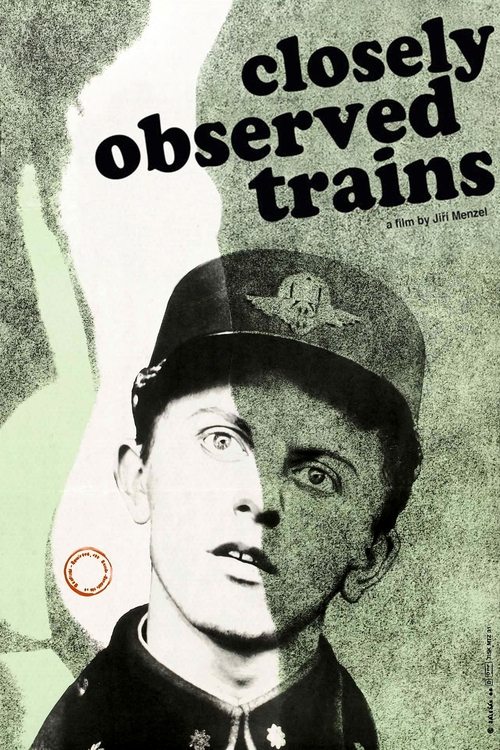
Closely Watched Trains1966
Another Czech New Wave gem: tenderly comic, erotically charged, about young people bumping against the world. It shares Forman's gift for finding humour in desire and disappointment without ever becoming cruel about either.
But It's a period piece about Nazi-occupied Czechoslovakia, which sounds weightier than it plays—some viewers want their tragedies straightforward, not wrapped in comedy.
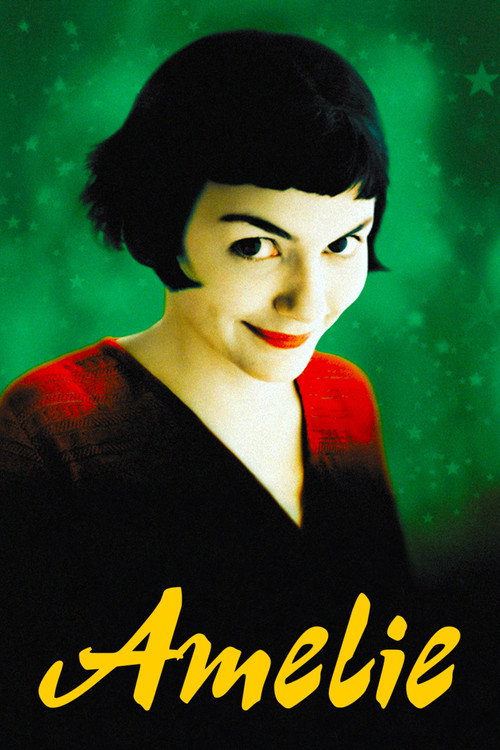
Amélie2001
Both films are enchanted by the gap between fantasy and reality, and both believe romance lives in small, observed details. Amélie is warmer and more whimsical, but the DNA is the same: tender mockery of yearning.
But Amélie's whimsy can feel saccharine on repeat viewings. If you find that cloying, Loves of a Blonde's sharper Czech sensibility might suit you better—or might not, depending on your tolerance for either register.
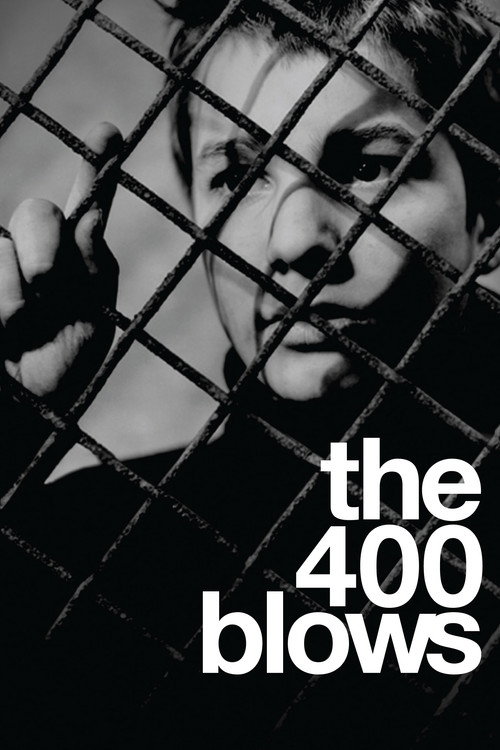
The 400 Blows1959
Truffaut's film is also about youthful energy crashing against the adult world, shot with such tenderness that you feel the characters' confusion as your own. Both films trust their audiences to love flawed people.
But It's slower and more melancholic than Forman's comedy. If you're watching for lightness, you'll find something more elegiac instead.
Not sure tonight? Get a pick in a minute, starting from Loves of a Blonde
The wildcard
Something you would not have found on your own.
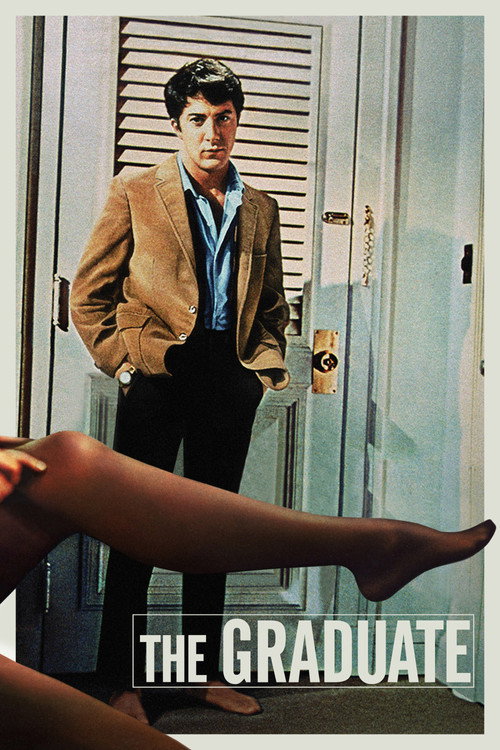
The Graduate1967
The inverse trajectory of romantic pursuit: one film watches a woman chase her desire, the other watches a man pursued by his. Both use comedy to explore the gap between sexual feeling and actual compatibility.
Mike Nichols's film is about a young man seduced by an older woman, then pursuing the daughter—the inverse and echo of Andula's chase. Both films capture that specific paralysis of desire: knowing it's wrong and pursuing it anyway. Both are funny about it without being dismissive.
But It's become iconic to the point of caricature, and Benjamin Braddock is a fundamentally passive protagonist. If you want active characters making choices (even foolish ones), he'll frustrate you.
More like this (8)
Sunrise: A Song of Two Humans1927
A silent film about a man tempted away from his wife by a city woman—the inverse of Andula's journey, but the same moral engine. Both films understand that desire doesn't care about logic, and both forgive their characters for it.
But It's ninety years old and silent. The stylisation can feel remote if you're expecting naturalism, even though the emotion is utterly contemporary.

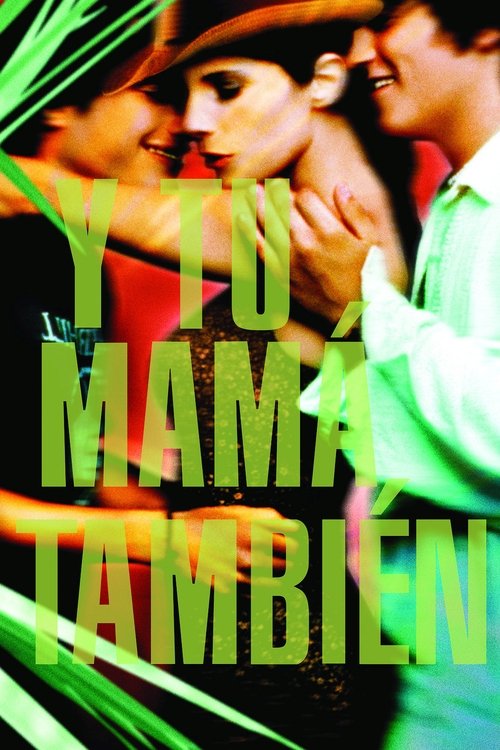
Y Tu Mamá También2001
Two young men chase an older woman across Mexico; a road movie about desire, friendship, and the difference between fantasy and its cost. Audacious, funny, and genuinely erotic in the way Loves of a Blonde is.
But It's sexually explicit and morally complicated in ways that will alienate viewers looking for cleaner narratives. The ending is also devastating in a way the Czech film's is not.
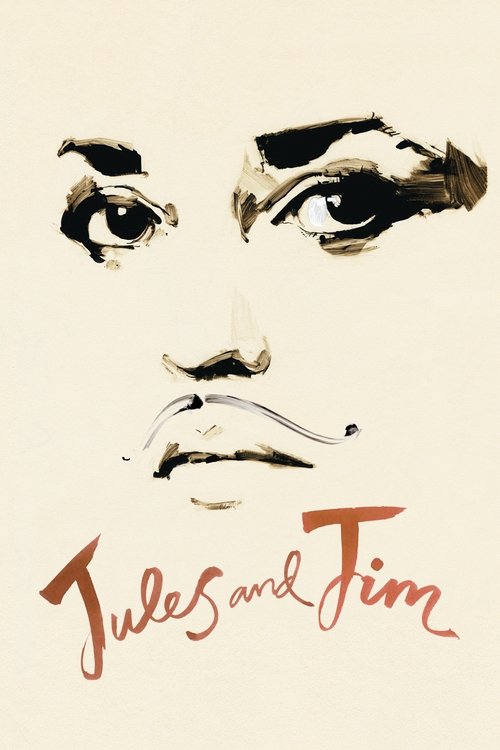
Jules and Jim1962
Truffaut again, this time about the irresistible draw of one person on two others, and how desire rewrites memory. The film moves with the same playful grace as Forman's, and the same underlying sadness.
But It's a little theatrical, a little precious. The romantic nostalgia can tip into self-indulgence if you're not in the mood for it.
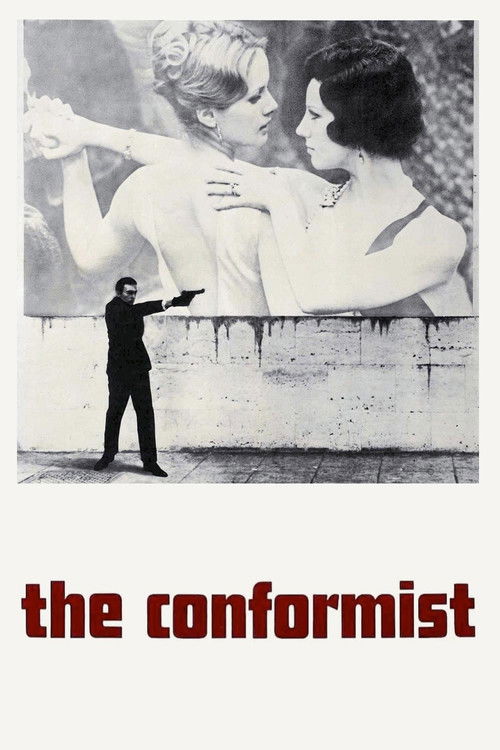
The Conformist1971
Bertolucci's film tracks a young man following a woman he believes he loves into fascism. Like Forman's work, it's visually sumptuous and acutely aware that desire blinds us, but it's far more morally severe.
But It's dense, allusive, and demands your full attention. The pacing is hypnotic but slow. Some viewers find it more interesting to think about than to actually watch.
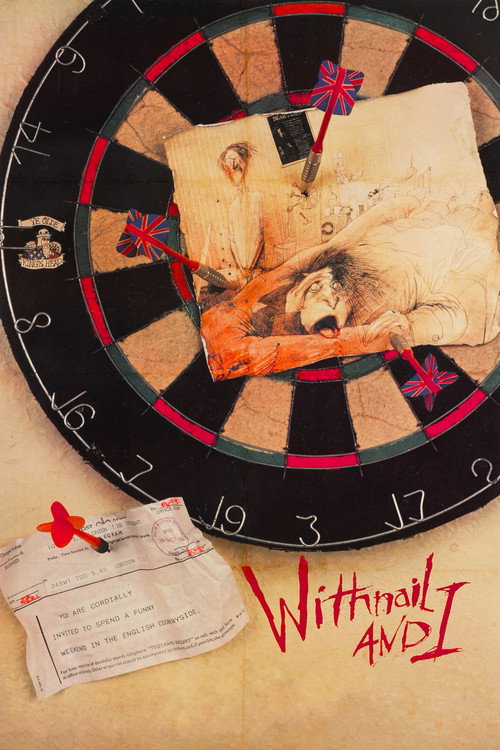
Withnail & I1987
British comedy about two men adrift, written and performed with such affection for their failures that you forget to judge them. It shares Forman's warmth toward the foolish and the desperate.
But It's aggressively British and largely plotless. If you need conventional story structure, you'll find it frustrating. Some people find it quoted to death and no longer fresh.
Daisies1966
Another Czech New Wave film, but Vera Chytilová's kaleidoscopic chaos is the opposite of Forman's observational comedy. Still: both films are anarchic, affectionate toward their protagonists' rebellion, and made in the same moment and place.
But It's deliberately fractured, loud, and trippy. If you found Loves of a Blonde's restraint appealing, this will feel like sensory assault, not pleasure.

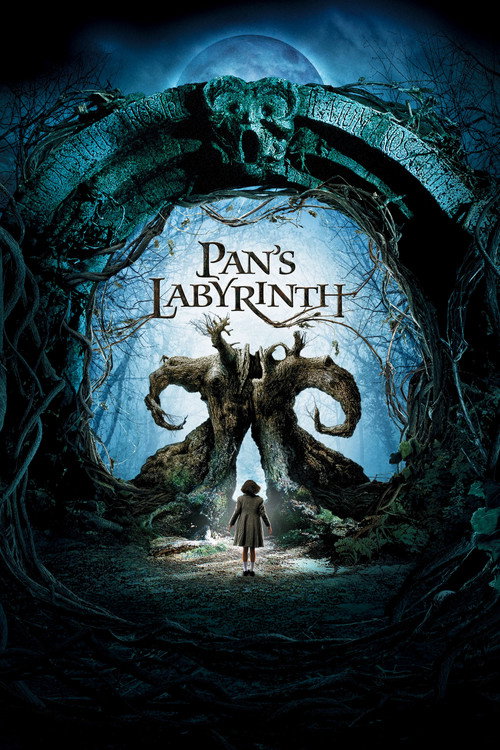
Pan's Labyrinth2006
Both are about the gap between how young people imagine the world and how it actually is. But where Forman's film is about romantic delusion, del Toro's is about using fantasy to survive atrocity. The tone is completely different; the underlying tragedy is not.
Guillermo del Toro's film is about a girl's fantasy life as an escape from unbearable reality—the opposite genre entirely, but the same DNA: a young person's interior world as a refuge from the world's disappointments. Shot in lush colour and set in a dark time, it's achingly beautiful.
But It's gothic, violent, and genuinely disturbing. The fantasy doesn't protect anyone. If you wanted Andula's comedy to stay light, this film will wreck you, and it means to.
Stalker1979
Both films are about the space between desire and its object. Andula chases Milda to Prague; the Stalker leads others into a zone they may not survive. One is intimate comedy, the other metaphysical science fiction, but both understand that the pursuit matters more than arrival, and that's not always a happy thing.
Tarkovsky's science-fiction meditation on desire and its costs. A man guides two others into a forbidden zone to reach a room that grants wishes—but the film isn't about getting there. It's about why we want what we want, and whether wanting it is enough. Shot in long, hypnotic takes, it's as far from plot-driven as cinema gets, but utterly alive.
But It's three hours of slow, philosophical Russian cinema with minimal dialogue. You must meet it halfway. If you're watching for entertainment, you'll find it glacial and impenetrable.

People
Cast
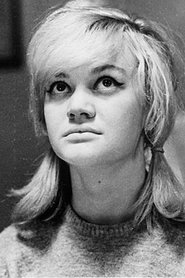 Hana BrejchováAndula
 Vladimír PucholtMilda
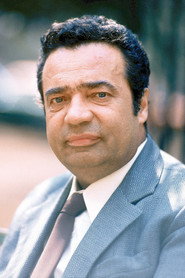 Vladimír MenšíkVacovský
- Ivan KheilMaňas
- Jiří HrubýBurda
 Milada JežkováMilda's Mother
- Josef ŠebánekMilda's Father
 Josef KolbPokorný
- Marie SalačováMarie
- Jana NovákováJana
- Jarka CrkalováJaruška
- Táňa ZelinkováGirl with Guitar
Directing
- Miloš FormanDirector
- Ivan PasserFirst Assistant Director
- Lilian HavlíčkováScript Supervisor
Writing
- Vladimír BorCreative Producer
- Ivan PasserScreenplay
- Jaroslav PapoušekScreenplay
- Miloš FormanScreenplay
- Václav ŠašekScreenplay
- Ivan PasserStory
- Jaroslav PapoušekStory
- Miloš FormanStory
Production
- Jaroslav VlkAssistant Production Manager
- Doro Vlado HreljanovicProducer
- Rudolf HájekProducer
- Rudolf HájekProduction Manager
- Jaroslav SolničkaUnit Manager
- Otakar JiříčekUnit Manager