
Film
Jules and Jim
Jules and Jim is Truffaut's restless, tender chronicle of a friendship shared — and slowly dismantled — by one impossible woman. Shot with a New Wave giddiness that mimics memory itself, it skips from prewar innocence to postwar disillusion in under two hours. Funny, sad, and never moralizing, it's for anyone who wants romance filmed like a fever rather than a fairy tale.
If you liked this
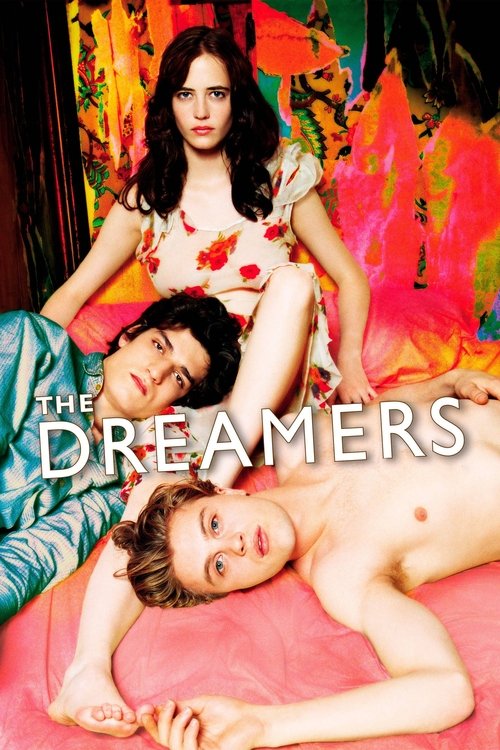
The Dreamers2003
Bertolucci's own ménage à trois seals three young cinephiles off from 1968 Paris, drunk on film and each other, chasing the same reckless freedom Truffaut's trio built decades earlier.
But The nudity and provocation are far more explicit, and its politics can feel like backdrop rather than substance.
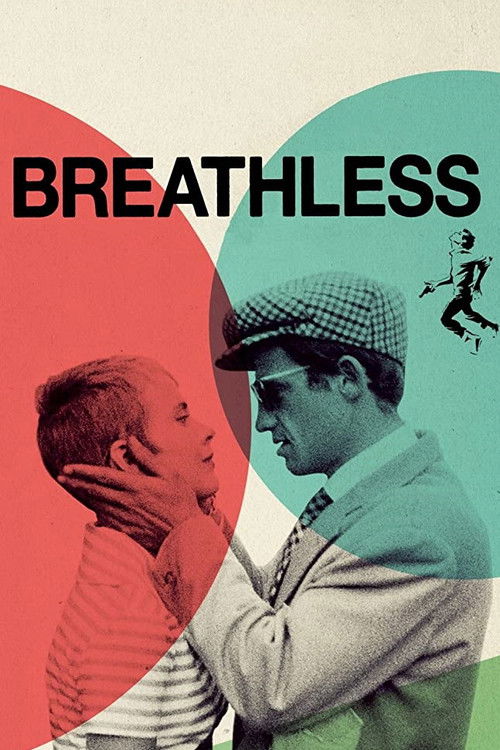
Breathless1960
Godard's jump-cut, jazz-age crime romance shares the era, the restlessness, and that sense of characters improvising their own doom — essential for understanding what the New Wave actually was.
But Colder and more cynical than Truffaut's warmth; Belmondo's antihero is harder to love than Jules or Jim.
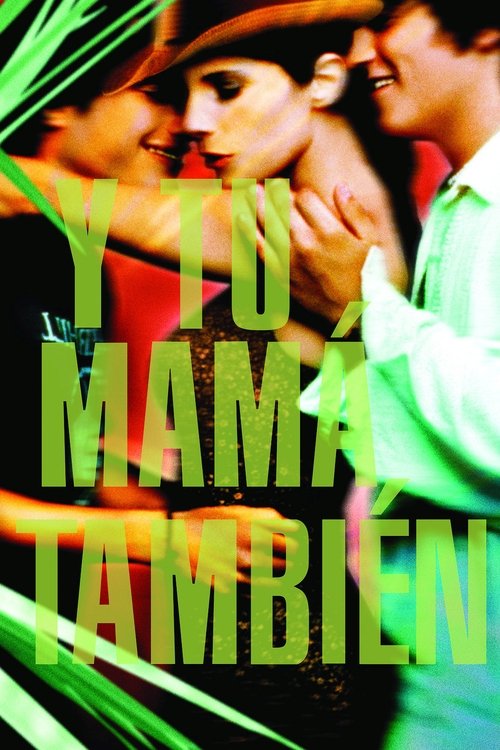
Y Tu Mamá También2001
Two friends and one woman on a road trip that turns confessional and heartbreaking, using desire to expose everything else — class, mortality, the end of youth.
But Frank, unromanticized sex scenes and a bluntly political subtext some viewers find distracting from the central trio.
The wildcard
Something you would not have found on your own.
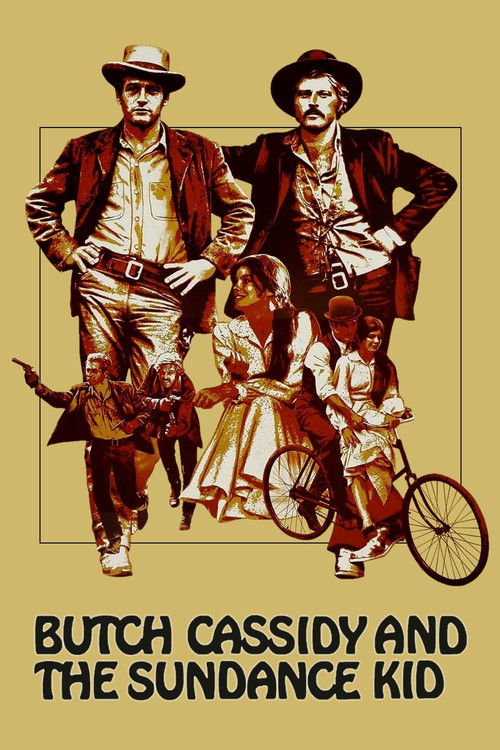
Butch Cassidy and the Sundance Kid1969
Same shape underneath the hats and horses: two devoted friends, one woman who loves them both, and a doomed idyll that history quietly closes in on.
Two outlaws and the woman who loves both of them ride a dying frontier with jokes and easy charm, right up until the world stops making room for people like them.
But It's an American Western buddy movie start to finish — gunfights and sepia myth-making, nothing like Truffaut's intimate European register.
More like this (8)
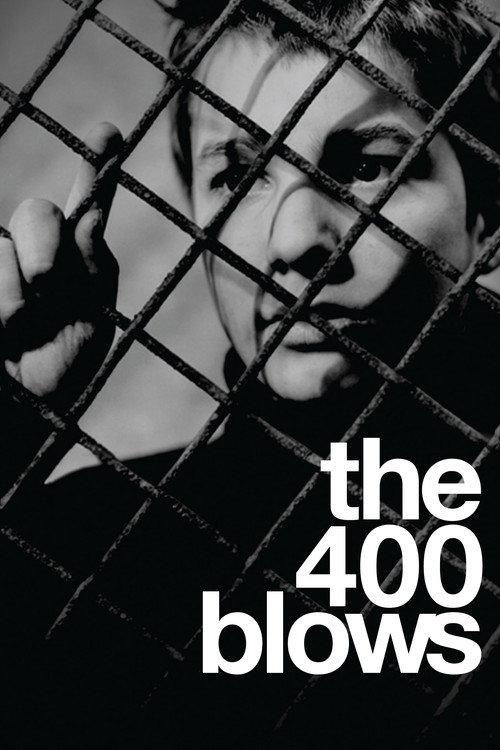
The 400 Blows1959
Truffaut's autobiographical debut shows the restless, tender gaze he'd later train on Catherine, Jules and Jim — a quiet prequel to his whole sensibility.
But No romance here at all — it's a solitary child's story, sadder and lonelier than the trio's whirl.
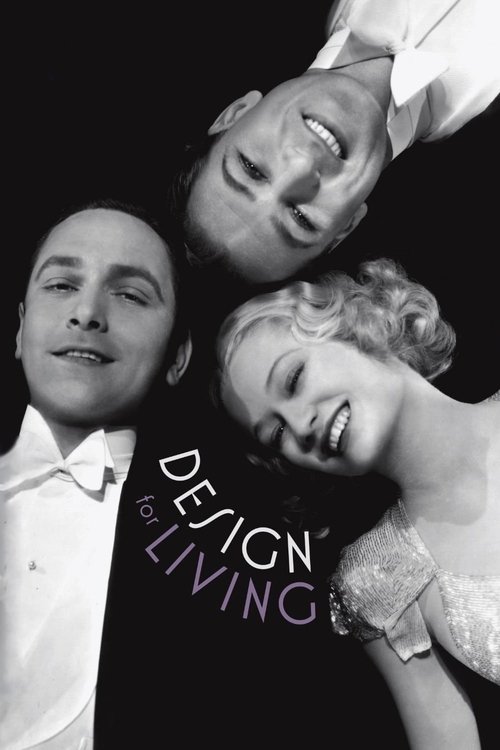
Design for Living1933
Lubitsch's pre-Code comedy about two men sharing their devotion to one woman, decades before it was fashionable, with a wit as light as the subject is scandalous.
But Black-and-white, stagey, and the Hays Code softened the ending — don't expect the frankness of later takes on the same idea.
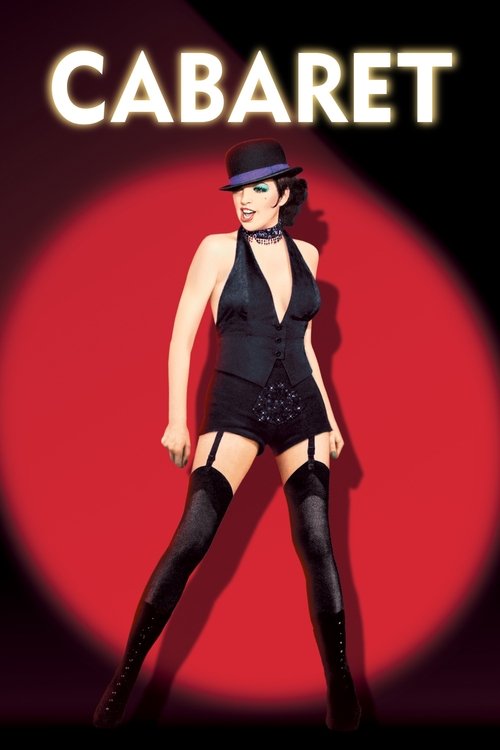
Cabaret1972
A love triangle unraveling as fascism rises around it — like Jules and Jim, history and romance move together until history wins, decisively.
But It's a musical, sharper-edged and more theatrical than Truffaut's naturalistic, drifting camera.
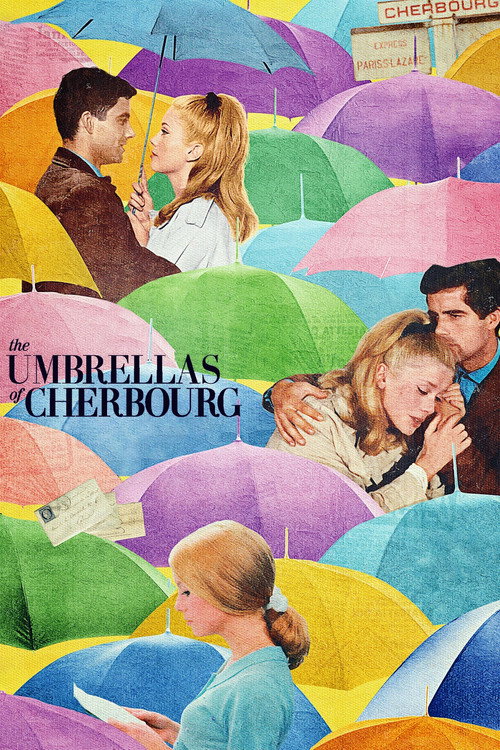
The Umbrellas of Cherbourg1964
Another French film about love bent and broken by time and circumstance, this one sung wall-to-wall in candy-colored melancholy.
But The full-time singing divides people hard; if that's not your thing, it will grate fast.
A Man and a Woman1966no page yet
Lelouch's Cannes-winning romance carries the same loose, sun-dappled, New Wave-adjacent tenderness, watching two wary people circle each other after loss.
But Slighter and more conventional — a two-hander, not a triangle, and much gentler in its stakes.
Betty Blue1986no page yet
A wilder, more combustible French romance about a love that burns too bright to last, for when you want the volatility turned all the way up.
But Explicit and melodramatic where Truffaut is restrained; not for anyone wanting subtlety.
The Best of Youth2003no page yet
Same engine stretched across six hours instead of two: two men, the woman between them, and decades of history reshaping what their love and friendship mean.
An Italian saga following two brothers and the woman who complicates both their lives across thirty-seven years of national upheaval — epic where Truffaut is compressed, built from the same bones.
But Six hours is a real ask, and its patient, novelistic pace is the opposite of Truffaut's restless editing.
Two Girls and a Guy1998no page yet
Strip away the lyricism and period romance and you get this: the same triangle, confessed in one apartment, in real time, with none of the poetry.
A stripped-down, real-time confrontation between a woman and the two men who've both been sleeping with her — all the jealousy and negotiation Truffaut romanticizes, shown raw and funny.
But Talky, claustrophobic, and deliberately unglamorous — it trades Truffaut's soft-focus tragedy for something closer to a shouting match on a stage.
People
Cast
 Jeanne MoreauCatherine
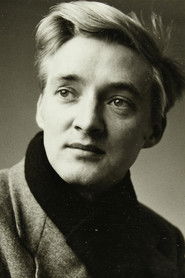 Oskar WernerJules
 Henri SerreJim
 Marie DuboisThérèse
 Sabine HaudepinSabine
 Vanna UrbinoGilberte
 Serge RezvaniAlbert
 Anny NelsenLucie
 Michel SuborRécitant / Narrator (voix)
- Danielle BassiakLe compagnon d'Albert
- Elen BoberMathilde
 Pierre FabreHomme Ivre au café
Directing
- Florence MalrauxAssistant Director
- Georges PellegrinAssistant Director
- Robert BoberAssistant Director
- François TruffautDirector
- Suzanne SchiffmanScript Supervisor
Writing
- François TruffautAdaptation
- Jean GruaultAdaptation
- Henri-Pierre RochéNovel
Production
- Marcel BerbertExecutive Producer
- François TruffautProducer
- Maurice UrbainProduction Manager
Recommended by
Cléo from 5 to 7, Y Tu Mamá También, Stolen Kisses, Breathless, Design for Living, Trapeze, The Dreamers, Pandora's Box