
Film
Cabaret
Bob Fosse's electric adaptation turns the Kit Kat Club into a mirror for a disintegrating world, its glittering musical numbers slicing directly into the rot gathering outside. Liza Minnelli is astonishing as an ambitious singer mistaking decadence for freedom, Joel Grey's leering emcee narrates the whole seduction, and it's far darker and stranger than 'movie musical' usually implies.
If you liked this
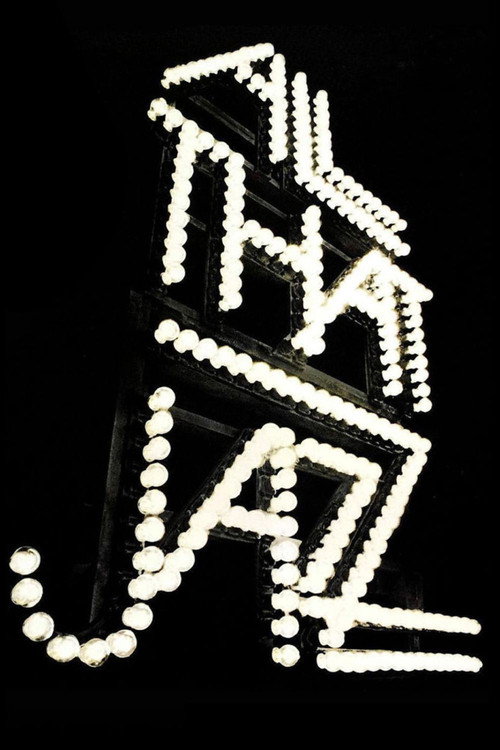
All That Jazz1979
Fosse turns his own mortality and workaholism into a feverish musical autopsy — same razor-edited numbers and seedy glamour, but pointed inward at himself instead of at Weimar Berlin.
But It's self-indulgent and increasingly hallucinatory; some viewers find the navel-gazing exhausting rather than exhilarating.
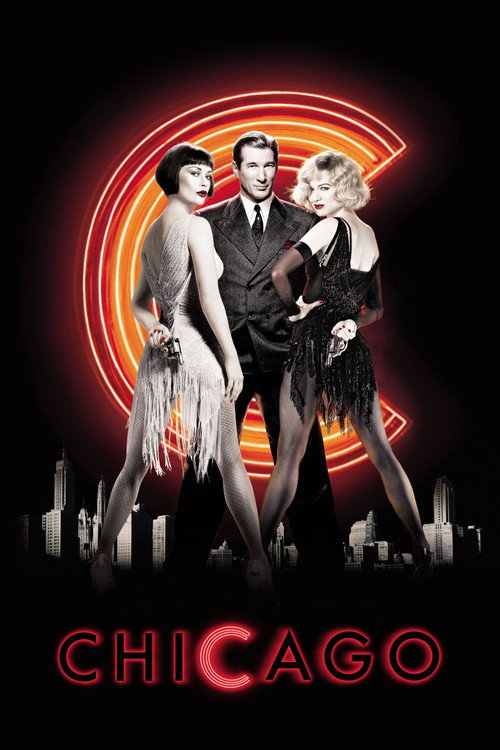
Chicago2002
Kander and Ebb's other Broadway satire, sharpened into an Oscar-winning film that uses razzle-dazzle showbiz numbers to expose murder, fame and corruption with the same cynical wink.
But Glossier and more crowd-pleasing than Cabaret — the darkness here is stylish rather than genuinely unsettling.
Sweet Charity1969no page yet
Fosse's directorial debut, all sharp angles and dance-hall desperation, following a taxi dancer hoping love will rescue her from a rigged system.
But Baggier and more conventionally hopeful than Cabaret; the satire has teeth but nowhere near as many.
The wildcard
Something you would not have found on your own.
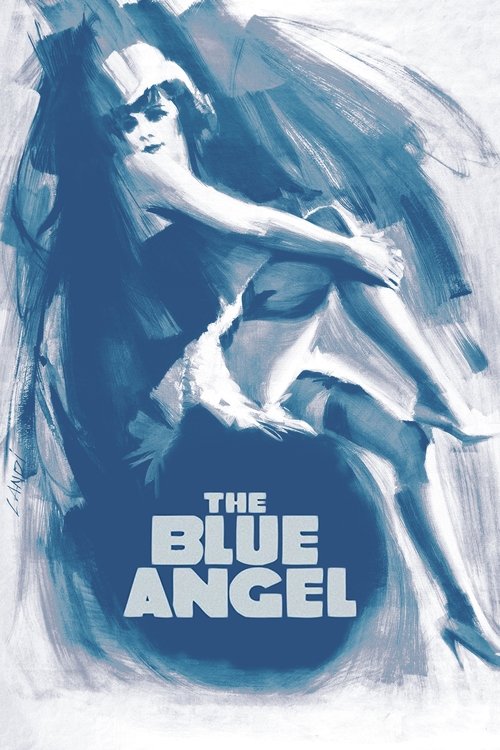
The Blue Angel1930
Dietrich is the direct ancestor of Sally Bowles — same cabaret stage, same doomed city, filmed while the danger outside was still gathering rather than remembered.
Marlene Dietrich's breakout as a cabaret singer who destroys a respectable man's life, filmed in Weimar Berlin itself three years before the Nazis took power — the actual source of the world Cabaret recreates.
But Slower, colder pacing by modern standards, in German with subtitles, and its cruelty offers none of Sally Bowles's warmth or redemption.
More like this (8)
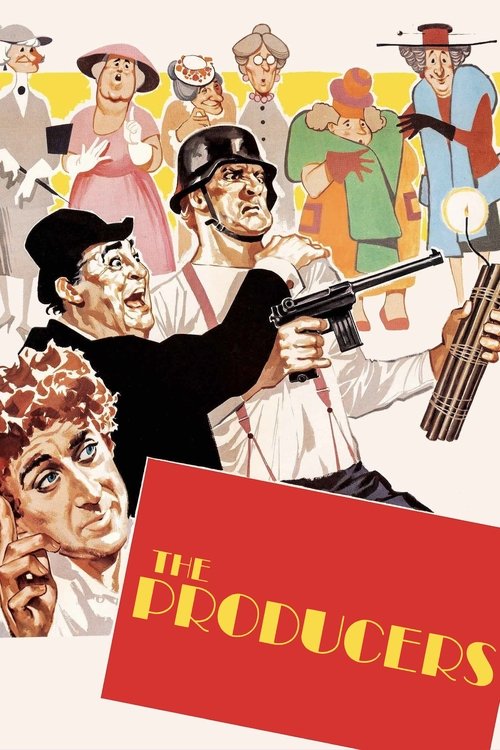
The Producers1968
Mel Brooks weaponises bad taste itself, turning Broadway kitsch and swastikas into outrageous comedy — proof that laughing at fascist aesthetics has a long, disreputable history.
But Broad, silly, deliberately tasteless; if Cabaret's satire felt uncomfortable, this pushes much further into open mockery.
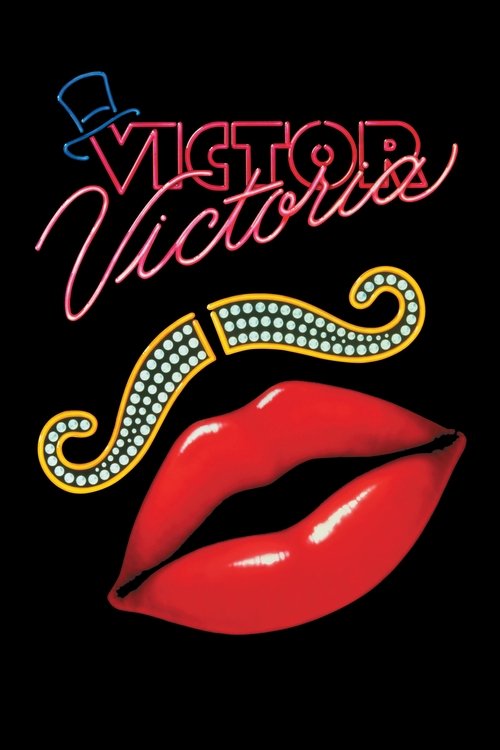
Victor/Victoria1982
Julie Andrews as a Parisian club performer pretending to be a man pretending to be a woman — same cabaret stages, gender play and showbiz wit, considerably lighter touch.
But Its politics stay firmly backstage; there's no looming historical dread to give the glamour an edge.
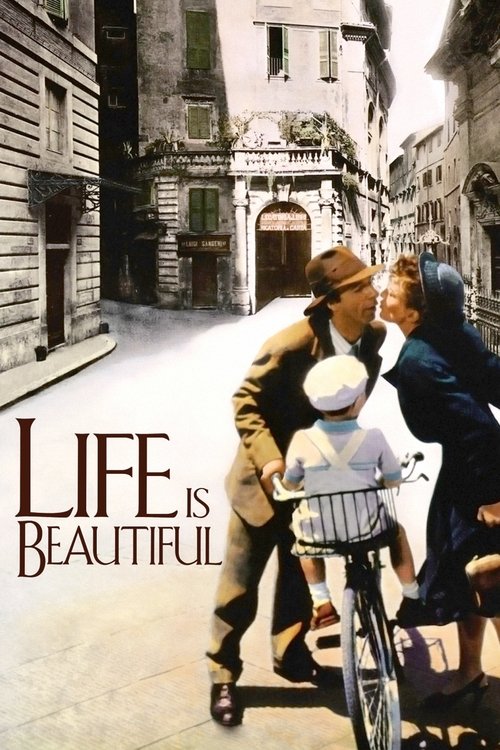
Life Is Beautiful1997
Starts as warm, whimsical comedy under fascist Italy before curdling into something devastating — the same trick of using entertainment to disguise horror, played for tears instead of irony.
But Its sentimentality around the Holocaust has always divided audiences; some find the tonal swerve manipulative.
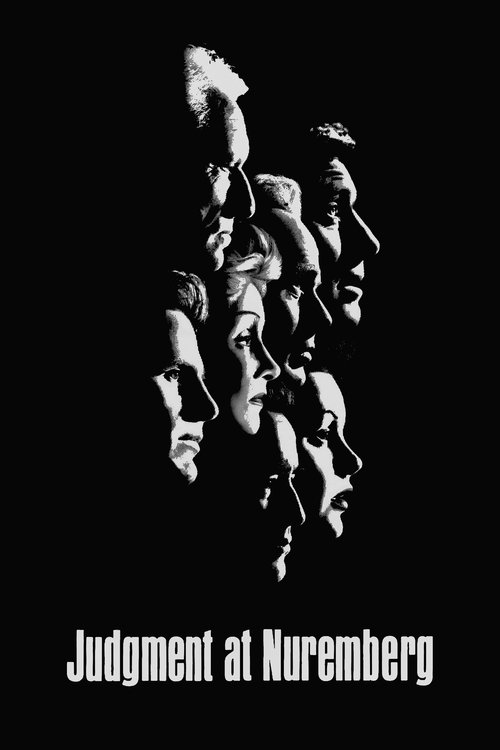
Judgment at Nuremberg1961
A courtroom drama asking exactly what Cabaret raises through nightlife and denial: how ordinary people let atrocity happen around them, told with tremendous performances and real moral seriousness.
But Three hours of dense legal argument with none of the music, spectacle or seduction.
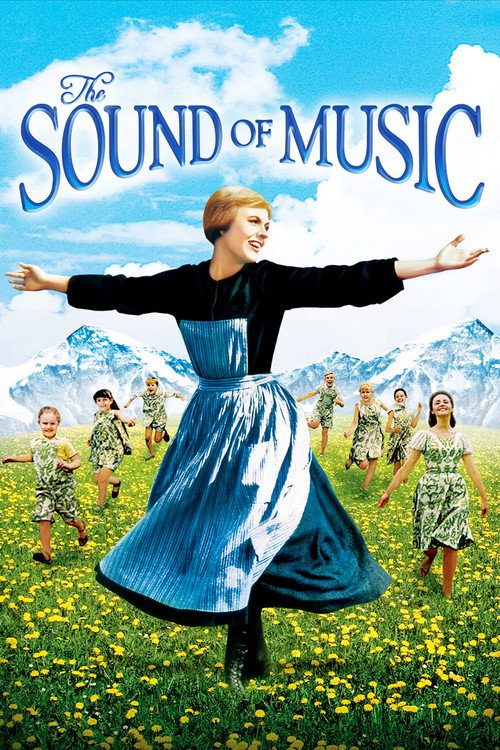
The Sound of Music1965
The sanitized cousin — Austria on the edge of annexation, a family choosing music over collaboration, showing how differently this exact historical moment can be sold to an audience.
But Wholesome where Cabaret is knowing; watching it right after can feel almost willfully naive.
Funny Girl1968
Another dazzling, tragic showbiz star built around one enormous performance — Streisand's Fanny Brice instead of Minnelli's Sally Bowles, same era of Broadway glamour colliding with real heartbreak.
But Straighter, more traditional musical structure; it doesn't share Cabaret's political nerve or structural daring.

Babylon Berlin2017no page yet
Same city, same doomed decade, same idea of nightlife as symptom rather than escape — but stretched from stage musical into detective serial, trading songs for plot.
A lavish German noir series soaked in Weimar decadence, cocaine, cabaret and the slow creep of political extremism — the club scenes Cabaret only gestures at, expanded into hours of conspiracy and detail.
But Sprawling and plot-heavy across multiple seasons, in German with subtitles; it asks for a commitment, not an evening.
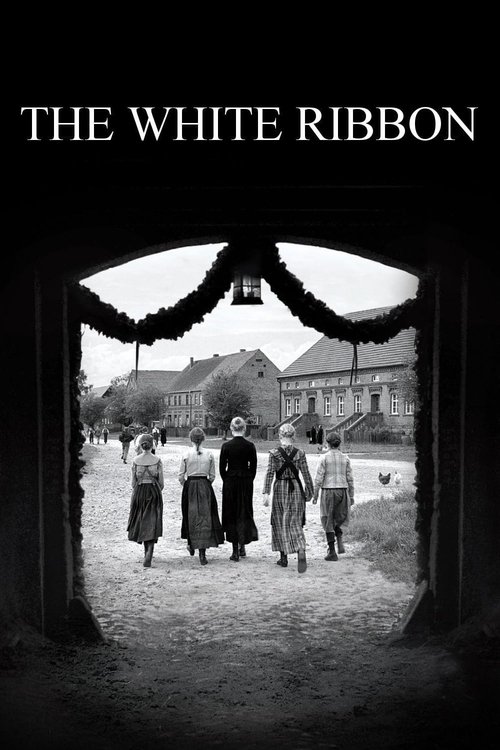
The White Ribbon2009
Same question Cabaret asks — how does a society produce fascism? — answered in total silence instead of song, the other half of the same argument.
Haneke's austere black-and-white drama traces the quiet cruelties of a German village before WWI that seem to breed the next generation's fascism — no music, no glamour, just accumulating dread.
But Glacially paced, deliberately cold and unresolved; nothing in it wants to entertain you.
People
Cast
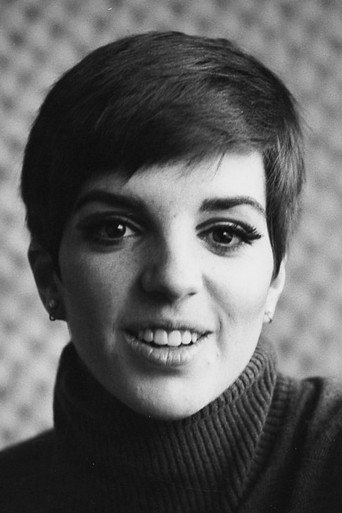 Liza MinnelliSally Bowles
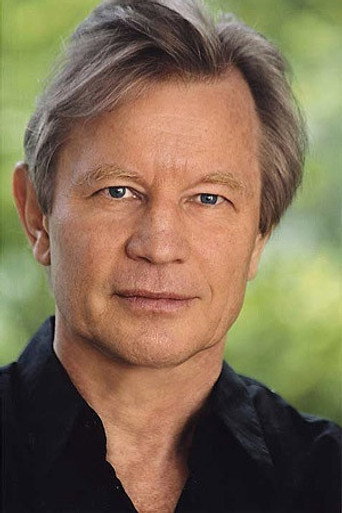 Michael YorkBrian Roberts
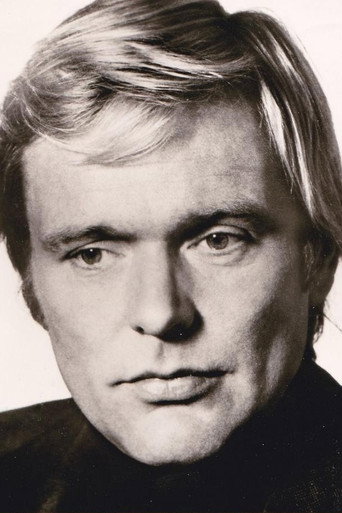 Helmut GriemMaximilian von Heune
 Joel GreyMaster of Ceremonies
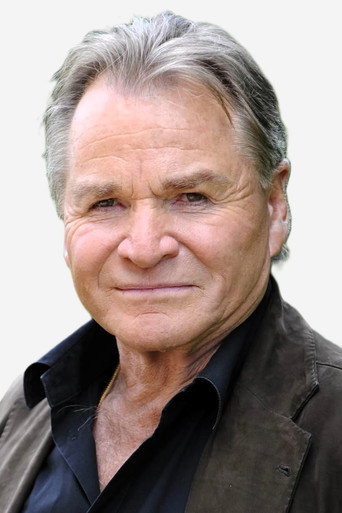 Fritz WepperFritz Wendel
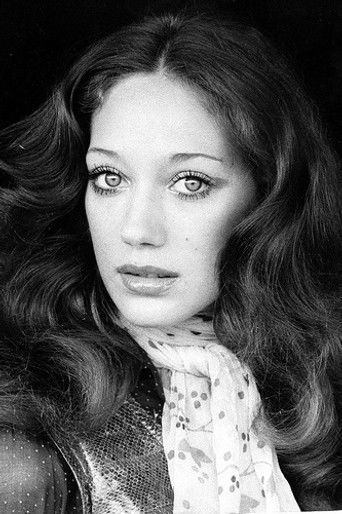 Marisa BerensonNatalia Landauer
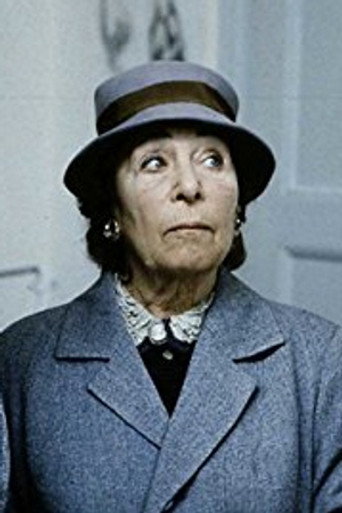 Elisabeth Neumann-ViertelFräulein Schneider
 Helen VitaFräulein Kost
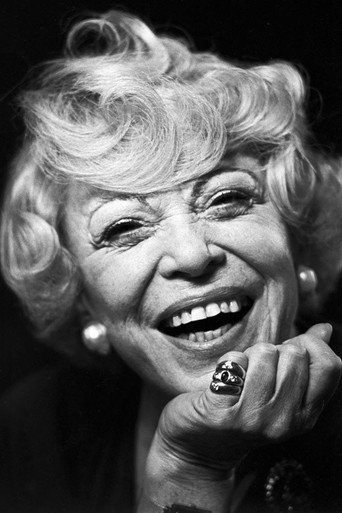 Sigrid von RichthofenFräulein Mayr
- Gerd VespermannBobby
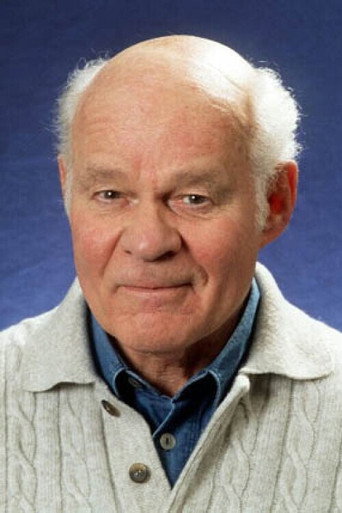 Ralf WolterHerr Ludwig
- Georg HartmannWilli
Directing
- Douglas GreenAssistant Director
- Wolfgang GlattesAssistant Director
- Bob FosseDirector
- Trudy von TrothaScript Supervisor
- Stefan ZürcherSecond Assistant Director
Writing
- Fred EbbLyricist
- Christopher IsherwoodNovel
- Joe MasteroffNovel
- Jay Presson AllenScreenplay
- John Van DrutenTheatre Play
Production
- Harold NebenzalAssociate Producer
- Renate NeuchlCasting Director
- Cy FeuerProducer
- Rolf ZehetbauerProduction Designer
- Pia ArnoldProduction Manager
- Wolfram KohtzUnit Manager
Recommended by
Burnt by the Sun, All That Jazz, Fiddler on the Roof, Richard III, Breakfast at Tiffany's, Funny Girl, A Star Is Born, The Sound of Music, The Wave, Beginners, Chicago, The Broadway Melody, Victor/Victoria, Gypsy, The Rocky Horror Picture Show, The Blue Angel, Farewell My Concubine, Hedwig and the Angry Inch, New York, New York, The Dreamers, Guys and Dolls, The Plot Against America, Jules and Jim