
Film
Europa
- Drama
- Very dark
Lars von Trier's audacious 1991 thriller uses a postwar train as metaphor for moral corruption. A young American conductor navigates occupied Germany, pulled between occupiers and the underground, discovering neutrality is a fantasy. Visually daring, philosophically brutal, it demands engagement from viewers willing to sit with discomfort and ambiguity.
If you liked this
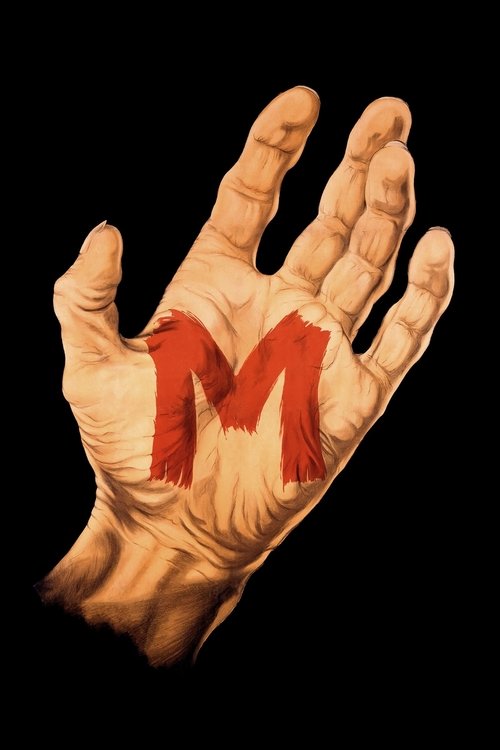
M1931
Fritz Lang's masterpiece about a serial killer hunted through Weimar Berlin. Explores how entire societies enable atrocity through complicity and moral indifference. Essential viewing that shares Europa's interrogation of collective guilt.
But It's nearly a century old and moves at its own pace. The restoration helps, but patience with early cinema is non-negotiable.
The Third Man1949
Carol Reed's postwar Vienna noir captures the moral murk of occupied territory with perfect control. Harry Lime embodies the charming corruptor; every scene radiates moral complexity. If you want Europa's themes in a more accessible package, this is it.
But The zither score is so famous it can feel quaint now. Takes a while to reveal its teeth.

Stalker1979
Tarkovsky's meditative journey into a forbidden zone is philosophically rigorous sci-fi about desire, faith, and the traps we set for ourselves. Shares Europa's conviction that the real action happens in the mind, not on screen.
But 163 minutes of slow cinema. Demands total surrender. Many people will find it punishing rather than profound.

Not sure tonight? Get a pick in a minute, starting from Europa
The wildcard
Something you would not have found on your own.
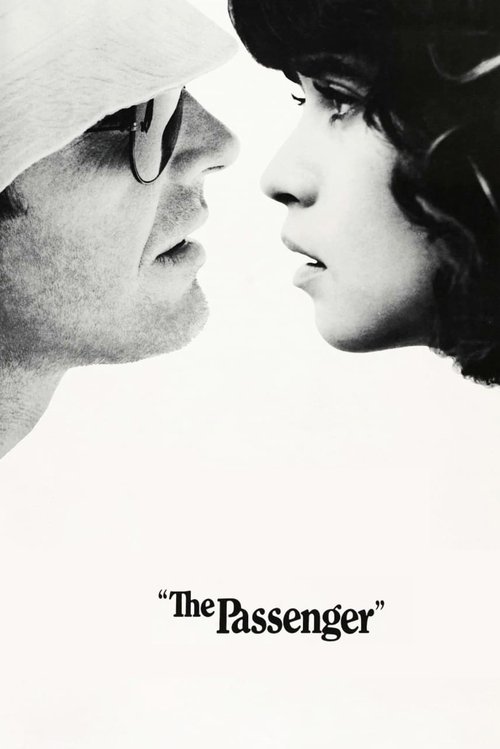
The Passenger1975
Both films use travel and displacement as philosophical metaphors. Both protagonists attempt moral escape and discover they cannot. Both distrust narrative resolution.
Antonioni's final masterpiece tracks a man abandoning his identity in postcolonial Africa and Spain. Jack Nicholson in a rare contemplative role. The film is about the impossibility of escape and reinvention—Leopold's fantasy, systematically dismantled.
But Almost three hours of a man walking through space. The narrative is deliberately thin. Requires you to find existential dread as gripping as plot.
More like this (8)
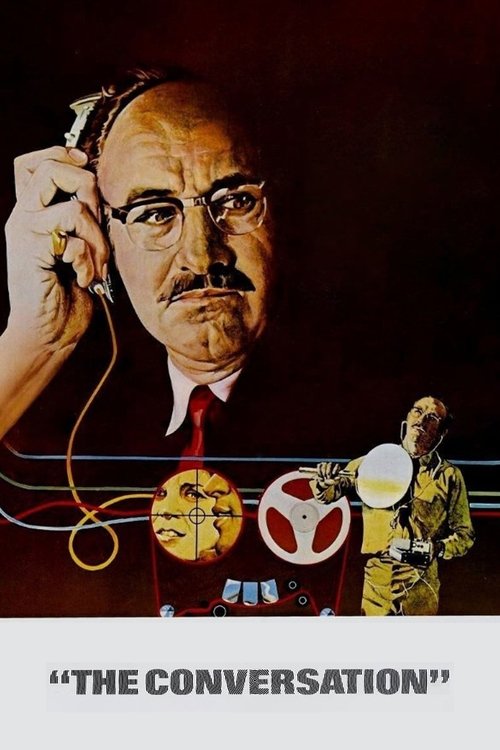
The Conversation1974
Coppola's paranoid masterpiece about a surveillance expert watching himself become complicit in something he doesn't understand. Gene Hackman's performance is coiled anxiety. Moral corruption through inaction, exactly Europa's engine.
But The 1970s aesthetic and pacing feel deliberate but dated. Surveillance tech specifics have aged in ways that sometimes feel quaint.
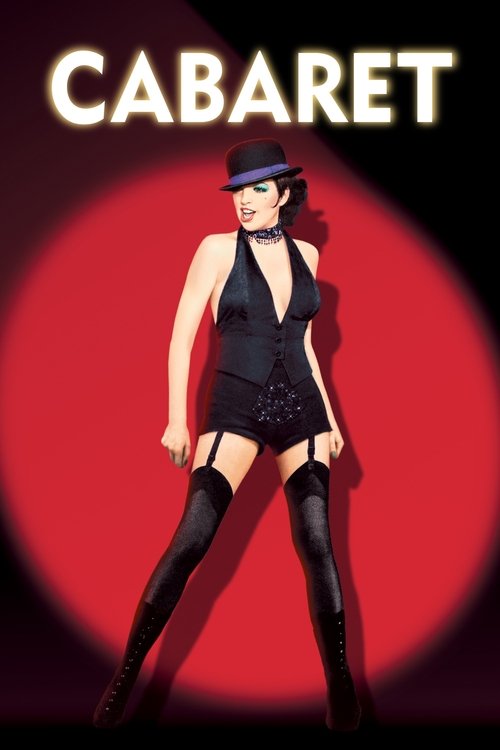
Cabaret1972
Bob Fosse's brilliant decadence about Weimar Berlin's final gasp before the abyss. Liza Minnelli luminous against encroaching darkness. Explores how art and pleasure coexist with historical horror—a different angle on occupied Europe.
But The musical numbers can feel jarring if you're expecting straight drama. The film's optimism about its characters' obliviousness might feel glib compared to Europa's severity.
Contempt1963
Godard's metafilm about a marriage dissolving amid a troubled production is formally audacious and emotionally precise. Uses the frame itself as a character. Von Trier clearly learned from this—the structural playfulness, the refusal to let viewers settle.
But It's Godard. If you haven't made peace with his abstractions and digressions, it'll feel like punishment masquerading as art.

A Prophet2009
Jacques Audiard's prison thriller about a young man learning to survive by becoming complicit in the system. Tense, morally murky, visually confident. European cinema at its most gripping, with the same unflinching look at corruption.
But French with subtitles, and very long. Violence is matter-of-fact and occasionally graphic. The world is entirely male and brutal.

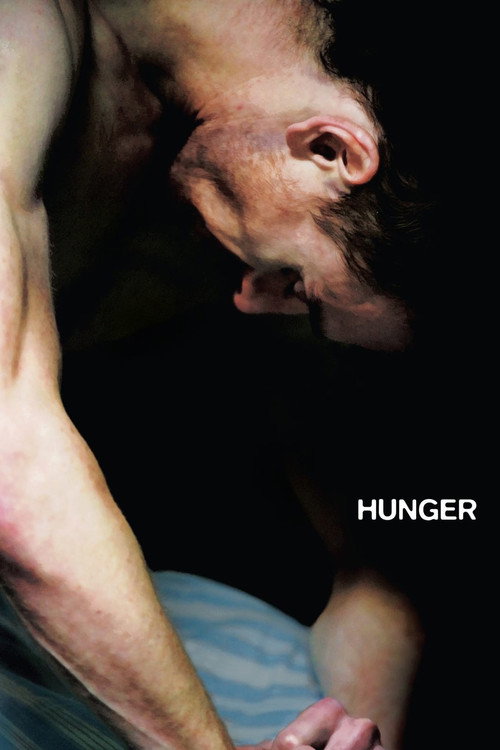
Hunger2008
Steve McQueen's debut about a 1981 prison hunger strike is formally radical and historically devastating. Uses long takes and silence as weapons. If you want to understand how cinema can make ideology visceral, this is the textbook.
But Extremely difficult. Graphic violence and self-harm. Not a film that wants to entertain you—it wants to make you witness something unbearable.
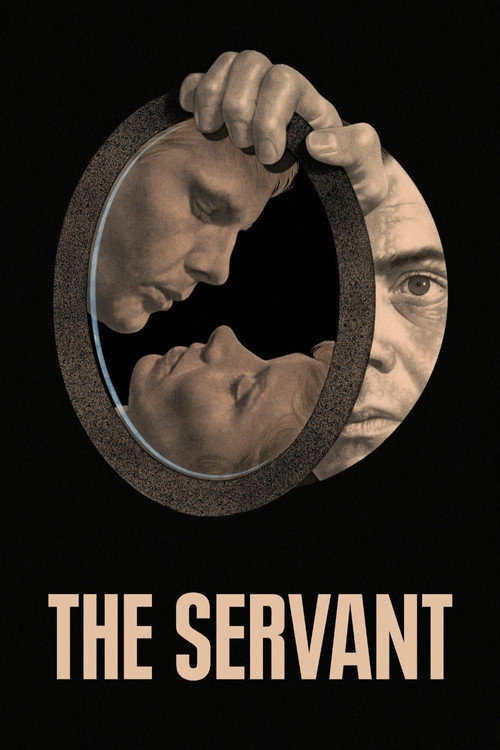
The Servant1963
Joseph Losey's elegant psychological thriller about power dynamics corrupting a household from within. James Fox and Dirk Bogarde in a dance of manipulation. Quietly vicious, formally inventive, British cinema being genuinely dangerous.
But The class politics and sexual subtext are subtle—you need to be watching carefully. Some will find it slow; others will find it perfectly paced.
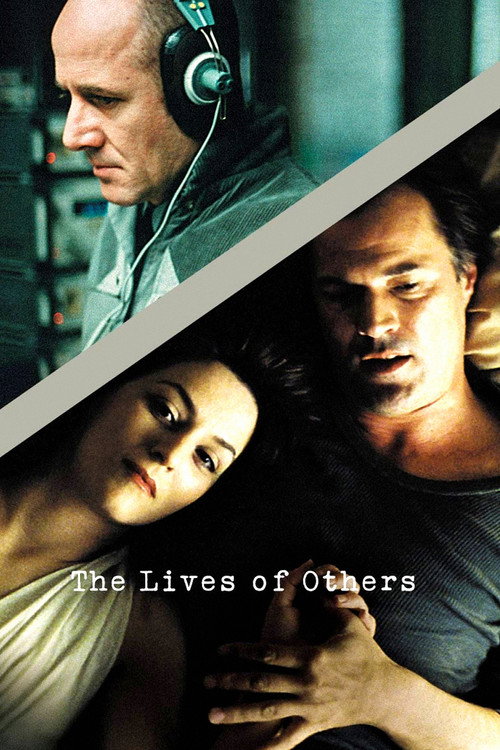
The Lives of Others2006
Same historical moment (postwar/Cold War occupation), same preoccupation with how systems corrupt individuals. One character learns to resist; Leopold learns he already belongs to the machine.
Florian Henckel von Donnersmarck's Stasi thriller about surveillance, guilt, and the possibility of redemption in a totalitarian system. Formally classicist but morally complex. Offers what Europa refuses: the possibility that good people can act.
But Easier to watch than Europa—which might mean it says less about complicity. The redemption arc feels earned but also slightly comfortable compared to von Trier's refusal of comfort.
Requiem for a Dream2000
Both use formal experimentation (split screen, unusual framing, hypnotic editing) not as style but as content. Both insist that individual will is nearly powerless against the machinery that contains it.
Darren Aronofsky's formally audacious descent into addiction follows four people destroying themselves in different ways. Visually innovative and emotionally annihilating. Shares Europa's conviction that systems (chemical, economic, ideological) remake humans into their service.
But The stylistic repetition becomes unbearable by design. The final hour is relentless and grim. Heavy on despair, light on hope. Will drain you.

People
Cast
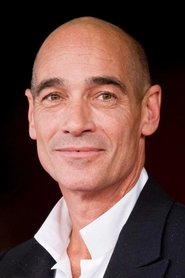 Jean-Marc BarrLeopold Kessler
 Barbara SukowaKatharina Hartmann
 Udo KierLawrence Hartmann
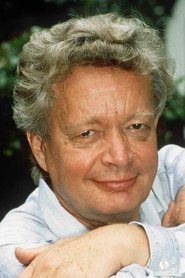 Ernst-Hugo JäregårdUncle Kessler
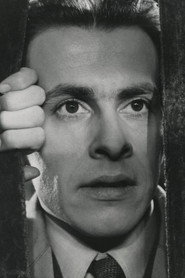 Erik MørkPater
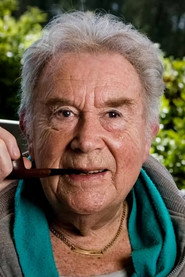 Jørgen ReenbergMax Hartmann
 Henning JensenSiggy
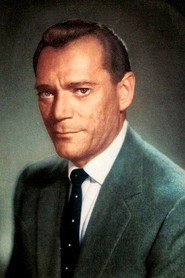 Eddie ConstantineColonel Harris
 Max von SydowNarrator (voice)
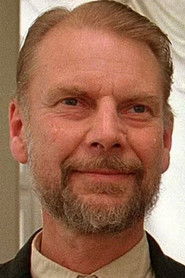 Benny PoulsenSteleman
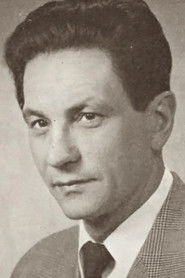 Erno MüllerSeifert
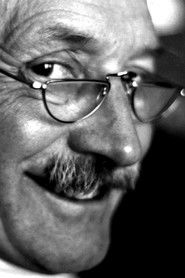 Dietrich KuhlbrodtInspector
Directing
- Janusz PetelskiAssistant Director
- Tómas GislasonAssistant Director
- Lars von TrierContinuity
- Linda DaaeContinuity
- Tómas GislasonContinuity
- Lars von TrierDirector
- Tom HedegaardFirst Assistant Director
- Egon HaaseSecond Assistant Director
- Elizabeth Frey HarneSecond Assistant Director
Writing
- Lars von TrierScreenplay
- Niels VørselScreenplay
Production
- Philippe BoberAssociate Producer
- Rie HedegaardCasting
- Annette GrunnetCasting Coordinator
- Rie HedegaardCasting Coordinator
- François DuplatExecutive Producer
- Gérard MitalExecutive Producer
- Gunnar ObelExecutive Producer
- Patrick GodeauExecutive Producer
- Bo ChristensenProducer
- Peter Aalbæk JensenProducer
- Erik CroneProduction Assistant
- Ewa BorekProduction Assistant
- Henrik CapetilloProduction Assistant
- Isabelle ArcayProduction Assistant
- Józef JaroszProduction Assistant
- Lisbet MatzProduction Assistant
- Monica SteenbergProduction Assistant
- Zdzisław SajukProduction Assistant
- Lene NielsenProduction Manager
- Thomas HeinesenProduction Manager
- Wiesława BoreckaProduction Manager
- Julian JencquelProduction Runner
- Lars KolvigProduction Supervisor
- Philippe GuezProduction Supervisor