
Film
Hunger
Hunger is Steve McQueen's debut, and it plays like a punch delivered in three unhurried movements: filth, standoff, and starvation. Dialogue is scarce—one virtuoso sixteen-minute conversation aside—so the film asks you to read bodies instead of words. Michael Fassbender's transformation into Bobby Sands is the endpoint of a slow, formally exacting descent. It's austere, occasionally beautiful, and built to sit with you rather than entertain you.
If you liked this
Bloody Sunday2002
Paul Greengrass turns the 1972 Derry massacre into handheld, real-time chaos with the same refusal to editorialise that makes Hunger so unsettling—history as it's lived, not narrated.
But The verité shakiness and lack of conventional structure can feel more like reportage than drama, which some viewers find exhausting.
'712014
A British soldier stranded in Troubles-era Belfast, told as a lean, propulsive thriller—the politics of the conflict rendered through pure survival tension rather than speeches.
But It trades Hunger's stillness for a chase-movie pace, so if you wanted more meditation on the conflict, this won't give it.

In the Name of the Father1993
Daniel Day-Lewis as a wrongly imprisoned man radicalised by British justice, with a prison relationship at its centre that carries the same moral weight and rage as Sands' story.
But It's a more conventional courtroom-and-prison drama, with swelling emotion where Hunger insists on restraint.
The wildcard
Something you would not have found on your own.
The Passion of Joan of Arc1928
Both films strip away plot and dialogue to fix the camera on a single body being broken by an institution, turning endurance itself into the drama—McQueen has cited this film's influence directly.
A silent French film built almost entirely from extreme close-ups of one face under interrogation and torment—cinema treating suffering as something to be witnessed, not explained.
But Silent, nearly a century old, and demands patience with intertitles and a slower rhythm than modern audiences are used to.

More like this (8)
12 Years a Slave2013
McQueen's next film after Hunger, sharing the same unblinking camera on bodies enduring institutional cruelty—harder to look away from, easier to follow.
But It's a longer, more narratively conventional film; some of Hunger's formal daring is traded for awards-season polish.
Some Mother's Son1996no page yet
Tells the same 1981 hunger strike from the mothers' side, with Helen Mirren anchoring a more traditional, emotionally direct account of the same events.
But It's melodrama where Hunger is minimalism—expect swelling strings and speeches instead of silence.
A Prophet2009
Jacques Audiard's prison drama shares Hunger's tactile, unglamorous sense of institutional space and the way survival reshapes a man from the inside out.
But It's a gangster rise story at heart, so the political stakes of Hunger are replaced with criminal ambition.
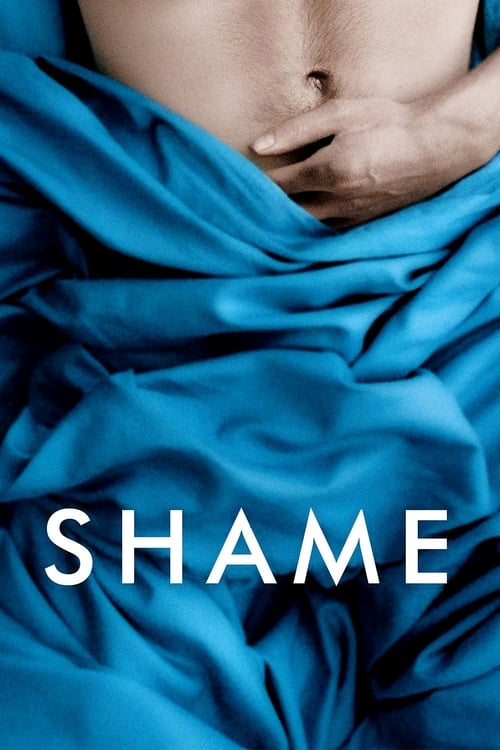
Shame2011
McQueen and Fassbender again, this time turning compulsion rather than starvation into the battleground—same interest in what the body does when the mind won't speak.
But Contemporary and sexual rather than historical and political, it's a very different kind of discomfort.
Bronson2009no page yet
Tom Hardy's feral, stylised turn as Britain's most notorious prisoner shares Fassbender's total physical commitment and interest in incarceration as identity.
But It's theatrical and stylised where Hunger is austere—more punk cabaret than docudrama.
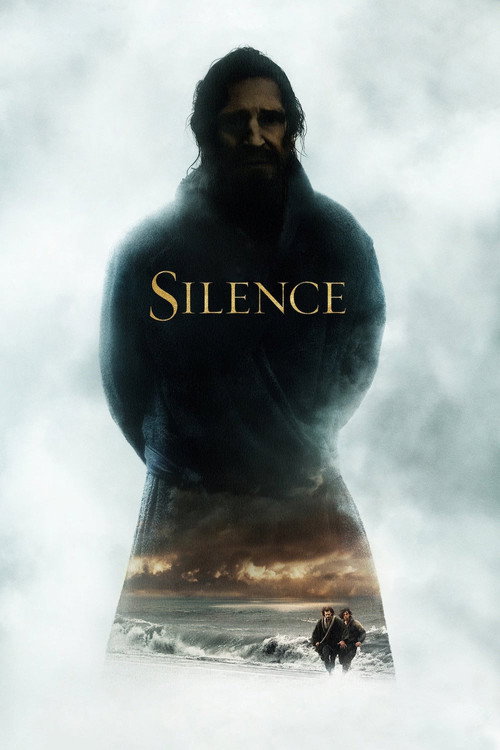
Silence2016
Scorsese's story of Jesuit priests enduring torture for their faith asks the same question Hunger does—what a person will do to their own body for a belief.
But It's long, meditative, and religious in a way that's a harder sell than Hunger's political focus.
Bobby Sands: 66 Days2016no page yet
This is the factual scaffolding around the same sixty-six days McQueen dramatises—watch it to understand exactly what the film assumes you already know.
A documentary that fills in everything Hunger deliberately leaves out—the negotiations, the politics, the day-by-day countdown—using archive footage and testimony instead of a single unbroken gaze.
But It's talking-heads and archive material, the exact opposite of Hunger's wordless immersion, so it can feel dry by comparison.
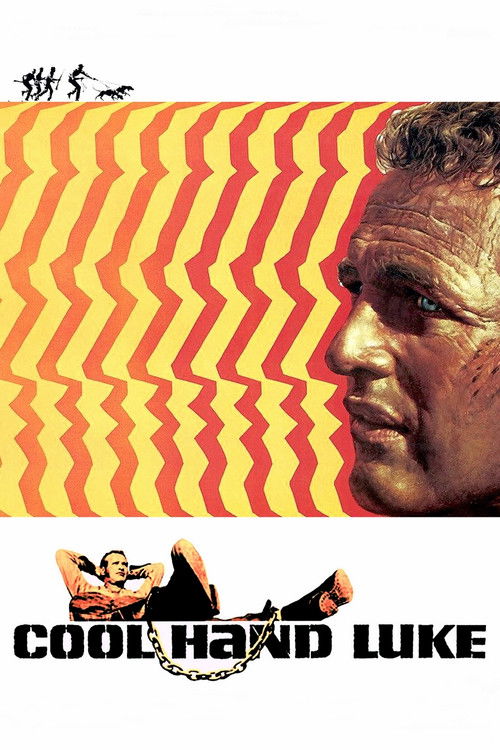
Cool Hand Luke1967
Same structural engine—a prisoner's body becomes the last territory he controls, and his refusal to break turns him into a symbol bigger than the institution trying to break him.
Paul Newman's chain-gang rebel turns his own body into a weapon against the institution holding him, grinning through punishment until he becomes a myth rather than a martyr.
But Warm, funny, and very American where Hunger is cold and Irish—it turns the same defiance into folk legend instead of horror.
People
Cast
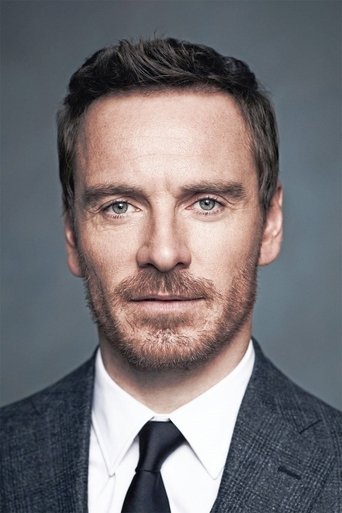 Michael FassbenderBobby Sands
 Stuart GrahamRay Lohan
 Liam CunninghamPriest
 Helena BereenRaymond's Mother
- Laine MegawRaymond's Wife
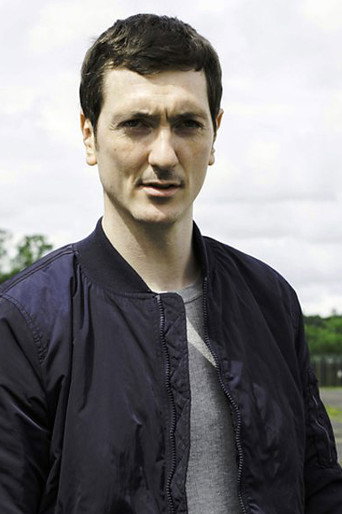 Brian MilliganDavey Gillen
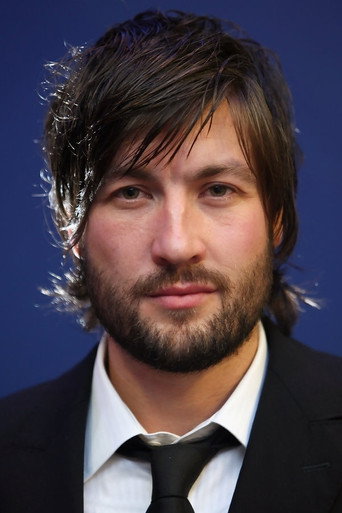 Liam McMahonGerry Campbell
 Karen HassanGerry's Girlfriend
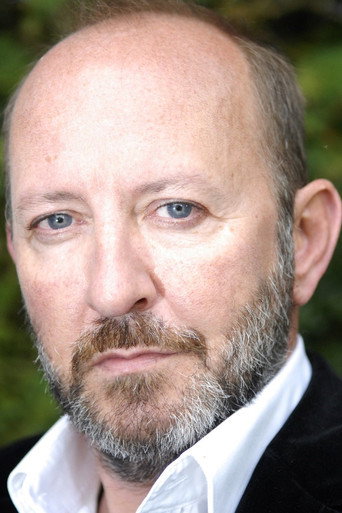 Frank McCuskerThe Governor
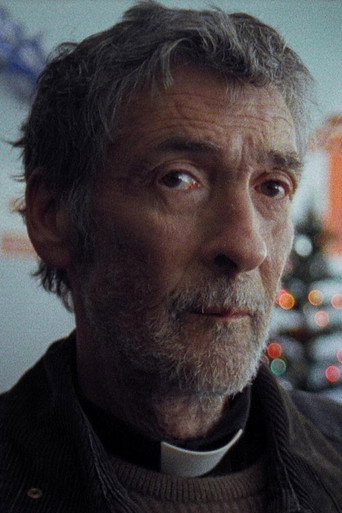 Lalor RoddyWilliam
 Des McAleerMr Sands
- Helen MaddenMrs. Sands
Directing
- Steve McQueenDirector
- Mark FennFirst Assistant Director
- Matthew HansonSecond Assistant Director
- Adam PhilpottThird Assistant Director
Writing
- Enda WalshWriter
- Steve McQueenWriter
Production
- Laura Hastings-SmithProducer
- Robin GutchProducer
Recommended by
A Short Film About Killing, In the Name of the Father, The Experiment, '71, Bloody Sunday, Iron Jawed Angels, Shame