
Film
Knife in the Water
Polanski's debut is a masterclass in tension compressed into a sailboat. Three people, one small vessel, and a web of jealousy, class anxiety, and barely suppressed violence that tightens with each scene. It's suffocating in the best way—a psychological thriller that trusts you to feel the pressure without spelling it out.
Should you watch it?
Watch it if you like psychological duels where a few people on a small stage tighten the screws, and you'd rather sit with unease than have it explained to you.
Skip it if you need plenty of incident, since almost all of it is glances, silences and small cruelties on a boat, and its slow buildup can feel like waiting.
What it asks of you: Expect a tight sitting of about ninety minutes, where the mood is cool and humiliating rather than loud, and the camera and the silences ask you to read faces closely.
Not sure? Find tonight's pick in a minute.
If you liked this
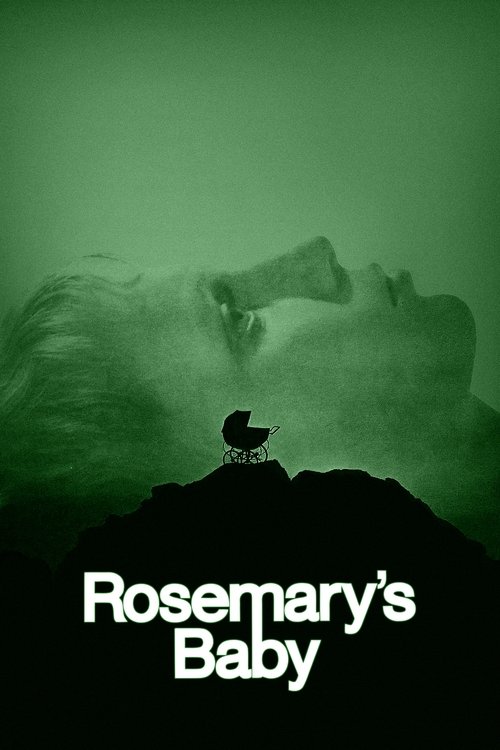
Rosemary's Baby1968
Polanski's follow-up proves he wasn't a one-hit wonder. Same gift for making enclosed spaces feel nightmarish, same ability to make paranoia seem absolutely justified. Utterly gripping.
But Deliberately paced in a way that modern thrillers aren't. If you need constant plot momentum, this will feel slow.
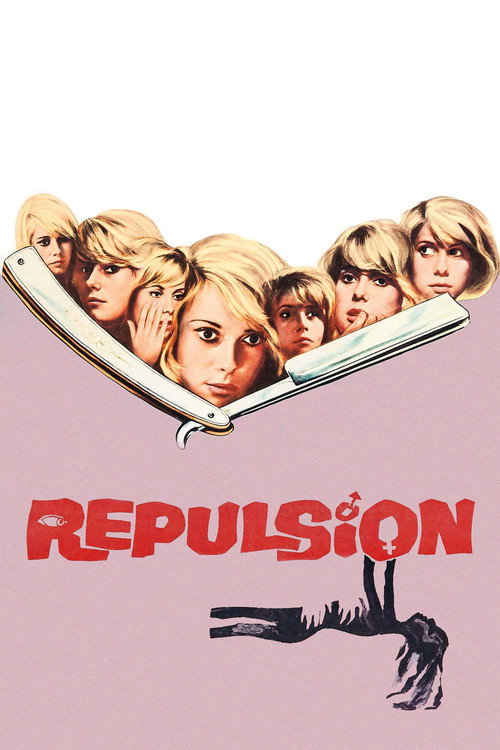
Repulsion1965
Polanski again, this time trapping you inside a woman's deteriorating mind in a London apartment. Catherine Deneuve is extraordinary. The claustrophobia is even more intimate than Knife in the Water.
But The descent into madness is genuinely disturbing, with body horror that hasn't aged into comedy. Not an easy watch.
Moonlight2016
Three acts, three time periods, one boy's life unfolding with the same careful observation and emotional precision. Like Knife in the Water, it trusts silence and what isn't said to do the heavy lifting.
But It's quiet and introspective. There's no plot twist, no catharsis—just accumulated truth. Some people find that unsatisfying.

Not sure tonight? Get a pick in a minute, starting from Knife in the Water
The wildcard
Something you would not have found on your own.
The Seventh Seal1957
Both are European art films from the early 1960s that locate horror in the space between people, not in external events. Both distrust easy answers and aren't interested in making you feel better.
Bergman's knight plays chess with Death. Like Polanski, Bergman understood that existential dread is more powerful than gore—that watching someone grapple with meaninglessness is more unsettling than any plot twist. Both films have that same grave, unflinching gaze.
But It's a philosophical treatise dressed as a film. If you want plot or catharsis, you won't find it. Some find it pretentious.

More like this (8)
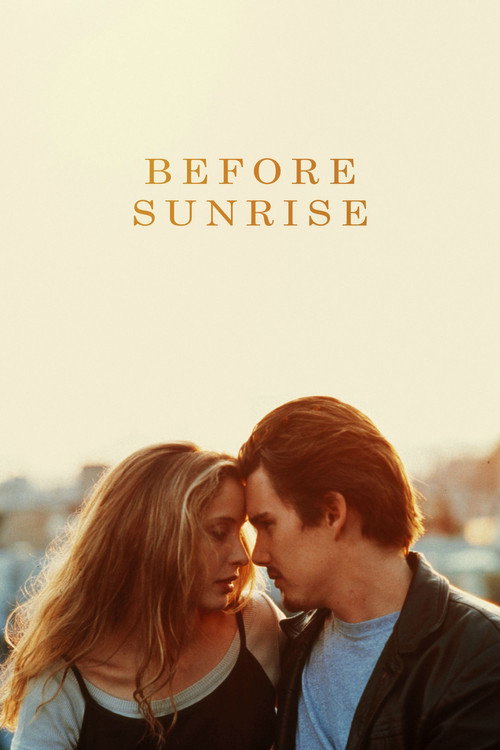
Before Sunrise1995
A man and woman, one night, walking through Vienna. Linklater does what Polanski does—finds drama in small talk and growing tension between two people learning each other. The dialogue is electric.
But Almost nothing happens. It's a conversation. If plot is what you're after, this will bore you to tears.
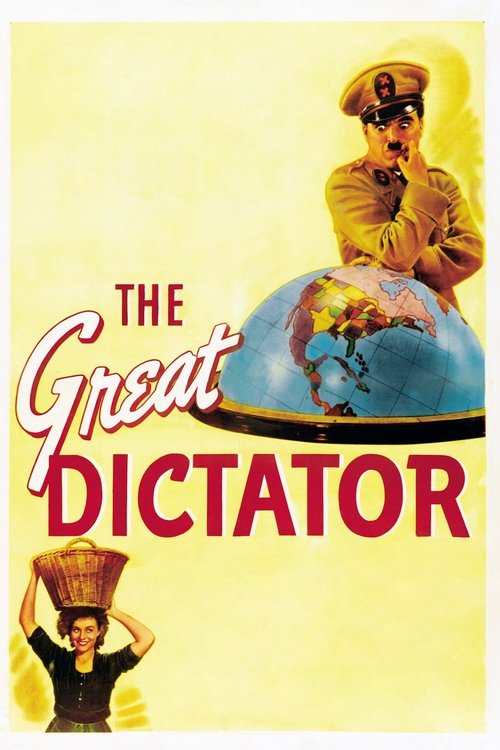
The Great Dictator1940
Chaplin's response to fascism, made in 1940. Like Knife, it's about power dynamics and the obscene absurdity of men posturing. The barber shop scene is unforgettable.
But The tonal shift into sentiment in the final speech feels dated now. Some of Chaplin's physical comedy won't land if you're not in the mood for silent-era slapstick.
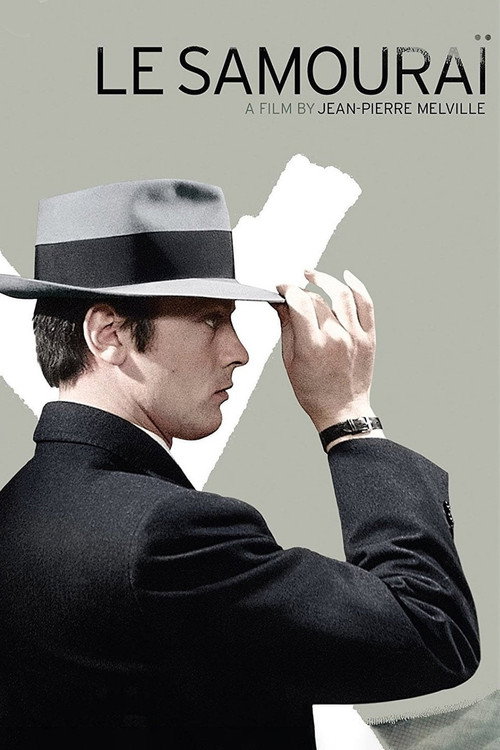
Le Samouraï1967
Melville's ice-cold hitman thriller shares Knife's belief that menace lives in the spaces between people. Minimal dialogue, maximum dread. Alain Delon is mesmerizing.
But The plot is thin and the pacing is glacial. It's a mood piece—beautiful and tense but not interested in action or revelation.
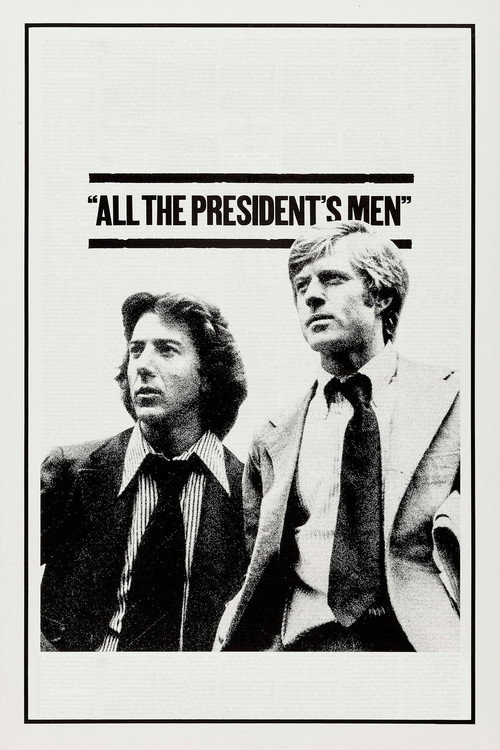
All the President's Men1976
Paranoia thriller about two journalists unraveling a presidency. It has Knife's understanding that danger often whispers rather than shouts, and that small revelations compound into terror.
But Dated cinematography and a newspaper office isn't as inherently dramatic as a boat. The stakes feel less personal.
Kes1970
A boy and his hawk in northern England. Loach's film has Knife's quiet observation of human behavior—how small cruelties and kindnesses shape lives—and the same underlying sadness.
But The ending is deliberately bleak and unredemptive. It's not a feel-good story about a boy and his bird.

Stalker1979
Three men journey into a mysterious zone. Tarkovsky's sci-fi is really a three-person psychological study—like Knife, it's about desire, hierarchy, and what we're willing to risk for intangible things.
But It's 163 minutes of slow revelation. Incredibly beautiful but demands patience most viewers don't have.

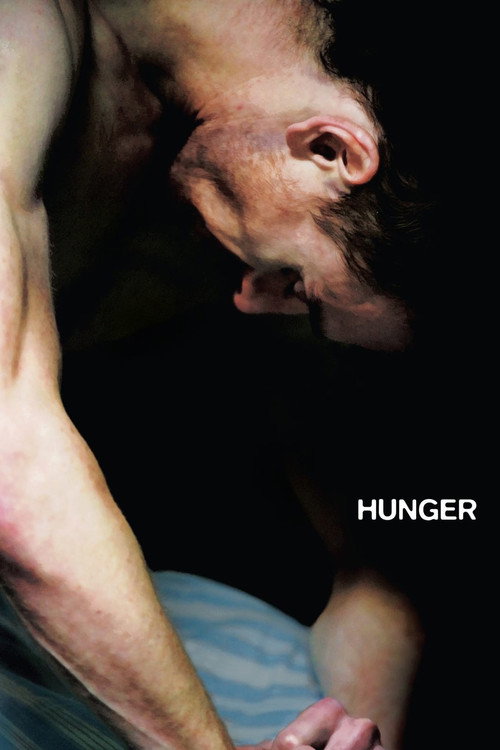
Hunger2008
Both use a contained space and a power struggle between men to explore moral cowardice and the violence we do to each other beneath civility. Both refuse to look away.
Steve McQueen's first film: a political prisoner's silent protest in an Irish jail. Spare, unflinching, and unbearably tense. Like Knife, it uses confined space and minimal dialogue to create suffocation. The final thirty minutes are unwatchable in the best sense.
But It's a true story about real suffering. Not recommended if you're watching for entertainment. The final act is genuinely hard to sit through.
Red Desert1964
Both are formally precise 1960s films that distrust narrative and treat psychological unease as the real subject. Both use environment—a boat, a factory town—as a mirror of internal states.
Antonioni's color masterpiece: a woman's fragile mental state reflected in an industrial landscape. Like Knife, it's about surface civility masking interior chaos, about sex and power and the corrosion of desire. Monica Vitti gives one of cinema's greatest performances.
But Nothing happens in the conventional sense. It's an impressionistic study of mood. Some viewers find it remote and chilly rather than moving.
People
Cast
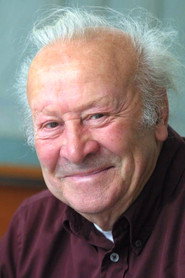 Leon NiemczykAndrzej
 Jolanta UmeckaKrystyna
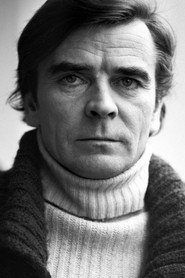 Zygmunt MalanowiczYoung Man
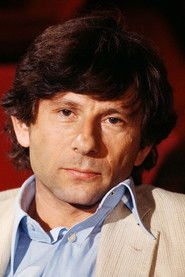 Roman PolanskiYoung Man (voice)
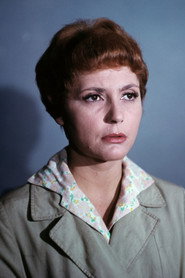 Anna CiepielewskaKrystyna (voice)
Directing
- Andrzej KostenkoAssistant Director
- Jakub GoldbergAssistant Director
- Maria PietrzakAssistant Director
- Roman PolanskiDirector
Writing
- Jerzy SkolimowskiDialogue
- Agnieszka OsieckaLyricist
- Jakub GoldbergScreenplay
- Jerzy SkolimowskiScreenplay
- Roman PolanskiScreenplay
Production
- Jerzy LaskowskiAssistant Production Manager
- Stanisław ZylewiczProduction Manager
Recommended by
Purple Noon, The Mirror Crack'd, Dead Calm, Cruel Story of Youth, Swimming Pool, Flesh of the Orchid, Sundays and Cybele, The Swimming Pool, Don't Torture a Duckling, At the Edge of Darkness (Song of the Earth Part 1)