
Film
The Swimming Pool
A languid 1969 French thriller set by a St. Tropez villa where two lovers' summer idyll curdles when unexpected guests arrive. Alain Delon and Romy Schneider navigate jealousy, desire and mounting dread with glacial sophistication. Gorgeously shot, psychologically nasty, it's a masterclass in how quickly paradise can turn poisonous. For anyone who loves continental sophistication paired with genuine menace.
Should you watch it?
Watch it if you savour slow-simmering jealousy played out in sunlight, where glances, silences and an achingly cool Delon do more work than the plot, and you don't mind a story that refuses to hurry.
Skip it if you need momentum, because this is languid and mood-driven, with long stretches of sunbathing and lingering looks that can feel like marking time before anything lands.
What it asks of you: Settle into a leisurely two hours, with tension coiling slowly rather than breaking loudly, and the pleasures lodged in faces and silences more than dialogue.
Not sure? Find tonight's pick in a minute.
If you liked this
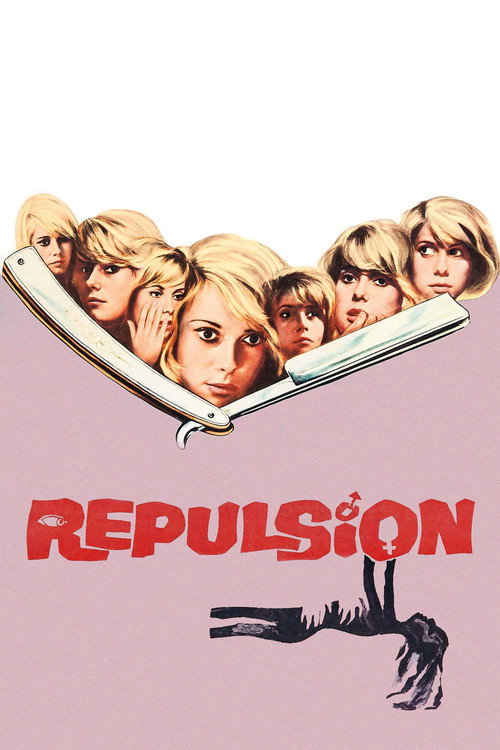
Repulsion1965
Roman Polanski's claustrophobic descent into madness. Catherine Deneuve in a role of devastating vulnerability, a woman unraveling in her apartment with the same inexorable inevitability as The Swimming Pool's moral collapse.
But Genuinely disturbing and sometimes ugly to watch. The body horror and sexual anxiety are not window dressing—they're the point, which won't appeal to everyone.
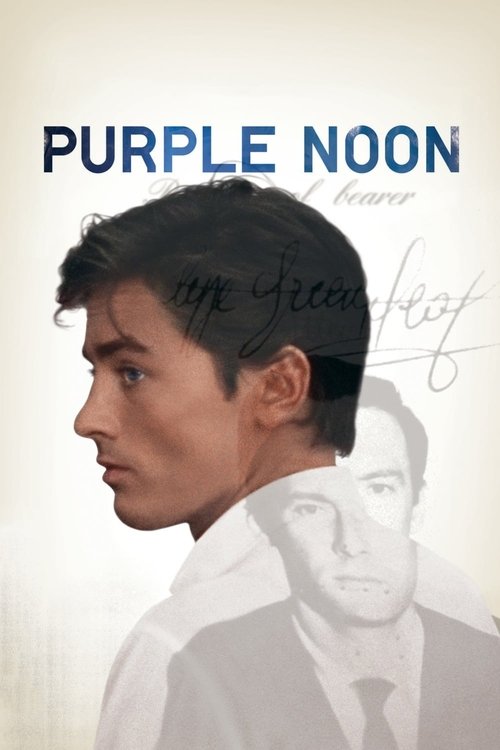
Purple Noon1960
Alain Delon in a sunlit Italian landscape committing casual murder. Same actor, same era, same sense that beauty and violence are separated by the thinnest membrane. Arguably the progenitor of this whole mood.
But Based on Patricia Highsmith but doesn't have her clarity of motive. Some find it frustratingly unmotivated, all style and surface with no psychological depth underneath.
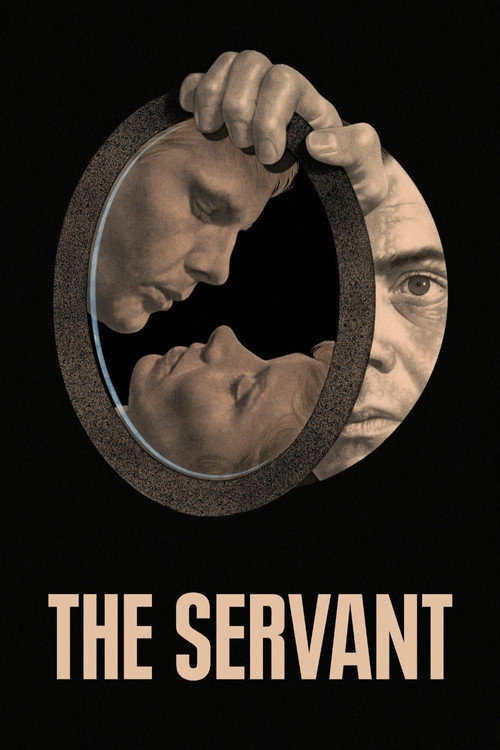
The Servant1963
Joseph Losey's corrosive study of power dynamics in a London townhouse. Like The Swimming Pool, it's a closed-world chamber piece where servant and master, guest and host, keep shifting terrifyingly until you lose track of who holds the knife.
But Deeply uncomfortable, morally murky, and in places quite sleazy. If you want your class commentary straightforward, this will feel calculated and nasty.
Not sure tonight? Get a pick in a minute, starting from The Swimming Pool
The wildcard
Something you would not have found on your own.
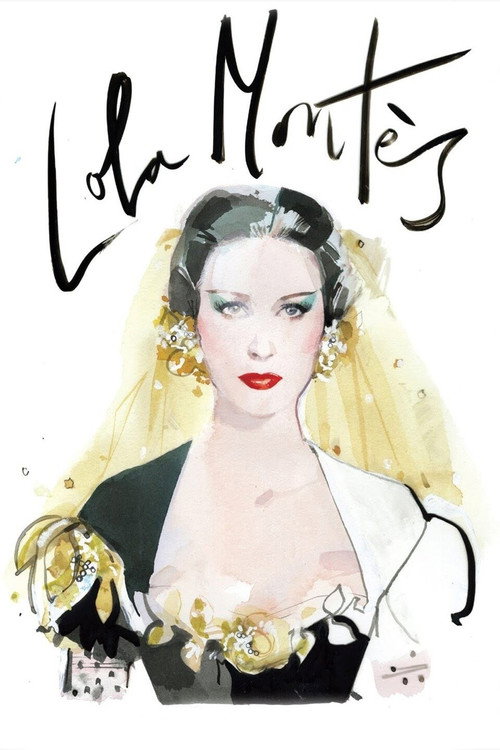
Lola Montès1955
Both films center on a beautiful woman whose presence destabilizes everyone around her, and both use that destabilization as their entire subject. Where The Swimming Pool is cool, Lola Montes is baroque—but they're asking the same question about female desire and male violence.
Ophüls' color masterpiece about seduction, power and the cost of being desired. A woman's life told in fragments and flashbacks through the eyes of men who wanted her. Like The Swimming Pool, it understands that eroticism and cruelty are the same impulse wearing different masks.
But Made in 1955 but feels completely alien to modern cinema—floridly theatrical, formally strange, and demanding active watching. The narrative jumps around and the register is operatic rather than naturalistic.
More like this (5)
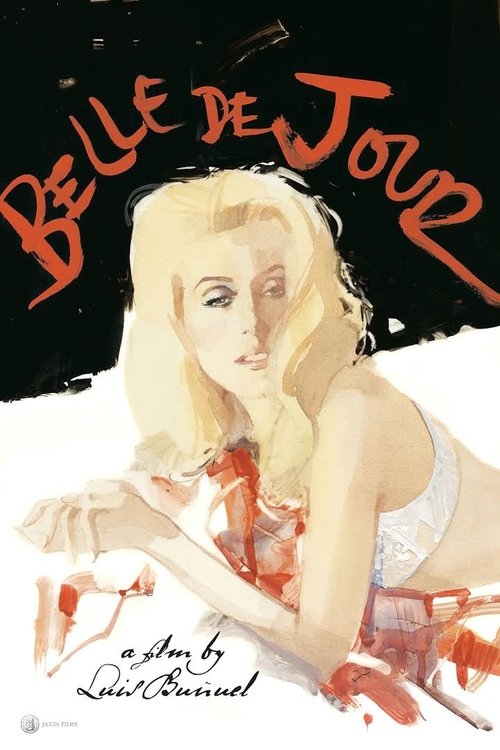
Belle de Jour1967
Buñuel's study of desire wearing a respectable face. Deneuve as a bourgeois woman living a secret life, exploring the same territory as The Swimming Pool—what happens when propriety cracks and we see what's underneath.
But Surrealist and elliptical, it doesn't explain itself. The dream sequences and refusal to clarify meaning frustrate anyone who wants straightforward narrative or psychological clarity.
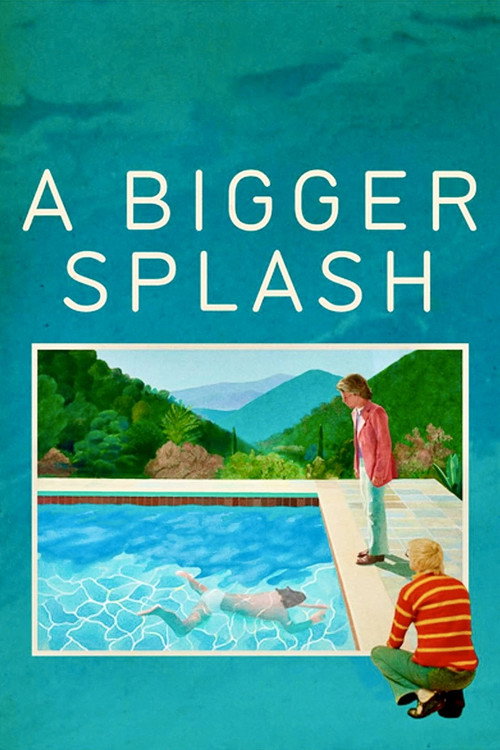
A Bigger Splash1973
Visconti's volcanic remake of Tennessee Williams, bursting with color and desire and the specific cruelty of beautiful people. That same summer-villa-turned-hothouse dynamic where guests become weapons and seduction becomes combat.
But Nearly three hours long and shamelessly baroque. The Technicolor intensity and theatrical excess alienate viewers who prefer restraint over operatic passion.
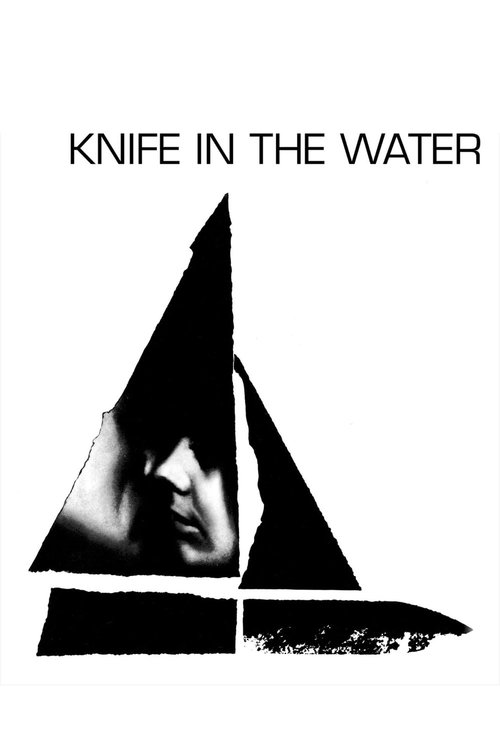
Knife in the Water1962
Polanski's debut—a yacht becomes a pressure cooker for marriage, desire and masculine ego. Three people in confined space discovering that civility is gossamer. Hypnotic and claustrophobic in ways The Swimming Pool understands completely.
But Mostly dialogue-driven and symbolically dense. The black-and-white austerity and intellectual gamesmanship bore viewers wanting plot or action.
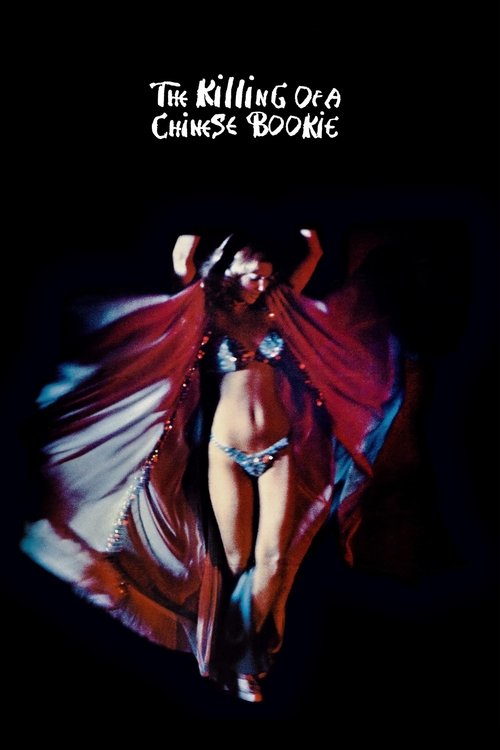
The Killing of a Chinese Bookie1976
Cassavetes' film about a man caught between worlds, suffused with the same sense of entrapment and dread as The Swimming Pool's nightmare logic. Urban rather than pastoral, but that same feeling of being trapped by circumstance and desire.
But Extremely lengthy, dialogue-heavy, and structurally odd. Cassavetes' improvisational style can feel self-indulgent, and the crime plot is almost incidental to the character study.
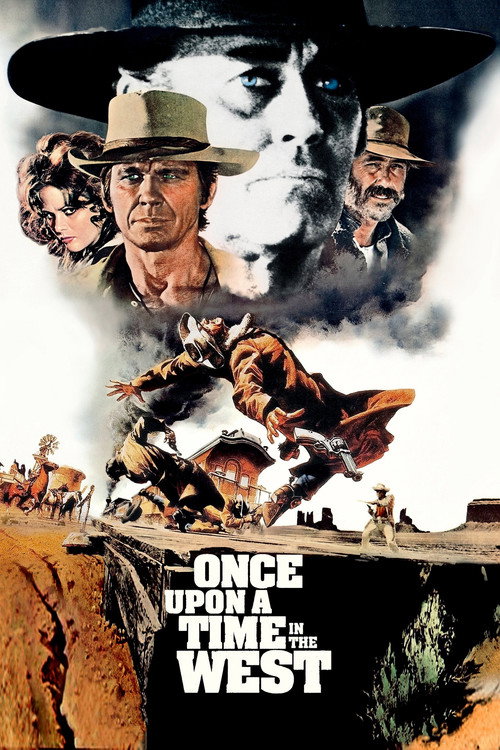
Once Upon a Time in the West1968
Sergio Leone's operatic western from the same year as The Swimming Pool, equally concerned with style, seduction and hidden malice. The famous railway station scene has the same patient, horrible inevitability as everything that unfolds by that pool.
But Nearly four hours long with extended silences and minimal dialogue. Leone's maximalist aesthetic and extreme pacing are thrilling to some and exhaustingly slow to others.
People
Cast
 Alain DelonJean-Paul
 Romy SchneiderMarianne
 Maurice RonetHarry
 Jane BirkinPenelope
 Paul CrauchetL'inspecteur Lévêque
- Suzie JaspardEmilie
 Maddly BamyLa mulâtre
 Thierry ChabertUn ami
 Steve EckardtFred
- Ruth PriceSinger (uncredited)
 Stéphanie FugainUne amie à la party (uncredited)
Directing
- Jean MylonasAssistant Director
- Michele SennetAssistant Director
- Jacques DerayDirector
Writing
- Alain PageScreenstory
- Jacques DerayWriter
- Jean-Claude CarrièreWriter
Production
- Gérard BeytoutExecutive Producer
- René PignièresProducer
Recommended by
Chéri, White Mischief, Department S, Zabriskie Point, Swimming Pool, Stealing Beauty, Reckless, Tender Is the Night, Scandal, The Lovers, Les Biches, I Am Love, Un Flic, Ski Party, Summer Holiday, Sin on the Beach, The Lickerish Quartet, The Bitches, Emmanuelle, It's a Bikini World, The Kremlin Letter