
Film
Les Biches
A languid erotic thriller about two women—one wealthy and aimless, one poor and ambitious—who form an intense bond that fractures when a man enters their world. Chabrol's 1968 film moves with the pace of desire itself: slow, hypnotic, utterly controlled. It's a film for people who want to feel something unsettling without being shouted at.
Should you watch it?
Watch it if you are drawn to slow, elegant psychological games where desire and power shift quietly under polished surfaces, and a film's mood matters more to you than its plot turns.
Skip it if you want brisk momentum or clear emotional confrontations, since this one moves at a languid pace and keeps its feelings cool, half-hidden behind glamorous manners and long silences.
What it asks of you: Ninety-five minutes of patience, with unhurried scenes and few explanations, asking you to read glances and tension rather than follow a driving story.
Not sure? Find tonight's pick in a minute.
If you liked this
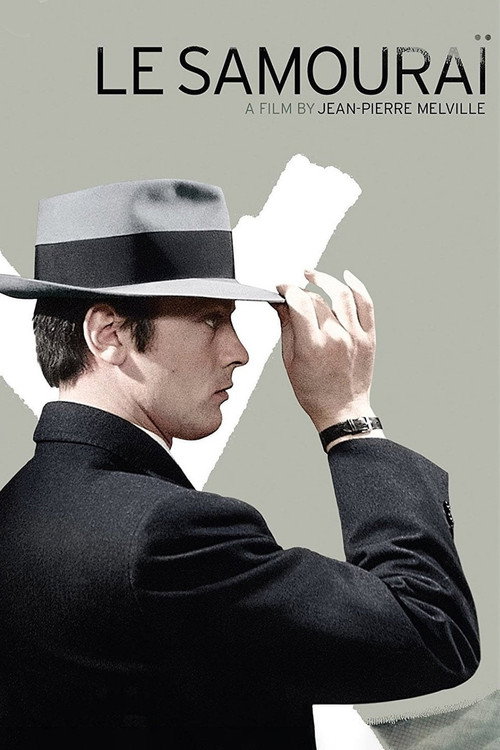
Le Samouraï1967
Melville's ice-cold masterpiece about a hitman adrift in Paris. Like Les Biches, it moves at a whisper, lets silences do the work, and treats betrayal as inevitable. Both films understand that style and moral emptiness can be beautiful.
But It's extremely austere and doesn't offer much warmth or conventional character development. If you need the film to root for someone, this will feel cold.
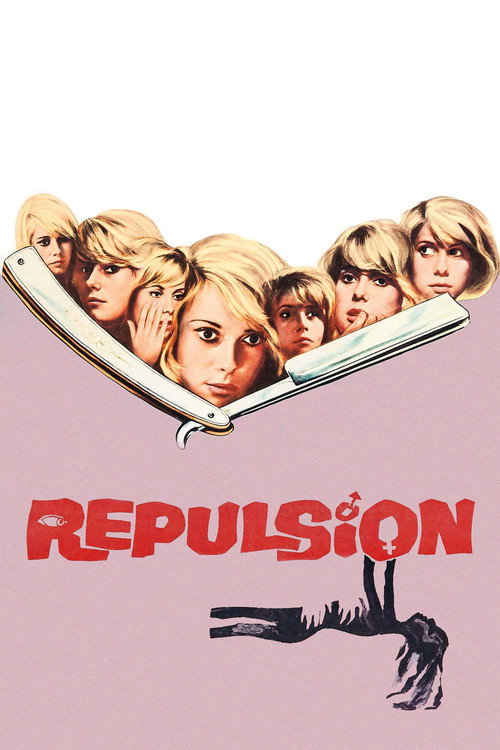
Repulsion1965
Polanski's claustrophobic descent into psychological terror, built on similar ground: a woman isolated, desire gone wrong, the surfaces of glamour hiding rot beneath. Both films are studies in how attraction can become a trap.
But It's much more overtly disturbing and graphic. If Les Biches unsettles you with restraint, Repulsion hits you directly in the dark.
The Swimming Pool1969
Delon and Birkin in a Riviera villa where desire, jealousy, and class collide. Released the year after Les Biches, it shares the same baked, languid atmosphere and the same conviction that seduction is a weapon.
But It's slightly more melodramatic. Some find it overwrought compared to Chabrol's cooler hand.

Not sure tonight? Get a pick in a minute, starting from Les Biches
The wildcard
Something you would not have found on your own.
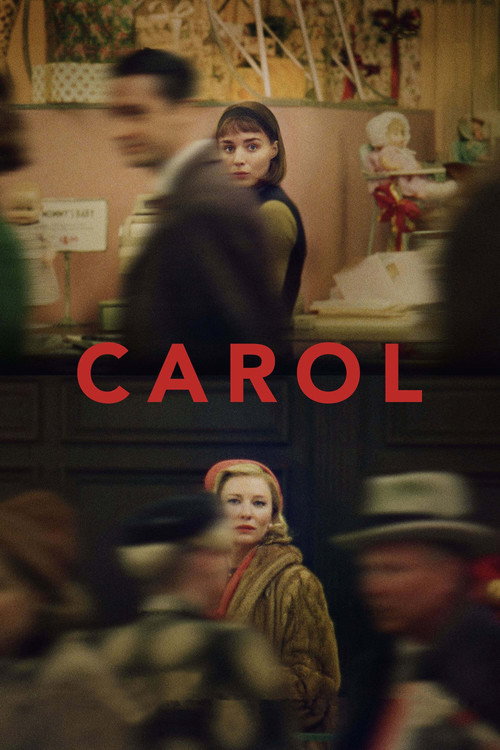
Carol2015
Both use the visual and formal language of classical cinema to express same-sex desire as something complicated, adult, and irreducible to simple narrative resolution.
Todd Haynes remakes the grammar of 1950s melodrama—soft focus, restrained performance, desire expressed through glances and mise-en-scène—to tell a queer love story with the same elegant restraint Chabrol brought to Les Biches. Both films understand that what isn't shown is more powerful than what is.
But It's a period piece about lesbian desire in conservative America, which asks emotional patience rather than plot momentum. The pacing will feel slow to anyone trained on contemporary thrillers.
More like this (5)
Bitter Lake2015
Tsai Ming-liang's film about tourists and locals in a half-built resort captures the same suffocating atmosphere: desire without reciprocation, beauty without meaning, people circling each other in spaces designed for connection.
But It's glacially slow and deliberately frustrating. Long static shots, minimal plot. If you found Les Biches elegant rather than maddening, this might push you past patience.
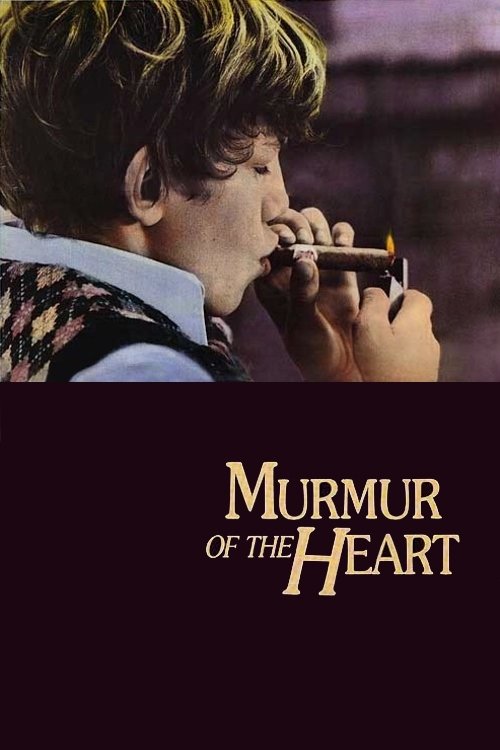
Murmur of the Heart1971
Malle's film about forbidden desire and the corruption of innocence. More overtly transgressive than Les Biches, but shares its interest in how attraction upends social order and changes everyone it touches.
But The transgression at its heart genuinely disturbs some viewers. It asks you to understand rather than condemn, which not everyone is willing to do.
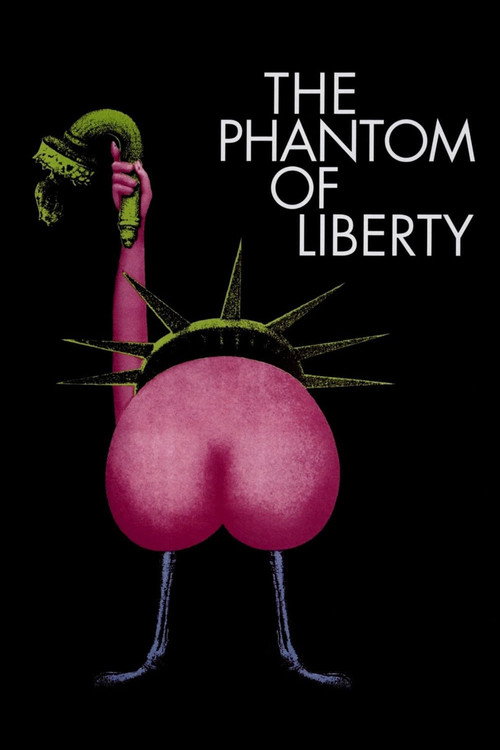
The Phantom of Liberty1974
Buñuel's late surrealist ramble through desire, class, and social hypocrisy. Shares Les Biches' conviction that civilization is a thin mask over chaos and that attraction reveals everything society tries to hide.
But It's a series of linked sketches rather than a linear narrative. If you want story, you'll find this frustratingly elliptical.
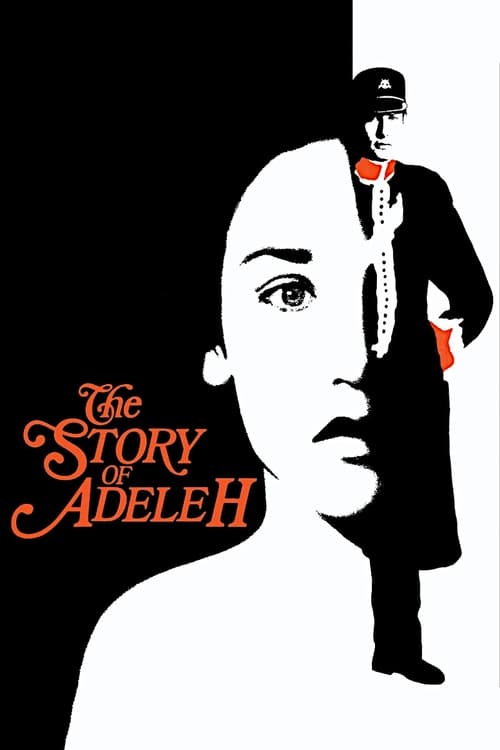
The Story of Adèle H.1975
Both are French films about how desire—whether pursued or withdrawn—can be the central fact of a woman's existence, reshaping everything around it.
Truffaut's film about obsessive, destructive love follows a woman unravelling over an unreciprocated passion. Where Les Biches is cool and controlled, this is feverish and internal—but both understand that desire can be a sickness that remakes you entirely.
But It's claustrophobically focused on one woman's dissolution. If you want an ensemble or external plot, this offers neither. It's basically a portrait of someone coming apart.
Contempt1963
Both use visual style—composition, color, the geography of space—as the primary instrument for expressing desire and alienation rather than dialogue or plot.
Godard's film about a marriage collapsing amid filmmaking and infidelity. Uses color, music, and the architecture of rooms the way Chabrol uses them—as a language of desire and distance. Both films find eroticism in surfaces and absence.
But It's aggressively avant-garde and self-conscious about cinema itself. If you want immersion, Godard constantly reminds you you're watching a film, which breaks the spell.

People
Cast
 Stéphane AudranFrédérique

 Jean-Louis TrintignantPaul Thomas
 Nane GermonVioletta
 Serge BentoBookseller
 Henri AttalRobègue
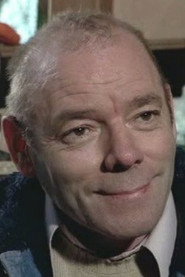 Dominique ZardiRiais
 Claude ChabrolFilmmaker (uncredited)
Directing
- Claude BakkaAssistant Director
- Claude ChabrolDirector
Writing
- Claude ChabrolDialogue
- Paul GégauffDialogue
- Claude ChabrolScreenplay
- Paul GégauffScreenplay
Production
- André GénovèsProducer