
Film
Bitter Lake
Other titles called Bitter Lake: the 2011 film.
- Western
- Slow-burning
Adam Curtis's kaleidoscopic essay on how American entanglement with Saudi Arabia shaped decades of Middle Eastern chaos. Archival footage, whispered narration, and a mounting sense of historical inevitability collide into something that feels less like journalism and more like fever dream. For viewers who want documentary to *unsettle* rather than explain.
Should you watch it?
Watch it if you like essayistic documentaries that stitch archive footage into an argument about power, and will happily follow a train of thought through decades of film and politics without needing it spelled out.
Skip it if you need a clear throughline or a tidy explanation; this is a collage of loosely linked threads whose jumps between countries can feel like being handed shuffled cards.
What it asks of you: Two hours and fifteen minutes of dense montage with a voice-over that keeps pushing forward, so it wants your full attention rather than background company.
Not sure? Find tonight's pick in a minute.
If you liked this
HyperNormalisation2016
Curtis at peak mood-making: how everyone—politicians, activists, ordinary people—retreated into their own stories when reality became too broken to face. The logical next chapter after Bitter Lake.
But Even more experimental than Bitter Lake. Some will find it pretentious; others will feel manipulated by the music and montage.

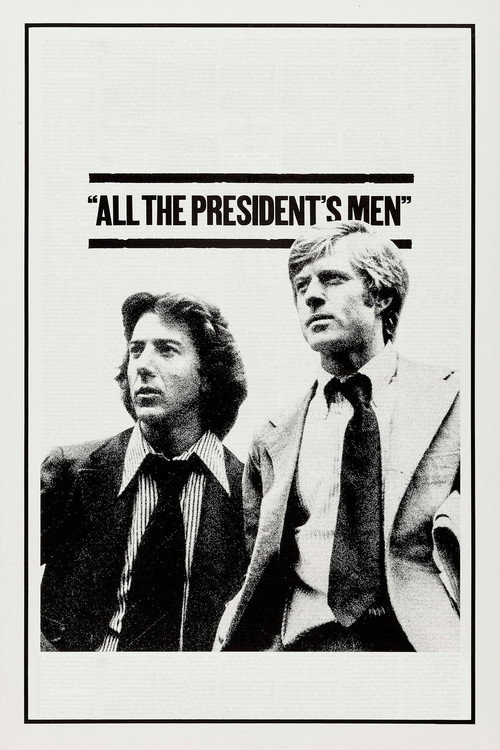
All the President's Men1976
Methodical, gripping account of how two reporters unraveled Watergate. Shows what happens when institutions actually investigate power—a sharp contrast to the buried truths Curtis documents.
But Slower-paced than modern thrillers. The outcome is known. Interest depends on caring about *how* the story was uncovered.
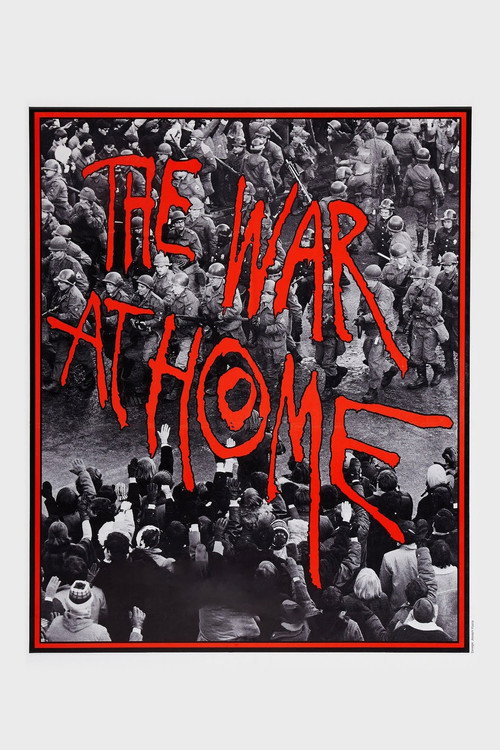
The War at Home1979
Jonathan Karsh's documentary about American anti-war activists in the 1970s. Captures the moment when some people saw what Curtis describes and tried to stop it—futilely.
But Lower production values. The radical voices can feel dated if you're not sympathetic to the era or the cause.
Not sure tonight? Get a pick in a minute, starting from Bitter Lake
The wildcard
Something you would not have found on your own.
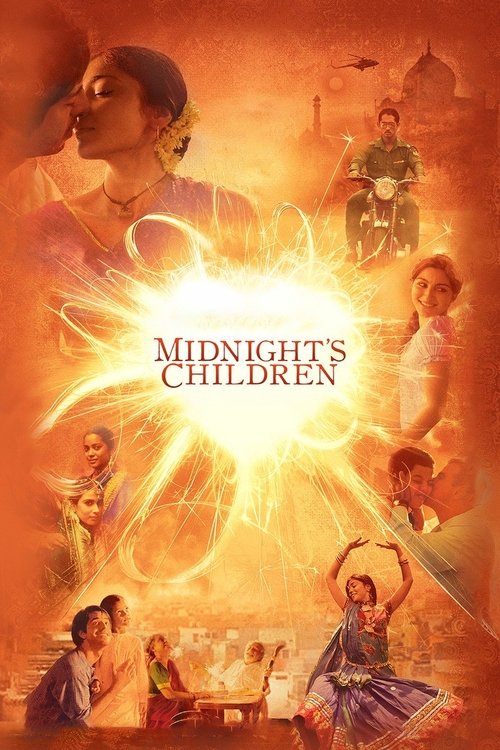
Midnight's Children2012
Both show how grand historical forces grind through individual lives. Bitter Lake is the machinery; this is the human wreckage—and the resilience. A corrective to the omniscient-narrator view.
Deepa Mehta's adaptation of Salman Rushdie's novel about India's independence. Spans the same decades as Bitter Lake but from the *other* side—showing how ordinary lives were fractured by the geopolitical games Curtis dissects.
But Lush, literary, maximalist storytelling. Magic realism embedded throughout. If you want clarity and plot, this will frustrate you.
More like this (5)
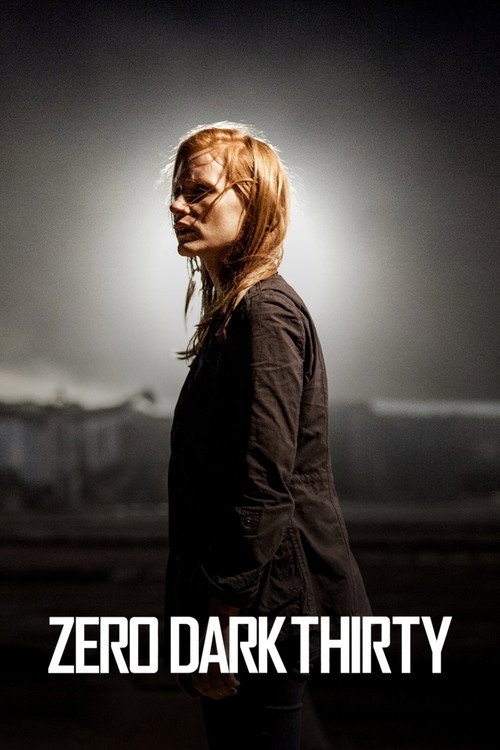
Zero Dark Thirty2012
Kathryn Bigelow's controversial account of the hunt for Bin Laden. Not an argument, but a visceral document of what the consequences of the policies Curtis explores actually look like on the ground.
But Torture scenes are graphic and deliberately uncomfortable. The film's moral stance is intentionally murky, which some find evasive.
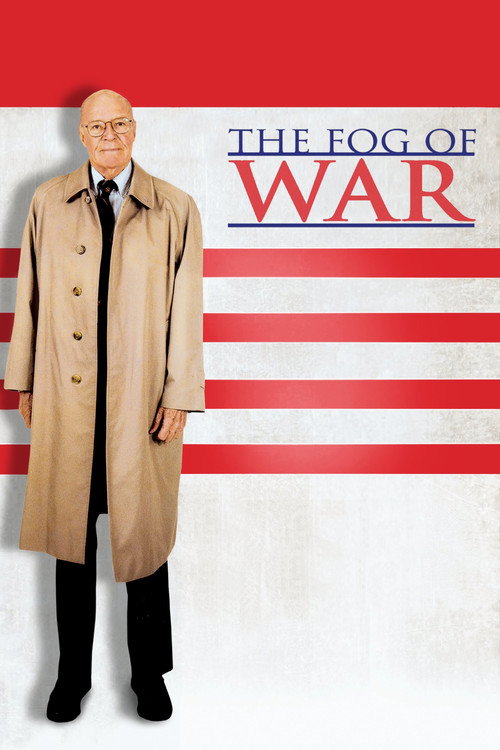
The Fog of War2003
Errol Morris interviewing Robert McNamara about Vietnam and Cold War decision-making. A master strategist admitting uncertainty. Shows how individual choice and systemic logic can diverge.
But Largely talking heads. McNamara's reflections can feel insufficient to the scale of what went wrong.
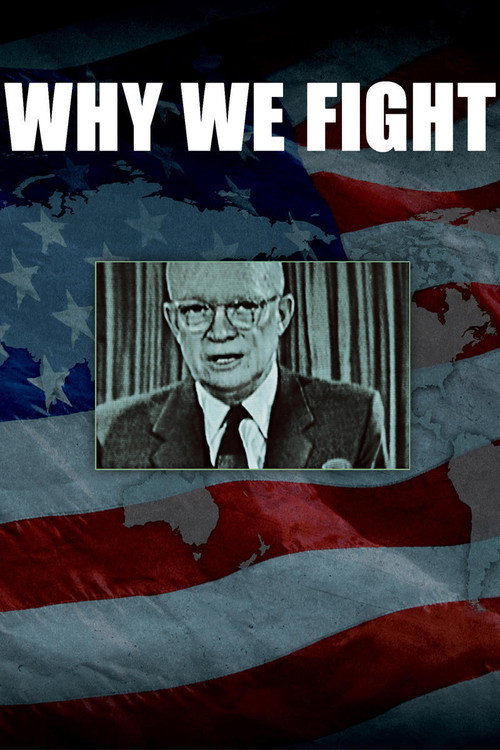
Why We Fight2005
Eugene Jarecki's examination of America's military-industrial complex, built around Eisenhower's famous warning. Clearer and more accessible than Curtis but same fundamental diagnosis.
But More straightforward documentary—some will find it less challenging. It can feel like Bitter Lake's more conventional cousin.
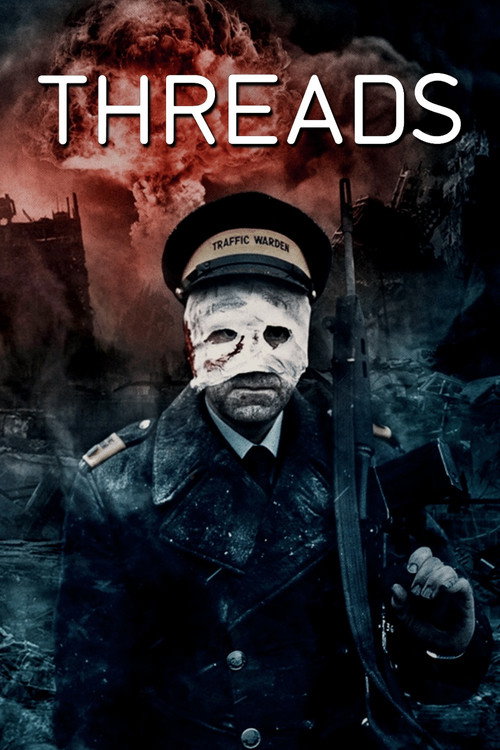
Threads1984
Curtis's narrative arc leads to nuclear standoff; Threads shows what that standoff actually *means*. The documentary describes the machinery; this imagines the outcome. A vision of the abyss Curtis gestures toward.
British nuclear war drama showing, in grueling detail, what happens after the bomb. Not metaphor—actual consequences. Made when the fears Curtis describes were peak real.
But Genuinely one of the bleakest films ever made. Graphic depictions of radiation sickness and societal collapse. No catharsis, no hope. Can cause genuine distress.
Synecdoche, New York2008
Both operate through accumulation and dizzying repetition—the same pattern revealing itself at different scales. Curtis uses montage to show how history repeats; Kaufman uses surrealism to show how individual life fragments under the weight of systems. A companion portrait of bewilderment.
Charlie Kaufman's hallucinatory film about a theater director building a life-size replica of New York inside a warehouse. Fractals of reality collapsing into each other. Formally bizarre and emotionally devastating.
But Aggressively opaque and baroque. Plot is secondary to mood and metaphor. Many viewers find it self-indulgent or simply impenetrable.

People
Cast
 Adam CurtisNarrator
 George H. W. BushSelf (archive footage)
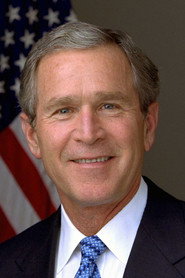 George W. BushSelf (archive footage)
- Joanne HerringSelf (archive footage)
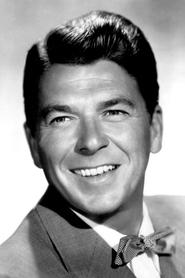 Ronald ReaganSelf (archive footage)
Directing
- Adam CurtisDirector
Writing
- Adam CurtisWriter
Production
- Monica WhitlockConsulting Producer
- Chris GranlundExecutive Producer
- Lucy KelsallExecutive Producer
- Victoria JayeExecutive Producer
- Lucy KelsallProducer
- Alison MillsProduction Manager
Recommended by
The Century of the Self, Untold Scandal, Jean de Florette, Nine 1/2 Weeks, Control Room, The American, Chasing Amy, Femme Fatale, The Bride Wore Black, HyperNormalisation, The Passenger, Baby Doll, La Cérémonie, Laughter in the Dark, A Snake of June, The Heartbreak Kid, The Comfort of Strangers, The Swindle, The Shock Doctrine, I Want You, Army of Crime, Les Biches, The Eternal Husband, Phantom, Therese, The Duel at Silver Creek, Matador, The Seventh Circle, Harvest, The Caiman, Madame Butterfly, Solomon and Sheba, The Kreutzer Sonata, The Influencer, The Second Act, Erotique, Black Widow, The Concubine, Story of a Love Affair, Lovers, Divided Heaven, The War on Democracy, Love Crime, Live Flesh, The Earth Cries Out, Song Without End, David and Bathsheba, Disgrace, Terror Studios, Kiss of the Spider Woman, Ice Cold in Alex, Giselle, Werther, Thaniyavarthanam, Diary of a Chambermaid, Caught, Nathalie..., The Bitches, Malena